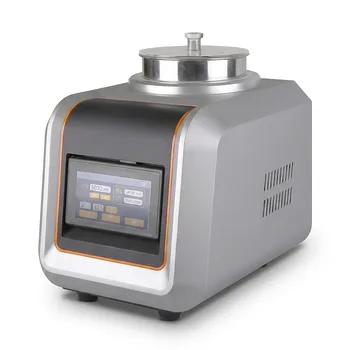
Why is a vibratory sieve shaker used for particle size analysis of pine bark? Maximize Yields & Process Efficiency
Updated 3 months ago
The use of a vibratory sieve shaker is critical for determining the precise Particle Size Distribution (PSD) of pine bark to maximize extraction yields. By ensuring the biomass falls within a specific size range—typically under 1mm or 2mm—processors can optimize the surface area for solvent contact and improve the efficiency of solvent penetration into the bark’s cellular structure.
A vibratory sieve shaker provides the mechanical precision needed to standardize raw materials, which directly correlates to predictable extraction kinetics and higher yields of lipophilic and hydrophilic components. This process transforms a heterogeneous raw material into a uniform feedstock suitable for industrial-scale chemical extraction.
Optimizing Mass Transfer and Kinetics
Maximizing Surface Area for Solvent Contact
Extraction is fundamentally a surface-area-dependent process where the solvent must interact with the biomass to dissolve target compounds. Vibratory sieve shakers allow researchers to isolate smaller particle sizes that offer a higher surface-area-to-volume ratio. This increased exposure ensures that the solvent can access the internal structures of the pine bark more effectively.
Enhancing Solvent Penetration Efficiency
Uniformly sized particles ensure that the solvent flows evenly through the biomass bed rather than following paths of least resistance. When particles are too large, the solvent cannot penetrate the core of the bark, leaving valuable components unextracted. Precision grading ensures that the solvent diffusion distance is minimized, leading to a more thorough extraction of bioactive compounds.
Stabilizing Extraction Kinetics
Consistent particle size eliminates "kinetic deviations" where different sized particles extract at different rates. By using a multi-stage sieve stack, operators can isolate specific intervals (e.g., 100–500 μm) to ensure the reaction proceeds at a predictable speed. This uniformity is essential for scaling up lab results to industrial production without losing efficiency.
Ensuring Process Reliability and Data Integrity
Protecting Downstream Equipment
One of the most practical reasons for using a vibratory sieve shaker is the removal of extremely fine powders. These "fines" can bypass initial filters and clog downstream filtration systems or heat exchangers, leading to costly maintenance and downtime. Standardizing the size range ensures that the material is compatible with the mechanical limits of the extraction hardware.
Improving Reproducibility and Comparability
For research and quality control, data must be comparable across different batches of Scots pine or other biomass. Mechanical oscillation provides a standardized method of classification that manual sieving cannot match. This allows researchers to attribute changes in yield to the extraction parameters rather than variations in the raw material size.
Optimizing Physical Bulk Characteristics
Particle size significantly influences the bulk density and water-holding capacity of the bark in the extraction vessel. A well-graded sample ensures that the material doesn't pack too tightly, which would impede solvent flow, or too loosely, which would reduce the volume of biomass processed per batch.
Understanding the Trade-offs
The Risk of Over-Grinding
While smaller particles increase surface area, grinding pine bark too finely can create a "sludge" when mixed with solvents. This increases the viscosity of the mixture, making it difficult to stir and significantly complicating the final separation of the liquid extract from the solid waste.
Energy Consumption vs. Yield Gains
There is a point of diminishing returns where the energy required to grind bark into ultra-fine powders outweighs the marginal increase in extraction yield. Particle size analysis helps identify the "sweet spot" where yield is maximized without excessive energy expenditure or equipment wear.
Material Loss During Sieving
Sieving inherently involves the removal of material that falls outside the desired range. If the target range is too narrow, a significant portion of the raw pine bark may be discarded as waste, potentially impacting the overall cost-effectiveness of the process.
How to Apply This to Your Project
Choosing a Strategy Based on Your Goals
- If your primary focus is maximizing total yield: Use the sieve shaker to isolate the smallest possible particle size that your filtration system can handle without clogging.
- If your primary focus is process speed and throughput: Target a medium-coarse range (e.g., 1mm to 2mm) to ensure rapid solvent flow and easy post-extraction drainage.
- If your primary focus is scientific reproducibility: Utilize a full stack of standard test sieves and documented vibration frequencies to ensure every batch of biomass is identical.
- If your primary focus is equipment longevity: Use the shaker specifically to scalp off oversized chunks and remove the ultra-fine dust that causes pump wear and filter blinding.
Standardizing your pine bark via vibratory sieving is the foundational step that ensures your extraction process is both scientifically sound and industrially viable.
Summary Table:
| Key Benefit | Impact on Extraction Process | Practical Advantage |
|---|---|---|
| Surface Area Optimization | Increases solvent-to-biomass contact | Higher yields of bioactive compounds |
| Kinetic Stabilization | Ensures uniform solvent penetration | Predictable and scalable production |
| Fines Removal | Prevents clogging of downstream filters | Reduced maintenance and downtime |
| Standardized Grading | Eliminates raw material variability | Reliable data and reproducibility |
Optimize Your Biomass Extraction with Precision Sample Prep
At Our Laboratory Solutions, we specialize in providing complete sample preparation solutions tailored for material science and chemical extraction. Whether you are processing pine bark or advanced ceramics, our equipment ensures your raw materials meet the exact specifications required for maximum efficiency.
Our extensive product line includes:
- Size Reduction: Jaw/roll crushers, liquid nitrogen cryogenic grinders, and high-energy mills (planetary ball, jet, sand/bead, disc, rotor).
- Classification & Mixing: Vibratory and air-jet sieve shakers with precision test sieves, plus advanced powder and defoaming mixers.
- Compaction & Pressing: A full spectrum of hydraulic presses, including Cold/Warm Isostatic Presses (CIP/WIP), standard lab presses, XRF pellet presses, and vacuum hot presses.
Ready to enhance your lab's performance and ensure industrial-scale reliability?
Contact Our Experts Today to Find Your Solution
References
- Sumanth Ranganathan, Mark West. Determining the sequence of extracting Pinus radiata bark to maximize the total yield of extractives–towards the development of a bark-based biorefinery. DOI: 10.1186/s40643-025-00896-3
Mentioned Products
- Vibratory Sieve Shaker Electromagnetic 3D Motion Powder Particle Size Analyzer for Dry and Wet Sieving
- Laboratory Dry and Wet Three Dimensional Vibratory Sieve Shaker for Particle Analysis
- Stainless Steel Laboratory Vibratory Test Sieve Shaker
- Heavy Duty Dry Three Dimensional Vibratory Sieve Shaker for Particle Separation
- Dry Three Dimensional Vibratory Sieve Shaker
People Also Ask
- How does a vibratory sieve shaker contribute to optimizing the performance of activated carbon? Enhance Adsorption Precision
- Why is a laboratory vibratory sieve shaker necessary for processing magnesium-based borate precursor powders? Boost Activity
- Why use a vibratory sieve shaker to verify coarse aggregate grading in rubberized concrete? Ensure Structural Integrity
- What function do vibratory sieve shakers and standard test sieves serve in the preparation of adsorbents? Key Guide
- What role does a vibratory sieve shaker play in the particle size analysis of ground corn products? Enhance QC Precision

Tech Team · PowderPreparation
Last updated on Jun 03, 2026
Related Products
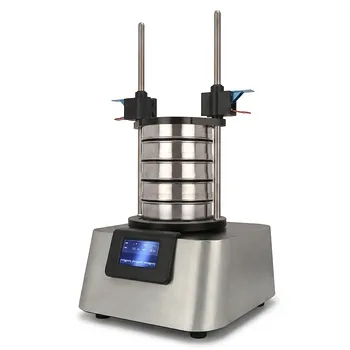
Vibratory Sieve Shaker Electromagnetic 3D Motion Powder Particle Size Analyzer for Dry and Wet Sieving
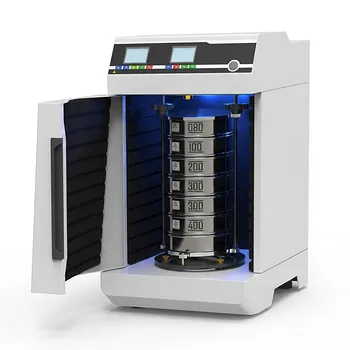
Laboratory Dry and Wet Three Dimensional Vibratory Sieve Shaker for Particle Analysis
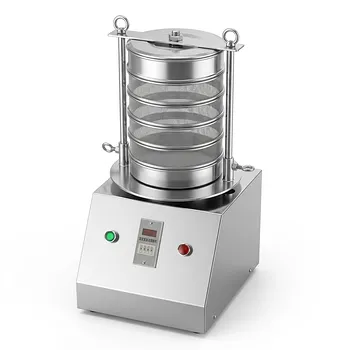
Stainless Steel Laboratory Vibratory Test Sieve Shaker
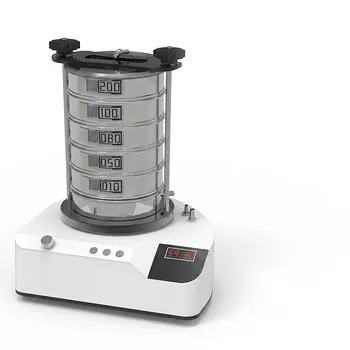
Heavy Duty Dry Three Dimensional Vibratory Sieve Shaker for Particle Separation
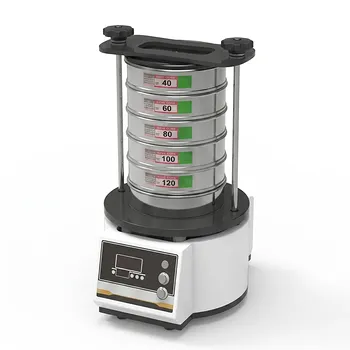
Dry Three Dimensional Vibratory Sieve Shaker
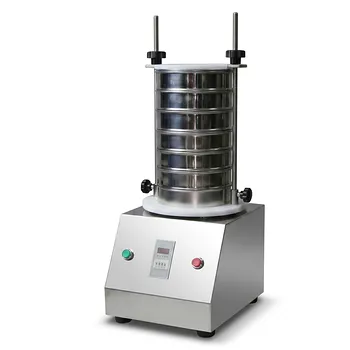
Small Laboratory Vibratory Sieve Shaker for Powder Gradation and Particle Size Analysis
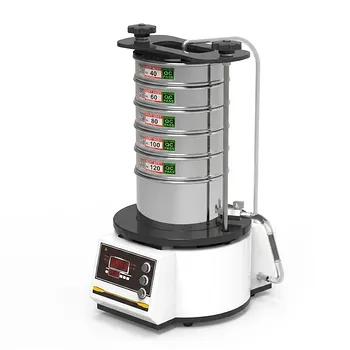
High Frequency Wet Three-Dimensional Vibrating Sieve Shaker for Dry and Wet Particle Size Analysis
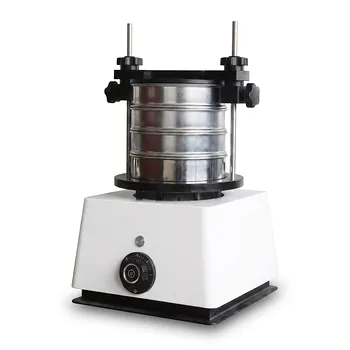
Small Laboratory Vibrating Sieve Shaker for Precise Particle Size Analysis
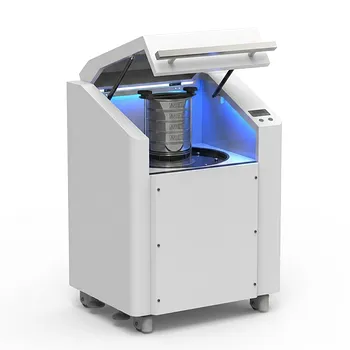
High Frequency Cabinet Type Three-Dimensional Rotary Vibrating Sieve Shaker for Dry Sieving and Particle Classification
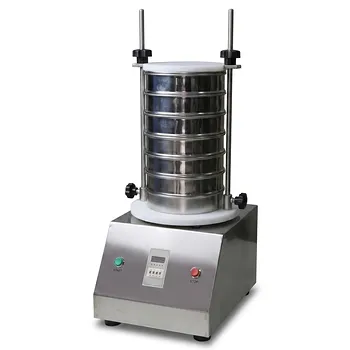
Laboratory Vibratory Test Sieve Shaker for Precision Particle Size Analysis and Powder Grading
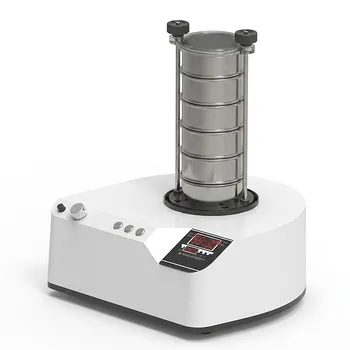
三维电磁微量振动筛分仪
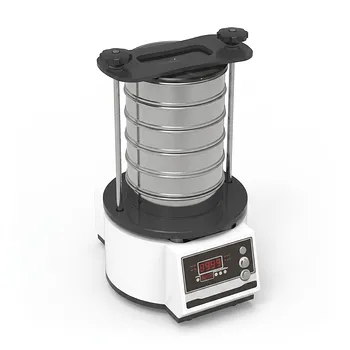
Tapping Oscillating Sieve Shaker for Dry and Wet Particle Size Analysis

Stainless Steel Rotary Vibrating Sieve High Precision Circular Vibratory Separator Industrial Powder Grading Machine Multi Layer Sifting Equipment
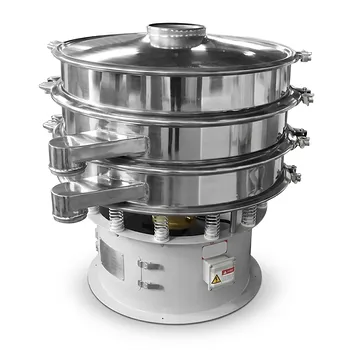
Three Dimensional Rotary Vibrating Sieve
Small Vibrating Ultrafine Grinder for Traditional Chinese Medicine
Automatic Vibrating Powder Feeder for Laboratory Material Processing Precision Vibratory Hopper Feeder for Granular and Powder Material Handling Industrial Grade Vibrating Tray Feeder for Consistent Material Sample Preparation
Vibratory Superfine Grinder for Ultra Fine Laboratory Powder Milling
Vibratory Disc Mill for Rapid Fine Grinding and High Throughput Sample Preparation of Hard and Brittle Materials