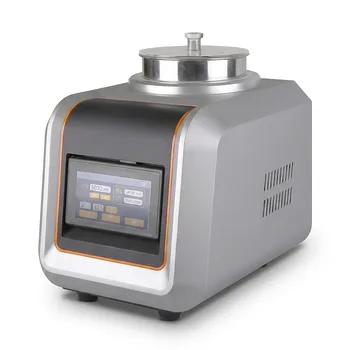
Why is a vibratory sieve shaker used in red brick production? Ensure Precise Particle Size for High-Strength Bricks
Updated 5 months ago
Precise particle size control is the primary driver. In the production of eco-friendly red bricks, a vibratory sieve shaker is used to ensure that raw materials and additives—specifically waste glass powder—achieve a strict particle size distribution, typically using 100 and 200 mesh sieves. This process ensures that fine particles disperse uniformly within the clay, acting as active admixtures that fill micropores to optimize the finished brick's density and waterproofing performance.
Core Takeaway: A vibratory sieve shaker transforms raw waste into a high-performance additive by ensuring precise grain size distribution. This mechanical grading is essential for creating a dense, stable microstructure that directly determines the brick's strength and resistance to environmental moisture.
Enhancing Microstructural Integrity
Filling Micropores for Maximum Density
The primary role of the sieve shaker is to isolate fine particles that can physically occupy the voids between larger clay grains.
By ensuring a high concentration of particles in the 100 to 200 mesh range, the material acts as a micro-filler. This reduction in porosity leads to a significantly denser brick body after the firing process.
Optimizing Waterproofing Performance
A brick with fewer internal voids is naturally more resistant to water penetration.
The precision of a vibratory shaker ensures that the "active admixtures," such as waste glass powder, are fine enough to create a sealed internal structure. This prevents capillary action, protecting the brick from moisture-related degradation over time.
Ensuring Material Uniformity and Reactivity
Achieving Uniform Dispersion
For eco-friendly bricks to maintain structural consistency, additives must be distributed evenly throughout the clay matrix.
Vibratory sieving eliminates oversized clusters that could create "weak spots" or structural defects. Uniformity ensures that the brick reacts predictably during firing, preventing warping or uneven shrinkage.
Enhancing Chemical Reactivity
Fine-grained materials have a higher surface-area-to-volume ratio, which increases their chemical reactivity.
In the case of waste glass powder, achieving a specific fineness allows it to function as a more effective fluxing agent. This promotes better vitrification at lower temperatures, saving energy while increasing the brick's final strength.
Precision Grading for Research and Repeatability
Calculating Uniformity and Curvature
Beyond simple filtering, sieve shakers allow producers to determine the Uniformity Coefficient (Cu) and the Curvature Coefficient (Cc) of the raw soil.
These metrics are vital for evaluating whether a soil type, such as laterite, is physically suitable for brick production. Without this data, the mixing ratios remain guesswork, leading to inconsistent product batches.
Managing Complex Additives
Modern eco-friendly bricks often incorporate varied materials like sawdust, granite dust, or rice husks to modify thermal properties.
A vibratory shaker with multiple layers of standard test sieves allows for the precise fractionation of these materials. This ensures that the thermal conductivity and porosity of the brick can be engineered to meet specific construction standards.
Understanding the Trade-offs
Precision vs. Throughput
While high-mesh sieving (e.g., 300 micrometers) produces a superior surface finish and denser core, it significantly increases processing time.
Manufacturers must balance the need for extreme fineness with the volume requirements of industrial-scale brick production. Excessive sieving can become a bottleneck in the raw material preparation stage.
Equipment Wear and Blinding
Vibratory shakers are subject to "blinding," where fine particles clog the mesh openings, especially when dealing with slightly moist clay or oily waste materials.
Continuous operation requires regular maintenance and the use of anti-blinding balls or ultrasonic attachments to maintain the accuracy of the particle size distribution. Failure to monitor mesh integrity can lead to "oversize" particles slipping into the mix, compromising the brick's quality.
Applying Sieving Standards to Your Production Goal
How to Choose Your Sieving Strategy
To achieve the best results in eco-friendly brick manufacturing, your sieving protocol should align with your primary performance metric.
- If your primary focus is Maximum Compressive Strength: Use a strict 200-mesh limit for all glass and mineral additives to ensure total pore-filling and optimal density.
- If your primary focus is Thermal Insulation: Utilize a wider range of sieves (up to 1000μm) to include graded organic matter like sawdust, which creates controlled porosity.
- If your primary focus is Cost-Effective Waterproofing: Focus on sieving waste glass powder to at least 100 mesh to ensure it acts as an effective vitrification agent during firing.
Precise mechanical sieving is the bridge between raw waste materials and high-performance, sustainable building products.
Summary Table:
| Key Function | Benefit to Eco-Friendly Bricks | Target Particle Size |
|---|---|---|
| Pore Filling | Maximizes density and compressive strength | 100 - 200 Mesh |
| Uniform Dispersion | Prevents structural defects and warping | Consistent fine grading |
| Chemical Reactivity | Enhances vitrification and saves energy | < 200 Mesh (Fine powder) |
| Grading Analysis | Calculates Uniformity (Cu) and Curvature (Cc) | Standardized Test Sieves |
| Waterproofing | Prevents capillary action and moisture damage | 100 Mesh minimum |
Optimize Your Material Preparation with Professional Lab Solutions
Achieving the perfect particle size distribution is critical for high-performance sustainable building materials. At our company, we provide complete laboratory sample preparation solutions for material science, specializing in high-precision powder processing and compaction equipment.
Whether you are refining waste glass for bricks or developing advanced ceramics, our extensive product line supports your entire R&D and production workflow:
- Sieving Excellence: Vibratory and air-jet sieve shakers with a full range of standardized test sieves.
- Powder Processing: Advanced crushers (jaw/roll) and a variety of mills (planetary ball, jet, and cryogenic grinders).
- Precision Mixing: High-efficiency powder and defoaming mixers for uniform material distribution.
- Advanced Compaction: A full spectrum of hydraulic presses, including Cold/Warm Isostatic Presses (CIP/WIP), vacuum hot presses, and XRF pellet presses.
Ready to enhance your material density and structural integrity? Contact our expert team today to find the ideal equipment configuration for your laboratory or production line!
References
- Irwinsyah Aprillio Putra Pratama, Shifa Fauziyah. Batu Bata Merah Ramah Lingkungan Menggunakan Bahan Campuran Abu Serbuk Kayu dan Serbuk Kaca. DOI: 10.14710/pilars.2.4.2024.1-8
Mentioned Products
- Vibratory Sieve Shaker Electromagnetic 3D Motion Powder Particle Size Analyzer for Dry and Wet Sieving
- Laboratory Dry and Wet Three Dimensional Vibratory Sieve Shaker for Particle Analysis
- Stainless Steel Laboratory Vibratory Test Sieve Shaker
- Heavy Duty Dry Three Dimensional Vibratory Sieve Shaker for Particle Separation
- Dry Three Dimensional Vibratory Sieve Shaker
People Also Ask
- How does a vibratory sieve shaker contribute to optimizing the performance of activated carbon? Enhance Adsorption Precision
- Why is a laboratory vibratory sieve shaker necessary for processing magnesium-based borate precursor powders? Boost Activity
- Why use a vibratory sieve shaker to verify coarse aggregate grading in rubberized concrete? Ensure Structural Integrity
- What function do vibratory sieve shakers and standard test sieves serve in the preparation of adsorbents? Key Guide
- What role does a vibratory sieve shaker play in the particle size analysis of ground corn products? Enhance QC Precision

Tech Team · PowderPreparation
Last updated on May 14, 2026
Related Products
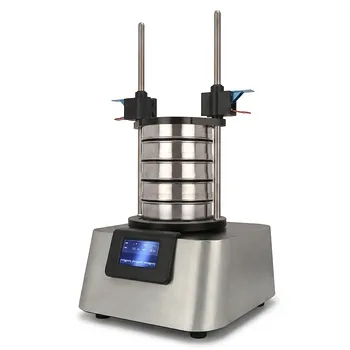
Vibratory Sieve Shaker Electromagnetic 3D Motion Powder Particle Size Analyzer for Dry and Wet Sieving
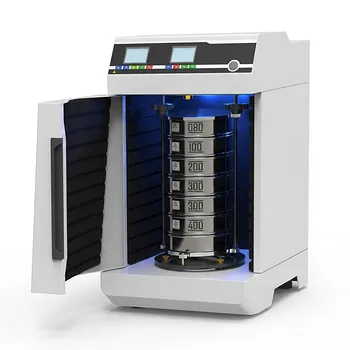
Laboratory Dry and Wet Three Dimensional Vibratory Sieve Shaker for Particle Analysis
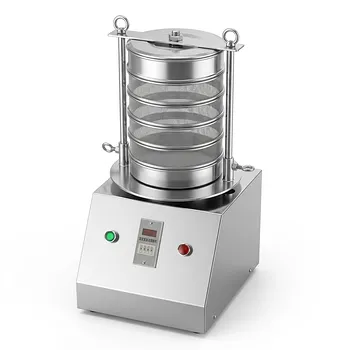
Stainless Steel Laboratory Vibratory Test Sieve Shaker
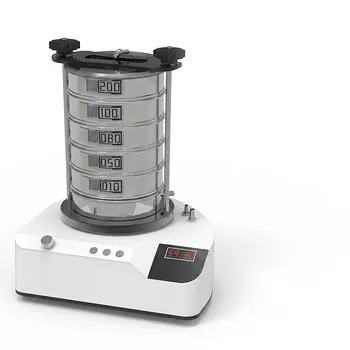
Heavy Duty Dry Three Dimensional Vibratory Sieve Shaker for Particle Separation
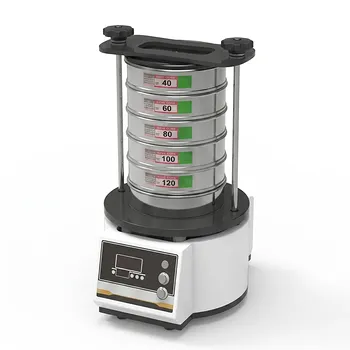
Dry Three Dimensional Vibratory Sieve Shaker
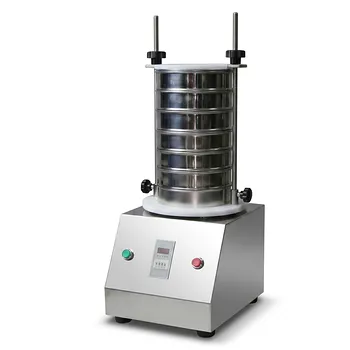
Small Laboratory Vibratory Sieve Shaker for Powder Gradation and Particle Size Analysis
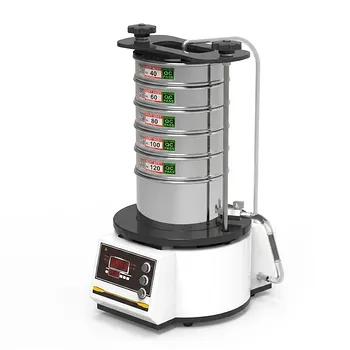
High Frequency Wet Three-Dimensional Vibrating Sieve Shaker for Dry and Wet Particle Size Analysis
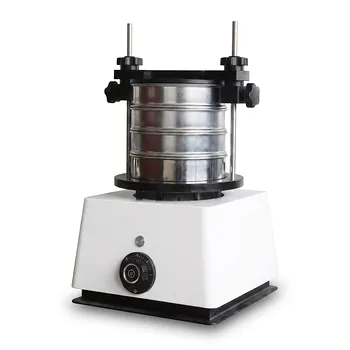
Small Laboratory Vibrating Sieve Shaker for Precise Particle Size Analysis
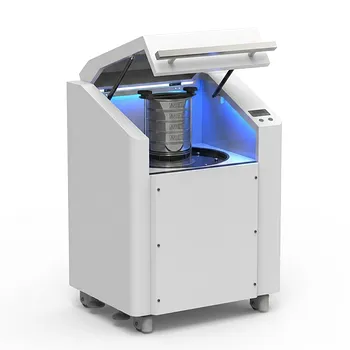
High Frequency Cabinet Type Three-Dimensional Rotary Vibrating Sieve Shaker for Dry Sieving and Particle Classification
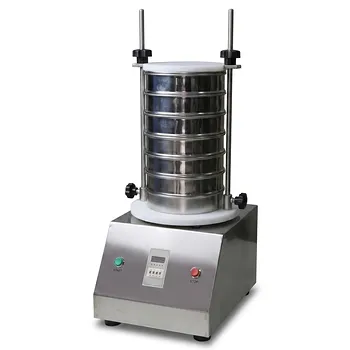
Laboratory Vibratory Test Sieve Shaker for Precision Particle Size Analysis and Powder Grading
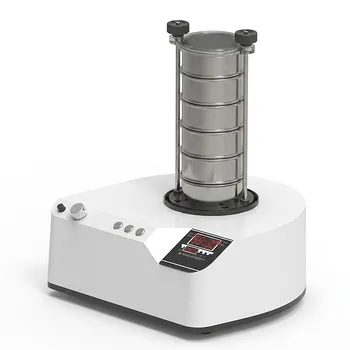
三维电磁微量振动筛分仪
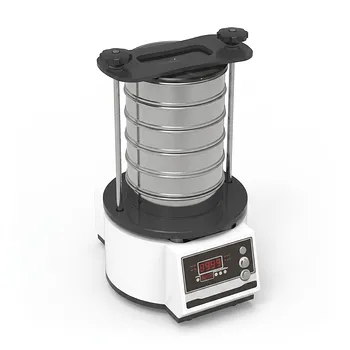
Tapping Oscillating Sieve Shaker for Dry and Wet Particle Size Analysis
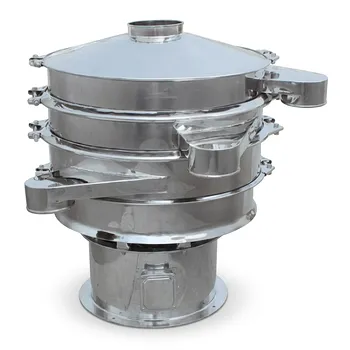
Stainless Steel Rotary Vibrating Sieve High Precision Circular Vibratory Separator Industrial Powder Grading Machine Multi Layer Sifting Equipment
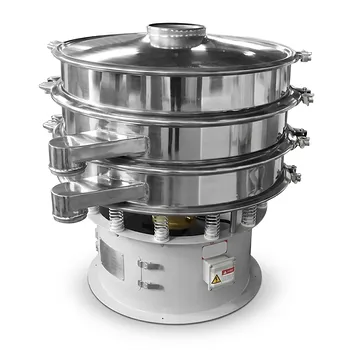
Three Dimensional Rotary Vibrating Sieve
Small Vibrating Ultrafine Grinder for Traditional Chinese Medicine
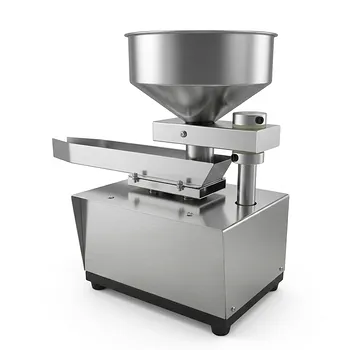
Automatic Vibrating Powder Feeder for Laboratory Material Processing Precision Vibratory Hopper Feeder for Granular and Powder Material Handling Industrial Grade Vibrating Tray Feeder for Consistent Material Sample Preparation
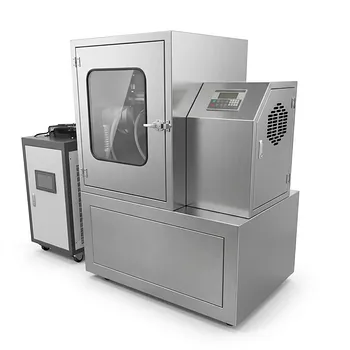
Vibratory Superfine Grinder for Ultra Fine Laboratory Powder Milling
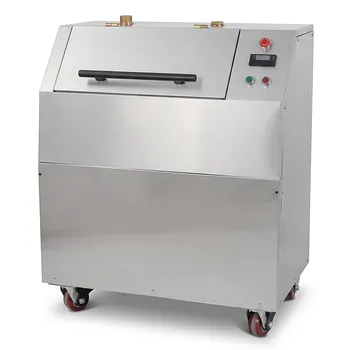
Vibratory Disc Mill for Rapid Fine Grinding and High Throughput Sample Preparation of Hard and Brittle Materials