How do laboratory vibratory sieve shakers and standard test sieves contribute to tailings characterization? Optimize Recovery
Updated 4 months ago
Laboratory vibratory sieve shakers and standard test sieves provide the physical foundation for tailings characterization by quantifying particle size distribution (PSD) through high-frequency mechanical separation. These tools allow engineers to determine critical metrics like the D80 indicator and fineness modulus, which are essential for selecting mineral processing methods such as flotation, gravity separation, or hydrometallurgical leaching.
Core Takeaway: Vibratory sieving transforms raw tailings samples into actionable data by standardizing the separation of particles into discrete fractions. This process is critical for evaluating mineral liberation, predicting recovery efficiency, and ensuring experimental repeatability in both industrial and research environments.
Precise Particle Size Distribution (PSD) Analysis
Defining Critical Indicators like D80
Laboratory vibratory sieve shakers utilize high-frequency mechanical vibration to categorize tailings into multi-layered fractions. This process allows for the precise calculation of the PSD curve, which identifies the D80—the sieve size through which 80% of the material passes.
Establishing Gradation Curves for Process Design
By providing a clear map of particle sizes, sieving assists in the selection of gravity separation or flotation processes. Understanding the gradation is fundamental to determining whether a material requires further crushing or if it is already optimized for chemical extraction.
Mineral Liberation and Recovery Optimization
Identifying Valuable Mineral Distribution
Technicians use test sieves to observe how valuable minerals, such as tin oxide (SnO2) or tantalum pentoxide (Ta2O5), are distributed across different grain sizes. This data guides the configuration of classification equipment and identifies which size fractions hold the highest economic potential.
Evaluating Liberation Degrees
Size classification is fundamental for evaluating the degree of mineral liberation within manganese ore tailings or similar materials. This evaluation directly determines the recovery efficiency expected in subsequent heavy liquid separation or magnetic processes.
Downstream Process Compatibility
Assessing Fineness for Hydrometallurgy and Leaching
For flotation tailings, sieving determines the proportion of particles smaller than 75 micrometers, which is a critical threshold for hydrometallurgical leaching. This precise grading ensures the solid particles have sufficient contact area with the leaching solution for processes like ozone-assisted leaching.
Foundation for Industrial Dewatering Equipment
Micro-precision wet sieving (ranging from 0.400 mm to 0.056 mm) provides the physical data needed to select industrial dewatering equipment. Determining the optimal process parameters for moisture removal relies entirely on the initial particle size characterization.
Characterizing Tailings for Construction Materials
In the development of iron ore tailings mortar, vibratory shakers determine the fineness modulus of fine aggregates. This allows researchers to study how iron ore tailings can effectively substitute for river sand in sustainable construction applications.
Research Precision and Material Consistency
Standardizing Sieve Shaker Energy
Using mechanical vibratory shakers instead of manual operation significantly reduces human error and guarantees experiment repeatability. Controllable frequencies and intensities ensure that tailings move sufficiently within the sieve stack to achieve a true separation based on particle size.
Evaluating Environmental Impact
Sieving accurately classifies ball-milled powders into specific ranges, such as less than 20 micrometers, to ensure sample uniformity. This physical classification allows researchers to evaluate the bioavailability and remediation effects of heavy metals within specific particle size fractions.
Understanding the Trade-offs
Sensitivity to Particle Shape
While vibratory sieving is highly effective for spherical or cubic particles, it can struggle with elongated or needle-like particles. These shapes may pass through the mesh end-first, potentially skewing the distribution data toward a finer result than what is physically accurate.
Lower Size Limits and Blinding
Standard dry sieving often faces challenges with very fine particles (below 45–75 micrometers) due to electrostatic forces or mesh blinding. In these instances, technicians must switch to wet sieving or specialized micro-sieving techniques to maintain accuracy and prevent the screen from clogging.
How to Apply This to Your Project
To maximize the value of tailings characterization, align your sieving strategy with your primary processing goal.
- If your primary focus is mineral recovery: Use a nested stack of sieves to identify exactly which size fractions contain the highest concentration of valuable minerals to optimize your crushing circuit.
- If your primary focus is environmental remediation: Prioritize the analysis of the finest fractions (sub-20 micrometers), as these typically have the highest surface area and the greatest impact on heavy metal bioavailability.
- If your primary focus is construction material reuse: Focus on determining the fineness modulus to ensure the tailings' gradation matches the requirements for high-strength mortar or concrete.
By standardizing particle size analysis, you bridge the gap between raw waste material and predictable industrial performance.
Summary Table:
| Application Area | Key Metric/Process | Benefit of Sieving |
|---|---|---|
| Mineral Processing | D80 & PSD Curve | Optimizes crushing/grinding and flotation circuit design. |
| Recovery Efficiency | Liberation Degree | Identifies economic potential in specific grain size fractions. |
| Hydrometallurgy | <75μm Fraction | Ensures optimal contact area for efficient chemical leaching. |
| Construction Reuse | Fineness Modulus | Determines suitability for tailings-based mortar and aggregates. |
| Environmental Lab | Bioavailability | Classifies fine particles to assess heavy metal impact. |
Elevate Your Tailings Analysis with Precision Equipment
At [Brand Name], we provide complete laboratory sample preparation solutions for material science, specializing in advanced powder processing and compaction equipment. Whether you are optimizing mineral recovery or characterizing tailings for environmental remediation, our high-performance vibratory sieve shakers and air-jet sieves ensure repeatable, industry-standard results.
Our extensive product lines are designed to support your entire research workflow, including:
- Milling & Grinding: Planetary ball mills, jet mills, and liquid nitrogen cryogenic grinders.
- Sieving & Classification: Vibratory shakers and a full range of precision test sieves.
- Powder Compaction: A full spectrum of hydraulic presses, including Cold/Warm Isostatic Presses (CIP/WIP), vacuum hot presses, and XRF pellet presses.
- Mixing: High-efficiency powder mixers and vacuum defoaming mixers.
Don't let inaccurate data hinder your process design. Contact our experts today to find the perfect equipment for your material science applications!
References
- Jane Mulenshi, Jan Rosenkranz. Characterization and Beneficiation Options for Tungsten Recovery from Yxsjöberg Historical Ore Tailings. DOI: 10.3390/pr7120895
Mentioned Products
- Vibratory Sieve Shaker Electromagnetic 3D Motion Powder Particle Size Analyzer for Dry and Wet Sieving
- Laboratory Dry and Wet Three Dimensional Vibratory Sieve Shaker for Particle Analysis
- Stainless Steel Laboratory Vibratory Test Sieve Shaker
- Heavy Duty Dry Three Dimensional Vibratory Sieve Shaker for Particle Separation
- Dry Three Dimensional Vibratory Sieve Shaker
People Also Ask
- How does a vibratory sieve shaker contribute to optimizing the performance of activated carbon? Enhance Adsorption Precision
- Why is a laboratory vibratory sieve shaker necessary for processing magnesium-based borate precursor powders? Boost Activity
- Why use a vibratory sieve shaker to verify coarse aggregate grading in rubberized concrete? Ensure Structural Integrity
- What function do vibratory sieve shakers and standard test sieves serve in the preparation of adsorbents? Key Guide
- What role does a vibratory sieve shaker play in the particle size analysis of ground corn products? Enhance QC Precision

Tech Team · PowderPreparation
Last updated on Jun 03, 2026
Related Products
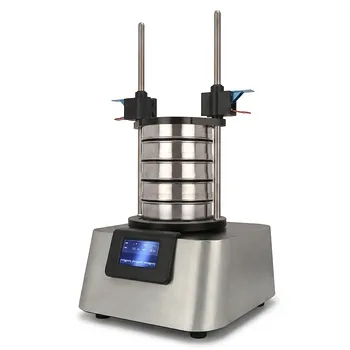
Vibratory Sieve Shaker Electromagnetic 3D Motion Powder Particle Size Analyzer for Dry and Wet Sieving
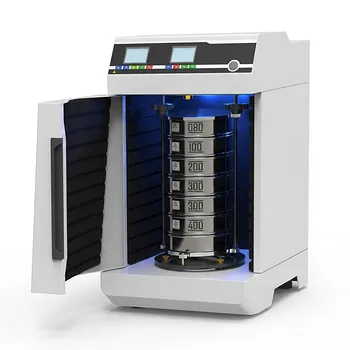
Laboratory Dry and Wet Three Dimensional Vibratory Sieve Shaker for Particle Analysis
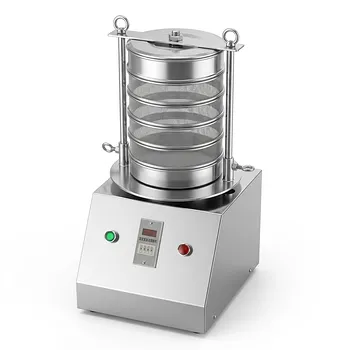
Stainless Steel Laboratory Vibratory Test Sieve Shaker
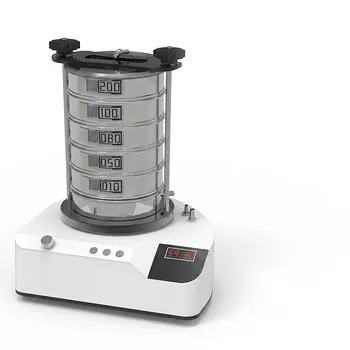
Heavy Duty Dry Three Dimensional Vibratory Sieve Shaker for Particle Separation
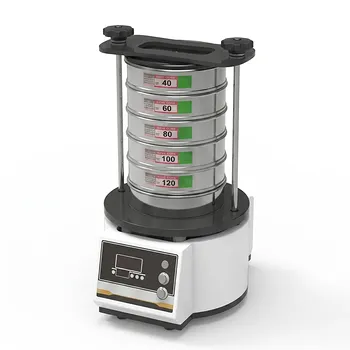
Dry Three Dimensional Vibratory Sieve Shaker
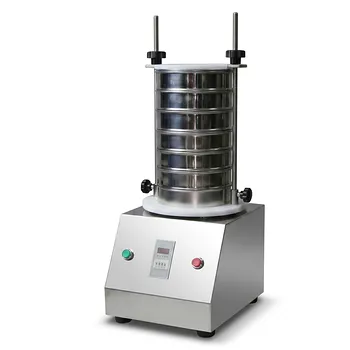
Small Laboratory Vibratory Sieve Shaker for Powder Gradation and Particle Size Analysis
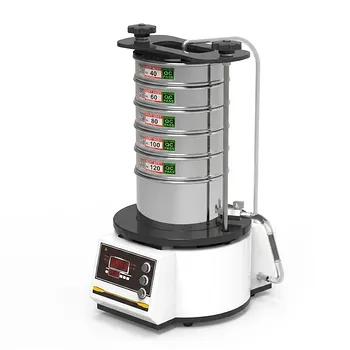
High Frequency Wet Three-Dimensional Vibrating Sieve Shaker for Dry and Wet Particle Size Analysis
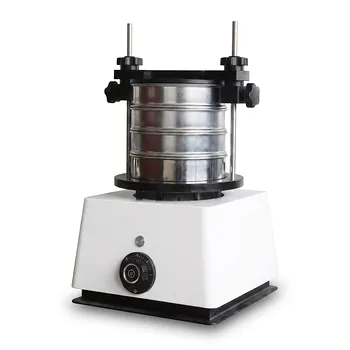
Small Laboratory Vibrating Sieve Shaker for Precise Particle Size Analysis
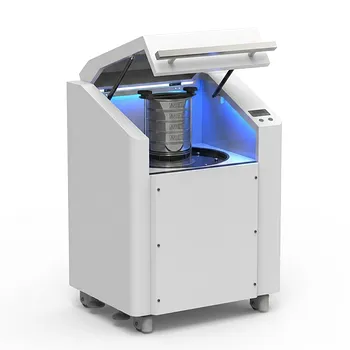
High Frequency Cabinet Type Three-Dimensional Rotary Vibrating Sieve Shaker for Dry Sieving and Particle Classification
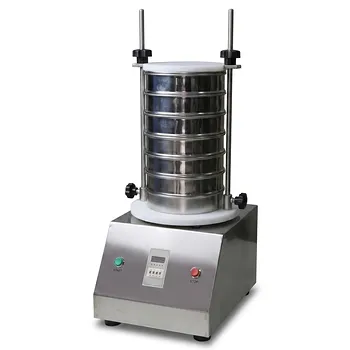
Laboratory Vibratory Test Sieve Shaker for Precision Particle Size Analysis and Powder Grading
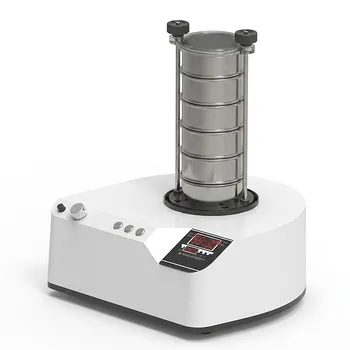
三维电磁微量振动筛分仪
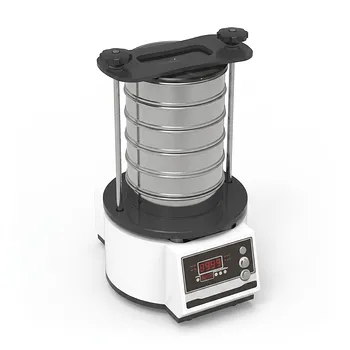
Tapping Oscillating Sieve Shaker for Dry and Wet Particle Size Analysis
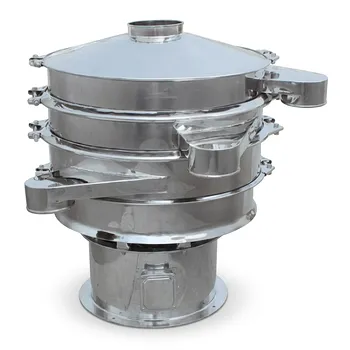
Stainless Steel Rotary Vibrating Sieve High Precision Circular Vibratory Separator Industrial Powder Grading Machine Multi Layer Sifting Equipment
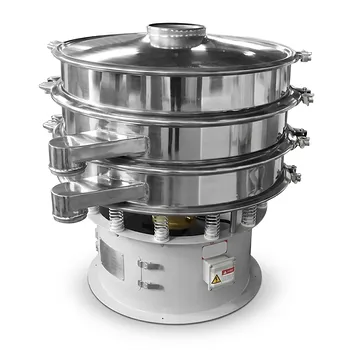
Three Dimensional Rotary Vibrating Sieve
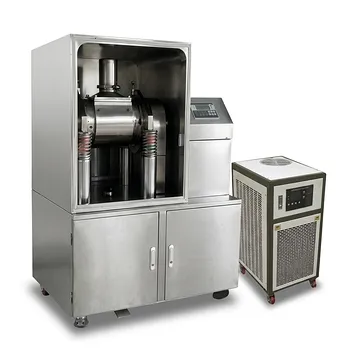
Small Vibrating Ultrafine Grinder for Traditional Chinese Medicine
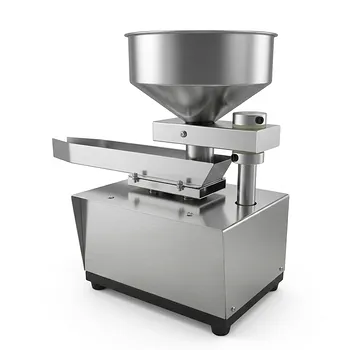
Automatic Vibrating Powder Feeder for Laboratory Material Processing Precision Vibratory Hopper Feeder for Granular and Powder Material Handling Industrial Grade Vibrating Tray Feeder for Consistent Material Sample Preparation
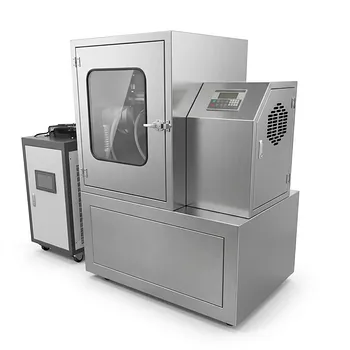
Vibratory Superfine Grinder for Ultra Fine Laboratory Powder Milling
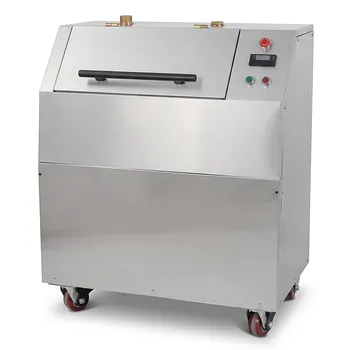
Vibratory Disc Mill for Rapid Fine Grinding and High Throughput Sample Preparation of Hard and Brittle Materials