Why is a vibratory sieve shaker used before the grinding process of phosphate ore? Optimize Efficiency and Yield
Updated 4 months ago
A vibratory sieve shaker is primarily used before phosphate ore grinding to standardize the feed size and eliminate variables that compromise grinding efficiency. By extracting precise particle size fractions—such as the -5+3mm range—operators can prevent the formation of "slimes" (ultra-fine waste) and ensure that subsequent experimental or industrial data is not skewed by initial material inconsistencies. This pre-screening step ensures that the grinding energy is applied uniformly to a known material profile.
Core Takeaway: Pre-grinding sieving transforms inconsistent raw ore into a controlled feed, which is essential for optimizing mill energy consumption, preventing over-grinding, and ensuring the accuracy of downstream mineral recovery processes.
Enhancing Grinding Performance and Efficiency
Eliminating Feed Size Variability
Raw crushed phosphate ore is naturally inconsistent, containing a mix of large chunks and fine dust. Using a vibratory sieve shaker to isolate a specific fraction ensures the grinding mill operates on a uniform material. This standardization is critical for accurately evaluating how different grinding parameters affect the final product.
Minimizing Slime Formation
If material that is already small enough enters the grinding process, it is often reduced to "slimes" or ultra-fine particles. These slimes are detrimental to flotation recovery, as they interfere with chemical reagents and reduce phosphorus yield. Pre-sieving removes these fines early, protecting the quality of the final concentrate.
Optimizing Energy Consumption
Grinding is one of the most energy-intensive stages in ore processing. By providing a consistent feed size, operators can precisely tune rotor speeds and screen apertures. This alignment ensures the mill performs only the necessary work, significantly reducing electrical waste and mechanical wear.
Supporting Downstream Recovery and Research
Identifying Optimal Liberation Size
A vibratory sieve shaker helps researchers determine the optimal liberation size—the point at which phosphate minerals are successfully separated from waste rock. By analyzing the mass percentage of different size levels before grinding, engineers can set the ideal parameters for the entire enrichment circuit.
Ensuring Experimental Reproducibility
In a laboratory setting, small variations in particle size can lead to massive errors in leaching efficiency or flotation kinetics. Using a shaker to classify raw materials ensures that every test batch is identical. This rigor is the only way to prove that changes in results are due to process adjustments rather than raw material fluctuations.
Analyzing Impurity Distribution
Vibratory sieving allows for the physical separation of ore into distinct fractions for chemical analysis. This is essential for studying how potential toxic metals (PTMs) or other impurities are distributed across different size groups. Understanding this distribution helps in designing more effective cleaning and enrichment stages.
Understanding the Trade-offs and Limitations
Throughput vs. Precision
While a vibratory sieve shaker provides high-precision separation, it can become a bottleneck in high-volume industrial operations. Maintaining extreme precision often requires longer vibration durations or smaller batch sizes, which must be balanced against the need for high-speed production.
The Risk of Sieve Blinding
Phosphate ore can sometimes be damp or contain clay-like materials that clog the sieve mesh, a phenomenon known as blinding. If the sieves are not properly maintained or if the vibration frequency is incorrectly set, the accuracy of the classification drops significantly.
Equipment Wear and Calibration
Vibratory shakers are precision instruments that require regular calibration and mesh inspection. Over time, the mechanical stress of vibration can alter the mesh apertures, leading to "oversize" material leaking into the grinding feed and undermining the purpose of the pre-screening process.
Strategic Application Based on Your Objectives
How to Apply This to Your Project
- If your primary focus is maximizing phosphorus recovery: Use the shaker to identify and remove the smallest fractions before grinding to prevent the loss of minerals to slimes.
- If your primary focus is reducing operational costs: Utilize particle size distribution data from the shaker to optimize your mill's rotor speed and reduce unnecessary energy draw.
- If your primary focus is research and development: Employ high-precision standard test sieves to ensure a uniform average particle size, thereby eliminating feed variability as a source of experimental error.
- If your primary focus is environmental compliance: Use the shaker to isolate specific size fractions to map the distribution of toxic metals and design targeted removal strategies.
Standardizing the feed size through vibratory sieving is the foundational step for any efficient, predictable, and high-yielding phosphate processing operation.
Summary Table:
| Key Benefit | Primary Function | Impact on Process |
|---|---|---|
| Feed Standardization | Isolates specific fractions (e.g., -5+3mm) | Ensures uniform grinding and reproducible data. |
| Slime Prevention | Removes existing ultra-fines before milling | Protects flotation recovery and mineral yield. |
| Energy Efficiency | Aligns feed size with mill parameters | Reduces electrical waste and mechanical wear. |
| Impurity Mapping | Classifies ore for chemical analysis | Identifies distribution of toxic metals (PTMs). |
| Process Research | Determines optimal liberation size | Essential for designing enrichment circuits. |
Elevate Your Material Research with Expert Sample Prep Solutions
Precision in material science starts with the right equipment. At our core, we provide complete laboratory sample preparation solutions tailored for powder processing and compaction. Whether you are optimizing phosphate ore recovery or developing advanced materials, our high-performance equipment ensures consistency and accuracy at every stage.
Our extensive product lines include:
- Crushing & Grinding: Jaw and roll crushers, liquid nitrogen cryogenic grinders, and advanced mills (planetary ball, jet, sand/bead, disc, rotor).
- Particle Analysis: High-precision vibratory and air-jet sieve shakers with a wide range of test sieves.
- Mixing & Homogenization: Industrial-grade powder mixers and vacuum defoaming mixers.
- Advanced Compaction: A full spectrum of hydraulic presses, from standard lab and XRF pellet presses to Cold/Warm Isostatic Presses (CIP/WIP) and vacuum hot presses.
Ready to eliminate variables and maximize your lab's efficiency? Contact our technical specialists today for a custom solution.
References
- Gamal S. Abdelhaffez, Mohammed A. Hefni. CONTROLLING GRINDING PROCESS PARAMETERS USING CENTRAL COMPOSITE DESIGN TO REDUCE SLIMES IN PHOSPHATE ORE BENEFICIATION. DOI: 10.17794/rgn.2022.3.11
Mentioned Products
- Vibratory Sieve Shaker Electromagnetic 3D Motion Powder Particle Size Analyzer for Dry and Wet Sieving
- Laboratory Dry and Wet Three Dimensional Vibratory Sieve Shaker for Particle Analysis
- Dry Three Dimensional Vibratory Sieve Shaker
- Stainless Steel Laboratory Vibratory Test Sieve Shaker
- Heavy Duty Dry Three Dimensional Vibratory Sieve Shaker for Particle Separation
People Also Ask
- How does a vibratory sieve shaker contribute to optimizing the performance of activated carbon? Enhance Adsorption Precision
- Why is a laboratory vibratory sieve shaker necessary for processing magnesium-based borate precursor powders? Boost Activity
- Why use a vibratory sieve shaker to verify coarse aggregate grading in rubberized concrete? Ensure Structural Integrity
- What function do vibratory sieve shakers and standard test sieves serve in the preparation of adsorbents? Key Guide
- What role does a vibratory sieve shaker play in the particle size analysis of ground corn products? Enhance QC Precision

Tech Team · PowderPreparation
Last updated on Jun 03, 2026
Related Products
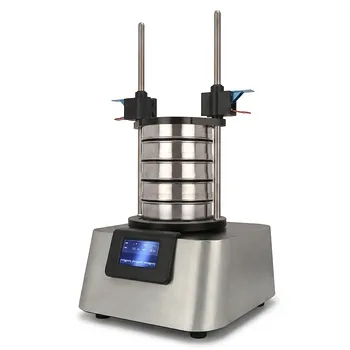
Vibratory Sieve Shaker Electromagnetic 3D Motion Powder Particle Size Analyzer for Dry and Wet Sieving
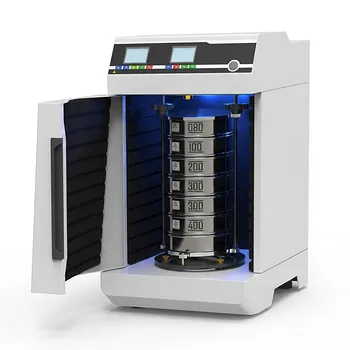
Laboratory Dry and Wet Three Dimensional Vibratory Sieve Shaker for Particle Analysis
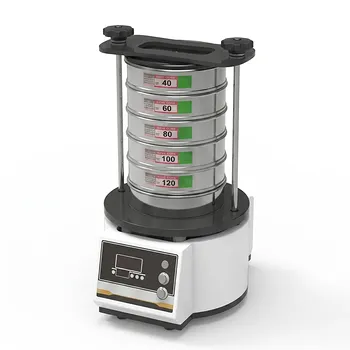
Dry Three Dimensional Vibratory Sieve Shaker
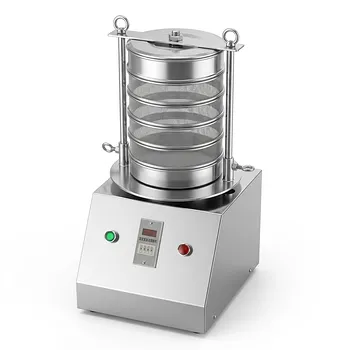
Stainless Steel Laboratory Vibratory Test Sieve Shaker
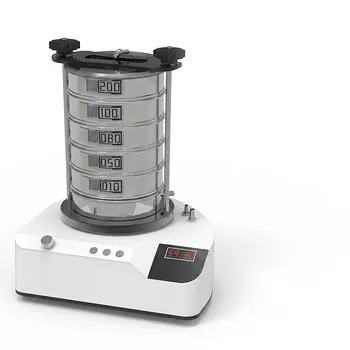
Heavy Duty Dry Three Dimensional Vibratory Sieve Shaker for Particle Separation
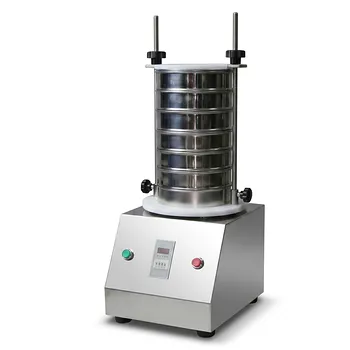
Small Laboratory Vibratory Sieve Shaker for Powder Gradation and Particle Size Analysis
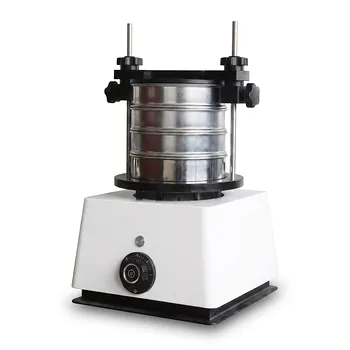
Small Laboratory Vibrating Sieve Shaker for Precise Particle Size Analysis
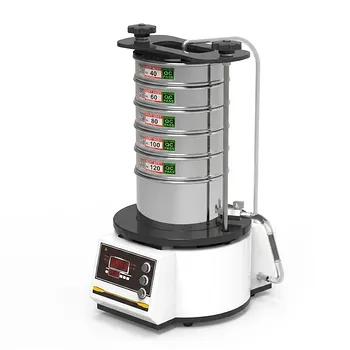
High Frequency Wet Three-Dimensional Vibrating Sieve Shaker for Dry and Wet Particle Size Analysis
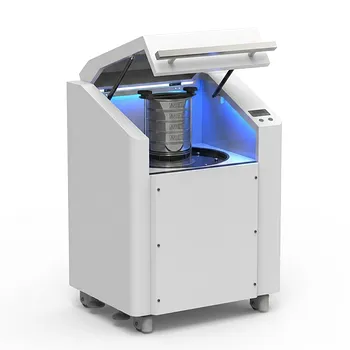
High Frequency Cabinet Type Three-Dimensional Rotary Vibrating Sieve Shaker for Dry Sieving and Particle Classification
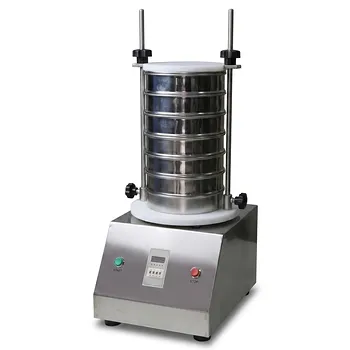
Laboratory Vibratory Test Sieve Shaker for Precision Particle Size Analysis and Powder Grading
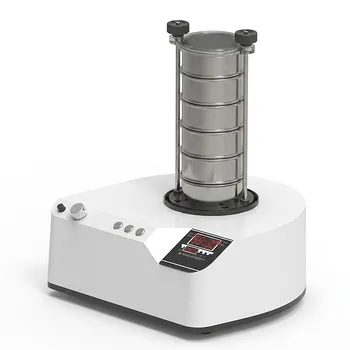
三维电磁微量振动筛分仪
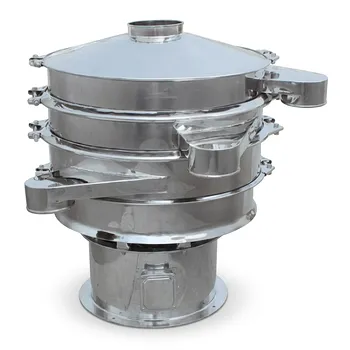
Stainless Steel Rotary Vibrating Sieve High Precision Circular Vibratory Separator Industrial Powder Grading Machine Multi Layer Sifting Equipment
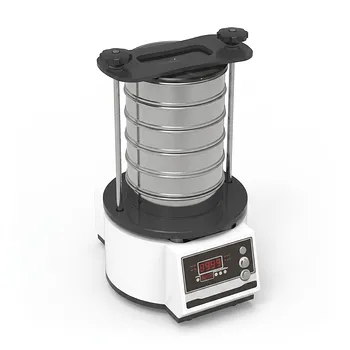
Tapping Oscillating Sieve Shaker for Dry and Wet Particle Size Analysis
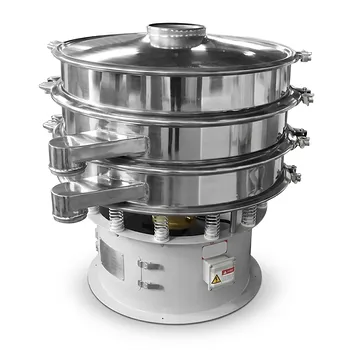
Three Dimensional Rotary Vibrating Sieve
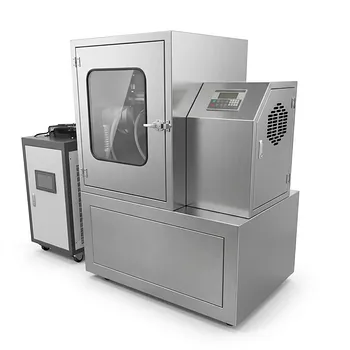
Vibratory Superfine Grinder for Ultra Fine Laboratory Powder Milling
Small Vibrating Ultrafine Grinder for Traditional Chinese Medicine
Automatic Vibrating Powder Feeder for Laboratory Material Processing Precision Vibratory Hopper Feeder for Granular and Powder Material Handling Industrial Grade Vibrating Tray Feeder for Consistent Material Sample Preparation