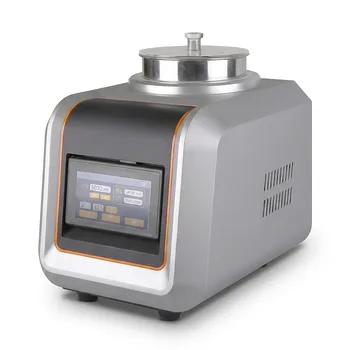
Why is a vibratory sieve shaker required for analyzing calcined marble waste mud catalysts? Precise Particle Control
Updated 5 months ago
Achieving precise catalyst performance in biodiesel production depends entirely on the physical characteristics of the catalyst powder. A vibratory sieve shaker is required to determine the particle size distribution of calcined marble waste mud, ensuring the material reaches a specific fineness, such as an average diameter of 0.09mm. This measurement is critical because the particle size directly dictates the specific surface area and dispersion of the catalyst, which are the primary factors governing the overall reaction rate and efficiency.
The vibratory sieve shaker acts as a quality control gateway, ensuring that the calcined waste mud is ground to a specific, uniform fineness. This uniformity maximizes the available active sites for chemical reactions and prevents the catalyst from settling, which is essential for maintaining a stable and rapid reaction environment.
The Critical Link Between Particle Size and Chemical Efficiency
Maximizing Specific Surface Area
The chemical activity of a catalyst is a function of its exposed surface area. Smaller particle sizes, verified by the sieve shaker, provide a higher surface-area-to-volume ratio, offering more active sites for the biodiesel reaction to occur.
Enhancing Dispersion and Stability
In a liquid reaction system, larger particles tend to settle at the bottom of the reactor, becoming ineffective. By ensuring the catalyst is sufficiently fine (typically below 0.1 mm), the shaker helps guarantee dispersion stability, keeping the particles suspended and active throughout the medium.
Reducing Internal Diffusion Resistance
Fine particles reduce the distance reactants must travel to reach the internal active sites of the catalyst. This reduction in diffusion resistance allows for faster chemical exchanges, which significantly accelerates the production process.
Ensuring Consistency through Standardized Grading
Optimizing the Grinding Process
Sieve analysis provides a quantitative mass percentage of material at various size levels. This data is used to calibrate grinding equipment, allowing operators to adjust rotor speeds and screen apertures to achieve the ideal particle output.
Preventing Particle Size Segregation
Vibratory shakers use standardized mechanical motion to prevent particles from clumping or segregating by size. This ensures that the samples taken for analysis are truly representative of the entire batch, which is vital for maintaining physical and mineralogical homogeneity.
Improving Thermal Consistency
For catalysts undergoing further carbonization or activation, uniformity is essential for heat transfer efficiency. Consistent particle sizes ensure that every grain of the marble waste mud reacts at the same rate when exposed to heat in a furnace, preventing under-processed or over-processed material.
Understanding the Technical Trade-offs
Risk of Mesh Blinding
When analyzing very fine catalyst powders, particles can become lodged in the sieve openings, a phenomenon known as blinding. While vibratory action helps, extremely fine or moisture-sensitive powders may require specialized "throw-action" shakers or anti-blinding aids to maintain accuracy.
Physical Limits of Mechanical Sifting
While highly effective for particles down to approximately 45 microns, mechanical sifting has limitations at the sub-micron level. If the catalyst design requires particles significantly smaller than the standard mesh sizes, supplementary methods like laser diffraction may be necessary to augment the sieve data.
Reproducibility and Calibration
The accuracy of the analysis depends on reproducible digital settings. If the vibration frequency or duration is not strictly controlled, the results will vary between batches, leading to inconsistent catalyst performance despite identical grinding protocols.
Applying Sieve Analysis to Your Production Goal
How to Apply This to Your Catalyst Project
- If your primary focus is maximizing reaction speed: Use the sieve shaker to target the finest possible particle fraction (e.g., <0.09mm) to ensure the highest specific surface area and lowest diffusion resistance.
- If your primary focus is process cost-efficiency: Use the distribution data to find the "sweet spot" where grinding energy consumption is minimized while still meeting the minimum threshold for dispersion stability.
- If your primary focus is quality assurance and reliability: Implement a standardized vibration protocol and digital settings to ensure every batch of calcined waste mud meets the exact physical specifications required for construction or industrial use.
Precise particle size control through vibratory sieving transforms raw marble waste into a predictable, high-performance catalyst that ensures chemical reaction consistency and stability.
Summary Table:
| Key Parameter | Impact on Catalyst Performance | Role of Vibratory Sieve Shaker |
|---|---|---|
| Particle Size (<0.09mm) | Increases specific surface area and active sites. | Verifies the fineness required for high reaction rates. |
| Dispersion Stability | Prevents catalyst settling in liquid reaction media. | Ensures uniformity to keep particles suspended and active. |
| Diffusion Resistance | Accelerates chemical exchange during production. | Controls size to shorten reactant travel distance. |
| Thermal Consistency | Prevents under-processing during carbonization. | Guarantees even heat transfer across all particles. |
| Grinding Calibration | Minimizes energy consumption and equipment wear. | Provides the data needed to adjust mill rotor speeds. |
Elevate Your Material Research with Precision Sample Preparation
Achieving consistent catalyst performance starts with the right equipment. PrecisionLab Solutions provides complete laboratory sample preparation solutions for material science, specializing in high-performance powder processing and compaction.
Whether you are processing raw calcined waste or developing advanced biodiesel catalysts, our extensive product line supports every stage of your workflow:
- Size Reduction: Jaw and roll crushers, liquid nitrogen cryogenic grinders, and high-efficiency mills (planetary ball, jet, sand/bead, disc, and rotor).
- Particle Analysis: Advanced vibratory and air-jet sieve shakers with a full range of standardized test sieves.
- Mixing & Homogenization: Specialized powder mixers and vacuum defoaming mixers.
- Material Compaction: A full spectrum of hydraulic presses, including Cold/Warm Isostatic Presses (CIP/WIP), XRF pellet presses, and vacuum hot presses.
Our equipment is designed to ensure the reproducibility and accuracy your research demands. Contact our technical experts today to discuss your specific application and find the ideal solution for your laboratory.
References
- K.A.M. El-Naggar, Eman M. Abdel Hamid. Valorization of marble sludge waste in biodiesel production using a central composite design. DOI: 10.1038/s41598-024-77819-3
Mentioned Products
- Vibratory Sieve Shaker Electromagnetic 3D Motion Powder Particle Size Analyzer for Dry and Wet Sieving
- Laboratory Dry and Wet Three Dimensional Vibratory Sieve Shaker for Particle Analysis
- Stainless Steel Laboratory Vibratory Test Sieve Shaker
- Heavy Duty Dry Three Dimensional Vibratory Sieve Shaker for Particle Separation
- Dry Three Dimensional Vibratory Sieve Shaker
People Also Ask
- How does a vibratory sieve shaker contribute to optimizing the performance of activated carbon? Enhance Adsorption Precision
- Why is a laboratory vibratory sieve shaker necessary for processing magnesium-based borate precursor powders? Boost Activity
- Why use a vibratory sieve shaker to verify coarse aggregate grading in rubberized concrete? Ensure Structural Integrity
- What function do vibratory sieve shakers and standard test sieves serve in the preparation of adsorbents? Key Guide
- What role does a vibratory sieve shaker play in the particle size analysis of ground corn products? Enhance QC Precision

Tech Team · PowderPreparation
Last updated on May 14, 2026
Related Products
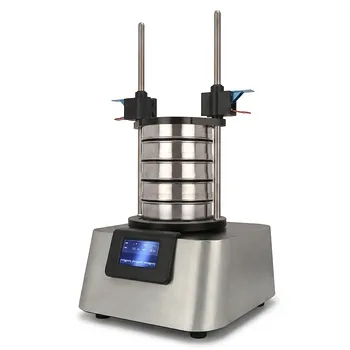
Vibratory Sieve Shaker Electromagnetic 3D Motion Powder Particle Size Analyzer for Dry and Wet Sieving
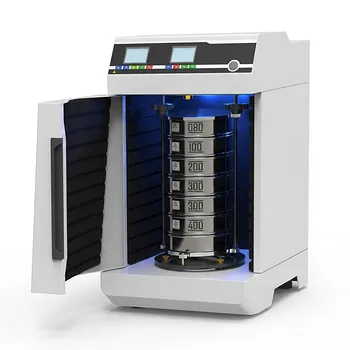
Laboratory Dry and Wet Three Dimensional Vibratory Sieve Shaker for Particle Analysis
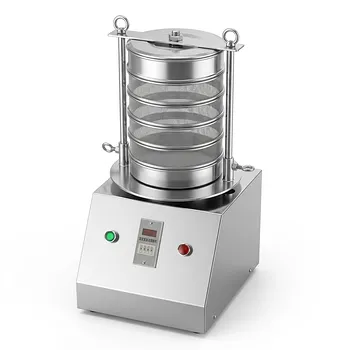
Stainless Steel Laboratory Vibratory Test Sieve Shaker
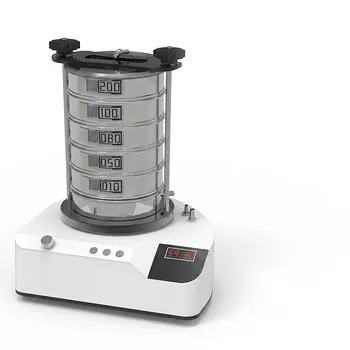
Heavy Duty Dry Three Dimensional Vibratory Sieve Shaker for Particle Separation
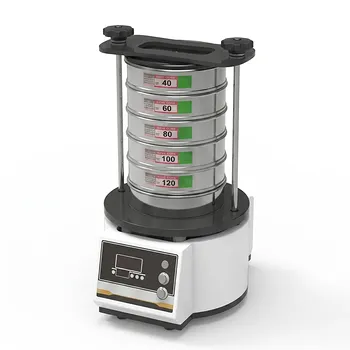
Dry Three Dimensional Vibratory Sieve Shaker
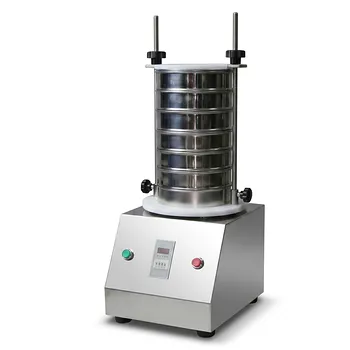
Small Laboratory Vibratory Sieve Shaker for Powder Gradation and Particle Size Analysis
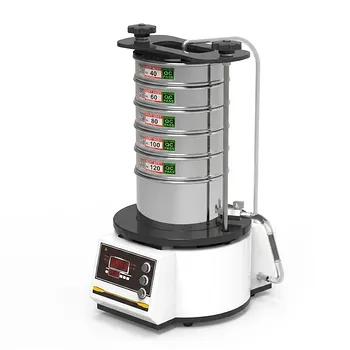
High Frequency Wet Three-Dimensional Vibrating Sieve Shaker for Dry and Wet Particle Size Analysis
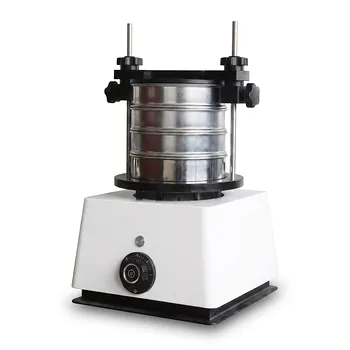
Small Laboratory Vibrating Sieve Shaker for Precise Particle Size Analysis
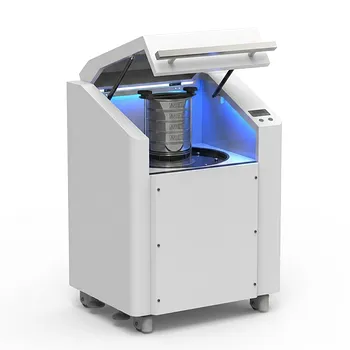
High Frequency Cabinet Type Three-Dimensional Rotary Vibrating Sieve Shaker for Dry Sieving and Particle Classification
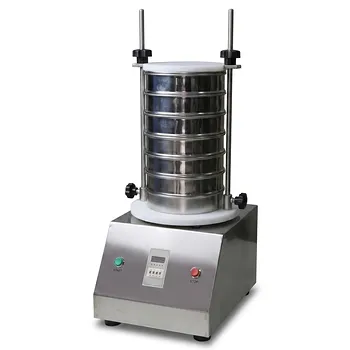
Laboratory Vibratory Test Sieve Shaker for Precision Particle Size Analysis and Powder Grading
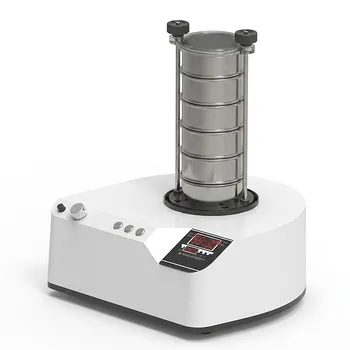
三维电磁微量振动筛分仪
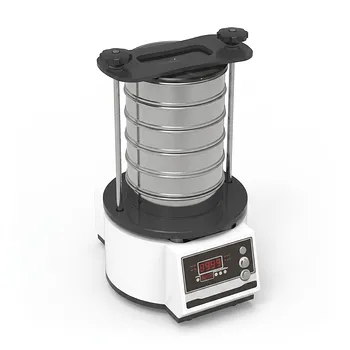
Tapping Oscillating Sieve Shaker for Dry and Wet Particle Size Analysis
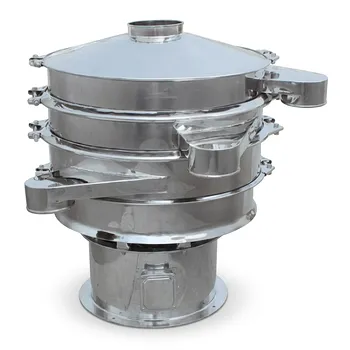
Stainless Steel Rotary Vibrating Sieve High Precision Circular Vibratory Separator Industrial Powder Grading Machine Multi Layer Sifting Equipment
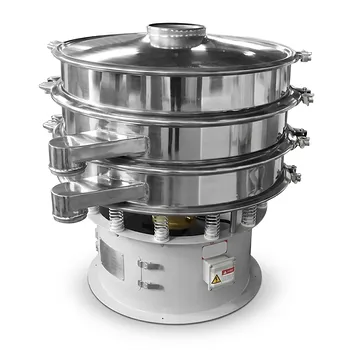
Three Dimensional Rotary Vibrating Sieve
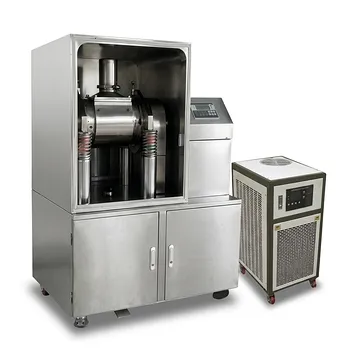
Small Vibrating Ultrafine Grinder for Traditional Chinese Medicine
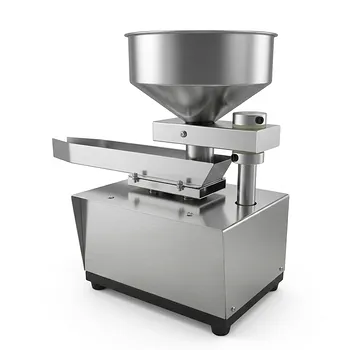
Automatic Vibrating Powder Feeder for Laboratory Material Processing Precision Vibratory Hopper Feeder for Granular and Powder Material Handling Industrial Grade Vibrating Tray Feeder for Consistent Material Sample Preparation
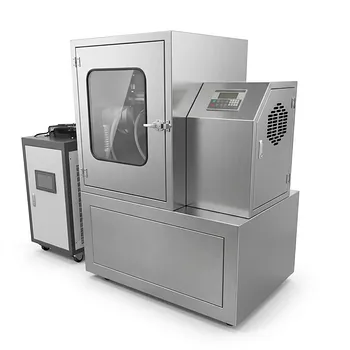
Vibratory Superfine Grinder for Ultra Fine Laboratory Powder Milling
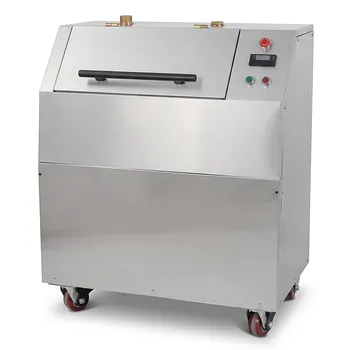
Vibratory Disc Mill for Rapid Fine Grinding and High Throughput Sample Preparation of Hard and Brittle Materials