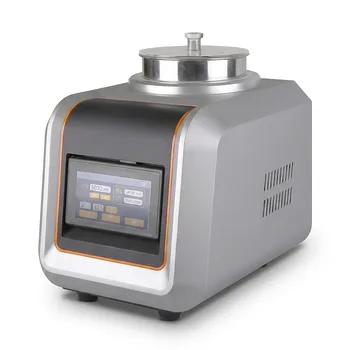
Why is a vibratory sieve shaker critical for the preliminary performance testing of fine and coarse aggregates?
Updated 4 months ago
A vibratory sieve shaker is the definitive tool for determining the particle size distribution (grading) and fineness modulus of aggregates. By using consistent mechanical vibration to pass material through standardized sieves, it ensures that fine and coarse aggregates meet the precise geometric requirements necessary for concrete mix design. This process is critical because the resulting gradation directly dictates the workability, density, and compressive strength of the final hardened material.
A vibratory sieve shaker replaces the variability of manual sieving with standardized mechanical energy, allowing for accurate particle classification. This precision is the foundation for optimizing the skeletal structure of concrete and ensuring compliance with international engineering standards.
Ensuring Consistency in Particle Classification
Mechanical vs. Manual Efficiency
Manual shaking is inherently inconsistent and labor-intensive, leading to human error in data collection. Vibratory equipment provides uniform mechanical energy, ensuring every particle has the maximum opportunity to penetrate the sieve apertures effectively.
Accurate Fineness Modulus (FM) Calculation
The FM is a numerical index representing the mean size of particles in an aggregate sample. A vibratory shaker ensures the repeatability of results, which is essential for accurate FM calculations and maintaining consistent batch-to-batch quality in production.
Standardized Stratification
Mechanical vibration causes aggregate particles to flow and stratify naturally across the sieve surface. This ensures that particles of all shapes and sizes are adequately exposed to the mesh, leading to a high-precision separation of raw stone into specific size components.
Optimizing Material Engineering Properties
Impact on Concrete Workability
Proper grading, facilitated by precise sieve analysis, ensures the mixture has the correct proportions of fine and coarse particles. This optimizes the flowability and fluidity of fresh concrete, making it significantly easier to place and finish on-site.
Maximizing Density and Structural Integrity
A well-graded aggregate profile reduces the internal voids within the concrete matrix. By optimizing the skeletal structure and internal filling, the resulting material achieves higher density and greater ultimate compressive strength once hardened.
Reducing Voids Through Better Packing
Sieving allows engineers to create particle size distribution curves to optimize packing density. By selecting the right mix of sizes, the "gaps" between large stones are filled by smaller particles, reducing the amount of expensive cement paste required to achieve a solid structure.
Preparation for Advanced Performance Testing
Role in Los Angeles Abrasion Tests
Advanced tests require particles to be selected according to strict size standards, such as material passing a 3/4 inch sieve but retained on a 1/2 inch sieve. The vibratory shaker provides the efficient screening needed to isolate these fractions, making wear resistance results comparable and scientifically valid.
Compliance with Engineering Standards
Engineers rely on sieve data to meet rigorous standards such as BS 882. The shaker provides the precise, documented data required to verify that raw materials meet these international benchmarks before construction begins.
Understanding the Trade-offs and Pitfalls
The Risk of Sieve Overloading
Placing too much material on a single sieve can lead to "blinding," where particles block the apertures and prevent smaller material from passing through. This results in skewed grading data and an inaccurate representation of the material's true quality.
Equipment Wear and Calibration Needs
Mechanical components and sieve meshes degrade over time due to constant high-frequency vibration. Regular calibration and mesh inspection are mandatory to prevent subtle inaccuracies that could compromise the safety of high-stakes construction projects.
Material Degradation During Testing
Fragile or soft aggregates may break down into smaller pieces if the vibration intensity is set too high or the test duration is too long. Technicians must balance vibration energy to ensure they are measuring the original particle size rather than material crushed by the shaker itself.
How to Apply This to Your Project
- If your primary focus is Concrete Mix Design: Use the shaker to determine the exact particle distribution needed to minimize internal voids and maximize compressive strength.
- If your primary focus is Regulatory Compliance: Ensure your shaker and sieves meet ISO or ASTM standards to produce documented, repeatable data for quality assurance audits.
- If your primary focus is High-Throughput Laboratory Testing: Invest in automated vibratory units to reduce manual labor costs while increasing the speed and reliability of aggregate classification.
Mastering the use of a vibratory sieve shaker is the foundational step toward ensuring the structural integrity and long-term durability of any aggregate-based engineering project.
Summary Table:
| Key Benefit | Impact on Material Performance | Metrics & Standards |
|---|---|---|
| Uniform Grading | Optimizes density and reduces internal voids | Particle Size Distribution |
| Consistent FM | Ensures batch-to-batch workability and quality | Fineness Modulus (FM) |
| Mechanical Precision | Eliminates manual error and ensures stratification | BS 882, ASTM, ISO |
| Test Preparation | Isolate specific fractions for advanced testing | LA Abrasion Prep |
Elevate Your Material Testing Precision with Expert Solutions
Ensure your aggregate testing meets the highest international standards with professional-grade equipment. At KINTEK, we provide complete laboratory sample preparation solutions for material science, specializing in high-precision powder processing and compaction.
Our extensive product line includes:
- Sieving Excellence: Vibratory and air-jet sieve shakers with a comprehensive range of test sieves and meshes.
- Size Reduction: Jaw/roll crushers and advanced mills (planetary ball, jet, and cryogenic grinders).
- Advanced Compaction: A full spectrum of hydraulic presses, including Cold/Warm Isostatic Presses (CIP/WIP) and vacuum hot presses.
- Mixing & Processing: High-performance powder and defoaming mixers for consistent material preparation.
Whether you are optimizing concrete mix designs or performing rigorous quality audits, KINTEK delivers the reliability and accuracy your laboratory demands.
Contact our technical team today to find your ideal solution!
References
- Hadiza Yusuf, Umar Ahmad. Investigation on the influence of date palm fiber on the strength and durability of concrete with rice husk ash as partial replacement of cement. DOI: 10.30574/wjarr.2025.26.3.2300
Mentioned Products
- Stainless Steel Laboratory Vibratory Test Sieve Shaker
- Laboratory Vibratory Test Sieve Shaker for Precision Particle Size Analysis and Powder Grading
- Vibratory Sieve Shaker Electromagnetic 3D Motion Powder Particle Size Analyzer for Dry and Wet Sieving
- Small Laboratory Vibratory Sieve Shaker for Powder Gradation and Particle Size Analysis
- Laboratory Dry and Wet Three Dimensional Vibratory Sieve Shaker for Particle Analysis
People Also Ask
- What function does a laboratory vibratory sieve shaker serve in the production process of metakaolin? Optimize Reactivity
- Why is a precision laboratory vibratory sieve shaker necessary for particle size control? Optimize Biomass Carbonization
- What is the function of a laboratory vibratory sieve shaker? Enhance Coal Particle Size Distribution (PSD) Analysis
- What role do laboratory vibratory sieve shakers and test sieves play before the molding of Nb-Cu composite powders?
- What is the primary function of a laboratory vibratory sieve shaker in the evaluation of sand liquefaction potential?

Tech Team · PowderPreparation
Last updated on Jun 03, 2026
Related Products
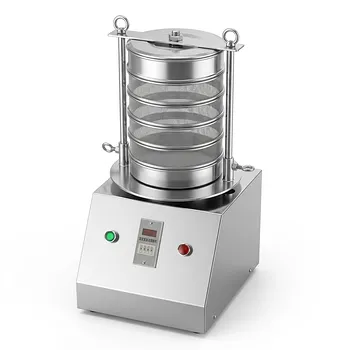
Stainless Steel Laboratory Vibratory Test Sieve Shaker
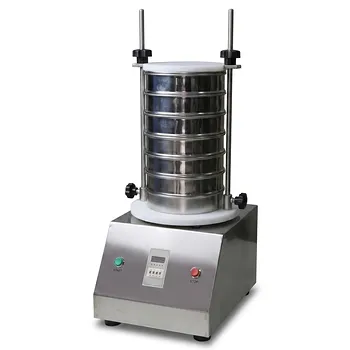
Laboratory Vibratory Test Sieve Shaker for Precision Particle Size Analysis and Powder Grading
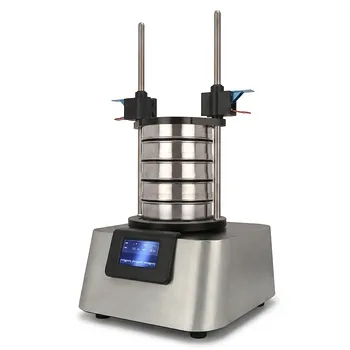
Vibratory Sieve Shaker Electromagnetic 3D Motion Powder Particle Size Analyzer for Dry and Wet Sieving
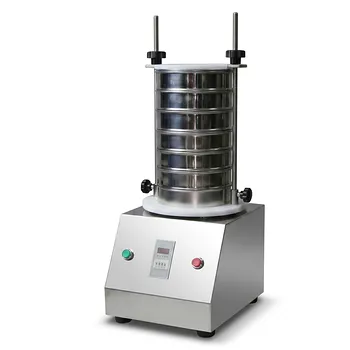
Small Laboratory Vibratory Sieve Shaker for Powder Gradation and Particle Size Analysis
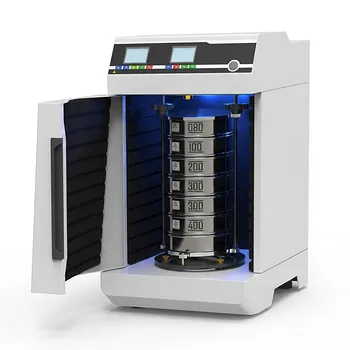
Laboratory Dry and Wet Three Dimensional Vibratory Sieve Shaker for Particle Analysis
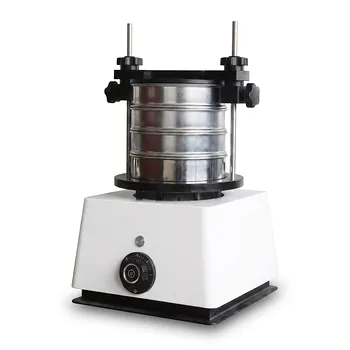
Small Laboratory Vibrating Sieve Shaker for Precise Particle Size Analysis
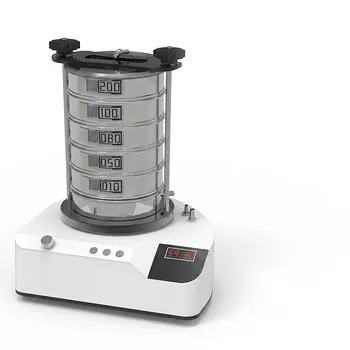
Heavy Duty Dry Three Dimensional Vibratory Sieve Shaker for Particle Separation
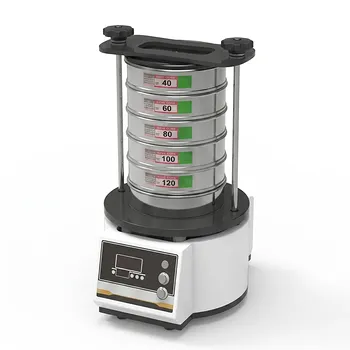
Dry Three Dimensional Vibratory Sieve Shaker
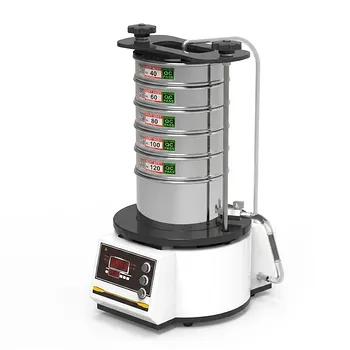
High Frequency Wet Three-Dimensional Vibrating Sieve Shaker for Dry and Wet Particle Size Analysis
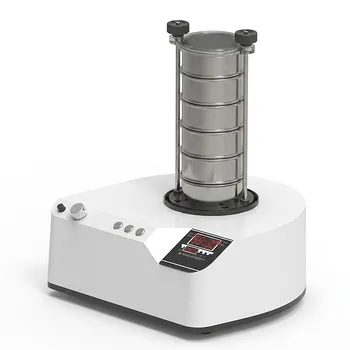
三维电磁微量振动筛分仪
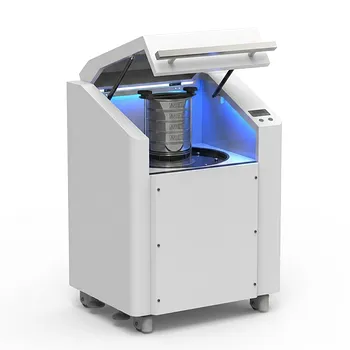
High Frequency Cabinet Type Three-Dimensional Rotary Vibrating Sieve Shaker for Dry Sieving and Particle Classification
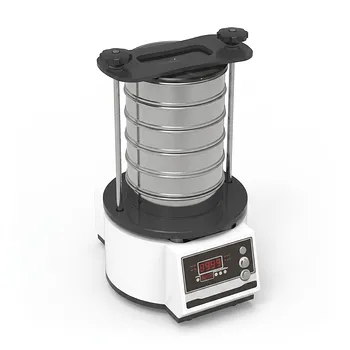
Tapping Oscillating Sieve Shaker for Dry and Wet Particle Size Analysis
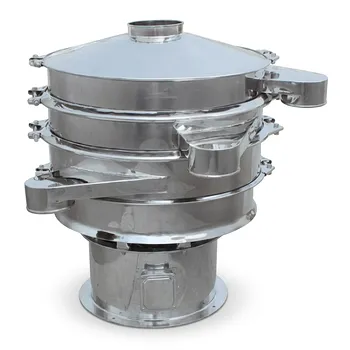
Stainless Steel Rotary Vibrating Sieve High Precision Circular Vibratory Separator Industrial Powder Grading Machine Multi Layer Sifting Equipment
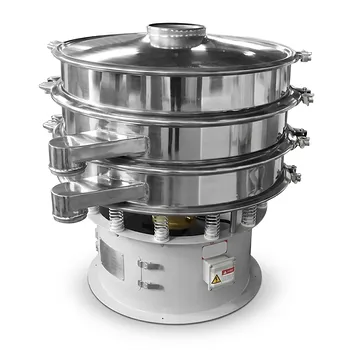
Three Dimensional Rotary Vibrating Sieve
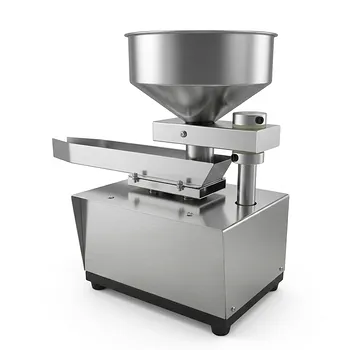
Automatic Vibrating Powder Feeder for Laboratory Material Processing Precision Vibratory Hopper Feeder for Granular and Powder Material Handling Industrial Grade Vibrating Tray Feeder for Consistent Material Sample Preparation
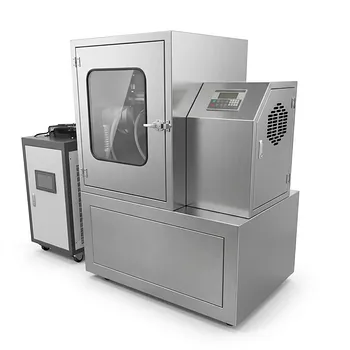
Vibratory Superfine Grinder for Ultra Fine Laboratory Powder Milling
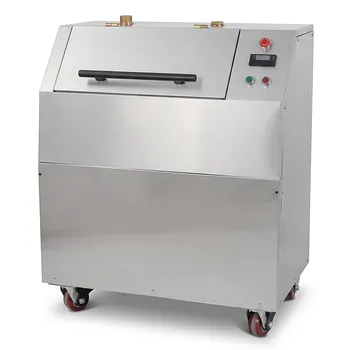
Vibratory Disc Mill for Rapid Fine Grinding and High Throughput Sample Preparation of Hard and Brittle Materials