Why is a vibrating sieve system necessary when processing recycled aggregates for concrete? Transform Waste into Value
Updated 5 months ago
The necessity of a vibrating sieve system lies in its ability to transform raw, crushed waste into high-performance engineering material. By utilizing high-frequency vibration and specific mesh apertures, these systems separate Recycled Concrete Aggregates (RCA) into precise size fractions in real-time. This process is the only reliable way to ensure the resulting mix achieves the density, workability, and mechanical strength required for modern construction standards.
A vibrating sieve system is the primary tool for achieving continuous grading, which minimizes voids between particles to create denser, stronger, and more predictable recycled concrete. Without this precise classification, recycled aggregates remain inconsistent, compromising the structural integrity of the final build.
Optimizing Material Density and Structural Integrity
The Science of Particle Packing
A vibrating sieve system utilizes specific mesh apertures, such as 8mm or 10mm, to separate crushed materials into coarse and fine components. This precise grading optimizes particle packing, ensuring that smaller particles fill the voids between larger ones.
Reducing Porosity and Increasing Density
By achieving a tight fit between aggregates, the system significantly increases the internal density of the Recycled Aggregate Concrete. Higher density directly correlates to lower porosity, which prevents water ingress and enhances the longevity of the structure.
Impact on Mechanical Strength
The uniformity of the aggregate size directly influences the mechanical strength stability of the concrete. Precise classification ensures that the load-bearing capacity of the recycled material meets or exceeds the requirements for rigid pavements and structural beams.
Ensuring Consistency and Quality Control
Compliance with Engineering Standards
Standardized test sieves allow operators to calculate the mass percentage of material passing through each level, from 53mm down to 0.075mm. This data is critical for determining if the material is suitable for reuse in specific applications like pavement sub-bases or high-strength mixes.
Real-Time Impurity Removal
Vibrating systems efficiently remove oversized impurities and unwanted debris that are often present in crushed recycled materials. By screening out these contaminants, the system protects the fluidity and "filling effect" of the concrete mixture.
Achieving Continuous Grading
Advanced electromagnetic shakers use multi-directional vibration to ensure a continuous grading profile, such as 4/12 mm and 12/20 mm fractions. This continuity is fundamental to maintaining the workability of the wet concrete, making it easier to pour and finish on-site.
Enhancing Chemical and Physical Performance
Managing Specific Surface Area
Precise particle size control is vital because smaller particles provide a larger specific surface area. In specialized applications, this increased surface area facilitates the dissolution of calcium oxide and provides more adsorption sites, enhancing the chemical bonding within the cement paste.
Controlling Permeability
In pervious concrete applications, the sieve system determines the interconnected pore structure. By strictly controlling particle ranges (e.g., 9.5mm to 25mm), engineers can precisely calibrate the permeability coefficient of the concrete to manage water runoff.
Improving Mix Fluidity
For specialized mixes like granite powder concrete, using precision meshes (such as 120-micron sieves) ensures that fine aggregates improve the mixture's flow. This level of control optimizes the internal density and ensures a smooth, high-quality surface finish.
Understanding the Trade-offs
Equipment Wear and Maintenance
The high-frequency vibration required for precise separation causes significant mechanical stress on the sieve meshes. Regular calibration and replacement of screens are necessary to prevent "blinding" (clogging) and to maintain the accuracy of the grading.
Energy Consumption vs. Precision
While electromagnetic and high-frequency shakers offer superior precision, they require more operational energy than simple gravity-fed screens. This cost must be weighed against the premium value of the high-grade recycled aggregate produced.
Potential for Material Degradation
Excessive sieving time can sometimes lead to the attrition of softer recycled particles. If the vibration is too aggressive, it may create an excess of "fines" that can negatively impact the water-to-cement ratio of the final mix.
Making the Right Choice for Your Goal
How to Apply This to Your Project
Determining the correct sieving protocol depends entirely on the intended application of the recycled material.
- If your primary focus is Structural Strength: Prioritize a multi-stage vibrating system to achieve a continuous grading profile that maximizes packing density.
- If your primary focus is Pervious/Drainage Concrete: Use high-frequency shakers to isolate narrow, coarse particle ranges (e.g., 10mm to 20mm) to ensure open pore structures.
- If your primary focus is Cost-Effective Sub-bases: Employ a standard mechanical sieve to confirm the material meets basic mass-percentage distribution requirements for pavement layers.
- If your primary focus is Chemical Performance/Adsorption: Focus on precision fine-mesh sieving to maximize the specific surface area of the aggregates.
By integrating a vibrating sieve system into your recycling workflow, you transform unpredictable waste into a reliable, high-value construction asset.
Summary Table:
| Feature | Engineering Benefit | Impact on Concrete |
|---|---|---|
| Particle Packing | Optimizes void filling between aggregates | Increases internal density and longevity |
| Continuous Grading | Ensures a seamless range of size fractions | Enhances workability and pouring ease |
| Impurity Removal | Extracts oversized debris and contaminants | Protects mechanical strength and fluidity |
| Surface Area Control | Increases specific surface area (fine meshes) | Improves chemical bonding and adsorption |
| Precision Sieving | Meets strict engineering standards (e.g., 53mm-0.075mm) | Guarantees compliance for structural use |
Elevate Your Material Testing with Precision Solutions
Achieving the perfect aggregate mix requires equipment that delivers accuracy and durability. We provide complete laboratory sample preparation solutions tailored for material science, specializing in high-performance powder processing and compaction equipment.
Our extensive product range includes:
- Crushing & Milling: Jaw/roll crushers, planetary ball mills, jet mills, and liquid nitrogen cryogenic grinders.
- Sieving & Mixing: Vibratory and air-jet sieve shakers with a full range of precision test sieves, plus advanced powder and defoaming mixers.
- Compaction Excellence: A full spectrum of hydraulic presses, including Cold/Warm Isostatic Presses (CIP/WIP), vacuum hot presses, and XRF pellet presses.
Whether you are optimizing recycled aggregates or developing new composite materials, our expertise ensures your lab achieves superior results. Contact our technical team today to find the ideal solution for your workflow!
References
- Antonio Brencich, Farhad Ali Akbari Hamed. Structural Concrete from 100% Recycled Aggregates. DOI: 10.3390/app142411709
Mentioned Products
- Three Dimensional Rotary Vibrating Sieve
- Stainless Steel Rotary Vibrating Sieve High Precision Circular Vibratory Separator Industrial Powder Grading Machine Multi Layer Sifting Equipment
- High Frequency Cabinet Type Three-Dimensional Rotary Vibrating Sieve Shaker for Dry Sieving and Particle Classification
- Small Laboratory Vibratory Sieve Shaker for Powder Gradation and Particle Size Analysis
- Vibratory Sieve Shaker Electromagnetic 3D Motion Powder Particle Size Analyzer for Dry and Wet Sieving
People Also Ask
- How do multi-dimensional vibratory sieve shakers contribute to the testing of grain particle size distribution? mPS Guide
- What is the role of vibratory sieving systems in ISRU feedstock preparation? Optimize Your Space Resource Processing
- What is the purpose of using 0.038 mm sieves in magnetite grinding? Quantify Kinetics and Boost Grinding Efficiency
- How does a 3D vibratory sieve shaker fractionate sorghum flour? Optimize Texture & Nutritional Quality
- Why is a 0.08mm standard sieve required for testing the fineness of cement? Optimize Recycled Pervious Concrete Quality

Tech Team · PowderPreparation
Last updated on May 14, 2026
Related Products
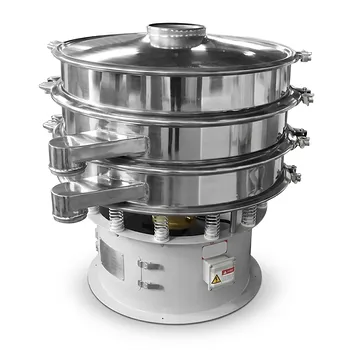
Three Dimensional Rotary Vibrating Sieve
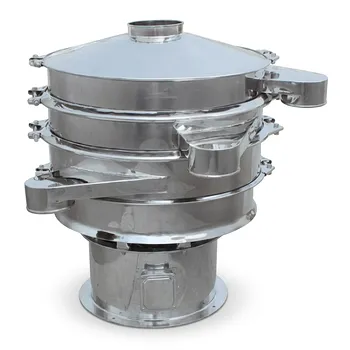
Stainless Steel Rotary Vibrating Sieve High Precision Circular Vibratory Separator Industrial Powder Grading Machine Multi Layer Sifting Equipment
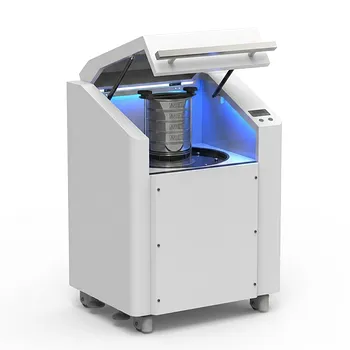
High Frequency Cabinet Type Three-Dimensional Rotary Vibrating Sieve Shaker for Dry Sieving and Particle Classification
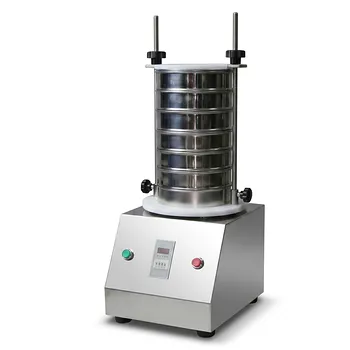
Small Laboratory Vibratory Sieve Shaker for Powder Gradation and Particle Size Analysis
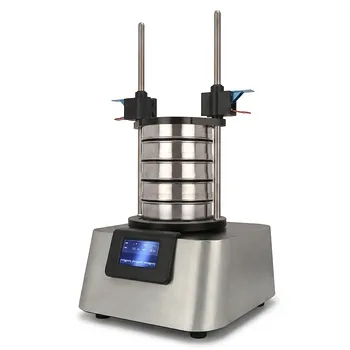
Vibratory Sieve Shaker Electromagnetic 3D Motion Powder Particle Size Analyzer for Dry and Wet Sieving
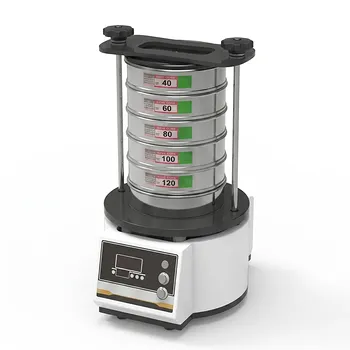
Dry Three Dimensional Vibratory Sieve Shaker
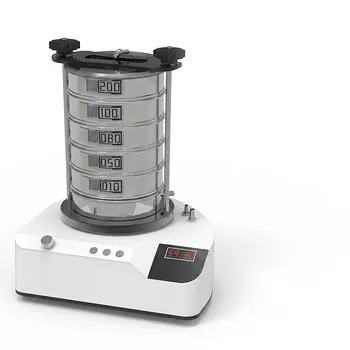
Heavy Duty Dry Three Dimensional Vibratory Sieve Shaker for Particle Separation
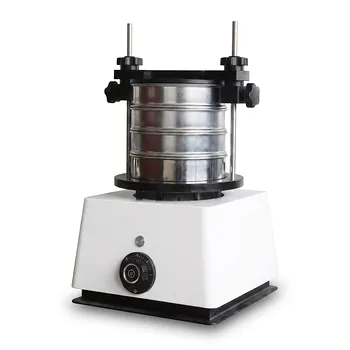
Small Laboratory Vibrating Sieve Shaker for Precise Particle Size Analysis
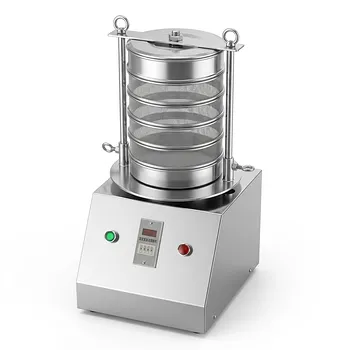
Stainless Steel Laboratory Vibratory Test Sieve Shaker
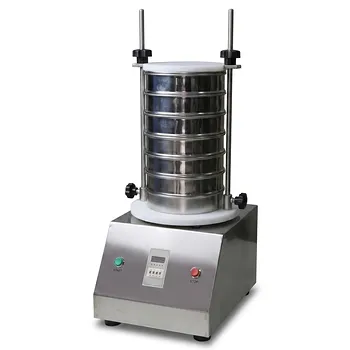
Laboratory Vibratory Test Sieve Shaker for Precision Particle Size Analysis and Powder Grading
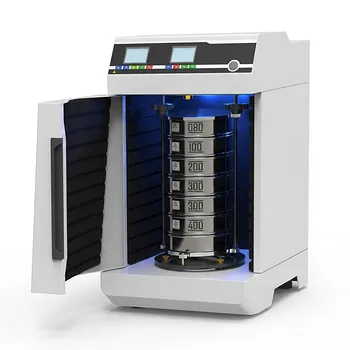
Laboratory Dry and Wet Three Dimensional Vibratory Sieve Shaker for Particle Analysis
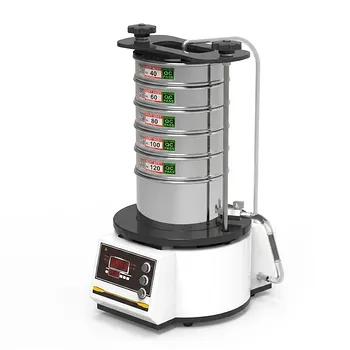
High Frequency Wet Three-Dimensional Vibrating Sieve Shaker for Dry and Wet Particle Size Analysis
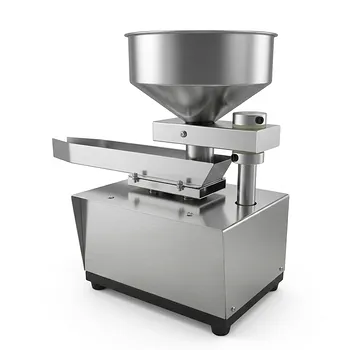
Automatic Vibrating Powder Feeder for Laboratory Material Processing Precision Vibratory Hopper Feeder for Granular and Powder Material Handling Industrial Grade Vibrating Tray Feeder for Consistent Material Sample Preparation
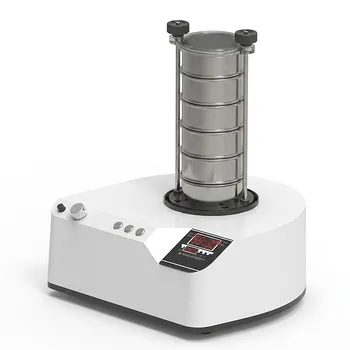
三维电磁微量振动筛分仪
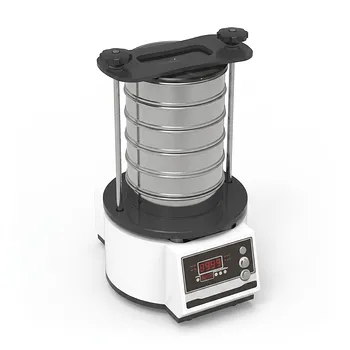
Tapping Oscillating Sieve Shaker for Dry and Wet Particle Size Analysis