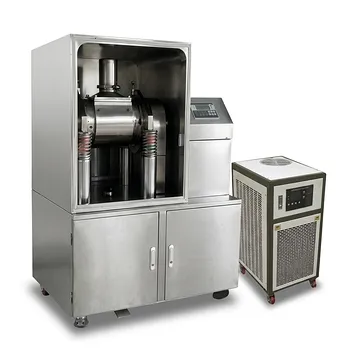
How does a 3D vibratory sieve shaker fractionate sorghum flour? Optimize Texture & Nutritional Quality
Updated 4 months ago
The three-dimensional vibratory sieve shaker is the primary tool for achieving precise particle size fractionation in sorghum flour. By using high-frequency vibration to move flour particles across a vertical stack of standard test sieves, the equipment categorizes the flour into specific ranges—typically large (>300 µm), medium (200–250 µm), and small (<200 µm). This mechanical separation is critical because the particle size distribution directly determines the flour's functional behavior, including its solubility, swelling power, and final mouthfeel.
Core Takeaway: A 3D vibratory sieve shaker provides the standardized mechanical energy necessary to overcome inter-particle friction, ensuring sorghum flour is accurately sorted into fractions that dictate its nutritional profile and culinary performance.
The Mechanics of 3D Particle Separation
Achieving Uniform Distribution
The "three-dimensional" motion of the shaker is essential for preventing the flour from simply bouncing vertically. It creates a specialized movement pattern that spreads the sorghum flour particles evenly across the entire surface of the sieve mesh. This maximizes the opportunity for every particle to find an opening, leading to more efficient and faster separation than traditional one-dimensional shakers.
High-Frequency Vibration and Mesh Clearance
Sorghum flour often contains fine particles that can easily "blind" or clog the sieve pores. The shaker utilizes high-frequency vibrations to ensure that particles sufficiently bounce and clear the mesh openings. This constant agitation allows smaller particles to pass through to the lower sieves while keeping larger bran or endosperm fragments on the upper levels.
Standardized Precision for Research
By setting a constant vibration amplitude and duration, researchers can achieve highly repeatable results. This standardization is what allows for the calculation of the mean particle size (mPS) and the creation of distribution curves (D10, D50, D90). These metrics provide the "ground truth" data needed to classify sorghum flour and predict its performance as a gluten-free ingredient.
The Functional Impact of Fractionation
Solubility and Swelling Power
The specific fraction a particle falls into—large, medium, or small—drastically alters its interaction with water. Smaller particles (less than 200 µm) generally exhibit higher solubility and swelling power due to their increased surface area. Precise fractionation allows manufacturers to select specific size ranges to achieve a desired thickness or foaming capacity in the final food product.
Nutrient Mapping and Composition
Fractionation is not just about size; it is about chemical composition. Nutritional components like proteins, fats, and ash are not distributed evenly throughout the sorghum grain. By using a vibratory shaker to isolate different fractions, processors can study how specific sizes correlate with higher protein content or different mineral concentrations.
Texture and Mouthfeel Control
The "grittiness" of sorghum-based products is often a result of poor particle size control. Using a vibratory shaker as a pre-processing step ensures that only the finest fractions are used for delicate applications, while coarser fractions might be reserved for products where a more robust texture is acceptable. This level of control is vital for sorghum to compete with the smooth profile of wheat flour.
Understanding the Trade-offs
Limitations of Dry Sieving
While highly effective, dry vibratory sieving has limitations when dealing with extremely fine powders or high-fat sorghum varieties. Electrostatic charges can cause fine particles to clump together or stick to the sieve walls, leading to inaccurate grading. In such cases, the mechanical energy of the shaker may not be enough to overcome the cohesive forces of the material.
Sample Degradation Risks
Extended sieving times or excessive vibration amplitudes can inadvertently lead to particle attrition. If the flour is vibrated too aggressively for too long, the particles may break down into smaller pieces during the test itself. This results in data that suggests the flour is finer than it actually was at the start of the process.
How to Apply This to Your Project
When integrating a 3D vibratory sieve shaker into your sorghum processing or research workflow, your approach should shift based on your end goal.
- If your primary focus is improving product texture: Prioritize isolating the "small" fraction (less than 200 µm) and use the shaker to validate that at least 80% of your flour falls within this range to ensure a smooth mouthfeel.
- If your primary focus is nutritional fortification: Analyze the "large" and "medium" fractions separately using the shaker to determine which size range holds the highest concentration of proteins and fats for targeted ingredient development.
- If your primary focus is process consistency: Establish a standardized protocol with fixed vibration duration and amplitude to ensure that every batch of flour meets the same particle distribution curves (D50) before it moves to the production line.
Precise mechanical fractionation transforms raw sorghum flour from an inconsistent bulk commodity into a sophisticated, functional ingredient tailored for specific culinary and nutritional needs.
Summary Table:
| Fraction Category | Particle Size | Key Functional Impact |
|---|---|---|
| Large Fraction | >300 µm | Higher bran/fiber content; provides robust texture. |
| Medium Fraction | 200–250 µm | Balanced protein/fat distribution; standard baking use. |
| Small Fraction | <200 µm | Maximum solubility and swelling; ensures smooth mouthfeel. |
| Fine Dust | <100 µm | High starch damage potential; rapid hydration for thickeners. |
Optimize Your Material Preparation with Expert Solutions
Achieving precise particle size distribution is critical for the functional performance of your materials. We provide complete laboratory sample preparation solutions tailored for material science and food research. Our specialized equipment lineup includes:
- Powder Processing: High-precision vibratory and air-jet sieve shakers, planetary ball mills, jet mills, and rotor mills.
- Compaction & Forming: A full spectrum of hydraulic presses, including Cold/Warm Isostatic Presses (CIP/WIP), vacuum hot presses, and XRF pellet presses.
- Sample Refinement: Jaw/roll crushers, cryogenic grinders, and advanced powder/defoaming mixers.
Whether you are refining agricultural powders like sorghum flour or developing advanced ceramics, our equipment ensures the repeatability and precision your lab requires. Contact our technical team today to discuss your specific application and find the perfect equipment configuration for your workflow.
References
- Ana Batariuc, Silvia Mironeasa. Effects of Dry Heat Treatment and Milling on Sorghum Chemical Composition, Functional and Molecular Characteristics. DOI: 10.3390/app112411881
Mentioned Products
- Vibratory Sieve Shaker Electromagnetic 3D Motion Powder Particle Size Analyzer for Dry and Wet Sieving
- Laboratory Dry and Wet Three Dimensional Vibratory Sieve Shaker for Particle Analysis
- Dry Three Dimensional Vibratory Sieve Shaker
- High Frequency Cabinet Type Three-Dimensional Rotary Vibrating Sieve Shaker for Dry Sieving and Particle Classification
- High Frequency Wet Three-Dimensional Vibrating Sieve Shaker for Dry and Wet Particle Size Analysis
People Also Ask
- How does a vibratory sieve shaker contribute to optimizing the performance of activated carbon? Enhance Adsorption Precision
- Why is a laboratory vibratory sieve shaker necessary for processing magnesium-based borate precursor powders? Boost Activity
- Why use a vibratory sieve shaker to verify coarse aggregate grading in rubberized concrete? Ensure Structural Integrity
- What function do vibratory sieve shakers and standard test sieves serve in the preparation of adsorbents? Key Guide
- What role does a vibratory sieve shaker play in the particle size analysis of ground corn products? Enhance QC Precision

Tech Team · PowderPreparation
Last updated on Jun 03, 2026
Related Products
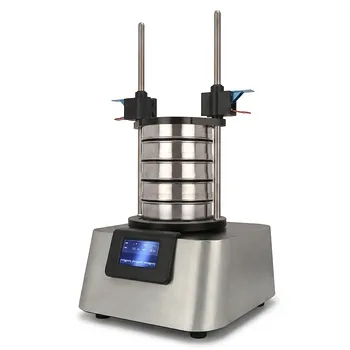
Vibratory Sieve Shaker Electromagnetic 3D Motion Powder Particle Size Analyzer for Dry and Wet Sieving
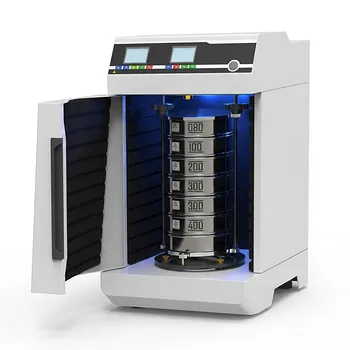
Laboratory Dry and Wet Three Dimensional Vibratory Sieve Shaker for Particle Analysis
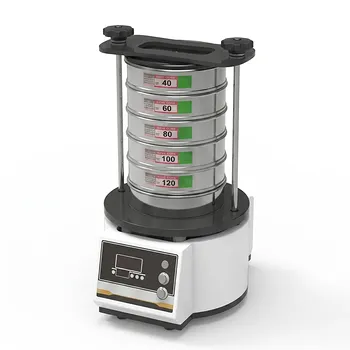
Dry Three Dimensional Vibratory Sieve Shaker
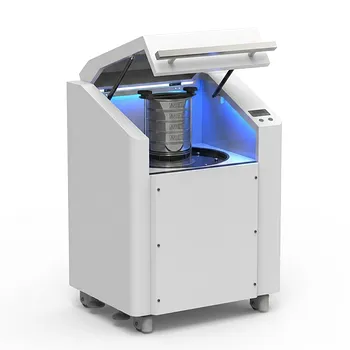
High Frequency Cabinet Type Three-Dimensional Rotary Vibrating Sieve Shaker for Dry Sieving and Particle Classification
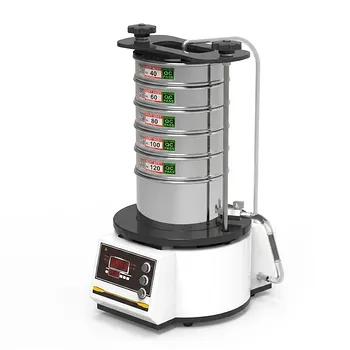
High Frequency Wet Three-Dimensional Vibrating Sieve Shaker for Dry and Wet Particle Size Analysis
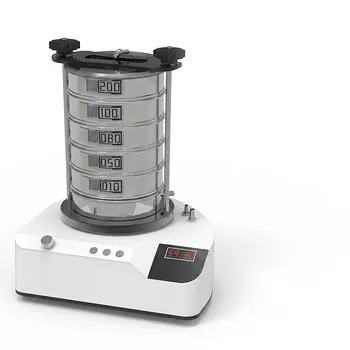
Heavy Duty Dry Three Dimensional Vibratory Sieve Shaker for Particle Separation
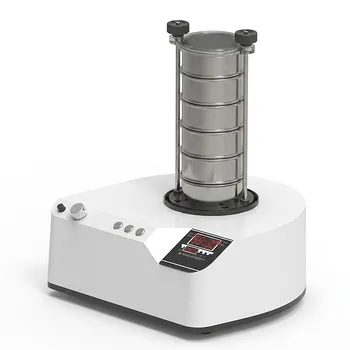
三维电磁微量振动筛分仪
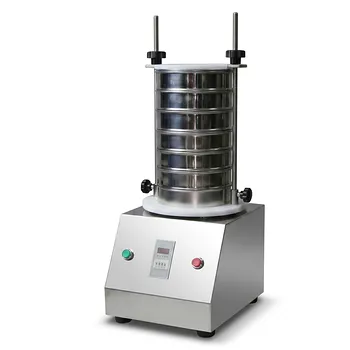
Small Laboratory Vibratory Sieve Shaker for Powder Gradation and Particle Size Analysis
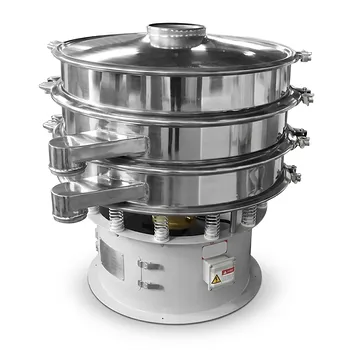
Three Dimensional Rotary Vibrating Sieve
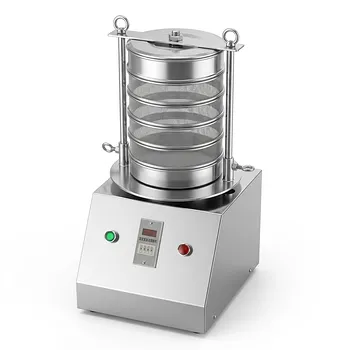
Stainless Steel Laboratory Vibratory Test Sieve Shaker
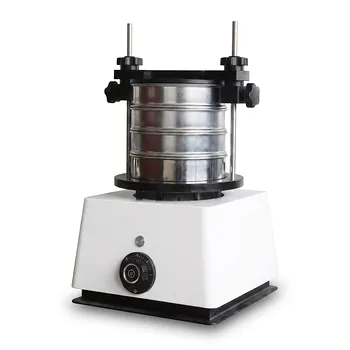
Small Laboratory Vibrating Sieve Shaker for Precise Particle Size Analysis
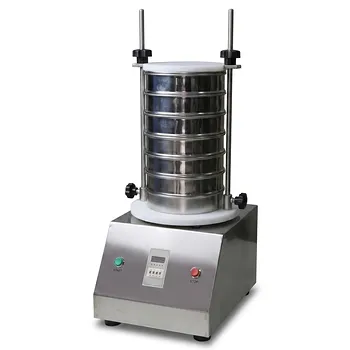
Laboratory Vibratory Test Sieve Shaker for Precision Particle Size Analysis and Powder Grading
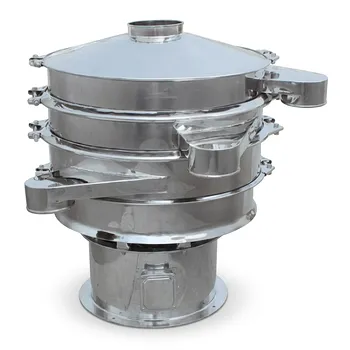
Stainless Steel Rotary Vibrating Sieve High Precision Circular Vibratory Separator Industrial Powder Grading Machine Multi Layer Sifting Equipment
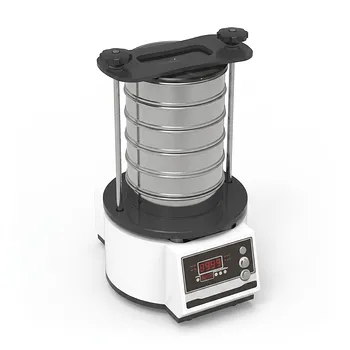
Tapping Oscillating Sieve Shaker for Dry and Wet Particle Size Analysis
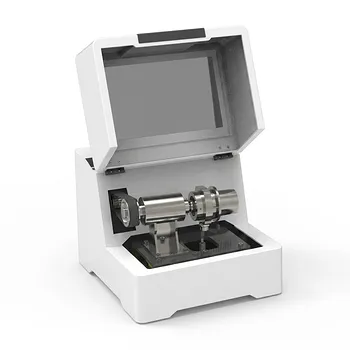
Single Tank High Energy Vibratory Ball Mill for Laboratory Grinding and Mixing
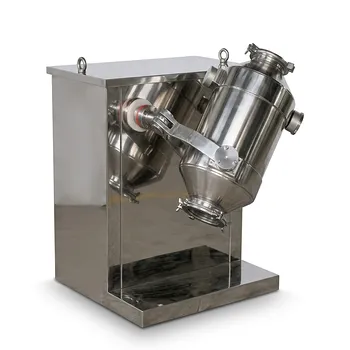
Three-Dimensional Motion Mixer for Laboratory Powder and Granule Blending
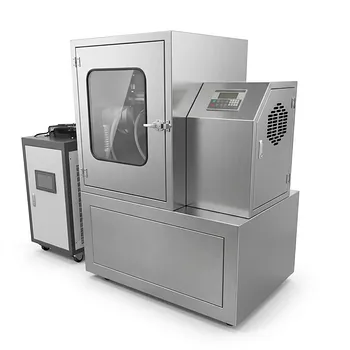
Vibratory Superfine Grinder for Ultra Fine Laboratory Powder Milling
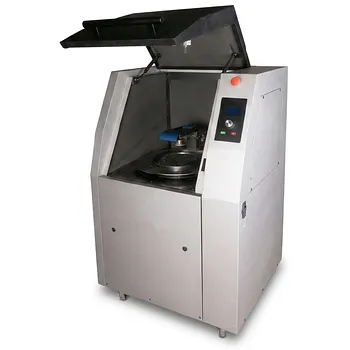
High Speed Vibratory Disc Mill for Spectral Analysis Sample Preparation and Rapid Powder Grinding
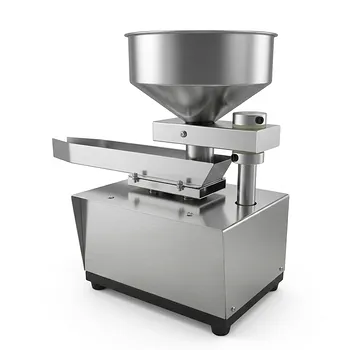
Automatic Vibrating Powder Feeder for Laboratory Material Processing Precision Vibratory Hopper Feeder for Granular and Powder Material Handling Industrial Grade Vibrating Tray Feeder for Consistent Material Sample Preparation