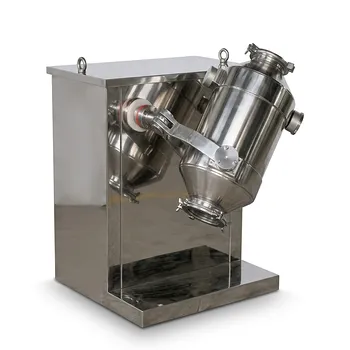
What role does a vacuum defoaming mixer play in BNT MLCC slurry? Ensure High Dielectric Strength & Pinhole-Free Prep
Updated 3 months ago
In the preparation of Sodium Bismuth Titanate (BNT) based MLCC slurry, the vacuum defoaming mixer serves as the critical safeguard against structural defects and electrical failure. It performs the dual role of ensuring a molecularly uniform distribution of slurry components while simultaneously extracting entrapped micro-bubbles. By eliminating these voids before tape casting, the mixer prevents the formation of internal pores that would otherwise compromise the dielectric integrity of the final capacitor.
The vacuum defoaming mixer is essential for transforming a raw chemical mixture into a high-reliability electronic material. Its primary function is to eliminate microscopic air bubbles that act as precursors to physical pores, which are the leading cause of premature dielectric breakdown in BNT-based ceramic capacitors.
The Critical Removal of Micro-Bubbles
Eliminating Sub-Surface Voids
The process of mixing BNT ceramic powder with binders and plasticizers inherently introduces micro-bubbles into the slurry. Because these slurries often possess high viscosity, these tiny pockets of air cannot escape naturally to the surface.
Preventing Physical Pores in Sintered Ceramic
If these bubbles remain during the tape casting process, they manifest as holes in the green tape. After the sintering process, these holes transform into through-hole physical pores within the hardened ceramic structure.
Enhancing Dielectric Performance and Reliability
Avoiding Electric Field Concentration
In a finished MLCC, any internal pore acts as an electric field concentration point. When the capacitor is charged, the electrical stress intensifies at these defect sites rather than being distributed evenly across the dielectric material.
Maximizing Dielectric Breakdown Strength
The concentration of electrical stress at pore sites leads to premature dielectric breakdown during operation. By utilizing a vacuum defoaming mixer, manufacturers ensure a dense, pinhole-free structure that can withstand high voltage without failing.
Achieving Homogeneous Slurry Distribution
High-Intensity Planetary Mixing
Advanced mixers utilize high-speed revolution and rotation (planetary mixing) to achieve a molecular-level uniform distribution of matrix powders and seed templates. This ensures that the binders and plasticizers are perfectly integrated with the BNT particles.
Facilitating High-Quality Grain Orientation
A uniform, bubble-free slurry is a prerequisite for high-quality grain orientation during subsequent manufacturing steps. This uniformity is what allows BNT-based ceramics to achieve the specific dielectric properties required for high-performance applications.
Understanding the Trade-offs and Pitfalls
The Risk of Improper Vacuum Levels
While vacuum is necessary, a vacuum that is too "deep" or applied too rapidly can cause the evaporation of volatile solvents within the slurry. This can inadvertently change the slurry's viscosity and chemical composition, leading to inconsistent tape thickness.
Over-Mixing and Shear Stress
High-intensity stirring is required to degas the mixture, but excessive mixing can introduce mechanical shear stress. If not monitored, this stress can break down the polymer chains of the binders, weakening the mechanical strength of the green tape.
How to Apply This to Your Project
Recommendations for Success
- If your primary focus is maximizing device longevity: Prioritize a mixer with high-vacuum capabilities to ensure the total elimination of micro-bubbles, which directly prevents internal stress points.
- If your primary focus is achieving uniform layer thickness: Use a planetary mixer that allows for precise control over rotation speeds to maintain consistent slurry viscosity throughout the defoaming cycle.
- If your primary focus is high-purity ceramic production: Select equipment with chemically inert mixing vessels to prevent contamination of the BNT matrix during high-intensity processing.
By integrating vacuum defoaming into your slurry preparation, you move from simply mixing ingredients to engineering a high-performance dielectric foundation.
Summary Table:
| Process Feature | Functional Role | Impact on MLCC Performance |
|---|---|---|
| Micro-bubble Removal | Eliminates subsurface air pockets | Prevents physical pores and structural voids |
| Planetary Mixing | Molecular-level uniform distribution | Optimizes grain orientation & dielectric consistency |
| Vacuum Extraction | Degasses high-viscosity slurry | Maximizes dielectric breakdown strength (V/m) |
| Precision Control | Balances vacuum and rotation speed | Ensures consistent tape thickness & binder integrity |
Elevate Your Material Research with Precision Slurry Processing
At the intersection of material science and high-reliability electronics, the quality of your powder preparation determines the performance of your final component. Whether you are developing Sodium Bismuth Titanate (BNT) capacitors or advanced structural ceramics, our laboratory solutions ensure molecular-level homogeneity and defect-free results.
Our Comprehensive Sample Preparation Range Includes:
- Powder Processing: High-intensity planetary ball mills, jet mills, and cryogenic grinders for ultra-fine particle sizes.
- Mixing Excellence: Advanced vacuum defoaming mixers and powder mixers designed to eliminate voids and ensure uniform dispersion.
- Compaction & Sintering: A full spectrum of hydraulic presses, including Cold/Warm Isostatic Presses (CIP/WIP), hot presses, and vacuum hot presses for dense ceramic foundations.
- Analysis Support: Sieve shakers and XRF pellet presses for rigorous quality control.
Ready to eliminate dielectric defects and optimize your MLCC production?
Contact our technical team today to find the perfect equipment configuration for your lab's specific needs.
References
- Jiaqi Li, Genshui Wang. Enhanced energy-storage in lead-free multilayer capacitors via entropy-assisted polymorphic domain engineering. DOI: 10.1038/s41467-025-63584-y
Mentioned Products
- Industrial Planetary Centrifugal Vacuum Defoaming Mixer for High Viscosity Paste and Powder Homogenization
- High Viscosity Planetary Centrifugal Vacuum Mixer for Material Defoaming and Uniform Mixing
- Industrial Planetary Centrifugal Vacuum Defoaming Mixer for High Viscosity Paste and Advanced Material Science
- Dual Cup Vacuum Centrifugal Mixer Planetary Paste Defoaming Machine Industrial Material Processor
- 非介入式材料均质机真空脱泡行星搅拌高粘度混合设备
People Also Ask
- What are the advantages of planetary centrifugal mixers for LSM-CeO2 slurries? Superior Results
- Why is a planetary centrifugal defoaming mixer essential in battery slurry? Achieve High Homogeneity & Degassing
- What process advantages do planetary gravity mixers provide for r-GO/RuO2 electrodes? Achieve Superior Nanoscale Dispersion
- What is the function of industrial planetary centrifugal mixers in 3D printing inks? Achieve Perfect Homogenization
- What are the primary advantages of planetary centrifugal mixers? Master Bladeless Mixing & Vacuum Defoaming

Tech Team · PowderPreparation
Last updated on Jun 03, 2026
Related Products
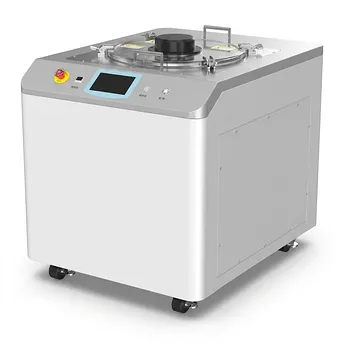
Industrial Planetary Centrifugal Vacuum Defoaming Mixer for High Viscosity Paste and Powder Homogenization
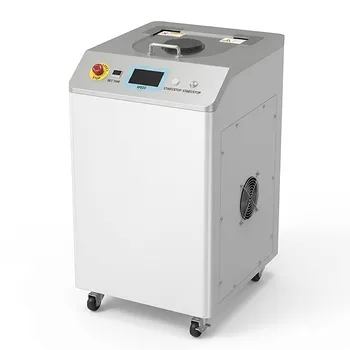
High Viscosity Planetary Centrifugal Vacuum Mixer for Material Defoaming and Uniform Mixing
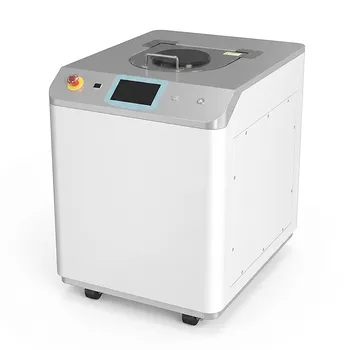
Industrial Planetary Centrifugal Vacuum Defoaming Mixer for High Viscosity Paste and Advanced Material Science
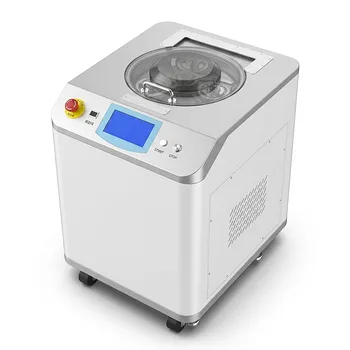
Dual Cup Vacuum Centrifugal Mixer Planetary Paste Defoaming Machine Industrial Material Processor
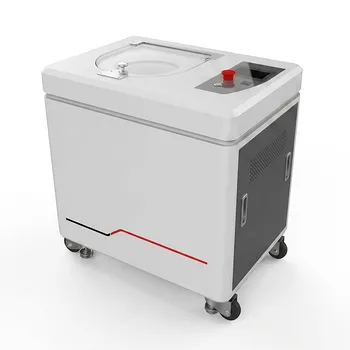
非介入式材料均质机真空脱泡行星搅拌高粘度混合设备
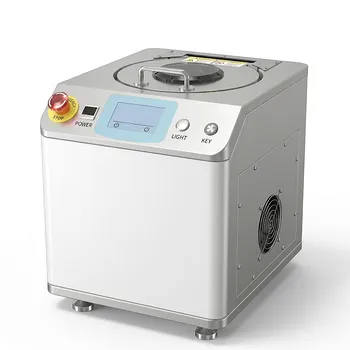
High Efficiency Vacuum Planetary Centrifugal Mixer and Defoaming Machine for Industrial Material Research and Precise Laboratory Powder Dispersion
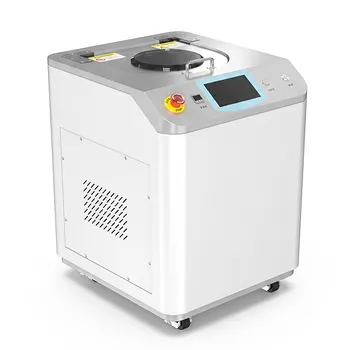
High Speed Vacuum Planetary Centrifugal Mixer and Defoamer for Industrial Paste Processing
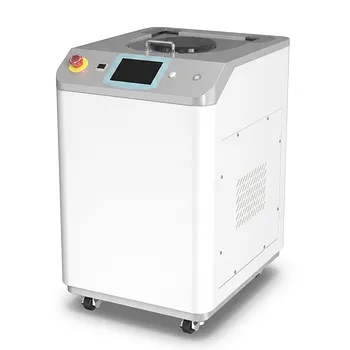
High Viscosity Planetary Centrifugal Mixing and Vacuum Defoaming Machine for Laboratory Material Preparation
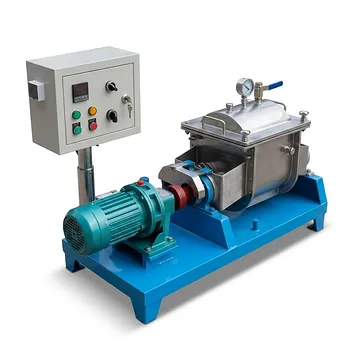
Industrial Vacuum Kneader for High-Viscosity Silicone, Rubber, and Compound Mixing
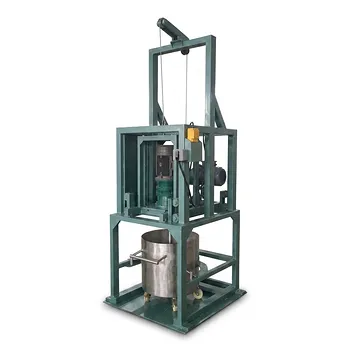
High-Speed Simple Disperser for Efficient Mixing, Dispersion, and Emulsification
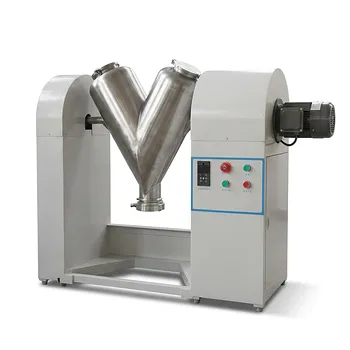
V-Type Powder Mixer for Uniform Blending of Dry Powders and Granules
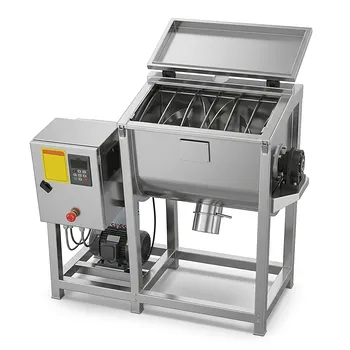
Horizontal Ribbon Mixer for Uniform Powder and Slurry Mixing
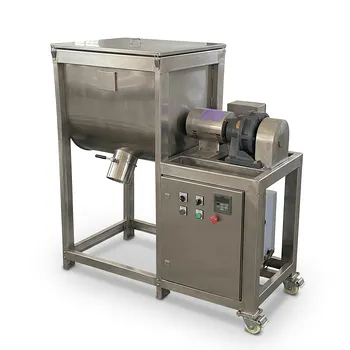
Horizontal Ribbon Mixer for Dry Powder and Slurry Blending
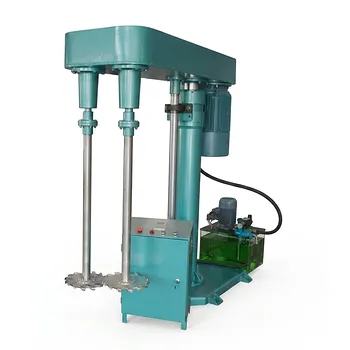
Hydraulic Double Shaft Disperser for High Viscosity Liquid Mixing and Dispersion
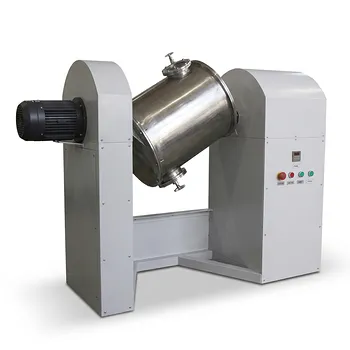
Inclined Mixer for Homogeneous Powder Blending and Grinding
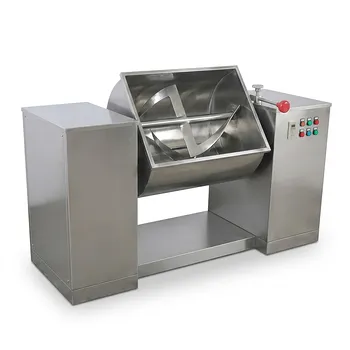
Horizontal Trough Mixer for Uniform Powder and Paste Blending
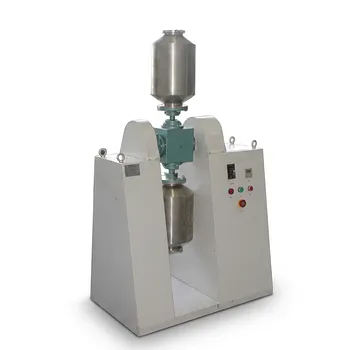
Multi Dimensional Universal Mixer for High Uniformity Powder Blending
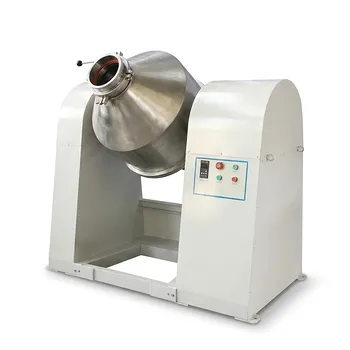
Industrial Double Cone Mixer for Powder Blending and Homogeneous Mixing
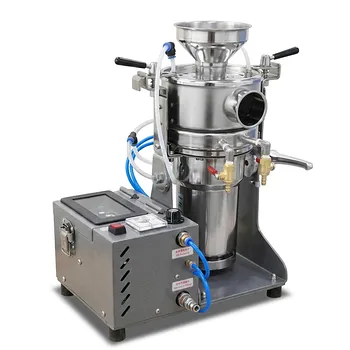
Water Cooled Pulse Jet Ultrafine Grinder