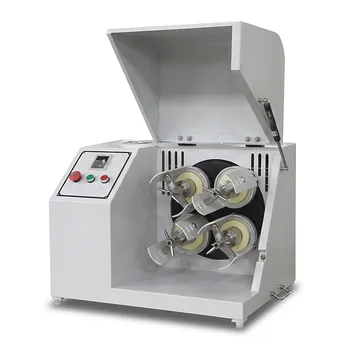
Why is argon necessary for ball milling Mg-based alloys? Prevent oxidation and maximize hydrogen storage efficiency.
Updated 5 months ago
High-purity argon is essential because magnesium-based alloys are extremely chemically reactive. During ball milling, the constant fracturing of particles creates "fresh" metallic surfaces that possess high surface energy and no protective oxide layer. Without an inert argon atmosphere to isolate these surfaces from oxygen and moisture, the material would instantly oxidize, rendering it inactive for hydrogen storage applications.
Core Takeaway: A protective atmosphere is a critical safeguard that prevents the degradation of magnesium's metallic phase. By excluding oxygen and moisture, argon ensures the final alloy maintains the high purity and surface activity required for efficient hydrogen absorption and desorption.
The Volatile Nature of Fresh Metallic Surfaces
High Surface Energy and Reactivity
Magnesium is naturally prone to oxidation, but its reactivity increases exponentially during mechanical alloying. The process breaks down bulk material into fine powders, significantly increasing the specific surface area and exposing atoms that are not yet bonded to oxygen.
The Role of Mechanical Refinement
As the ball mill crushes the alloy, it creates a continuous cycle of cold-welding and fracturing. This process exposes "fresh" metallic layers that have a desperate chemical affinity for any available oxygen or water vapor in the environment.
Preventing Oxide Contamination
If air is present, these fresh surfaces immediately form magnesium oxide (MgO) or magnesium hydroxide. These impurities act as a physical barrier on the particle surface, which blocks hydrogen from diffusing into the metal lattice and severely reduces storage capacity.
Thermal Dynamics of the Milling Process
Frictional Heat and Oxidation Triggers
High-energy ball milling generates significant frictional heat due to the intense impacts between the grinding media and the powder. This localized temperature spike acts as a catalyst, accelerating chemical reactions that might otherwise occur slowly at room temperature.
Preventing Self-Ignition
Finely divided magnesium powder is highly pyrophoric, meaning it can self-ignite when exposed to air. An argon atmosphere provides a stable, inert environment that allows the powder to absorb the thermal energy of the milling process without catching fire or undergoing uncontrolled combustion.
Maintaining Phase Stoichiometry
Hydrogen storage alloys often require a precise metallic phase structure to function. Argon ensures that constituent elements (like titanium, aluminum, or rare earths) remain in their metallic state rather than forming unintended ceramic or oxide phases that would ruin the alloy's stoichiometry.
Impact on Hydrogen Storage Performance
Ensuring Kinetic Efficiency
The speed at which an alloy absorbs hydrogen depends on its surface activity. By using high-purity argon, the powder remains "clean," allowing for faster reaction kinetics and better electrochemical performance compared to powders contaminated by atmospheric gases.
Preserving Reversibility
For a hydrogen storage material to be useful, it must be able to charge and discharge hydrogen hundreds of times. Oxide inclusions created during milling are permanent; they do not participate in the hydrogen cycle and eventually lead to the structural degradation of the storage bed.
Understanding the Trade-offs
The Cost of High Purity
Utilizing high-purity argon (typically 99.999% or higher) increases the operational cost and complexity of the milling process. The system must be perfectly sealed, as even minor leaks can introduce enough oxygen to contaminate the highly sensitive magnesium surfaces.
Handling and Transfer Challenges
The need for a protective atmosphere extends beyond the milling jar itself. The "deep need" for purity means that the powder must also be handled in glove boxes filled with argon during loading and unloading to prevent "air-snapping" of the active powder.
Heat Dissipation Limits
While argon is chemically inert, it is not as effective at transferring heat as some liquid milling media. Operators must balance the milling intensity with the cooling capacity of the argon-filled jar to prevent excessive grain growth or phase transformations.
How to Apply This to Your Project
When preparing magnesium-based alloys, the protective environment must be treated as a core component of the synthesis, not an optional step.
- If your primary focus is Maximum Storage Capacity: Use the highest grade of argon available and ensure your milling jars are vacuum-tested to prevent even trace amounts of oxygen from entering the system.
- If your primary focus is Safety and Scalability: Implement monitoring systems to track the internal pressure and temperature of the jars, as the high surface activity of magnesium increases the risk of thermal runaway if a seal fails.
- If your primary focus is Phase Purity: Always load and unload your materials within an integrated argon glove box to ensure the "fresh" surfaces created during milling never encounter atmospheric moisture.
By strictly controlling the milling environment with high-purity argon, you preserve the chemical integrity and functional longevity of magnesium-based hydrogen storage materials.
Summary Table:
| Key Factor | Without Argon (In Air) | With High-Purity Argon |
|---|---|---|
| Surface State | Rapid oxidation (MgO formation) | Clean, active metallic surfaces |
| Storage Capacity | Reduced due to oxide barriers | Maximum hydrogen capacity preserved |
| Safety Risk | High (Pyrophoric self-ignition) | Stable, inert, and safe environment |
| Reaction Kinetics | Sluggish absorption rates | Fast and efficient hydrogen kinetics |
| Phase Purity | Stoichiometric degradation | Precise metallic phase preservation |
Elevate Your Material Research with Expert Sample Prep Solutions
Precision is paramount when working with highly reactive magnesium-based alloys. At [Your Brand Name], we provide complete laboratory sample preparation solutions tailored for material science. Our expertise in powder processing and compaction equipment ensures your research remains uncontaminated and your results are reproducible.
Our extensive product range includes:
- Advanced Milling: High-energy planetary ball mills, jet mills, and cryogenic grinders for ultra-fine powder refinement.
- Compaction & Pressing: Cold/Warm Isostatic Presses (CIP/WIP), vacuum hot presses, and standard lab presses for high-density pellets.
- Preparation & Sizing: Jaw/roll crushers, sieve shakers, and powder mixers designed for specialized storage materials.
Whether you are a researcher focused on phase purity or a distributor looking for reliable OEM/ODM support and certified equipment, we are here to help. Contact our technical team today to discuss your specific requirements and safeguard your alloys' performance!
References
- E. Grigorova, П. В. Марков. Electrochemical and Gas-Solid Hydrogen Storage Properties of a Multi-Metal Magnesium-Based Alloy Obtained by Ball Milling. DOI: 10.3390/inorganics13090299
Mentioned Products
- Nanoscale High-Energy Vibratory Ball Mill for Laboratory Sample Preparation, Mechanochemistry, and Mechanical Alloying
- Laboratory Nano High Energy Ball Mill Ultrafine Grinding Mechanical Alloying
- High Energy Planetary Ball Mill for Nano Scale Grinding and Mechanical Alloying
- Planetary Ball Mill 12L
- Vertical Square Planetary Ball Mill for Laboratory Sample Preparation and Nanoscale Grinding
People Also Ask
- How does a high-energy vibratory ball mill improve the performance of MgH2? Optimize Hydrogen Storage Kinetics
- What is the purpose of adding alcohol as a PCA during titanium ball milling? Prevent Cold Welding & Enhance Refinement
- What is the Role of HEBM in High-Entropy H-SOFC Cathode Prep? Achieving Atomic-Level Homogenization
- What is the function of high-energy ball milling in ZnO membrane slurry prep? Optimize Homogenization & Dispersion
- What is the role of high-energy ball milling in antibacterial ceramic powders? Boost Reactivity & Homogeneity

Tech Team · PowderPreparation
Last updated on May 14, 2026
Related Products

Nanoscale High-Energy Vibratory Ball Mill for Laboratory Sample Preparation, Mechanochemistry, and Mechanical Alloying
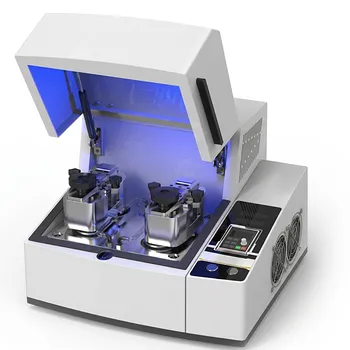
Laboratory Nano High Energy Ball Mill Ultrafine Grinding Mechanical Alloying
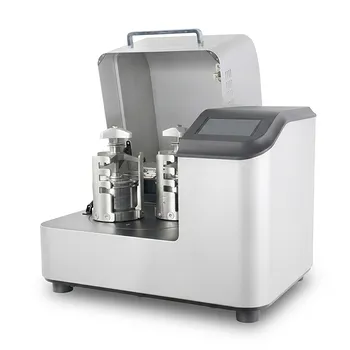
High Energy Planetary Ball Mill for Nano Scale Grinding and Mechanical Alloying
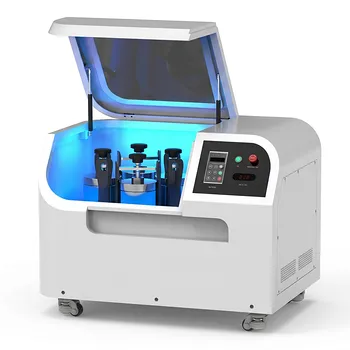
Planetary Ball Mill 12L
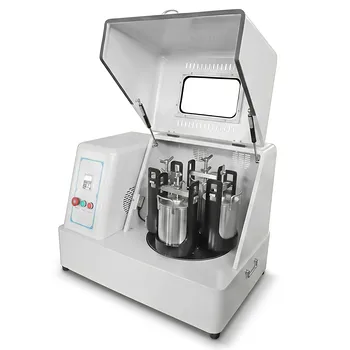
Vertical Square Planetary Ball Mill for Laboratory Sample Preparation and Nanoscale Grinding

8L Planetary Ball Mill for Laboratory Grinding and Sample Preparation
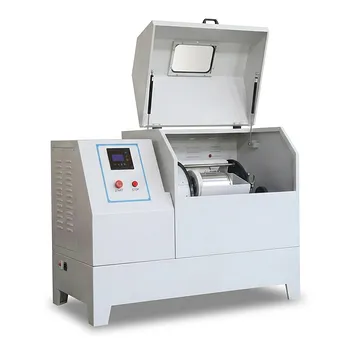
Heavy Duty Horizontal Planetary Ball Mill for Efficient Industrial Grinding and Sample Preparation
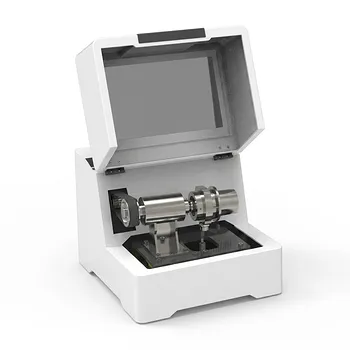
Single Tank High Energy Vibratory Ball Mill for Laboratory Grinding and Mixing
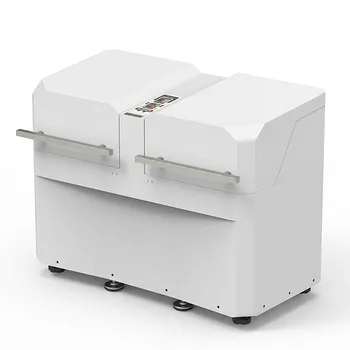
Dual Station Planetary Ball Mill 24L
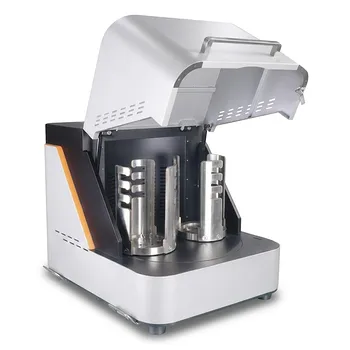
High Energy Laboratory Planetary Ball Mill for Nano Grinding and Colloidal Mixing of Hard and Brittle Materials
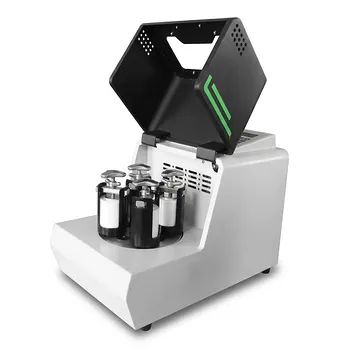
Miniature Planetary Ball Mill with Vacuum Grinding and High Efficiency for Laboratory Sample Preparation
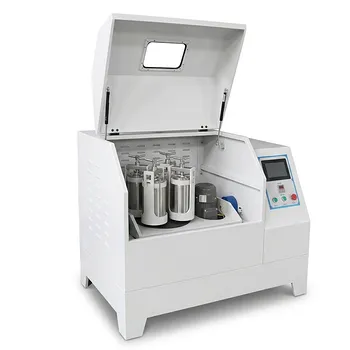
360° Rotating Omnidirectional Laboratory Planetary Ball Mill for Homogeneous Ultra-Fine Grinding and Mixing
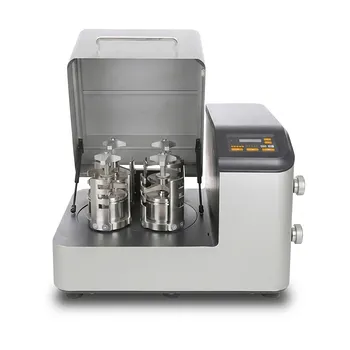
High Energy Planetary Ball Mill for Nano Scale Grinding and Colloidal Mixing in Material Science Research
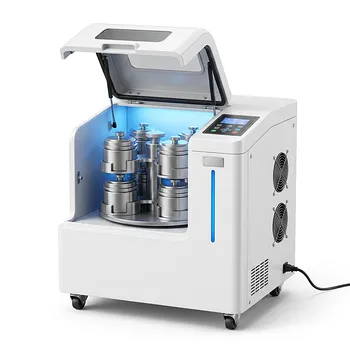
High Energy Omnidirectional Planetary Ball Mill 20L

Nano High Energy Vibratory Ball Mill for Laboratory Sample Preparation
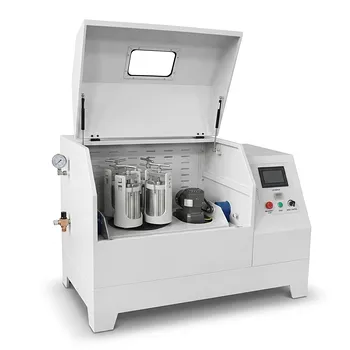
Vertical Production Planetary Ball Mill for High Throughput Powder Processing
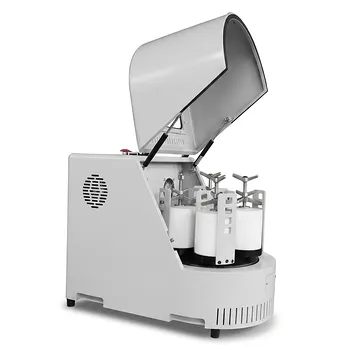
Vertical Semi Circular Planetary Ball Mill for Laboratory Precision Grinding

Multi-Platform Nanoscale High-Energy Vibratory Ball Mill

High Energy Laboratory Planetary Ball Mill for Nano Grinding and Material Science Sample Preparation