Why is a precision lab press/UTM required for bioceramic stereom compression? Ensure Accurate Mechanical Data
Updated 4 months ago
Precision laboratory hydraulic presses and universal testing machines (UTMs) are required for uniaxial compression because they provide the ultra-low displacement rates and simultaneous data recording necessary to characterize delicate structures. These machines allow researchers to apply quasi-static loads—often at speeds as low as 0.2 mm/min—to capture the precise relationship between force and deformation. Without this level of control, it is impossible to accurately define the elastic regions or energy absorption capabilities of complex bioceramic stereoms.
Core Takeaway: To accurately measure the mechanical limits of bioceramic stereoms, equipment must offer synchronized control over extremely slow displacement and high-resolution data logging to prevent dynamic interference and ensure sample reliability.
The Role of Quasi-Static Loading in Mechanical Testing
Achieving Ultra-Low Displacement Rates
Bioceramic stereoms, such as those found in sea urchin spines, require quasi-static compression to reveal their true material properties. Precision machines can maintain constant displacement rates as low as 0.2 mm/min, ensuring the material is not subjected to impact or dynamic forces.
Simultaneous Data Acquisition
A UTM does more than apply pressure; it acts as a high-resolution sensor system. By simultaneously recording load and displacement, the equipment provides the raw data required to calculate stress and strain in real-time.
Mapping the Stress-Strain Curve
The ultimate goal of using this equipment is to generate an accurate stress-strain curve. This curve is the only reliable way to identify the elastic region, the plateau stress zone, and the total energy absorption density of the bioceramic.
Ensuring Sample Integrity and Reliability
Eliminating Density Gradients
The reliability of a compression test depends heavily on the quality of the sample. Precision hydraulic presses reduce internal pores and density gradients within the material, which prevents the sample from cracking prematurely or deforming unevenly during the test.
Improving the Weibull Modulus
In small-sample studies, even minor manufacturing defects can cause massive fluctuations in data. By using a controlled press to create a consistent density distribution, researchers can stabilize the Weibull modulus, leading to more predictable and valid material characterizations.
Standardizing Sample Geometry
For uniaxial compression to be valid, the sample must be perfectly flat and uniform. High-precision presses equipped with cooling systems manage crystallization and prevent warping, ensuring the specimen faces are parallel for even load distribution.
Understanding the Trade-offs and Pitfalls
Speed vs. Accuracy
Applying loads too quickly is a common mistake that introduces inertial effects, which artificially inflate the measured strength of the bioceramic. While slower tests are time-consuming, they are the only way to observe the gradual failure of the stereom's internal architecture.
The Risk of Microstructural Non-Uniformity
If the initial molding pressure is not perfectly uniform, the resulting "green body" will have internal stresses. These hidden defects often lead to catastrophic failure during testing that does not reflect the material's actual potential, but rather its processing flaws.
How to Apply This to Your Project
Making the Right Choice for Your Goal
- If your primary focus is defining mechanical limits: Utilize a Universal Testing Machine (UTM) with a calibrated load cell to capture the specific plateau stress and elastic modulus.
- If your primary focus is material reliability and consistency: Use a precision laboratory hydraulic press with a dedicated mold to eliminate internal porosity and ensure a high relative density.
- If your primary focus is energy absorption analysis: Ensure your equipment can maintain a constant, slow displacement rate to fully map the energy dissipated during the crushing of the stereom structure.
Precision in both sample preparation and load application is the only path to producing defensible, high-quality data in bioceramic research.
Summary Table:
| Feature | Role in Bioceramic Testing | Impact on Research Quality |
|---|---|---|
| Ultra-Low Displacement | Prevents dynamic/inertial effects | Captures accurate elastic regions (0.2 mm/min) |
| Sync Data Logging | Maps load vs. deformation in real-time | Reliable energy absorption & stress-strain curves |
| Precision Compaction | Eliminates pores & density gradients | Increases material reliability & Weibull modulus |
| Cooling & Geometry | Ensures parallel, warp-free specimens | Prevents premature failure from uneven loading |
Elevate Your Material Research with High-Precision Solutions
To achieve defensible data in bioceramic research, precision in both sample preparation and mechanical testing is non-negotiable. [Our Company Name] provides complete laboratory sample preparation solutions specifically for material science.
We specialize in high-performance powder processing and compaction equipment designed to eliminate microstructural flaws before you test. Our extensive range includes:
- Sample Prep: Jaw/roll crushers, liquid nitrogen cryogenic grinders, and high-efficiency mills (planetary, jet, disc, and rotor).
- Compaction Excellence: A full spectrum of hydraulic presses, including Cold/Warm Isostatic Presses (CIP/WIP), standard lab presses, and vacuum hot presses to ensure uniform sample density.
- Post-Processing: Sieve shakers, powder mixers, and defoaming mixers for consistent material composition.
Whether you are mapping energy absorption or defining mechanical limits, our equipment ensures your samples meet the highest standards of integrity.
Ready to optimize your lab’s accuracy? Contact our experts today to find the perfect press or processing solution for your project!
References
- Ting Yang, Ling Li. High strength and damage-tolerance in echinoderm stereom as a natural bicontinuous ceramic cellular solid. DOI: 10.1038/s41467-022-33712-z
Mentioned Products
- 6-Ton Small Single-Punch Tablet Press — Laboratory Powder & Granule Tableting Equipment / Tablet Forming Machine
- 5 Ton Single Punch Tablet Press Laboratory Small Batch Production
- Manual Tablet Press with Dual Scale Pressure Gauge for Pharmaceutical Food Chemical Laboratory Sample Preparation
- 6 Ton Variable Frequency Single Punch Tablet Press
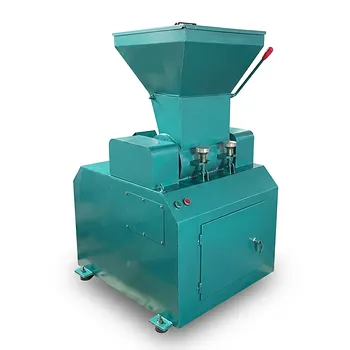
- High Speed Small Laboratory Crusher for Dry Material Sample Preparation
People Also Ask
- What is the function of a laboratory press in Cr-Ti alloy evaluation? Quantify Fracture Stress & Strength
- What is the function of a laboratory press in assessing the hydrophobic performance of modified vermiculite fillers?
- What is the core function of a laboratory press in the forming of ceramic filter element green bodies? Maximize Density.
- What is the function of a laboratory press in the preparation of ceramic feed rods? Master Density and Precision
- Why is vacuum sealing and flexible packaging necessary for Aluminum Titanate powders during CIP? Ensure Peak Density

Tech Team · PowderPreparation
Last updated on Jun 03, 2026
Related Products
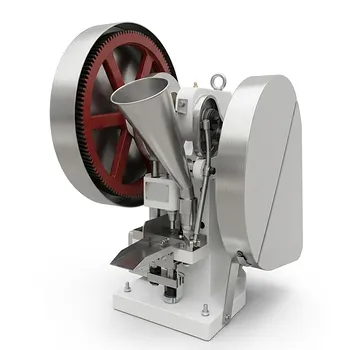
6-Ton Small Single-Punch Tablet Press — Laboratory Powder & Granule Tableting Equipment / Tablet Forming Machine
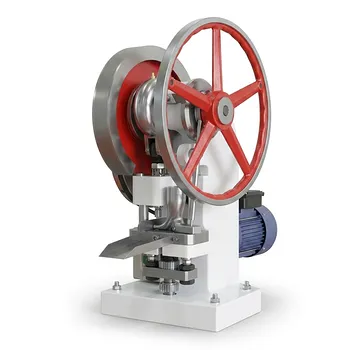
5 Ton Single Punch Tablet Press Laboratory Small Batch Production
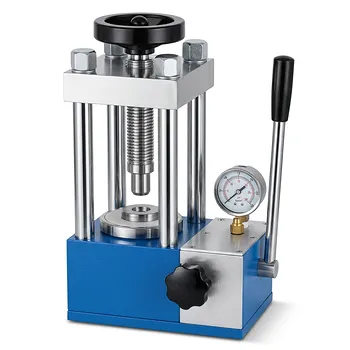
Manual Tablet Press with Dual Scale Pressure Gauge for Pharmaceutical Food Chemical Laboratory Sample Preparation
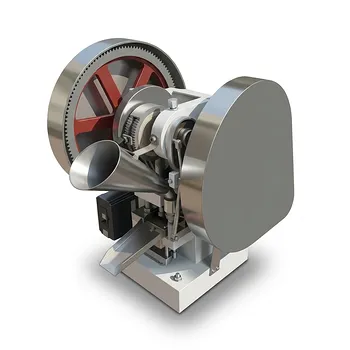
6 Ton Variable Frequency Single Punch Tablet Press
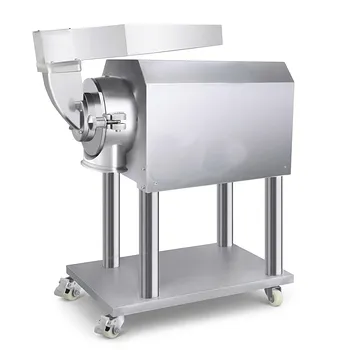
High Speed Small Laboratory Crusher for Dry Material Sample Preparation
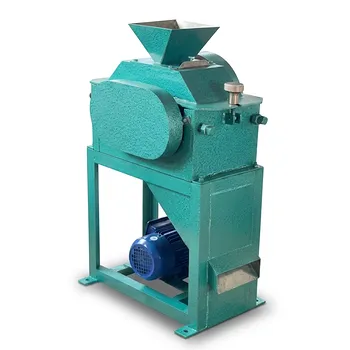
Laboratory Double Roll Crusher for Medium Hardness Materials Coal Ore Sample Preparation
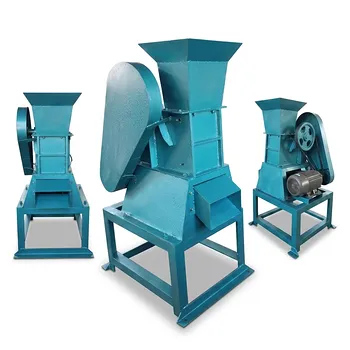
Custom Raised Height Laboratory Jaw Crusher for Precision Sample Preparation in Material Science
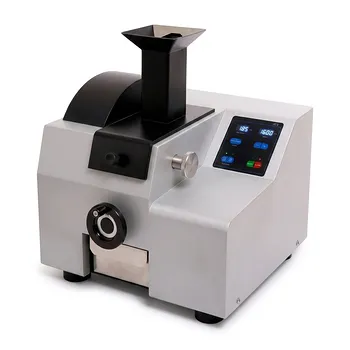
Laboratory Benchtop Jaw Crusher for Hard Brittle Materials Primary Size Reduction and Sample Preparation
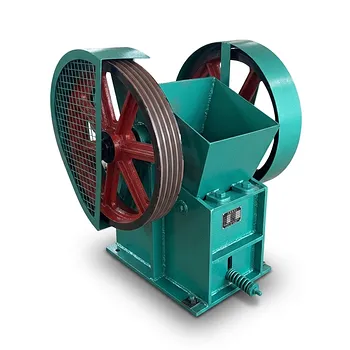
150x250mm Laboratory Jaw Crusher for Medium Hard Material Crushing and Sample Preparation
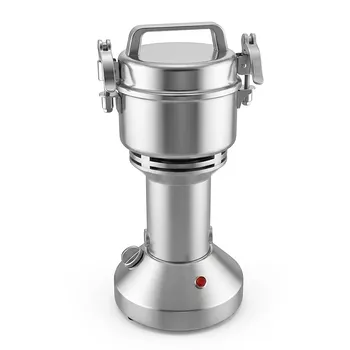
Small High Speed Upright Grinder for Laboratory Sample Preparation
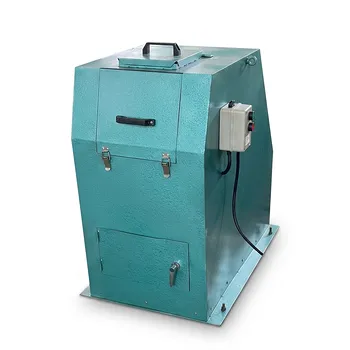
Environmentally Friendly Sealed Laboratory Jaw Crusher for Sample Preparation
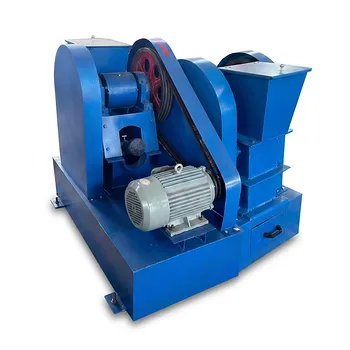
Horizontal Jaw Crusher Medium Hard Material Crushing Laboratory Sample Preparation Equipment
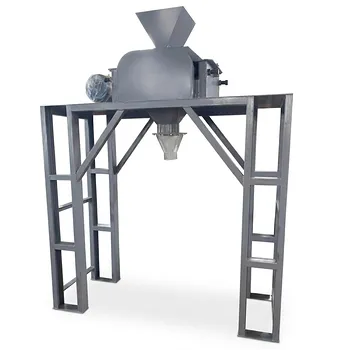
Heightened Customized Laboratory Double Roll Crusher for Coal Ore Rock Crushing
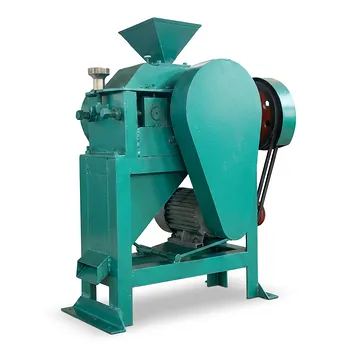
Laboratory Sealed Double Roll Crusher for Coal Ore Rock and Medium Hardness Materials Sample Preparation
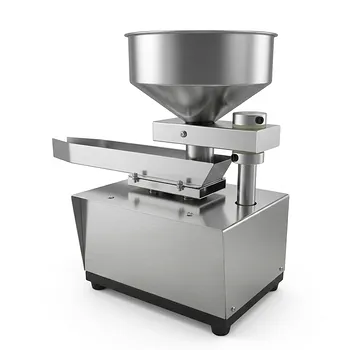
Automatic Vibrating Powder Feeder for Laboratory Material Processing Precision Vibratory Hopper Feeder for Granular and Powder Material Handling Industrial Grade Vibrating Tray Feeder for Consistent Material Sample Preparation
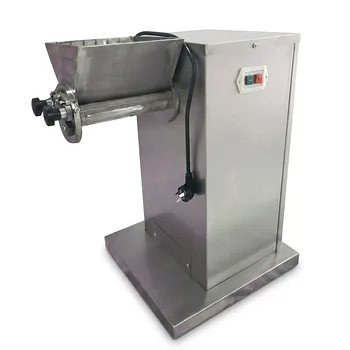
Small Laboratory Oscillating Granulator for Wet and Dry Granulation Processing
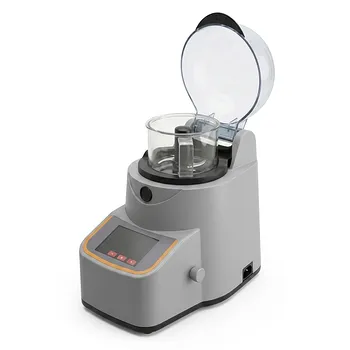
Industrial Knife Mill for Food and Biological Sample Preparation High Speed Laboratory Homogenizer
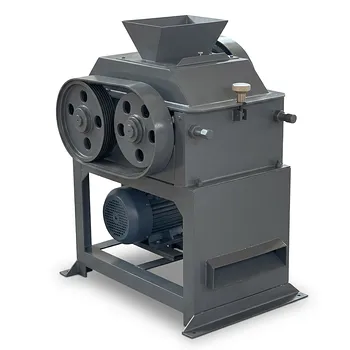
Sealed Laboratory Double Roll Crusher for Coal, Mineral, Ore Sample Preparation
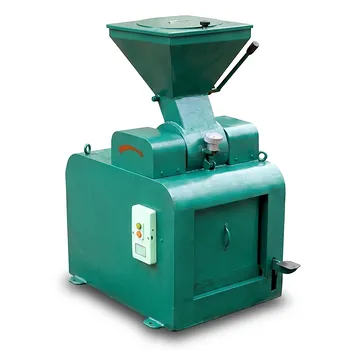
Laboratory Sealed Hammer Crushers for Coal Sample Preparation and Medium Strength Material Crushing