Why is a precise feeding and powder mixing system required in wood pellet production research? Ensure Reliable Data
Updated 5 months ago
Precise feeding and powder mixing systems are the foundation of reliable pellet research. These systems ensure that binders—such as starch or lignosulfonates—and moisture are introduced at exact ratios and blended with total uniformity into the wood raw material. Without this precision, researchers cannot accurately measure how specific additives influence critical pellet properties like mechanical strength, calorific value, and combustion efficiency.
To produce scientifically valid results in pellet production, you must eliminate variability in the raw material mix. A dedicated feeding and mixing system transforms a chaotic blend into a controlled substrate, allowing for the precise isolation and study of additive performance.
Achieving Ratiometric Accuracy
Eliminating Additive Fluctuations
In a research environment, even a minor deviation in the percentage of a binder can lead to misleading data. Precise feeding systems allow researchers to maintain strict control over the concentration of starch or lignosulfonates throughout the entire test run.
The Role of Injection Equipment
Moisture and liquid binders must be introduced at specific intervals to ensure the wood fibers reach the optimal state for compression. Additive injection equipment automates this process, removing the human error associated with manual application.
Ensuring Homogeneity for Data Integrity
Uniform Distribution of Binders
A pellet is only as strong as its weakest bond; therefore, binders must be distributed evenly across every fiber. Highly uniform blending ensures that every pellet produced during a trial represents the intended formula rather than a localized "pocket" of high or low concentration.
Validating Mechanical and Thermal Characteristics
Precise mixing is essential for validating how additives impact mechanical strength and calorific value. Without a uniform blend, combustion characteristics will fluctuate wildly, making it impossible to draw a definitive conclusion about the additive's effectiveness.
Understanding the Trade-offs
System Complexity vs. Control
Integrating automated feeding and mixing systems increases the initial setup cost and requires more rigorous calibration. However, the alternative is a high "noise" level in your data, which often necessitates repeating expensive trials.
Throughput and Scalability Constraints
While laboratory-scale mixing provides the highest precision, it may not perfectly mirror the dynamics of a high-speed industrial production line. Researchers must balance the need for absolute precision with the practical realities of how materials behave at scale.
Optimizing Your Research Configuration
Effective pellet research requires a system that prioritizes consistency above all else. By standardizing the input phase, you ensure that any changes in the output are a direct result of your experimental variables.
- If your primary focus is improving pellet durability: Prioritize a high-shear powder mixing system to ensure binders like starch are thoroughly integrated into the wood cell structure.
- If your primary focus is energy density and combustion: Invest in precise injection equipment to manage moisture levels, as even small water-content variances can drastically alter calorific readings.
- If your primary focus is cost-optimization of additives: Use a ratiometric feeding system to find the "minimum effective dose" of expensive lignosulfonates without compromising pellet integrity.
Precision in the mixing stage is the only way to transform anecdotal observations into reproducible scientific breakthroughs.
Summary Table:
| Research Factor | Role of Precision System | Impact on Pellet Quality |
|---|---|---|
| Additive Ratios | Controls binders (starch/lignosulfonates) accurately | Consistent mechanical strength & durability |
| Moisture Control | Automates liquid injection to remove human error | Accurate calorific value & combustion readings |
| Homogeneity | Ensures uniform fiber and binder distribution | High data integrity; eliminates sample variability |
| Scalability | Standardizes input phase for industrial modeling | Reliable transition from lab to production scale |
Elevate Your Pellet Research with Precision Equipment
Achieve scientific breakthroughs in material science with our complete laboratory sample preparation solutions. We specialize in powder processing and compaction equipment tailored for high-accuracy research environments.
Our extensive product lines include:
- Advanced Mixing: Powder mixers and defoaming mixers for total homogeneity.
- Size Reduction: Jaw/roll crushers and high-performance mills (planetary ball, jet, sand/bead, disc, rotor).
- Sample Preparation: Sieve shakers and a full spectrum of hydraulic presses, including Cold/Warm Isostatic Presses (CIP/WIP), vacuum hot presses, and XRF pellet presses.
Whether you are optimizing pellet durability or energy density, our equipment ensures your results are reproducible and accurate. Contact us today to discuss your laboratory needs and find the perfect solution for your research goals.
References
- Matti Kuokkanen, Jouko Niinimäki. Additives in wood pellet produciton - A pilot-scale study of binding agent usage. DOI: 10.15376/biores.6.4.4331-4355
Mentioned Products
- Multi Dimensional Universal Mixer for High Uniformity Powder Blending
- V-Type Powder Mixer for Uniform Blending of Dry Powders and Granules
- Inclined Mixer for Homogeneous Powder Blending and Grinding
- Horizontal Trough Mixer for Uniform Powder and Paste Blending
- Industrial Double Cone Mixer for Powder Blending and Homogeneous Mixing
People Also Ask
- What is the role of a multi-dimensional powder mixer in the preparation of Ce-TZP ceramics? Optimize Homogenization
- What is the importance of using a high-efficiency powder mixer when preparing sand and soil mixtures? Accurate Results.
- What is the role of a powder mixer in SiC mechanical seal ring production? Ensure Homogeneity and Structural Integrity
- Why is high-uniformity powder mixing essential for antibacterial ceramic glazes? Ensure Consistent Bioactive Protection
- How do powder mixers and additives influence ZTA ceramics? Optimize microstructure for superior toughness and density

Tech Team · PowderPreparation
Last updated on May 14, 2026
Related Products
Multi Dimensional Universal Mixer for High Uniformity Powder Blending
V-Type Powder Mixer for Uniform Blending of Dry Powders and Granules
Inclined Mixer for Homogeneous Powder Blending and Grinding
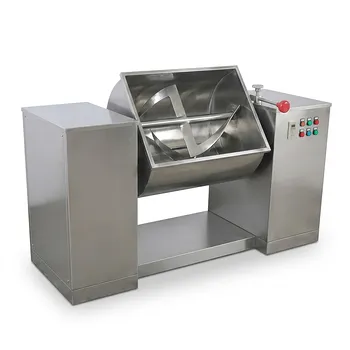
Horizontal Trough Mixer for Uniform Powder and Paste Blending
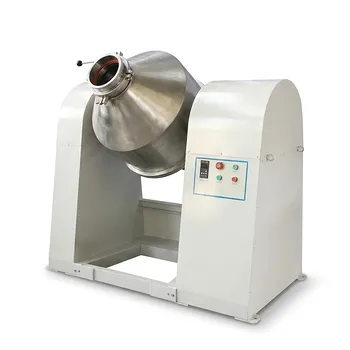
Industrial Double Cone Mixer for Powder Blending and Homogeneous Mixing
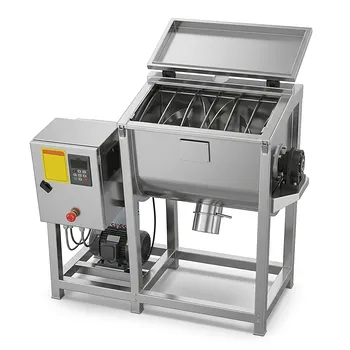
Horizontal Ribbon Mixer for Uniform Powder and Slurry Mixing
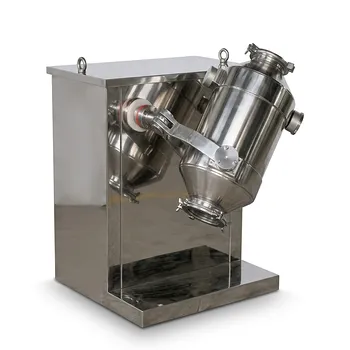
Three-Dimensional Motion Mixer for Laboratory Powder and Granule Blending
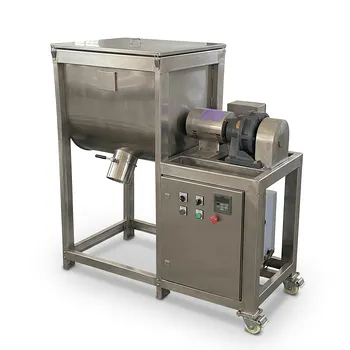
Horizontal Ribbon Mixer for Dry Powder and Slurry Blending
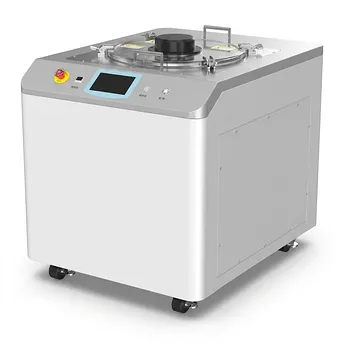
Industrial Planetary Centrifugal Vacuum Defoaming Mixer for High Viscosity Paste and Powder Homogenization
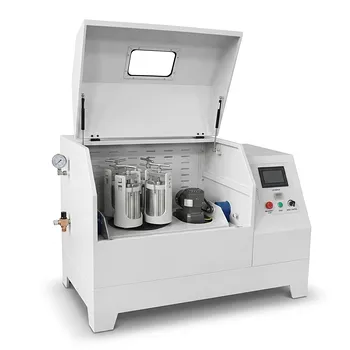
Vertical Production Planetary Ball Mill for High Throughput Powder Processing
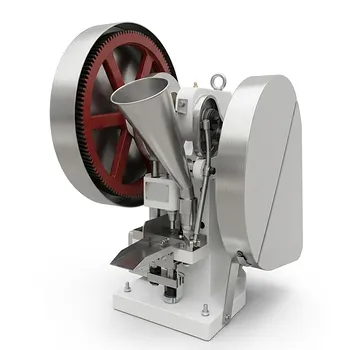
6-Ton Small Single-Punch Tablet Press — Laboratory Powder & Granule Tableting Equipment / Tablet Forming Machine
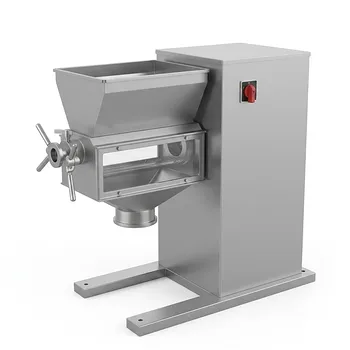
Industrial Swing Granulator for Powder Processing in Pharma Food and Chemical Industries
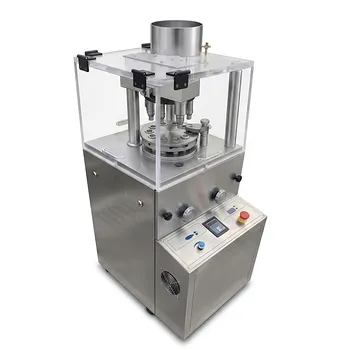
Enhanced 9 Punch Rotary Tablet Press for Powder Compaction
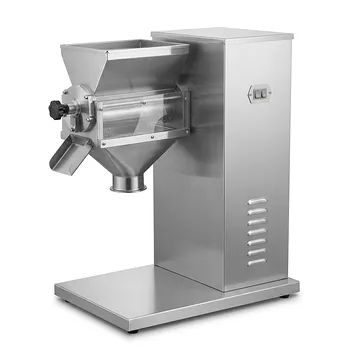
Small Swing Granulator Efficient Powder Granulation for Pharmaceutical Chemical Food Industries
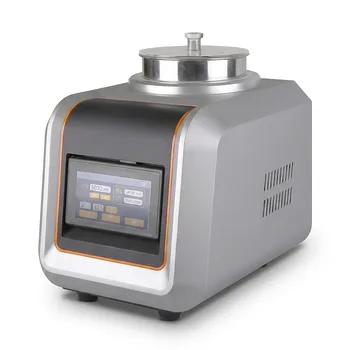
Laboratory Air Jet Sieving Machine for Fine Powder Particle Size Analysis and Deagglomeration
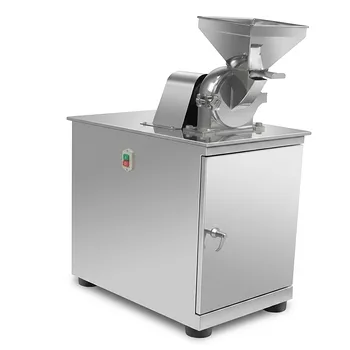
Universal Laboratory Pulverizer Grinder for Small Batch Powder Processing and Material Science Research
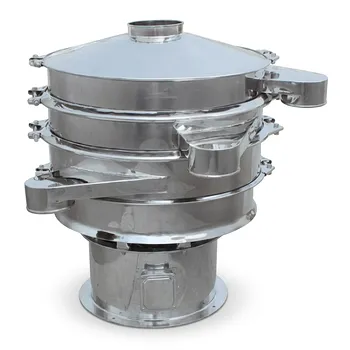
Stainless Steel Rotary Vibrating Sieve High Precision Circular Vibratory Separator Industrial Powder Grading Machine Multi Layer Sifting Equipment
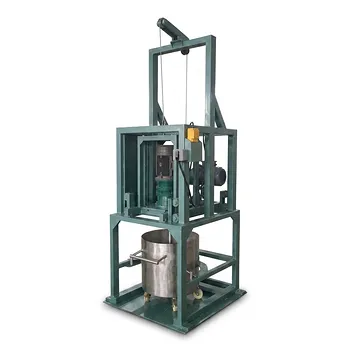
High-Speed Simple Disperser for Efficient Mixing, Dispersion, and Emulsification
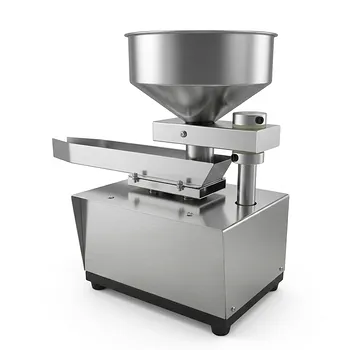
Automatic Vibrating Powder Feeder for Laboratory Material Processing Precision Vibratory Hopper Feeder for Granular and Powder Material Handling Industrial Grade Vibrating Tray Feeder for Consistent Material Sample Preparation