How do powder mixers and additives influence ZTA ceramics? Optimize microstructure for superior toughness and density
Updated 4 months ago
Powder mixers and chemical additives are the primary architects of ZTA's microstructure, directly determining its mechanical integrity and toughening capabilities. Through high-energy mixing processes and precise additive integration, manufacturers achieve a sub-micron dispersion of zirconia within the alumina matrix. This synergy minimizes porosity, increases material density (potentially from 3.80 g/cm³ to 4.36 g/cm³), and ensures the zirconia phase is optimally positioned to arrest crack propagation through transformation toughening.
The structural performance of ZTA depends on achieving a perfectly homogeneous dispersion of secondary phases and additives at the sub-micron level. Effective mixing creates high-activity powders that densify efficiently, while additives regulate the solid-solution reactions necessary for superior wear resistance.
Engineering Homogeneity via Mixing Technology
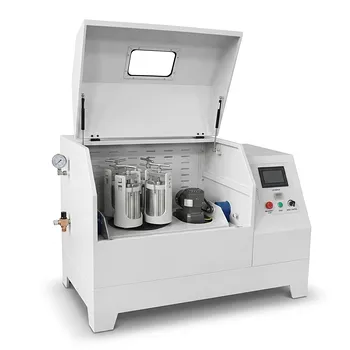
The Impact of High-Energy Sand Milling
A sand mill provides an extremely high energy density environment that refines particles to approximately 1 micrometer. This process eliminates microscopic non-uniformities and increases the number of contact points between particles.
The result is a significantly denser microstructure with lower porosity. This refinement is responsible for increasing density from 3.80 g/cm³ to 4.36 g/cm³, which drastically enhances both hardness and flexural strength.
Mechanical Activation through Ball Milling
Ball milling utilizes high-frequency impact and shearing to mix multi-component raw materials at a sub-micron level. This mechanical energy increases the specific surface area of the powder.
The increased surface area creates a high-activity raw material base. This activity is essential for effective densification during the subsequent sintering phase.
Wet Mixing and Agglomerate Reduction
Using a high-energy mixer in a liquid medium, such as isopropyl alcohol, facilitates the breakdown of powder agglomerates. This "wet mixing" can last for extended periods, such as 30 hours, to ensure nanoscale precision.
This process ensures that nanoscale zirconia achieves a high degree of uniform physical dispersion. This creates the foundation for fine, evenly distributed second-phase particles that optimize the toughening effect.
Chemical Modifiers and Solid-Solution Reactions
Regulating the Matrix with MgO and TiO2
Specific additives like MgO (Magnesium Oxide) and TiO2 (Titanium Dioxide) are used to balance solid-solution reactions during sintering. These additives help control grain growth and stabilize the alumina matrix.
A homogeneous distribution of these additives is critical. Without uniform mixing, localized phase imbalances can occur, leading to structural weak points and inconsistent wear resistance.
Optimizing the Zirconia Toughening Phase
The addition of zirconia into the alumina matrix is intended to act as a toughening phase. For this to work, the zirconia must be distributed so that it can undergo a phase transformation to arrest cracks.
Proper mixing ensures that the zirconia does not cluster. When perfectly dispersed, it maximizes the material's resistance to demanding industrial environments.
Understanding the Trade-offs
Energy Intensity vs. Contamination Risk
While high-energy sand milling produces the densest results, it introduces the risk of media wear. Small amounts of the milling media can wear down and enter the powder mix, potentially acting as impurities that affect the final ceramic's purity.
Processing Time vs. Material Uniformity
Extended wet mixing (30+ hours) ensures superior dispersion but significantly increases production lead times and energy costs. Manufacturers must balance the need for nanoscale perfection with the economic realities of the application.
Additive Precision and Phase Stability
Additives like TiO2 can improve densification but must be used in precise quantities. An over-concentration in one area due to poor mixing can lead to localized grain growth, which actually reduces the overall fracture toughness of the ZTA component.
How to Apply This to Your Project
When selecting a processing route for ZTA ceramics, consider your primary performance requirements:
- If your primary focus is Maximum Hardness and Density: Utilize high-energy sand milling to refine particles to the 1-micrometer level and eliminate porosity.
- If your primary focus is Structural Toughness: Prioritize long-duration wet mixing to ensure nanoscale zirconia is perfectly dispersed without agglomeration.
- If your primary focus is Wear Resistance in Chemical Environments: Focus on the precise integration of MgO and TiO2 via ball milling to ensure stable solid-solution reactions.
By mastering the intersection of mechanical mixing and chemical additives, you can engineer ZTA ceramics that meet the most rigorous industrial standards.
Summary Table:
| Factor | Processing Method | Key Impact on ZTA Structure |
|---|---|---|
| High-Energy Sand Mill | Particle refinement to ~1µm | Increases density (up to 4.36 g/cm³) and hardness |
| Ball Milling | Sub-micron mechanical activation | Increases specific surface area and sintering activity |
| Wet Mixing | 30h liquid-medium processing | Ensures nanoscale zirconia dispersion; prevents clustering |
| Additives (MgO/TiO2) | Chemical solid-solution reaction | Regulates grain growth and enhances wear resistance |
Elevate Your Material Science Research with Precision Equipment
Achieving the perfect Zirconia Toughened Alumina (ZTA) microstructure requires more than just a formula; it demands precision engineering. At [Insert Brand Name], we provide complete laboratory sample preparation solutions specifically designed for material science, specializing in advanced powder processing and compaction equipment.
Whether you are refining particles to the sub-micron level or seeking the perfect pellet density, our extensive product lines are designed to meet your most rigorous standards:
- Advanced Milling & Grinding: Achieve nanoscale precision with our planetary ball mills, jet mills, sand/bead mills, rotor mills, and liquid nitrogen cryogenic grinders.
- Sieving & Mixing: Ensure homogeneity with vibratory/air-jet sieve shakers, high-efficiency powder mixers, and specialized defoaming mixers.
- Superior Compaction: Manufacture high-density components using our full spectrum of hydraulic presses, including Cold/Warm Isostatic Presses (CIP/WIP), standard lab presses, XRF pellet presses, and vacuum hot presses.
Ready to optimize your ceramic production and ensure material integrity? Contact our experts today to find the ideal equipment solution for your laboratory or production line.
References
- <p>Dan Liu, Dongsheng Li, Ya’nan Zhang, Junyi Ma, Guisheng Liang, Huiyao Wang</p>. Research on the Influence of Additives on the Mechanical Properties of Zirconia-Toughened Alumina Ceramics. DOI: 10.25236/ijfet.2025.070105
Mentioned Products
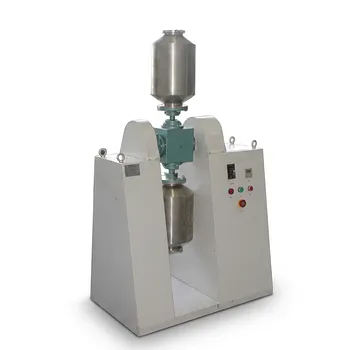
- Multi Dimensional Universal Mixer for High Uniformity Powder Blending
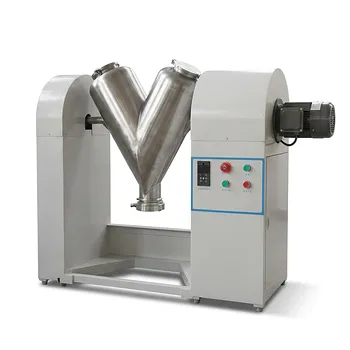
- V-Type Powder Mixer for Uniform Blending of Dry Powders and Granules
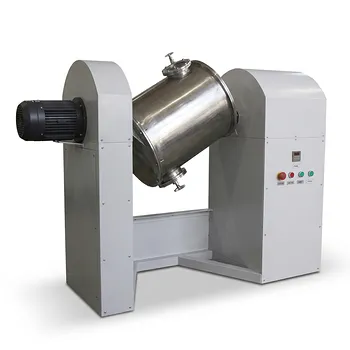
- Inclined Mixer for Homogeneous Powder Blending and Grinding
- Horizontal Trough Mixer for Uniform Powder and Paste Blending
- Industrial Double Cone Mixer for Powder Blending and Homogeneous Mixing
People Also Ask
- What is the role of a multi-dimensional powder mixer in the preparation of Ce-TZP ceramics? Optimize Homogenization
- What is the importance of using a high-efficiency powder mixer when preparing sand and soil mixtures? Accurate Results.
- What is the role of a powder mixer in SiC mechanical seal ring production? Ensure Homogeneity and Structural Integrity
- Why is high-uniformity powder mixing essential for antibacterial ceramic glazes? Ensure Consistent Bioactive Protection
- Why is it necessary to consider the influence of static walls in powder mixing experiment design? Optimize Uniformity.

Tech Team · PowderPreparation
Last updated on Jun 03, 2026
Related Products
Multi Dimensional Universal Mixer for High Uniformity Powder Blending
V-Type Powder Mixer for Uniform Blending of Dry Powders and Granules
Inclined Mixer for Homogeneous Powder Blending and Grinding
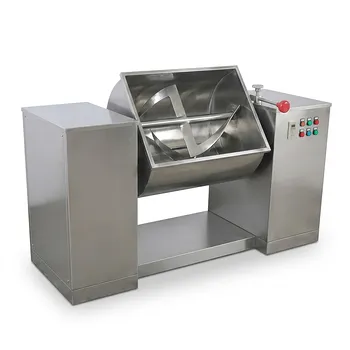
Horizontal Trough Mixer for Uniform Powder and Paste Blending
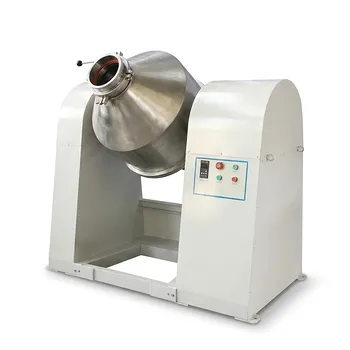
Industrial Double Cone Mixer for Powder Blending and Homogeneous Mixing
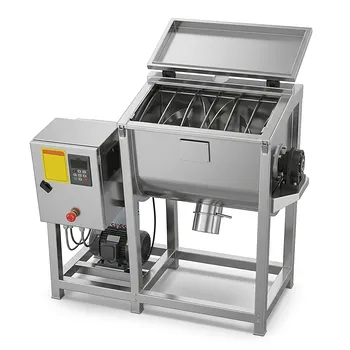
Horizontal Ribbon Mixer for Uniform Powder and Slurry Mixing
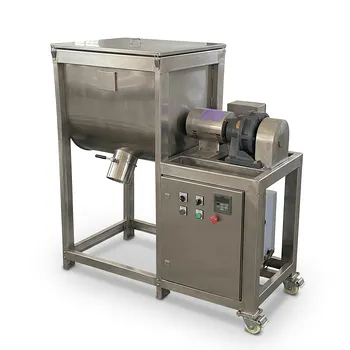
Horizontal Ribbon Mixer for Dry Powder and Slurry Blending
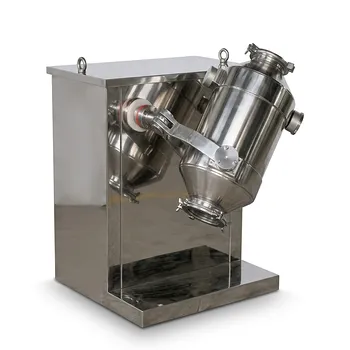
Three-Dimensional Motion Mixer for Laboratory Powder and Granule Blending
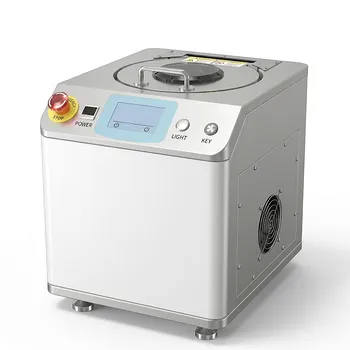
High Efficiency Vacuum Planetary Centrifugal Mixer and Defoaming Machine for Industrial Material Research and Precise Laboratory Powder Dispersion
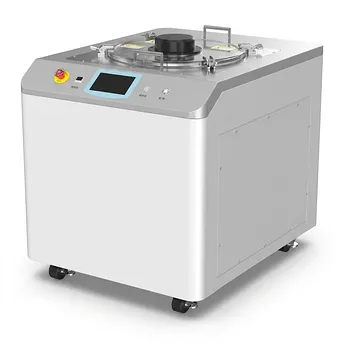
Industrial Planetary Centrifugal Vacuum Defoaming Mixer for High Viscosity Paste and Powder Homogenization
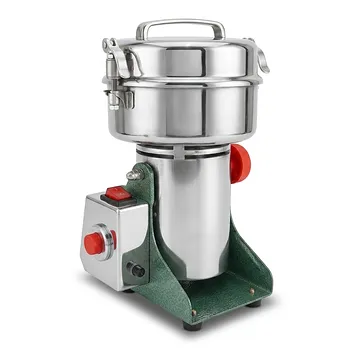
Small High-Speed Laboratory Grinder for Powder Processing
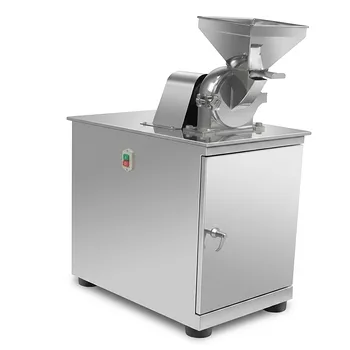
Universal Laboratory Pulverizer Grinder for Small Batch Powder Processing and Material Science Research
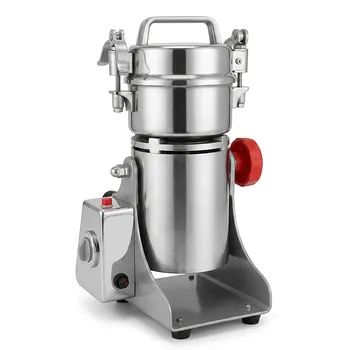
Industrial High Speed Small Sample Pulverizer Swing Type Laboratory Grinder for Powder Processing
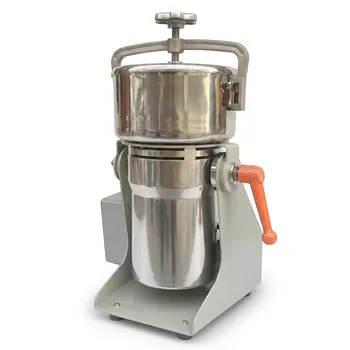
High Speed Laboratory Grinder Efficient Stainless Steel Powder Pulverizer Universal Material Science Mill for Sample Preparation
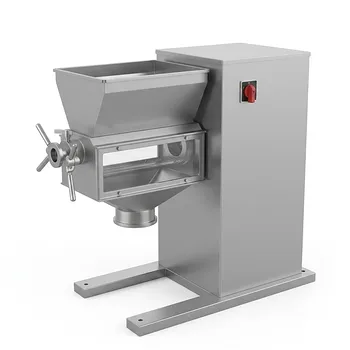
Industrial Swing Granulator for Powder Processing in Pharma Food and Chemical Industries
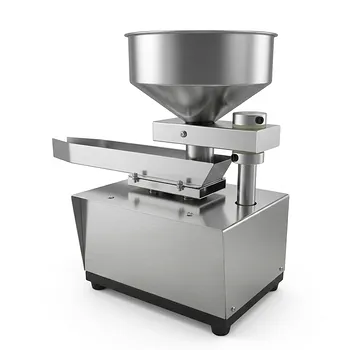
Automatic Vibrating Powder Feeder for Laboratory Material Processing Precision Vibratory Hopper Feeder for Granular and Powder Material Handling Industrial Grade Vibrating Tray Feeder for Consistent Material Sample Preparation
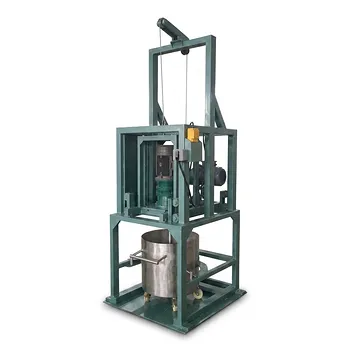
High-Speed Simple Disperser for Efficient Mixing, Dispersion, and Emulsification
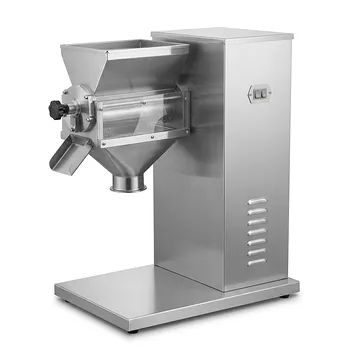
Small Swing Granulator Efficient Powder Granulation for Pharmaceutical Chemical Food Industries
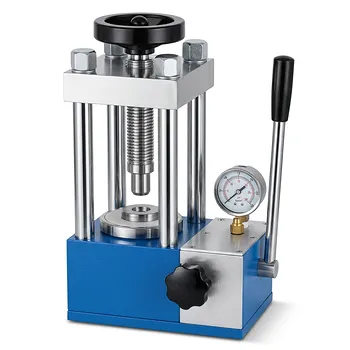
Manual Tablet Press with Dual Scale Pressure Gauge for Pharmaceutical Food Chemical Laboratory Sample Preparation