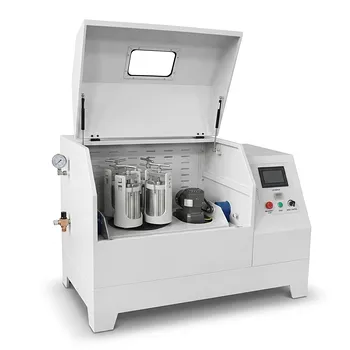
What is the role of a powder mixer in SiC mechanical seal ring production? Ensure Homogeneity and Structural Integrity
Updated 5 months ago
The powder mixer serves as the critical bridge between raw raw materials and a structurally sound finished product. In the production of silicon carbide (SiC) mechanical seal rings, the mixer uses mechanical force to distribute multi-component binders and lubricants uniformly throughout the SiC powder. This homogenization is essential to prevent component segregation, which would otherwise lead to fatal structural defects during the subsequent pressing and molding stages.
The primary role of a powder mixer is to achieve a high degree of component uniformity by mechanically integrating SiC particles with binders like hydrogenated castor oil and liquid wax. This process ensures consistent material density and facilitates defect-free molding, establishing the physical foundation for high-performance mechanical seals.
Ensuring Homogeneity in Multi-Component Systems
Distribution of Complex Binder Systems
SiC seal rings rely on a variety of binders—such as oleic acid, vaseline, and liquid wax—to provide the necessary green strength for molding. The powder mixer ensures these viscous additives are distributed at the micrometer scale across the SiC particles. This thorough coating is necessary for the powder to respond predictably to mechanical pressure.
Prevention of Component Segregation
Without intensive mixing, different components tend to group together based on density or particle size. This segregation creates "weak spots" within the powder mass. A high-quality mixing process eliminates these gradients, ensuring that the chemical composition is identical at every point in the mixture.
Establishing the Microstructure Foundation
The mixer's ability to apply high-frequency oscillation or mechanical shear determines the final quality of the material's electronic and thermal networks. By integrating SiC particles into a robust network at the start, the mixer directly influences the final ohmic resistance and thermal stability of the seal ring.
Impact on Downstream Manufacturing Processes
Enhancing Pressing and Molding Efficiency
Uniformly mixed powders exhibit superior flow characteristics when filling molds. This consistency is vital for high-volume powder metallurgy, as it ensures each seal ring meets strict dimensional tolerances without manual adjustments.
Optimizing Sintering and Densification
While mixing is an initial step, its effects are most visible during high-temperature sintering. Homogenization allows for a reduction in sintering temperatures and promotes uniform densification of the SiC skeleton. This leads to a more "reliable" ceramic that performs consistently under mechanical stress.
Managing Fiber and Additive Distribution
When specialized versions of SiC rings incorporate fibers for reinforcement, the mixer prevents the agglomeration of fiber bundles. By ensuring a random, uniform distribution within the powder matrix, the mixer provides the necessary foundation for advanced techniques like binder jetting additive manufacturing.
Understanding the Trade-offs and Pitfalls
Mechanical Shear vs. Particle Integrity
While high-intensity mixing (such as ball milling) provides excellent homogenization, it can lead to unintended particle size reduction. Over-processing may alter the physical characteristics of the SiC powder, potentially affecting the final density of the seal ring.
Heat Buildup and Over-Blending
Extended mixing durations, intended to ensure perfection, can actually cause binder tackiness due to friction-induced heat. This "over-blending" may lead to re-agglomeration, where the powder begins to clump, negating the benefits of the mixing process.
Contamination Risks
The use of mechanical force inevitably involves wear on the mixing blades or grinding media. If the mixer's internal components are not compatible with silicon carbide, they can introduce metallic or ceramic impurities that compromise the seal's purity and performance.
Applying Mixing Strategies to Your Production
Successful preparation of SiC mechanical seal rings requires matching the mixing intensity to your specific material goals.
- If your primary focus is structural density: Utilize high-shear mechanical mixing or ball milling to ensure binders like phenolic resin are perfectly distributed across the SiC matrix.
- If your primary focus is complex geometries: Prioritize tumbling mixers for extended durations (e.g., 12 hours) to ensure a random distribution of fibers without damaging the material structure.
- If your primary focus is thermal performance: Use high-frequency oscillation to achieve micrometer-scale distribution of conductive agents, ensuring a stable electronic conduction network.
Achieving total uniformity during the mixing stage is the single most effective way to eliminate structural failures in the final silicon carbide product.
Summary Table:
| Key Role of Powder Mixer | Technical Benefit | Impact on Final SiC Product |
|---|---|---|
| Binder Distribution | Micrometer-scale coating of SiC particles | Enhanced green strength and defect-free molding |
| Homogenization | Eliminates component segregation | Prevents "weak spots" and structural failures |
| Flow Optimization | Improves powder flow characteristics | Ensures strict dimensional tolerances and consistency |
| Sintering Prep | Facilitates uniform densification | Lowers sintering temperatures and increases reliability |
Optimize Your Material Performance with Precision Sample Preparation
Achieving the perfect microstructure in silicon carbide (SiC) components requires more than just raw materials—it requires precision engineering at every stage. [Your Brand Name] provides complete laboratory sample preparation solutions for material science, specializing in high-performance powder processing and compaction equipment.
Our extensive product line is designed to ensure total uniformity and density in your powder metallurgy workflows:
- Powder Processing: Achieve micrometer-scale distribution with our advanced powder mixers, defoaming mixers, and high-energy mills (planetary ball, jet, and rotor mills).
- Material Preparation: From jaw and roll crushers to liquid nitrogen cryogenic grinders and vibratory sieve shakers.
- Advanced Compaction: Ensure defect-free molding with our full spectrum of hydraulic presses, including Cold/Warm Isostatic Presses (CIP/WIP), standard lab presses, and vacuum hot presses.
Eliminate structural failures and enhance your lab's efficiency today. Contact our technical experts to find the ideal equipment solution for your SiC manufacturing needs!
References
- Kurniawan Kurniawan, Fachrul Rozy. Analysis of Seal Face Formation Parameters using Powder Metallurgy Technology with Taguchi Method and Gray Relational Analysis. DOI: 10.12962/j25807471.v6i2.11890
Mentioned Products
- Multi Dimensional Universal Mixer for High Uniformity Powder Blending
- V-Type Powder Mixer for Uniform Blending of Dry Powders and Granules
- Inclined Mixer for Homogeneous Powder Blending and Grinding
- Horizontal Trough Mixer for Uniform Powder and Paste Blending
- Industrial Double Cone Mixer for Powder Blending and Homogeneous Mixing
People Also Ask
- What is the role of a multi-dimensional powder mixer in the preparation of Ce-TZP ceramics? Optimize Homogenization
- What is the importance of using a high-efficiency powder mixer when preparing sand and soil mixtures? Accurate Results.
- Why is high-uniformity powder mixing essential for antibacterial ceramic glazes? Ensure Consistent Bioactive Protection
- How do powder mixers and additives influence ZTA ceramics? Optimize microstructure for superior toughness and density
- Why is it necessary to consider the influence of static walls in powder mixing experiment design? Optimize Uniformity.

Tech Team · PowderPreparation
Last updated on May 14, 2026
Related Products
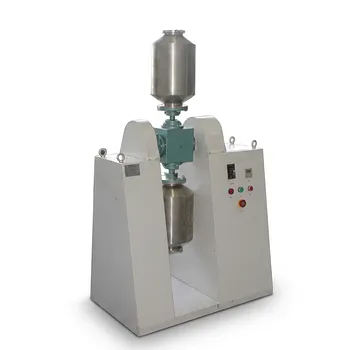
Multi Dimensional Universal Mixer for High Uniformity Powder Blending
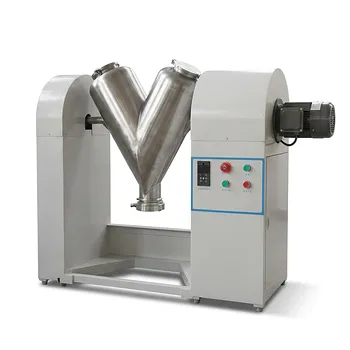
V-Type Powder Mixer for Uniform Blending of Dry Powders and Granules
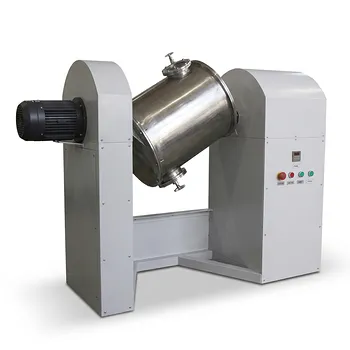
Inclined Mixer for Homogeneous Powder Blending and Grinding
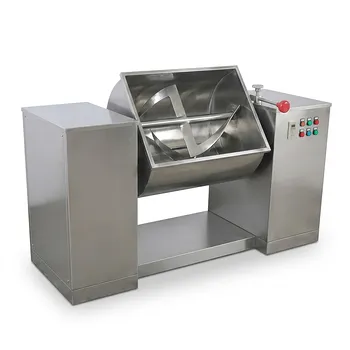
Horizontal Trough Mixer for Uniform Powder and Paste Blending
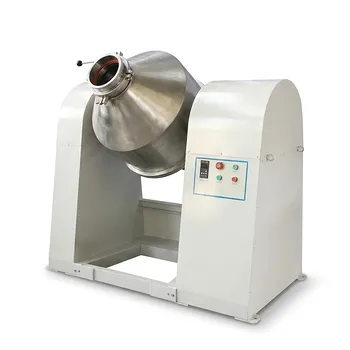
Industrial Double Cone Mixer for Powder Blending and Homogeneous Mixing
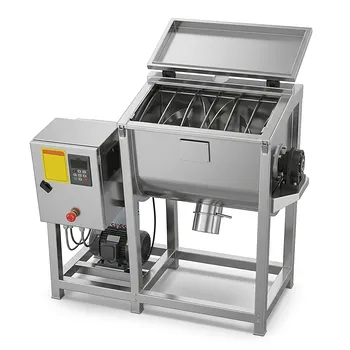
Horizontal Ribbon Mixer for Uniform Powder and Slurry Mixing
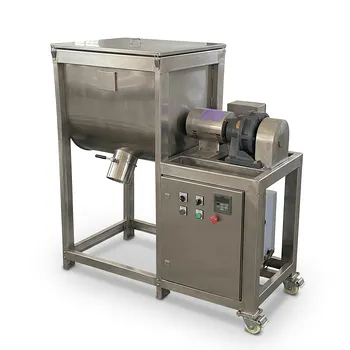
Horizontal Ribbon Mixer for Dry Powder and Slurry Blending
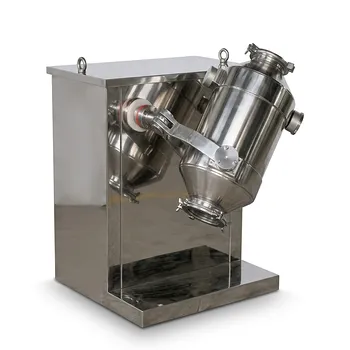
Three-Dimensional Motion Mixer for Laboratory Powder and Granule Blending
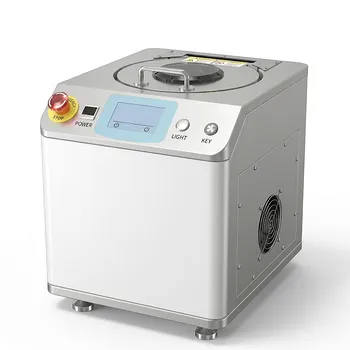
High Efficiency Vacuum Planetary Centrifugal Mixer and Defoaming Machine for Industrial Material Research and Precise Laboratory Powder Dispersion
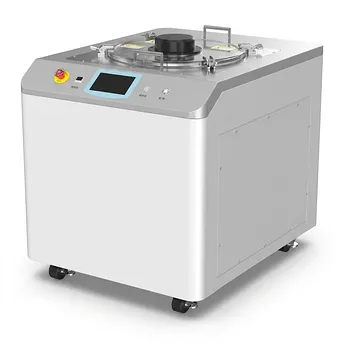
Industrial Planetary Centrifugal Vacuum Defoaming Mixer for High Viscosity Paste and Powder Homogenization
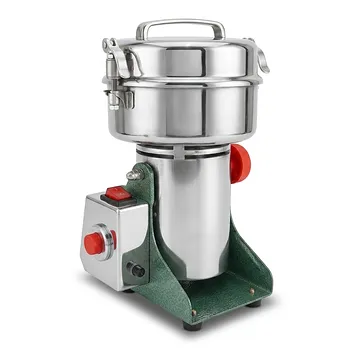
Small High-Speed Laboratory Grinder for Powder Processing
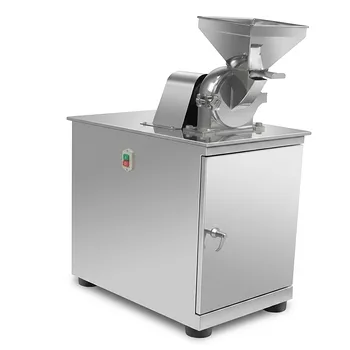
Universal Laboratory Pulverizer Grinder for Small Batch Powder Processing and Material Science Research
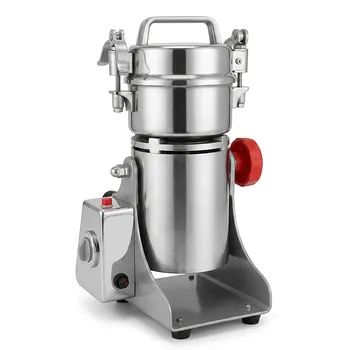
Industrial High Speed Small Sample Pulverizer Swing Type Laboratory Grinder for Powder Processing
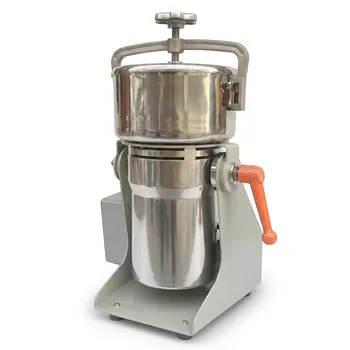
High Speed Laboratory Grinder Efficient Stainless Steel Powder Pulverizer Universal Material Science Mill for Sample Preparation
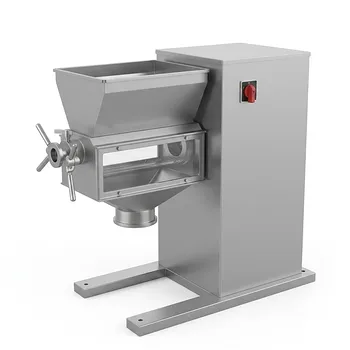
Industrial Swing Granulator for Powder Processing in Pharma Food and Chemical Industries
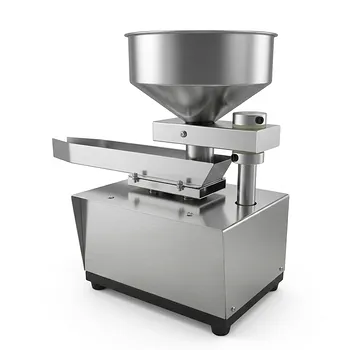
Automatic Vibrating Powder Feeder for Laboratory Material Processing Precision Vibratory Hopper Feeder for Granular and Powder Material Handling Industrial Grade Vibrating Tray Feeder for Consistent Material Sample Preparation
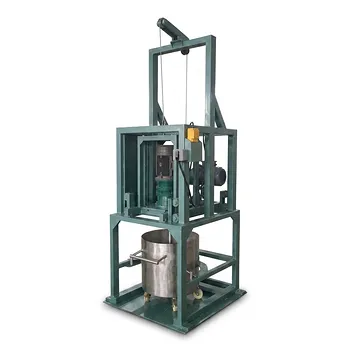
High-Speed Simple Disperser for Efficient Mixing, Dispersion, and Emulsification
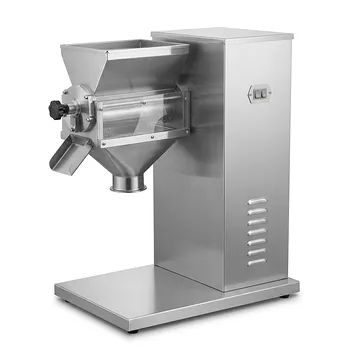
Small Swing Granulator Efficient Powder Granulation for Pharmaceutical Chemical Food Industries
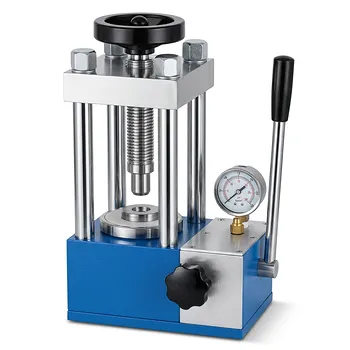
Manual Tablet Press with Dual Scale Pressure Gauge for Pharmaceutical Food Chemical Laboratory Sample Preparation