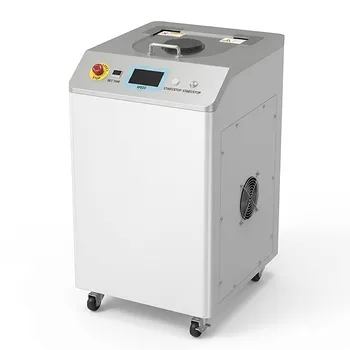
What is the role of a multi-dimensional powder mixer in the preparation of Ce-TZP ceramics? Optimize Homogenization
Updated 4 months ago
The multi-dimensional powder mixer is the primary tool used to achieve molecular-level homogenization of trace dopants within the zirconia matrix. In the preparation of Cerium-stabilized Tetragonal Zirconia Polycrystal (Ce-TZP), these mixers employ multi-directional motion to generate the shear forces necessary to blend divalent oxide dopant precursors into a zirconia powder suspension. This high degree of uniformity is the fundamental prerequisite for regulating the material’s microstructure and ensuring precise chemical segregation at the grain boundaries.
A multi-dimensional powder mixer facilitates the transition from a simple physical blend to a molecular-level distribution of dopants, which is essential for controlling the grain boundary chemistry and mechanical consistency of Ce-TZP ceramics.
The Mechanics of Multi-Directional Homogenization
Utilizing Multi-Directional Motion
Unlike traditional single-axis mixers, multi-dimensional equipment moves the mixing vessel through several planes of rotation and translation simultaneously. This complex movement creates continuous shear and mixing actions that prevent the powder from settling or "dead zones" from forming in the suspension.
Facilitating Liquid-Phase Mixing
In the preparation of Ce-TZP, the mixing typically occurs within an isopropyl alcohol suspension. The multi-dimensional action ensures that the liquid medium remains turbulent, allowing the trace dopants to be transported effectively to every individual zirconia particle.
Achieving Molecular-Level Uniformity
Integrating Trace Dopant Precursors
Ce-TZP ceramics often require the addition of trace divalent oxide dopants to stabilize the crystal structure. Because these dopants are present in such small quantities, standard mixing techniques often fail to distribute them evenly, leading to localized concentration gradients.
Preparing for Sintering and Synthesis
Molecular-level mixing ensures that the chemical composition is consistent across the entire powder batch. This precision is vital for in-situ synthesis and solid-state reactions, as it ensures that all components—such as MgO, Al2O3, or SiO2—are in full contact to enhance reaction kinetics.
Impact on Material Microstructure
Regulating Grain Boundary Segregation
The core purpose of uniform mixing in Ce-TZP is to facilitate the precise segregation of doped cations at the zirconia grain boundaries. When dopants are distributed at a molecular level, they can migrate predictably during sintering to stabilize the tetragonal phase.
Preventing Localized Heterogeneous Phases
Poor mixing results in component segregation, which can cause sintering unevenness or the formation of localized defects. By achieving a high degree of microscopic uniformity, manufacturers can significantly reduce strength fluctuations and improve the material's Weibull modulus.
Understanding the Trade-offs and Pitfalls
Energy Intensity vs. Processing Time
While high-energy mixing or friction milling can drastically reduce mixing times from 24 hours to just 1 hour, excessive force can sometimes introduce impurities from the mixing media. Operators must balance the mechanical force required for homogenization with the need to maintain the high purity of the ceramic matrix.
The Risk of Agglomeration
Even with multi-dimensional motion, ultrafine powders in suspension can occasionally form clusters or agglomerates. If these clusters are not broken down by the shear forces of the mixer, they create "soft" defects in the final ceramic body that lower the overall mechanical integrity.
Implementing Strategic Mixing for Ceramic Quality
How to Apply This to Your Project
- If your primary focus is microstructure control: Prioritize mixers that offer multi-directional motion to ensure that trace dopants reach the grain boundaries uniformly.
- If your primary focus is production efficiency: Consider high-energy friction milling to compress mixing cycles, provided the material can tolerate the increased mechanical impact.
- If your primary focus is structural reliability: Focus on achieving the highest possible microscopic uniformity to prevent localized defects and improve the consistency of the ceramic’s mechanical properties.
The precise application of multi-dimensional mixing transforms raw powder into a highly engineered feedstock capable of producing high-performance, stabilized zirconia ceramics.
Summary Table:
| Key Aspect | Impact on Ce-TZP Preparation |
|---|---|
| Mixing Mechanism | Multi-directional motion generates high shear to eliminate "dead zones" in suspensions. |
| Dopant Distribution | Achieves molecular-level blending of trace divalent oxide precursors (MgO, Al2O3). |
| Microstructure Control | Facilitates precise chemical segregation at grain boundaries to stabilize the tetragonal phase. |
| Sintering Quality | Reduces localized concentration gradients, preventing sintering defects and enhancing reliability. |
| Process Efficiency | Optimized motion reduces mixing cycles while maintaining high purity and preventing agglomeration. |
Elevate Your Advanced Ceramic Synthesis with Precision Equipment
Achieving molecular-level uniformity in Ce-TZP ceramics requires more than just standard mixing—it demands high-performance powder processing solutions. At our facility, we specialize in providing complete laboratory sample preparation solutions tailored for material science professionals.
Our extensive product line is designed to support every stage of your workflow:
- Powder Processing: High-efficiency multi-dimensional mixers, defoaming mixers, and various mills (planetary ball, jet, sand/bead, and rotor mills).
- Sample Preparation: Precision crushers (jaw/roll), liquid nitrogen cryogenic grinders, and sieve shakers.
- Advanced Compaction: A full spectrum of hydraulic presses, including Cold/Warm Isostatic Presses (CIP/WIP), standard lab presses, XRF pellet presses, and vacuum hot presses.
Whether you are refining grain boundary chemistry or scaling up production, our equipment ensures the mechanical consistency and structural reliability your research demands.
Ready to optimize your powder homogenization and compaction process? Contact our technical team today to find the perfect solution for your laboratory needs!
References
- Maoyin Li, Fei Zhang. Tough and damage-tolerant monolithic zirconia ceramics with transformation-induced plasticity by grain-boundary segregation. DOI: 10.1016/j.jeurceramsoc.2022.11.069
Mentioned Products
- Multi Dimensional Universal Mixer for High Uniformity Powder Blending
- Three-Dimensional Motion Mixer for Laboratory Powder and Granule Blending
- V-Type Powder Mixer for Uniform Blending of Dry Powders and Granules
- Inclined Mixer for Homogeneous Powder Blending and Grinding
- Industrial Double Cone Mixer for Powder Blending and Homogeneous Mixing
People Also Ask
- What is the importance of using a high-efficiency powder mixer when preparing sand and soil mixtures? Accurate Results.
- What is the role of a powder mixer in SiC mechanical seal ring production? Ensure Homogeneity and Structural Integrity
- Why is high-uniformity powder mixing essential for antibacterial ceramic glazes? Ensure Consistent Bioactive Protection
- How do powder mixers and additives influence ZTA ceramics? Optimize microstructure for superior toughness and density
- Why is it necessary to consider the influence of static walls in powder mixing experiment design? Optimize Uniformity.

Tech Team · PowderPreparation
Last updated on May 14, 2026
Related Products
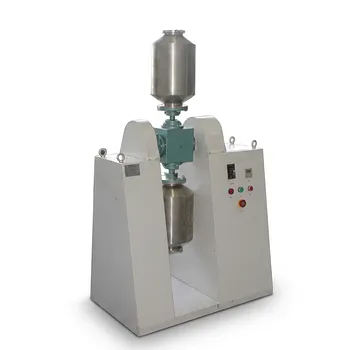
Multi Dimensional Universal Mixer for High Uniformity Powder Blending
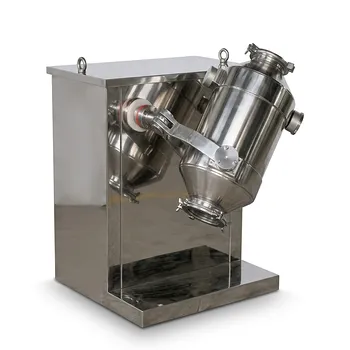
Three-Dimensional Motion Mixer for Laboratory Powder and Granule Blending
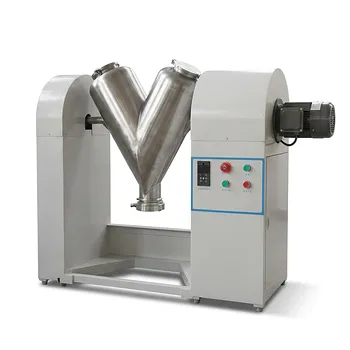
V-Type Powder Mixer for Uniform Blending of Dry Powders and Granules
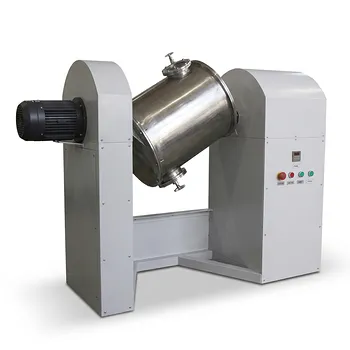
Inclined Mixer for Homogeneous Powder Blending and Grinding
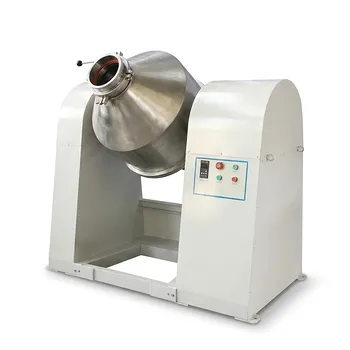
Industrial Double Cone Mixer for Powder Blending and Homogeneous Mixing
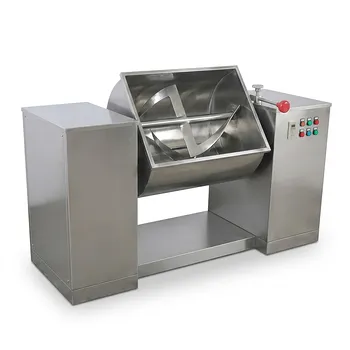
Horizontal Trough Mixer for Uniform Powder and Paste Blending
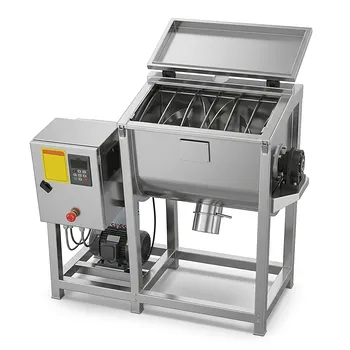
Horizontal Ribbon Mixer for Uniform Powder and Slurry Mixing
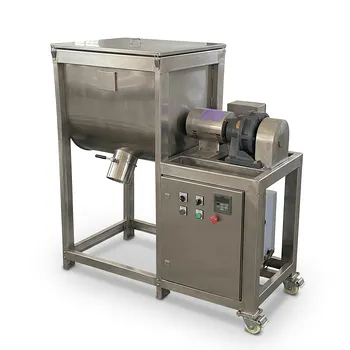
Horizontal Ribbon Mixer for Dry Powder and Slurry Blending
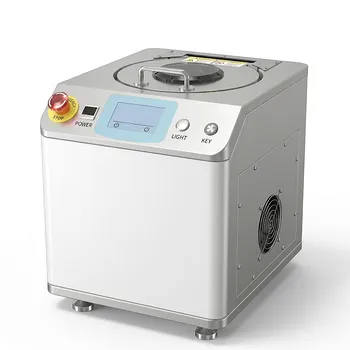
High Efficiency Vacuum Planetary Centrifugal Mixer and Defoaming Machine for Industrial Material Research and Precise Laboratory Powder Dispersion
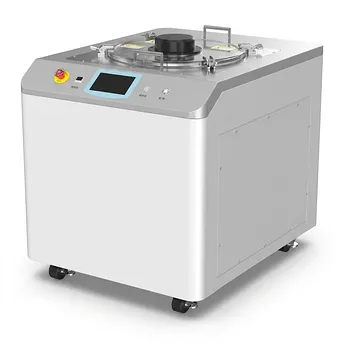
Industrial Planetary Centrifugal Vacuum Defoaming Mixer for High Viscosity Paste and Powder Homogenization
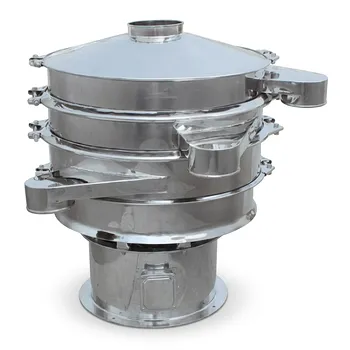
Stainless Steel Rotary Vibrating Sieve High Precision Circular Vibratory Separator Industrial Powder Grading Machine Multi Layer Sifting Equipment

Vertical Production Planetary Ball Mill for High Throughput Powder Processing

360° Rotating Omnidirectional Laboratory Planetary Ball Mill for Homogeneous Ultra-Fine Grinding and Mixing
High-Speed Simple Disperser for Efficient Mixing, Dispersion, and Emulsification
Dual Cup Vacuum Centrifugal Mixer Planetary Paste Defoaming Machine Industrial Material Processor
Industrial Swing Granulator for Powder Processing in Pharma Food and Chemical Industries
Small Swing Granulator Efficient Powder Granulation for Pharmaceutical Chemical Food Industries
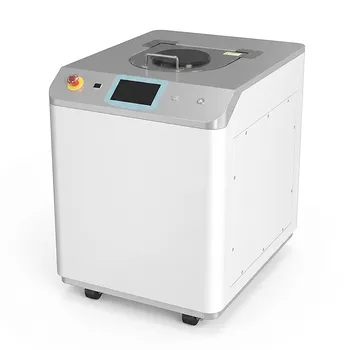
Industrial Planetary Centrifugal Vacuum Defoaming Mixer for High Viscosity Paste and Advanced Material Science
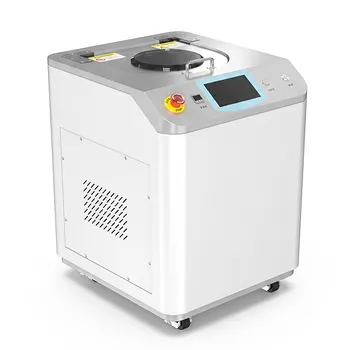
High Speed Vacuum Planetary Centrifugal Mixer and Defoamer for Industrial Paste Processing