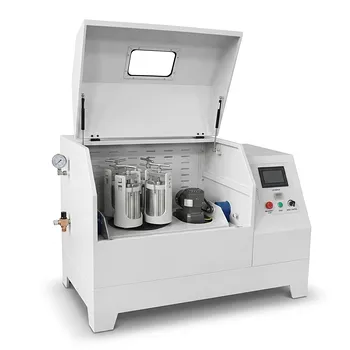
What is the importance of using a high-efficiency powder mixer when preparing sand and soil mixtures? Accurate Results.
Updated 5 months ago
High-efficiency powder mixers are essential in laboratory settings to achieve complete macroscopic and microscopic homogenization of sand and soil. This equipment overcomes the inherent physical differences between materials—such as particle size, density, and plasticity—ensuring that every sample is statistically representative. By preventing segregation and aggregation, these mixers guarantee that subsequent tests for mechanical strength, permeability, and density yield accurate, reproducible data.
A high-efficiency mixer transforms a collection of disparate raw materials into a uniform matrix, which is the foundational requirement for any reliable laboratory analysis. Without forced homogenization, test results reflect local inconsistencies rather than the true properties of the material blend.
Overcoming Physical Disparities in Raw Materials
Bridging the Gap Between Sand and Clay
Sand and soil possess vastly different physical properties that naturally resist uniform blending. High-efficiency mixers provide the mechanical shear force necessary to overcome these differences, ensuring that clayey particles are distributed evenly throughout a river sand matrix.
Managing Differences in Density and Hydrophilicity
In modern research, additives like Bakelite powder, HDPE fibers, or crushed glass are often introduced into soil. Because these materials differ significantly from sand in density and water affinity, they tend to segregate or float; specialized mixers use strong agitation to force a stable, uniform blend.
Eliminating Aggregation in High-Plasticity Materials
High-plasticity materials, such as bentonite powder, frequently form clumps when introduced to moisture or other aggregates. Lab-grade mixers apply sufficient shear to break these clusters apart, ensuring the powder is integrated rather than remaining as localized, weak inclusions.
Ensuring Data Integrity and Reproducibility
Generating Representative Mechanical Data
The accuracy of tests for maximum dry density, shear strength, and permeability depends entirely on the uniformity of the specimen. If a mixture is not homogenized, the data will reflect the flaws of the mixing process rather than the actual characteristics of the material ratio being studied.
Achieving Statistical Homogeneity
A primary goal of laboratory mixing is to ensure that the composition at any given sampling point matches the bulk composition. High-performance equipment minimizes variance between samples, which is critical for researchers who need to reproduce results across multiple trials.
Preventing Structural Weak Zones
Manual or low-efficiency mixing often leaves "weak zones" where binders or stabilizers are absent. This leads to premature sample failure during compaction or strength testing, providing a false representation of how additives actually impact soil cohesion.
Optimizing Microscopic Interactions
Uniform Binder Coating and Bonding Bridges
In foundry or stabilized soil applications, small amounts of binders (like starch or lime) must be uniformly coated onto sand grains. High-efficiency mixing ensures these binders create widespread "bonding bridges," maximizing the mechanical strength and moldability of the mixture.
Correcting Aggregate Grading Curves
Recycled sands often have "gaps" in their particle size distribution that need to be filled with natural fine sands. Forced homogenization ensures that different aggregate sizes are interlocked at a microscopic level, optimizing the grading curve and improving the final density of the concrete or soil matrix.
Understanding the Trade-offs
Risk of Particle Degradation
While high shear is necessary for homogenization, excessive mixing intensity or duration can lead to particle attrition. This is particularly concerning with friable materials, where the mixer might inadvertently alter the grain size distribution it was intended to preserve.
Heat Generation and Moisture Loss
Mechanical agitation generates friction, which can increase the temperature of the soil sample. In a laboratory environment, even a small temperature rise can cause unintended moisture evaporation, potentially altering the workability and chemical hydration of stabilized soil mixtures.
Making the Right Choice for Your Goal
How to Apply This to Your Project
Selecting the right mixing protocol depends on the specific requirements of your laboratory analysis and the materials involved.
- If your primary focus is mechanical strength testing: Use a high-shear mixer to ensure binders are perfectly distributed, preventing localized failures that skew strength data.
- If your primary focus is particle size or grading analysis: Opt for a mixer with adjustable speeds to achieve homogeneity without crushing or degrading the individual sand and soil grains.
- If your primary focus is chemical stabilization (e.g., lime or cement): Ensure the mixer provides high-intensity agitation to facilitate the microscopic coating of stabilizers onto the soil matrix for maximum reaction efficiency.
The precision of your laboratory data is fundamentally limited by the quality of your initial mixture.
Summary Table:
| Key Challenge | Mixer Solution | Laboratory Benefit |
|---|---|---|
| Physical Disparities | Mechanical Shear | Homogeneous Matrix |
| Density Differences | Strong Agitation | Prevent Segregation |
| Material Aggregation | High-Shear Agitation | Eliminate Weak Zones |
| Manual Mixing Errors | Forced Homogenization | Data Reproducibility |
Optimize Your Material Preparation with Professional Lab Equipment
Achieving reliable research results starts with perfect sample homogeneity. We provide complete laboratory sample preparation solutions for material science, specializing in high-performance powder processing and compaction equipment.
Our extensive product line is designed to meet the most rigorous laboratory standards:
- Advanced Mixing: High-efficiency powder mixers and defoaming mixers for total microscopic homogenization.
- Precision Milling & Crushing: Jaw/roll crushers, liquid nitrogen cryogenic grinders, and mills (planetary ball, jet, sand/bead, disc, rotor).
- Compaction Excellence: A full spectrum of hydraulic presses, including Cold/Warm Isostatic Presses (CIP/WIP), standard lab presses, XRF pellet presses, and vacuum hot presses.
- Grading & Sizing: Vibratory and air-jet sieve shakers to optimize aggregate grading curves.
Ready to eliminate inconsistencies in your sand and soil research? Our equipment ensures your test results reflect the true properties of your material blends, preventing localized failures and data variance.
Contact our specialists today to find the perfect solution for your lab!
References
- Chukwubude, L.N, Nwakaire, C.M. Geotechnical, Physicochemical, and Mineralogical Characterization of Locally Available Plaster Soils in Awka Municipality, Anambra State, Nigeria. DOI: 10.36348/sjet.2025.v10i12.003
Mentioned Products
- Multi Dimensional Universal Mixer for High Uniformity Powder Blending
- V-Type Powder Mixer for Uniform Blending of Dry Powders and Granules
- Inclined Mixer for Homogeneous Powder Blending and Grinding
- Horizontal Trough Mixer for Uniform Powder and Paste Blending
- Industrial Double Cone Mixer for Powder Blending and Homogeneous Mixing
People Also Ask
- What is the role of a multi-dimensional powder mixer in the preparation of Ce-TZP ceramics? Optimize Homogenization
- What is the role of a powder mixer in SiC mechanical seal ring production? Ensure Homogeneity and Structural Integrity
- Why is high-uniformity powder mixing essential for antibacterial ceramic glazes? Ensure Consistent Bioactive Protection
- How do powder mixers and additives influence ZTA ceramics? Optimize microstructure for superior toughness and density
- Why is it necessary to consider the influence of static walls in powder mixing experiment design? Optimize Uniformity.

Tech Team · PowderPreparation
Last updated on May 14, 2026
Related Products
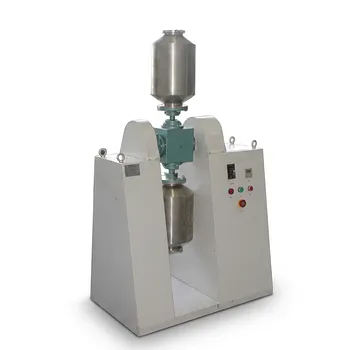
Multi Dimensional Universal Mixer for High Uniformity Powder Blending
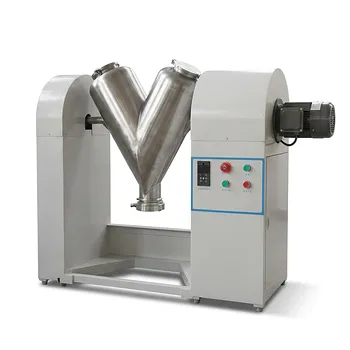
V-Type Powder Mixer for Uniform Blending of Dry Powders and Granules
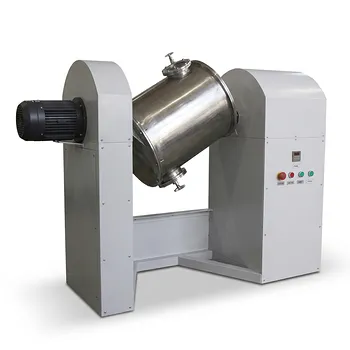
Inclined Mixer for Homogeneous Powder Blending and Grinding
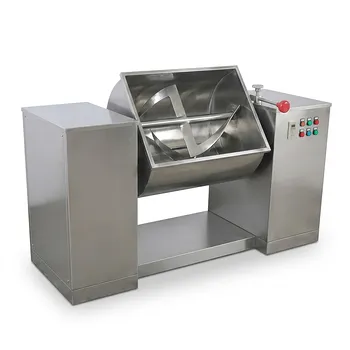
Horizontal Trough Mixer for Uniform Powder and Paste Blending
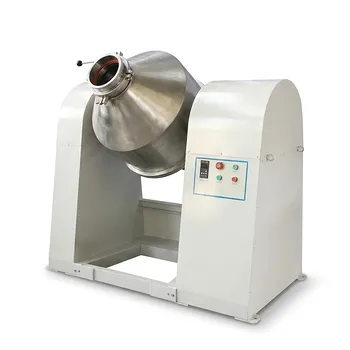
Industrial Double Cone Mixer for Powder Blending and Homogeneous Mixing
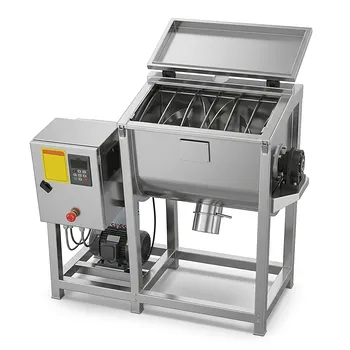
Horizontal Ribbon Mixer for Uniform Powder and Slurry Mixing
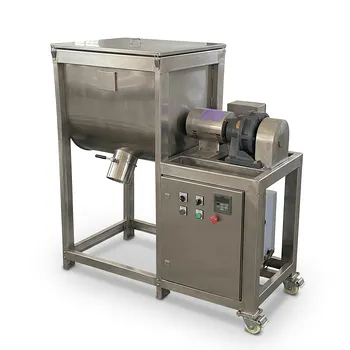
Horizontal Ribbon Mixer for Dry Powder and Slurry Blending
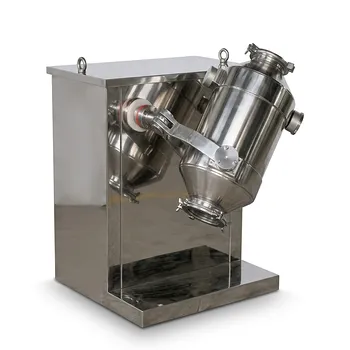
Three-Dimensional Motion Mixer for Laboratory Powder and Granule Blending
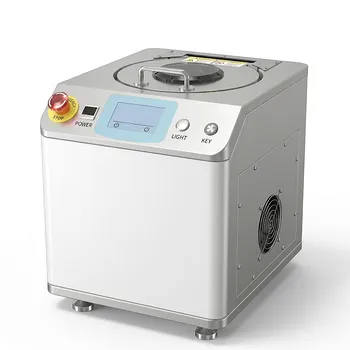
High Efficiency Vacuum Planetary Centrifugal Mixer and Defoaming Machine for Industrial Material Research and Precise Laboratory Powder Dispersion
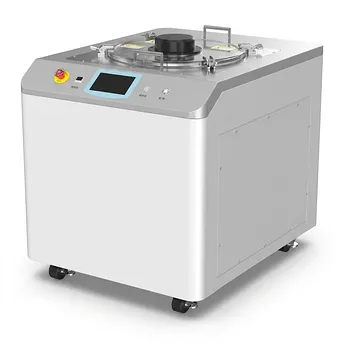
Industrial Planetary Centrifugal Vacuum Defoaming Mixer for High Viscosity Paste and Powder Homogenization
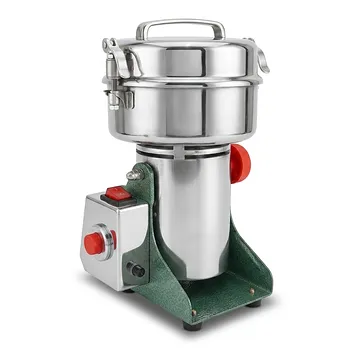
Small High-Speed Laboratory Grinder for Powder Processing
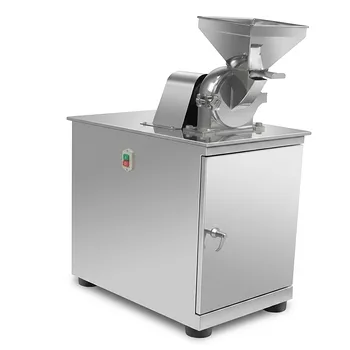
Universal Laboratory Pulverizer Grinder for Small Batch Powder Processing and Material Science Research
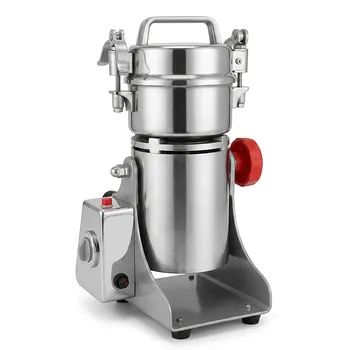
Industrial High Speed Small Sample Pulverizer Swing Type Laboratory Grinder for Powder Processing
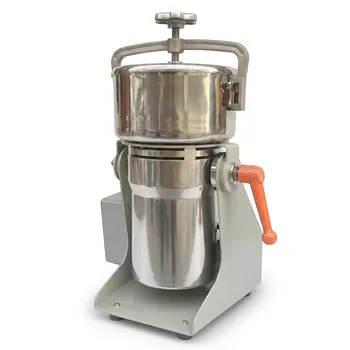
High Speed Laboratory Grinder Efficient Stainless Steel Powder Pulverizer Universal Material Science Mill for Sample Preparation
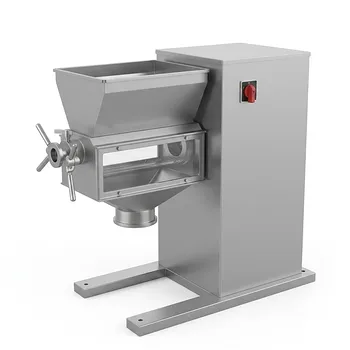
Industrial Swing Granulator for Powder Processing in Pharma Food and Chemical Industries
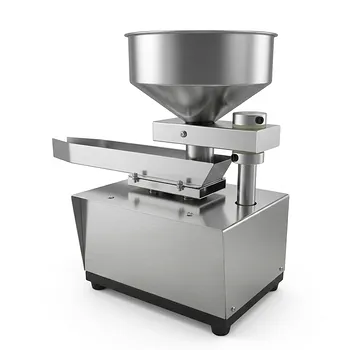
Automatic Vibrating Powder Feeder for Laboratory Material Processing Precision Vibratory Hopper Feeder for Granular and Powder Material Handling Industrial Grade Vibrating Tray Feeder for Consistent Material Sample Preparation
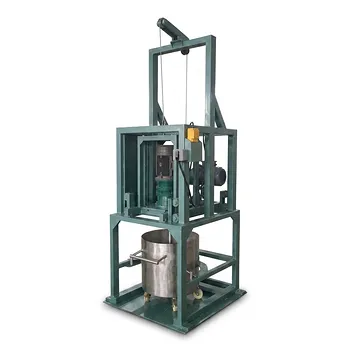
High-Speed Simple Disperser for Efficient Mixing, Dispersion, and Emulsification
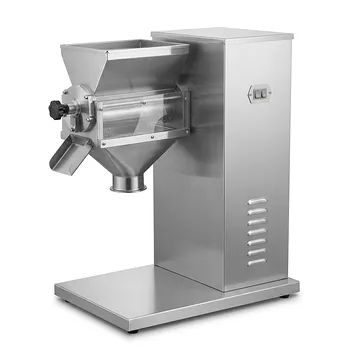
Small Swing Granulator Efficient Powder Granulation for Pharmaceutical Chemical Food Industries
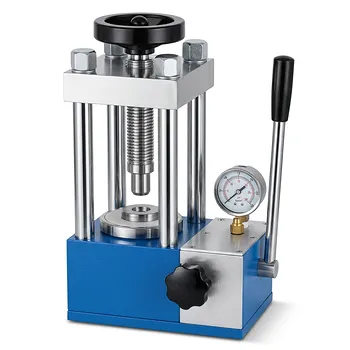
Manual Tablet Press with Dual Scale Pressure Gauge for Pharmaceutical Food Chemical Laboratory Sample Preparation