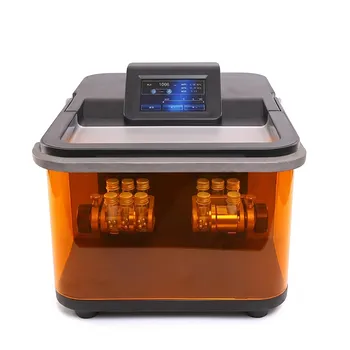
Why is a periodic grinding-and-pause cycle necessary during the high-energy ball milling of cement raw materials?
Updated 4 months ago
Periodic grinding-and-pause cycles are the primary mechanism for managing thermal energy and internal pressure during high-energy ball milling. This operational strategy prevents raw materials from undergoing unintended physical-chemical changes or "mechanochemical activation" caused by overheating. By allowing for regular dissipation of heat, the cycle ensures the stability of the grinding process, protects equipment components, and maintains the integrity of the final powder's performance.
High-energy ball milling generates immense heat through friction and collisions; without periodic rest cycles, this thermal energy can trigger uncontrolled phase changes and damage equipment. Intermittent operation ensures that material refinement is driven by mechanical impact rather than thermal degradation.
Thermal Management and Material Stability
Preventing Unintended Phase Changes
High-speed collisions between grinding media and cement raw materials generate significant frictional heat. If this heat is not dissipated through periodic pauses, it can lead to thermal phase changes or unintended oxidation of the powders. This is particularly critical for materials like bentonite, which must remain stable to retain their specific industrial properties.
Avoiding Agglomeration and Volatilization
Excessive temperature increases can cause fine particles to stick together, a phenomenon known as over-agglomeration. Furthermore, if liquid dispersants like ethanol are used to assist grinding, uncontrolled heat can cause them to volatilize. Maintaining a thermal balance through rest intervals ensures the powder remains fine and the milling environment remains consistent.
Ensuring Mechanochemical Precision
The goal of high-energy milling is often to refine particles to sub-micron levels using mechanical force. Periodic pauses ensure that any chemical reactions or activations occurring within the jar are driven by mechanical energy (impact and shear) rather than simple thermal energy. This distinction is vital for researchers and engineers who need to isolate the effects of mechanical refinement on pozzolanic reactions.
Equipment Protection and Operational Safety
Preserving Seal Integrity
Milling jars are equipped with specialized seals to maintain an airtight or inert environment. High temperatures and rising internal pressure can cause these seals to degrade or fail, leading to leaks or contamination. Implementing a grinding-and-pause cycle significantly extends the service life of these critical components.
Managing Internal Pressure
As the temperature inside the jar rises, the internal pressure increases accordingly. Without cooling periods, this pressure can reach unsafe levels, posing a risk to both the equipment and the operator. Intermittent operation acts as a safety buffer, keeping the pressure-temperature curve within manageable limits.
Understanding the Trade-offs
The Cost of Throughput
The most significant trade-off of the grinding-and-pause cycle is the increase in total processing time. By introducing rest periods—such as a 15-minute pause for every 15 minutes of grinding—the throughput of the mill is effectively halved. This requires a balance between the need for material purity and the requirements of production deadlines.
Mechanical Stress on the Motor
Frequent starting and stopping of the planetary mill can increase the mechanical wear on the drive system and motor. While the jars and seals are protected from heat, the electrical system must be robust enough to handle the repeated inrush current and torque demands of an intermittent cycle.
How to Apply This to Your Project
Making the Right Choice for Your Goal
To optimize your milling process, the cycle should be tailored to the specific sensitivities of your raw materials and the limitations of your hardware.
- If your primary focus is material purity and phase stability: Implement longer pause intervals to ensure the jar returns to near-ambient temperatures before the next grinding phase.
- If your primary focus is achieving sub-micron particle size: Use shorter, more frequent bursts of high-energy milling to maximize impact force while preventing the heat-induced agglomeration that hinders refinement.
- If your primary focus is equipment longevity: Follow the manufacturer’s recommended "duty cycle" strictly to prevent the permanent warping of seals or degradation of the jar's structural integrity.
By carefully balancing mechanical energy input with thermal dissipation, you ensure that high-energy ball milling remains a precise and safe tool for cement material science.
Summary Table:
| Key Factor | Role of Grinding-and-Pause Cycle | Primary Benefit |
|---|---|---|
| Thermal Management | Dissipates heat from friction and collisions | Prevents unintended phase changes and oxidation |
| Material Stability | Reduces heat-induced over-agglomeration | Maintains fine particle refinement and consistency |
| Equipment Safety | Manages internal pressure and seal integrity | Extends service life of jars and prevents leaks |
| Process Precision | Ensures mechanochemical activation over thermal | Isolates mechanical impact effects on materials |
Optimize Your Material Refinement with Expert Solutions
Achieving sub-micron precision in cement raw materials requires more than just power—it requires controlled execution. We provide complete laboratory sample preparation solutions for material science, specializing in high-performance powder processing and compaction equipment.
Our extensive range includes:
- Advanced Milling: Planetary ball mills, jet mills, and cryogenic grinders for superior refinement.
- Compaction Excellence: A full spectrum of hydraulic presses, including Cold/Warm Isostatic Presses (CIP/WIP), vacuum hot presses, and XRF pellet presses.
- Classification & Mixing: Sieve shakers, powder mixers, and defoaming mixers to ensure sample homogeneity.
Don't let thermal degradation compromise your research. Contact our technical team today to find the perfect equipment and operational protocols for your laboratory needs.
References
- Munib Ul Rehman, Will P. Gates. Differences in hydration kinetics and phase development of Australian bentonite and kaolinite based limestone calcined clay cements. DOI: 10.1617/s11527-025-02743-5
Mentioned Products
- Heavy Duty Horizontal Planetary Ball Mill for Efficient Industrial Grinding and Sample Preparation
- Vertical Semi Circular Planetary Ball Mill for Laboratory Precision Grinding
- Vertical Production Planetary Ball Mill for High Throughput Powder Processing
- Vertical Square Planetary Ball Mill for Laboratory Sample Preparation and Nanoscale Grinding
- High Energy Planetary Ball Mill for Nano Scale Grinding and Mechanical Alloying
People Also Ask
- Why grind lime-pozzolan specimens for TG/DTA for 3 mins? Master sample prep for high-precision thermal analysis.
- What is the role of a planetary ball mill in the mechanical activation of ZTA powder? Boost Sintering Performance
- What is the function of a planetary ball mill in wollastonite ceramic prep? Achieve Molecular Homogenization & Reactivity
- How does a planetary ball mill contribute to the homogenization of trace elements? Achieve Sub-Micron Uniformity
- What is the function of a high-performance planetary ball mill in AMZ laminates? Master Ceramic Homogenization.

Tech Team · PowderPreparation
Last updated on Jun 03, 2026
Related Products
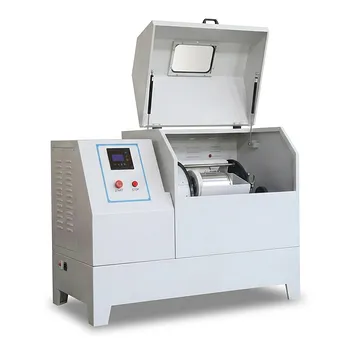
Heavy Duty Horizontal Planetary Ball Mill for Efficient Industrial Grinding and Sample Preparation
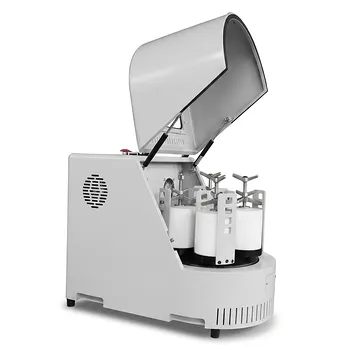
Vertical Semi Circular Planetary Ball Mill for Laboratory Precision Grinding
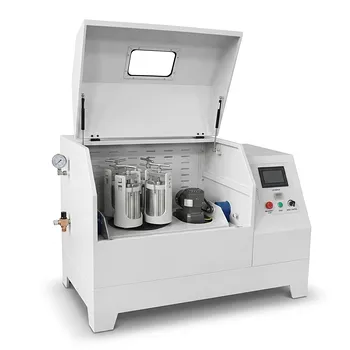
Vertical Production Planetary Ball Mill for High Throughput Powder Processing
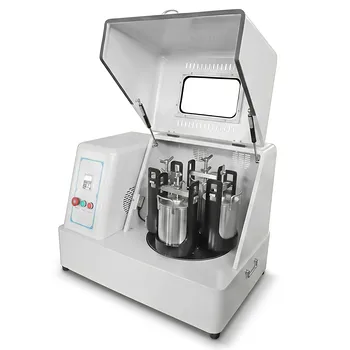
Vertical Square Planetary Ball Mill for Laboratory Sample Preparation and Nanoscale Grinding
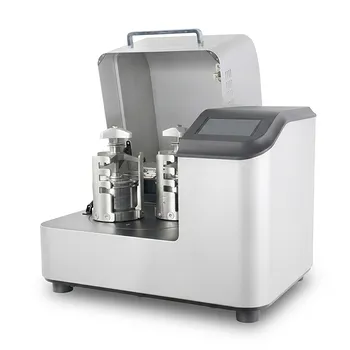
High Energy Planetary Ball Mill for Nano Scale Grinding and Mechanical Alloying
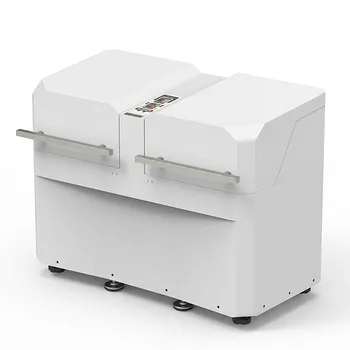
Dual Station Planetary Ball Mill 24L
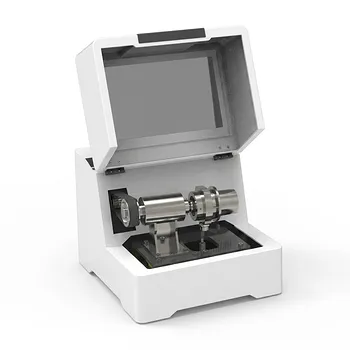
Single Tank High Energy Vibratory Ball Mill for Laboratory Grinding and Mixing
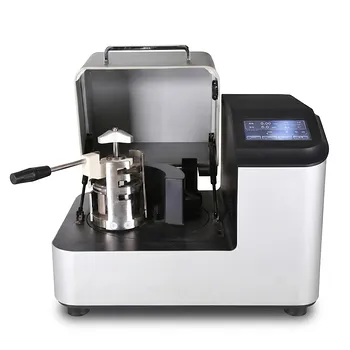
High Energy Laboratory Planetary Ball Mill for Nano Grinding and Material Science Sample Preparation
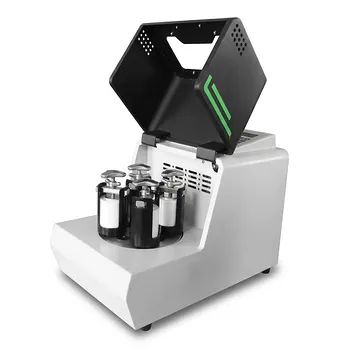
Miniature Planetary Ball Mill with Vacuum Grinding and High Efficiency for Laboratory Sample Preparation
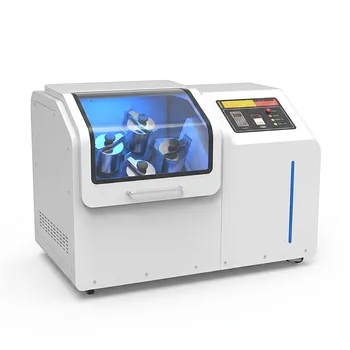
High Energy Omnidirectional Planetary Ball Mill 16L
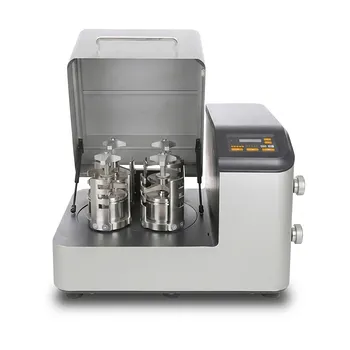
High Energy Planetary Ball Mill for Nano Scale Grinding and Colloidal Mixing in Material Science Research
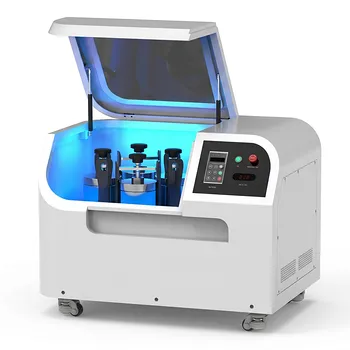
Planetary Ball Mill 12L
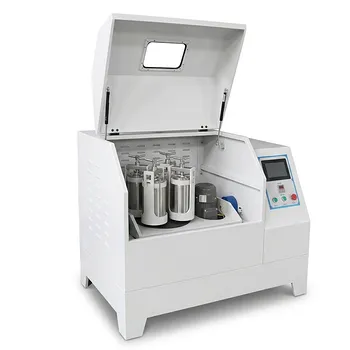
360° Rotating Omnidirectional Laboratory Planetary Ball Mill for Homogeneous Ultra-Fine Grinding and Mixing
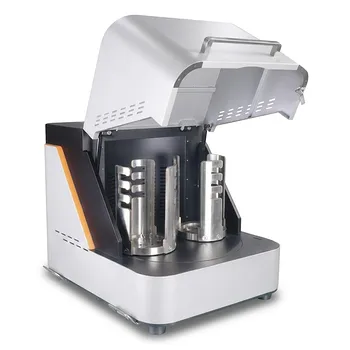
High Energy Laboratory Planetary Ball Mill for Nano Grinding and Colloidal Mixing of Hard and Brittle Materials
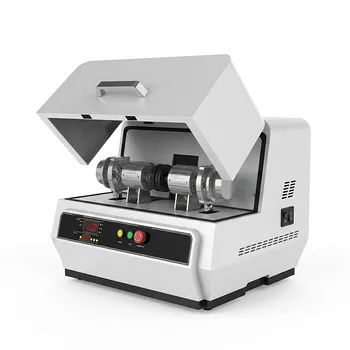
Dual Jar High Energy Vibratory Ball Mill
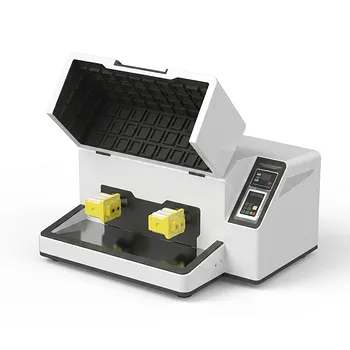
Multi-Platform Nanoscale High-Energy Vibratory Ball Mill
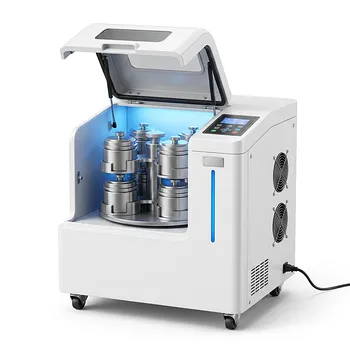
High Energy Omnidirectional Planetary Ball Mill 20L
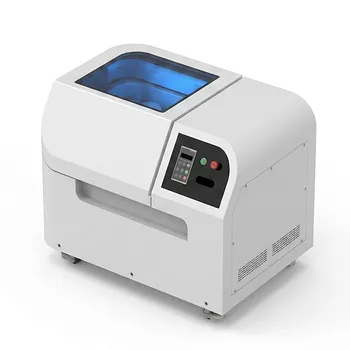
8L Planetary Ball Mill for Laboratory Grinding and Sample Preparation
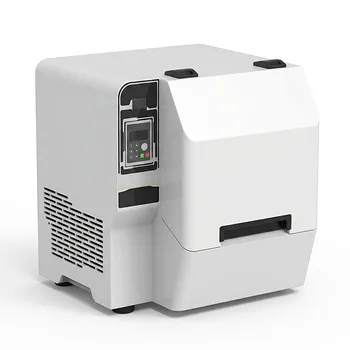
Nano High Energy Vibratory Ball Mill for Laboratory Sample Preparation