Why is a pebble mill preferred over a steel ball mill for pegmatite quartz? Prevent Iron Contamination & Ensure Purity
Updated 5 months ago
The choice of a pebble mill over a steel ball mill for pegmatite quartz is driven by a single, uncompromising requirement: the elimination of iron contamination. In high-purity applications, even microscopic traces of iron from steel grinding media or liners can degrade the optical and chemical properties of the final quartz product, rendering it useless for precision industries.
Core Takeaway: To maintain the chemical integrity of high-purity quartz, pebble mills replace steel components with ceramic, alumina, or natural stone media, ensuring that the finished powder remains free of metallic impurities.
The Problem with Metallic Contamination
The Risk of Steel Media Wear
Traditional ball mills utilize steel balls and steel liners to achieve high-impact grinding. Over time, the mechanical friction and impact cause the steel to wear down, shedding fine iron particles directly into the quartz.
Impact on High-End Applications
Pegmatite quartz is a critical raw material for the optical and precision ceramic industries. In these fields, iron impurities cause discoloration and structural defects, meaning the "efficiency" of a steel mill is outweighed by the cost of a contaminated batch.
How Pebble Mills Protect Material Integrity
Utilizing Non-Metallic Grinding Media
Pebble mills solve the contamination issue by using ceramic balls, alumina balls, or even the quartz ore itself (known as pebbles) as the grinding media. Because these materials share similar chemical properties with the quartz or are chemically inert, they do not introduce foreign metallic elements.
The Role of Specialized Liners
To complement the non-metallic media, pebble mills are typically lined with materials like porcelain or high-purity alumina. This creates a grinding environment where every contact surface is designed to prevent metal powders from flaking off into the raw material.
Understanding the Trade-offs
Kinetic Energy vs. Purity
While pebble mills excel at maintaining purity, they generally offer lower kinetic energy than specialized equipment like planetary ball mills. High-energy mills can disrupt crystal lattices faster, but they often require much more expensive, specialized non-metallic configurations to match the purity of a standard pebble mill.
Throughput and Processing Time
Grinding with pebbles or ceramic media can sometimes be slower than using heavy steel balls. Users must balance the need for extremely low iron content against the longer residence times often required in a pebble mill to achieve the desired particle size.
Mechanical Efficiency
Equipment like jet mills can provide even higher purity through self-pulverization (particle-on-particle impact), but they may involve higher operational costs. The pebble mill remains the preferred middle ground for large-scale, dry grinding of high-purity minerals.
Making the Right Choice for Your Goal
When selecting a grinding method for pegmatite quartz, your decision should be guided by the final specification of your product.
- If your primary focus is optical-grade purity: Utilize a pebble mill with high-purity alumina media to ensure iron levels remain at the absolute minimum.
- If your primary focus is rapid particle refinement: Consider a planetary ball mill with ceramic jars, though be prepared for higher equipment costs and smaller batch sizes.
- If your primary focus is narrow particle size distribution: Explore jet milling, which uses supersonic airflow to achieve refinement without any media contact at all.
By prioritizing the chemistry of the grinding environment over raw mechanical force, you ensure that your high-purity quartz meets the rigorous standards of modern precision manufacturing.
Summary Table:
| Feature | Pebble Mill | Steel Ball Mill |
|---|---|---|
| Grinding Media | Ceramic, Alumina, or Quartz Pebbles | Steel / Chrome Balls |
| Liner Material | Porcelain or High-Purity Alumina | Steel or Manganese Alloy |
| Iron Contamination | Negligible (Non-metallic environment) | High (Metallic wear particles) |
| Primary Benefit | Maintains chemical/optical purity | High grinding efficiency/speed |
| Ideal Application | Optical quartz, precision ceramics | Industrial minerals, construction |
Achieve Uncompromising Purity in Your Material Preparation
Maintaining the chemical integrity of high-purity quartz requires specialized equipment that eliminates metallic contamination. At [Company Name], we provide complete laboratory sample preparation solutions for material science, specializing in advanced powder processing and compaction equipment.
Whether you need to scale up your quartz processing or refine sensitive ceramics, our extensive product line has you covered:
- Advanced Milling: Planetary ball mills, jet mills, and disc mills for contamination-free grinding.
- Sample Preparation: Crushers (jaw/roll), liquid nitrogen cryogenic grinders, and sieve shakers.
- Precision Compaction: A full spectrum of hydraulic presses, including Cold/Warm Isostatic Presses (CIP/WIP), vacuum hot presses, and XRF pellet presses.
- Mixing Solutions: High-efficiency powder mixers and defoaming mixers.
Ready to elevate your lab's efficiency and product quality? Contact our experts today to find the ideal solution for your specific material challenges!
References
- Gerson Ferreira da Silva, Defsson Douglas de Araújo Ferreira. Tecnological tests of the pegmatites waste at Alto Dois Irmãos/PB in the Borborema Pegmatitic Province/BPP. DOI: 10.1590/0370-44672023770055
Mentioned Products
- Cross Beater Mill for Brittle Material Grinding and Continuous Fine Crushing Industrial Sample Preparation
- High Efficiency Laboratory Bead Mill Nano Powder Dispersion Sand Mill for Material Science Research
- Laboratory Disc Mill for Fine Sample Preparation of Hard and Brittle Materials
- Small Ceramic Structure Laboratory Sand Mill Nanoscale Grinding Dispersion Equipment Seal-less Screen-less Design
- Small Laboratory Colloid Mill for Ultra-Fine Wet Grinding and Emulsification
People Also Ask
- Why use lab mills for corncob size reduction? Boost activated carbon surface area and activation efficiency.
- How does an industrial grinding mill contribute to groundnut shell powder preparation? Enhance Polymer Filler Performance
- What is the technical significance of the relative collision velocity of grinding media? Maximize Milling Efficiency
- What is the role of industrial crushers and grinding equipment in waste glass pretreatment for eco-friendly bricks?
- What Role Does Lab Grinding Play in Banana Fiber Thermal Coatings? Optimize Waste Into High-Performance Barriers

Tech Team · PowderPreparation
Last updated on May 14, 2026
Related Products
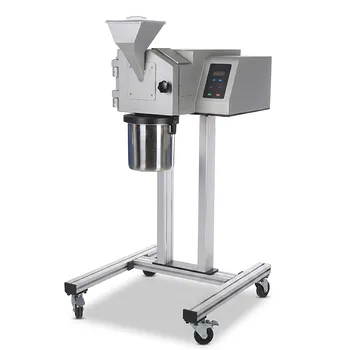
Cross Beater Mill for Brittle Material Grinding and Continuous Fine Crushing Industrial Sample Preparation
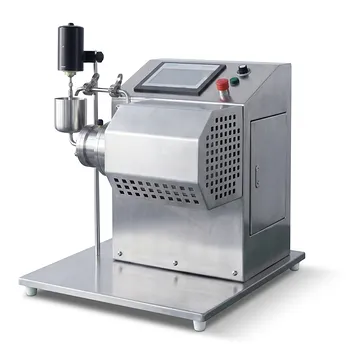
High Efficiency Laboratory Bead Mill Nano Powder Dispersion Sand Mill for Material Science Research
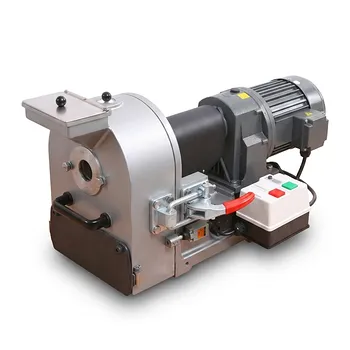
Laboratory Disc Mill for Fine Sample Preparation of Hard and Brittle Materials
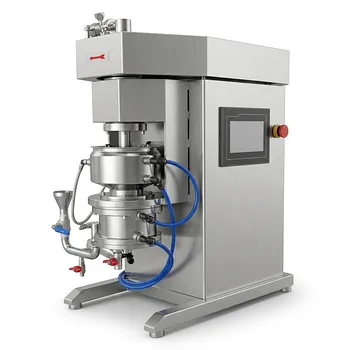
Small Ceramic Structure Laboratory Sand Mill Nanoscale Grinding Dispersion Equipment Seal-less Screen-less Design
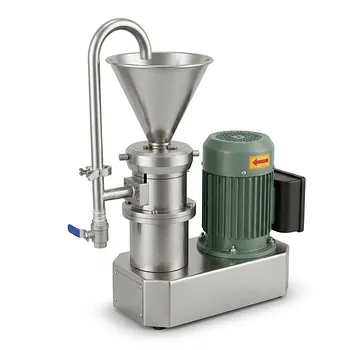
Small Laboratory Colloid Mill for Ultra-Fine Wet Grinding and Emulsification
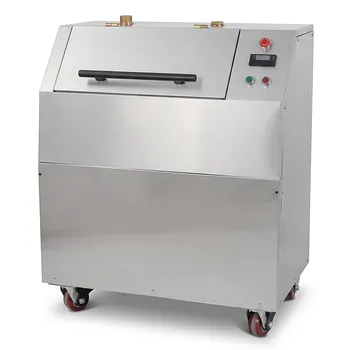
Vibratory Disc Mill for Rapid Fine Grinding and High Throughput Sample Preparation of Hard and Brittle Materials
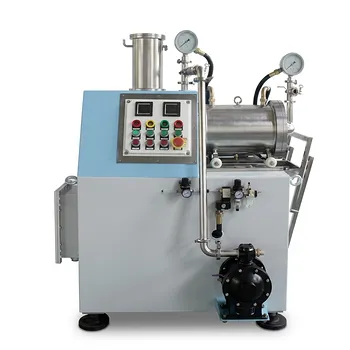
Horizontal Bead Mill for Nanoscale Grinding and Advanced Material Powder Processing
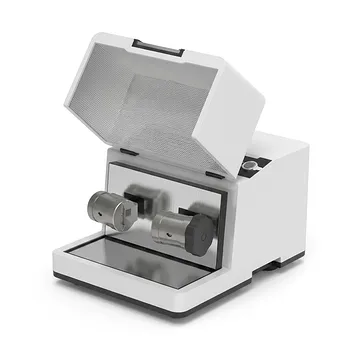
Heating Temperature Controlled High Energy Vibratory Ball Mill
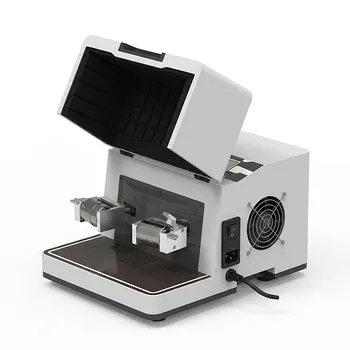
High Energy Hybrid Vibratory Ball Mill for Grinding Mixing and Cell Disruption

Miniature Planetary Ball Mill with Vacuum Grinding and High Efficiency for Laboratory Sample Preparation
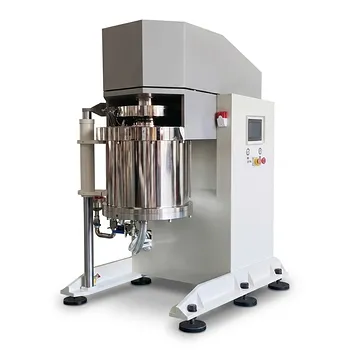
Vertical Nano Bead Mill for Ceramic Materials with Permanent Magnet Motor and High Efficiency Grinding

High Energy Omnidirectional Planetary Ball Mill 16L

360° Rotating Omnidirectional Laboratory Planetary Ball Mill for Homogeneous Ultra-Fine Grinding and Mixing

High Energy Omnidirectional Planetary Ball Mill 20L

Vertical Square Planetary Ball Mill for Laboratory Sample Preparation and Nanoscale Grinding

High Energy Laboratory Planetary Ball Mill for Nano Grinding and Material Science Sample Preparation
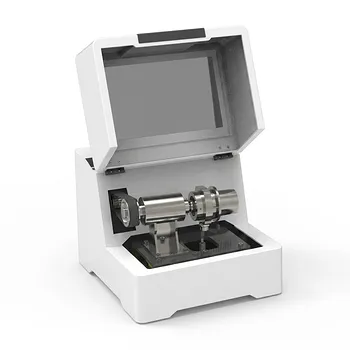
Single Tank High Energy Vibratory Ball Mill for Laboratory Grinding and Mixing

High Energy Planetary Ball Mill for Nano Scale Grinding and Mechanical Alloying
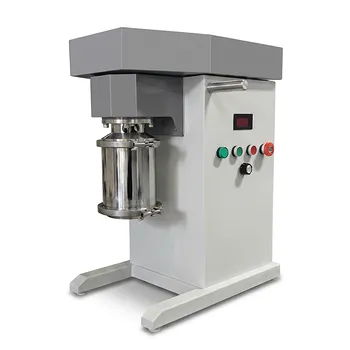
Nano Laboratory Bead Mill Desktop Sub Micron Sand Mill Screenless Seal Less Powder Grinder