What role does mechanical grinding play in the microstructural characterization of ZrC–ZrB2–SiC ceramics? Key to Precision
Updated 5 months ago
Mechanical grinding is the essential process that enables high-resolution imaging of ZrC–ZrB2–SiC ceramics by reducing ultra-hard bulk materials into electron-transparent specimens. This preparation is critical for Transmission Electron Microscopy (TEM), where the material must be thinned to a nanometer scale to allow electron beams to pass through, revealing 10-50 nm nanocrystals and turbostratic carbon structures.
Mechanical grinding serves as the technical gatekeeper for microstructural analysis, converting brittle, ultra-high-temperature ceramics into precise samples that allow for the validation of high-temperature crystallization stability and phase distribution.
Facilitating High-Resolution Microscopy
Achieving Electron Transparency
The primary role of mechanical grinding is to overcome the extreme hardness of the ZrC–ZrB2–SiC matrix. By thinning the material to a nanometer-scale thickness, it becomes penetrable by electron beams in a TEM. Without this precise reduction in thickness, the internal atomic arrangements and grain boundaries would remain invisible to researchers.
Identifying Nanoscale Features
High-precision grinding allows for the observation of 10-50 nm nanocrystals hidden within the ceramic matrix. It also exposes turbostratic carbon structures, which are vital indicators of how the material behaves under stress. These observations provide the necessary microscopic evidence to evaluate the high-temperature crystallization stability of the composite.
Ensuring Signal Accuracy and Sample Representation
Precision for Raman Spectroscopy
Mechanical grinding is not limited to TEM preparation; it also ensures the accuracy of Raman spectroscopy. Processing the ceramic into extremely fine powders or highly polished surfaces ensures that the signals captured are clear and consistent. This reduces noise and prevents surface irregularities from distorting the chemical signatures of the SiC and ZrB2 phases.
Maintaining Representative Morphology
Because SiC ceramics become exceptionally brittle after heat treatment, standard cutting methods can cause significant cracking. High-precision grinding equipment is required to maintain the structural integrity of the sample during preparation. This ensures that the morphology seen under the microscope is a representative reflection of the bulk material rather than an artifact of the preparation process.
The Role of Mechanical Force in Phase Homogenization
Optimizing Powder Dispersion
In the earlier stages of characterization and production, mechanical grinding (often as ball milling) ensures the thorough mixing of additives. It facilitates the high dispersion of trace elements like Ti2AlC sintering aids within the Zirconium Diboride and Silicon Carbide matrix. This homogenization is fundamental for achieving a high-density microstructure and avoiding local defects that could cause premature failure.
Understanding the Trade-offs and Technical Limitations
Risk of Induced Surface Damage
While grinding is necessary, the mechanical force used can occasionally introduce lattice strain or micro-cracks in brittle ceramics. If the grinding is too aggressive, the resulting "characterization" might mistakenly identify preparation damage as a material flaw. Technicians must balance material removal speed with the delicate nature of the heat-treated SiC phases.
Equipment and Material Constraints
Processing these materials requires specialized, diamond-based grinding media due to the extreme hardness of ZrC and ZrB2. Standard abrasives are often ineffective and can lead to sample contamination, which skews microstructural results. The process is time-intensive and requires a high level of expertise to reach the nanometer-scale thickness without destroying the specimen.
How to Apply This to Your Characterization Project
To achieve the most accurate microstructural data, your approach to mechanical grinding should align with your specific analytical goals:
- If your primary focus is crystallization stability: Use high-precision mechanical thinning to reach sub-50nm thickness for TEM to clearly resolve nanocrystal boundaries.
- If your primary focus is phase homogeneity: Prioritize the mechanical ball milling stage to ensure trace additives are perfectly dispersed before hot-pressing and subsequent characterization.
- If your primary focus is chemical bonding analysis: Ensure a ultra-smooth surface finish through fine grinding to maximize the signal-to-noise ratio during Raman spectroscopy.
By mastering the mechanical grinding process, researchers can unlock a definitive understanding of the complex interfaces within ultra-high-temperature ceramic composites.
Summary Table:
| Application | Characterization Goal | Key Role of Grinding |
|---|---|---|
| TEM Preparation | Nanoscale imaging | Reduces ultra-hard bulk to <50nm electron-transparent layers. |
| Raman Spectroscopy | Chemical phase analysis | Polishes surfaces to maximize signal-to-noise ratio and accuracy. |
| Sample Integrity | Representative morphology | Maintains structural integrity in brittle, heat-treated ceramics. |
| Ball Milling | Phase homogenization | Ensures uniform dispersion of sintering aids like Ti2AlC. |
| Micro-Analysis | Feature identification | Exposes hidden nanocrystals and turbostratic carbon structures. |
Optimize Your Advanced Ceramic Preparation with Precision Lab Solutions
Achieving the nanometer-scale transparency and phase homogeneity required for ZrC–ZrB2–SiC characterization demands high-performance equipment. We provide complete laboratory sample preparation solutions tailored for material science, specializing in the processing of ultra-hard and brittle powders.
Our extensive product line empowers your research at every stage:
- Advanced Milling: Achieve perfect powder dispersion with our planetary ball mills, jet mills, and cryogenic grinders.
- Precision Compaction: Manufacture high-density specimens using our Cold/Warm Isostatic Presses (CIP/WIP), vacuum hot presses, and hydraulic lab presses.
- Material Processing: Ensure sample integrity with our specialized crushers and high-precision sieve shakers.
Whether you are refining high-temperature crystallization stability or optimizing sintering aid dispersion, our equipment delivers the reliability and precision your microstructural analysis requires.
Ready to elevate your lab's capabilities?
Contact our technical experts today to find the perfect solution for your material characterization projects!
References
- Zhaoju Yu, Ralf Riedel. ZrC–ZrB2–SiC ceramic nanocomposites derived from a novel single-source precursor with high ceramic yield. DOI: 10.1007/s40145-018-0299-8
Mentioned Products
- Small High-Speed Laboratory Grinder for Powder Processing
- Multifunctional High Efficiency High Speed Laboratory Grinder
- High Efficiency High Speed Grinder Laboratory Mill 1300W 25000rpm
- Small High-Speed Grinder for Efficient Laboratory Sample Preparation
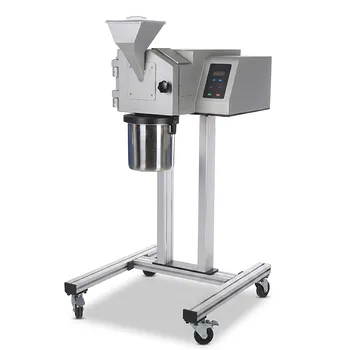
- Stainless Steel Coarse Crusher for Pharmaceutical Food and Plastic Material Processing
People Also Ask
- What role does a laboratory grinder play in the pretreatment of sunflower seed shell-based adsorbents? Boost Efficiency.
- How does a laboratory grinder or mill enhance the adsorption performance of agricultural waste materials? Boost Surface Area
- What is the role of laboratory grinding equipment in the preparation of waste glass powder for eco-friendly red bricks?
- Why is grinding equipment necessary for SnO2-Sb2O3 xerogels? Maximize surface area and photocatalytic activity.
- What is the primary role of grinding equipment in BLA preparation? Enhance Reactivity & Material Uniformity

Tech Team · PowderPreparation
Last updated on May 14, 2026
Related Products
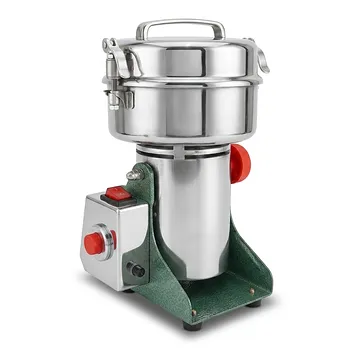
Small High-Speed Laboratory Grinder for Powder Processing
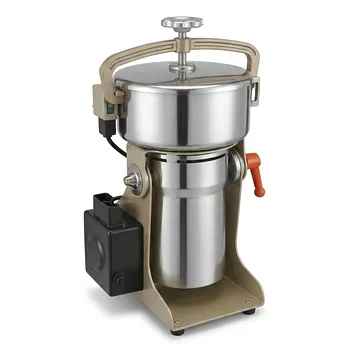
Multifunctional High Efficiency High Speed Laboratory Grinder
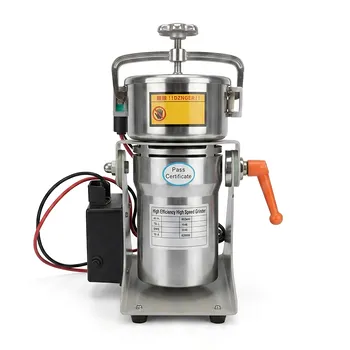
High Efficiency High Speed Grinder Laboratory Mill 1300W 25000rpm
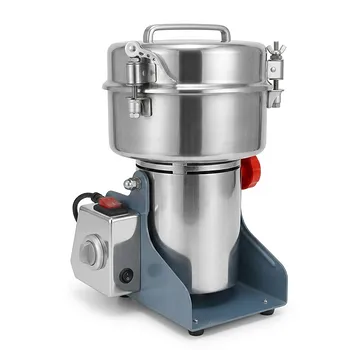
Small High-Speed Grinder for Efficient Laboratory Sample Preparation
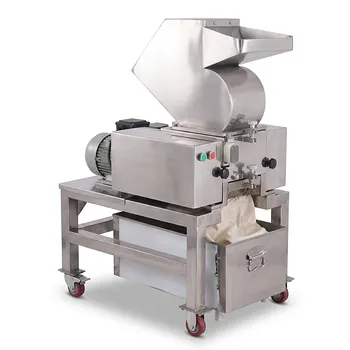
Stainless Steel Coarse Crusher for Pharmaceutical Food and Plastic Material Processing
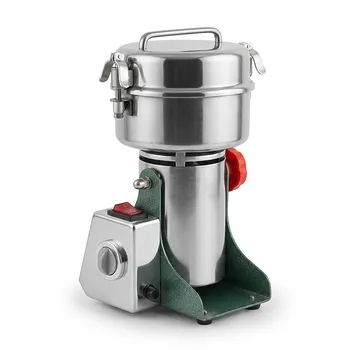
Small High-Speed Swing Grinder for Laboratory Sample Preparation
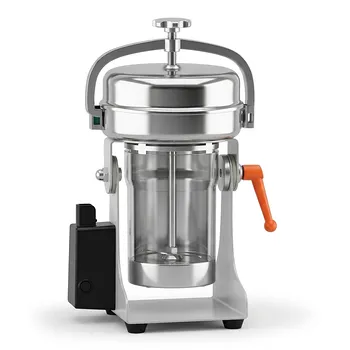
High Efficiency High Speed Grinder 2200W 25000 RPM Laboratory Sample Preparation
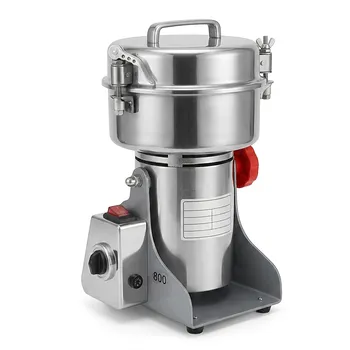
Small High-Speed Laboratory Grinder for Rapid Sample Preparation
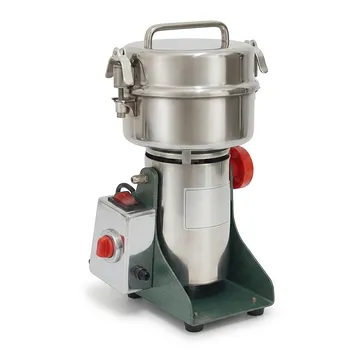
Small High Speed Grinder for Laboratory Sample Preparation
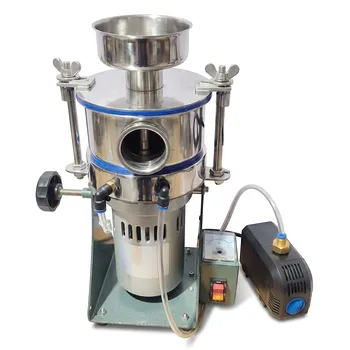
Water Cooled Airflow Ultra Fine Grinder for Low Temperature Material Processing
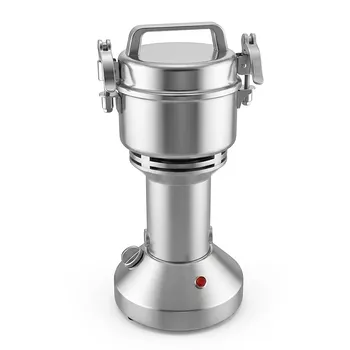
Small High Speed Upright Grinder for Laboratory Sample Preparation
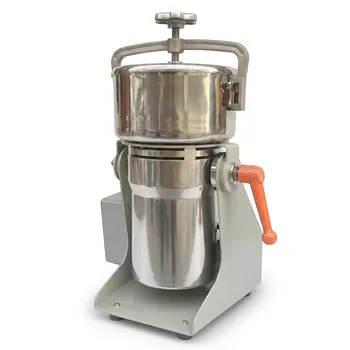
High Speed Laboratory Grinder Efficient Stainless Steel Powder Pulverizer Universal Material Science Mill for Sample Preparation
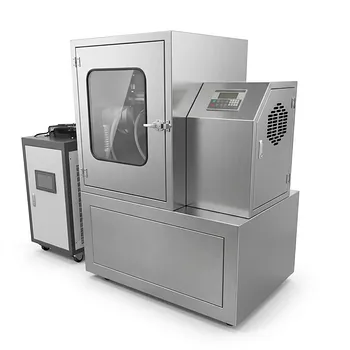
Vibratory Superfine Grinder for Ultra Fine Laboratory Powder Milling
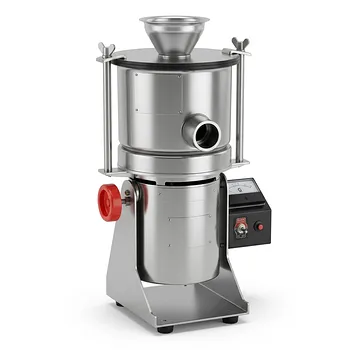
Laboratory Ultrafine Impact and Airflow Grinder for Precise Particle Size Control
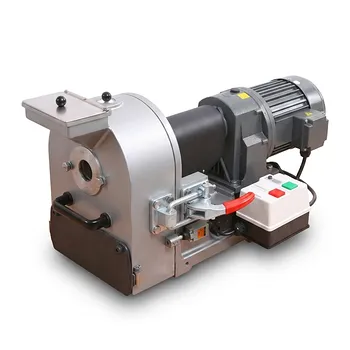
Laboratory Disc Mill for Fine Sample Preparation of Hard and Brittle Materials

Micro Solid Sample Grinder High Speed Pulverizer for Laboratory Small Batch Grinding
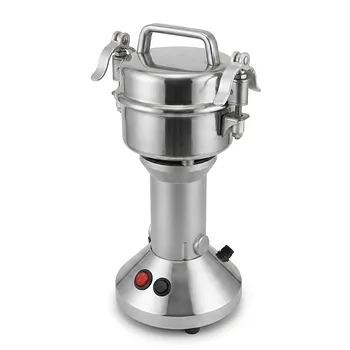
Continuous Feeding Grinding Mill for Dry Fibrous Tough and Hard Materials in Laboratory and Small Production
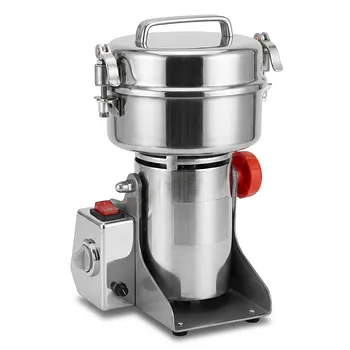
High Speed Laboratory Powder Grinder Small Batch Sample Preparation Mill
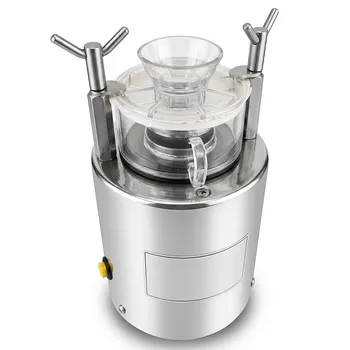
Laboratory Desktop Ultra Fine Powder Grinder High Speed Micronizing Pulverizer