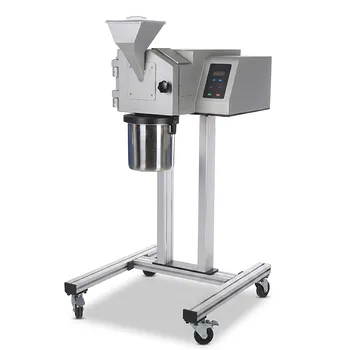
Why is a grinding machine necessary for nanocellulose preparation? Maximize Reactivity & Particle Surface Area
Updated 4 months ago
A grinding machine is a fundamental prerequisite for nanocellulose production from dried pods. It mechanically reduces bulky biomass into a fine powder to maximize the surface area available for subsequent chemical treatments. This size reduction is essential for ensuring that reagents can effectively penetrate the biomass to remove non-cellulosic components like lignin and hemicellulose.
Grinding serves as the critical "mechanical activation" step that overcomes the physical barriers of raw biomass. By increasing surface area and breaking down complex necking structures, it transforms raw pods into a reactive powder optimized for efficient chemical extraction and uniform dispersion.
Maximizing Chemical Reactivity and Penetration
Increasing Specific Surface Area
Grinding transforms large, dense pod structures into a high-surface-area powder. This transition provides significantly more contact points for chemical reagents to interact with the raw material. Without this step, the interior of the pods remains shielded from the necessary chemical reactions.
Shortening Diffusion Pathways
Large pieces of biomass act as physical barriers that slow down chemical processes. Reducing the material to fine particles dramatically shortens the diffusion path for reagents such as sodium hydroxide and sodium hypochlorite. This allows the chemicals to reach the fiber interior much faster.
Enhancing Lignin and Hemicellulose Removal
The extraction of nanocellulose requires the thorough removal of "matrix" components like lignin and hemicellulose. Fine grinding ensures that the delignification reagents work uniformly throughout the material. This results in a higher purity of cellulose fibers before the final isolation stages.
Overcoming Structural Obstacles
Breaking Necking Structures
During dry-processing, nanopowders often develop necking structures, where particles fuse together at specific contact points. High-energy milling, such as using a bead mill, provides the mechanical impact necessary to shatter these fused bonds. This ensures the particles exist as individual units rather than clusters.
Facilitating Synchronized Surface Modification
The grinding environment is an ideal stage for introducing chemical modifiers like silane coupling agents. The mechanical energy of the mill facilitates synchronized surface modification while the particles are being reduced. This preparation allows the particles to achieve a state close to their primary particle size in liquid slurries.
Understanding the Trade-offs and Limitations
Energy Consumption vs. Particle Size
Finer grinding requires exponentially more energy and time, which increases operational costs. Producers must find an optimal balance between the particle size required for chemical efficiency and the electricity consumed by the milling equipment.
Potential for Material Degradation
Excessive mechanical force or prolonged milling can generate significant heat and shear stress. If not monitored, these forces can damage the crystallinity of the cellulose, potentially compromising the mechanical properties of the final nanocellulose product.
Optimizing the Grinding Process for Your Objectives
Effective mechanical preparation is the bridge between raw agricultural waste and high-performance nanomaterials.
- If your primary focus is maximum chemical purity: Prioritize a very fine grind size to ensure reagents have total access to the fiber interior for complete lignin removal.
- If your primary focus is high-quality dispersion: Utilize high-energy bead milling to break necking structures and enable synchronized surface modification for stable slurries.
- If your primary focus is cost-effective scaling: Implement a two-stage process using coarse grinding followed by targeted chemical treatment to reduce the energy load on fine-milling equipment.
Ultimately, precise mechanical grinding is the essential first step that transforms raw agricultural waste into a high-performance precursor for nanocellulose synthesis.
Summary Table:
| Key Benefit | Mechanism | Impact on Production |
|---|---|---|
| Increased Reactivity | Expands specific surface area | Faster chemical penetration and delignification |
| Structural Breakdown | Shatters "necking" clusters | Ensures individual primary particle sizes |
| Enhanced Diffusion | Shortens reagent pathways | Drastically reduces processing time for lignin removal |
| Surface Modification | Mechanical activation | Enables synchronized bonding of silane coupling agents |
| Process Optimization | Controlled mechanical impact | Prevents material degradation while ensuring fiber purity |
Elevate Your Material Research with Precision Sample Preparation
Transitioning from raw biomass to high-performance nanocellulose requires more than just standard tools—it demands precision engineering. At [Brand Name], we provide complete laboratory sample preparation solutions for material science, specializing in high-performance powder processing and compaction equipment designed to optimize your yields and ensure structural integrity.
Our extensive product lines are engineered to handle the toughest agricultural waste and advanced materials, including:
- Size Reduction: Jaw and roll crushers, liquid nitrogen cryogenic grinders, and high-energy mills (Planetary Ball, Jet, Sand/Bead, Disc, and Rotor mills).
- Classification & Mixing: Vibratory and air-jet sieve shakers with precision meshes, along with advanced powder and defoaming mixers.
- Compaction & Forming: A full spectrum of hydraulic presses, including Cold/Warm Isostatic Presses (CIP/WIP), standard lab presses, XRF pellet presses, and vacuum hot presses.
Whether you are scaling up nanocellulose production or perfecting a lab-scale protocol, our experts are ready to help you select the ideal equipment for your specific application.
Ready to optimize your milling and pressing workflow? Contact us today to request a quote or consultation!
References
- Aida Safina Aridi, Yus Aniza Yusof. Effect of sodium hypochlorite concentration during pre-treatment on isolation of nanocrystalline cellulose from Leucaena leucocephala (Lam.) mature pods. DOI: 10.15376/biores.16.2.3137-3158
Mentioned Products
- Multifunctional High Efficiency High Speed Laboratory Grinder
- High Efficiency High Speed Grinder 2200W 25000 RPM Laboratory Sample Preparation
- High Efficiency High Speed Grinder Laboratory Mill 1300W 25000rpm
- Small High-Speed Laboratory Grinder for Powder Processing
- Small High-Speed Laboratory Grinder for Rapid Sample Preparation
People Also Ask
- What role does a laboratory grinder play in the pretreatment of sunflower seed shell-based adsorbents? Boost Efficiency.
- How does a laboratory grinder or mill enhance the adsorption performance of agricultural waste materials? Boost Surface Area
- What is the function of laboratory grinding equipment in ZnO nanosphere sol-gel synthesis? Ensure Superior Particle Size
- Why use lab grinding for eggshell & husk carbon materials? Maximize Surface Area & Heat Transfer for Better Adsorption
- Why is grinding equipment necessary for SnO2-Sb2O3 xerogels? Maximize surface area and photocatalytic activity.

Tech Team · PowderPreparation
Last updated on Jun 03, 2026
Related Products
Multifunctional High Efficiency High Speed Laboratory Grinder
High Efficiency High Speed Grinder 2200W 25000 RPM Laboratory Sample Preparation
High Efficiency High Speed Grinder Laboratory Mill 1300W 25000rpm
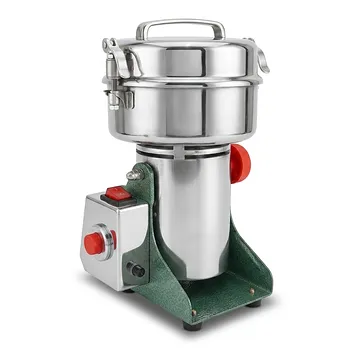
Small High-Speed Laboratory Grinder for Powder Processing
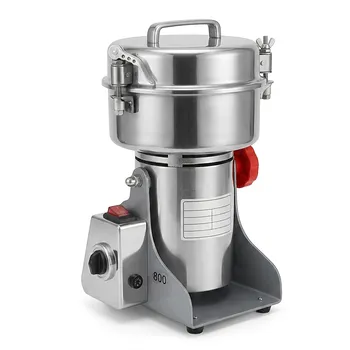
Small High-Speed Laboratory Grinder for Rapid Sample Preparation
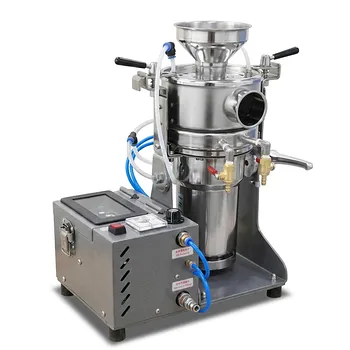
Water Cooled Pulse Jet Ultrafine Grinder
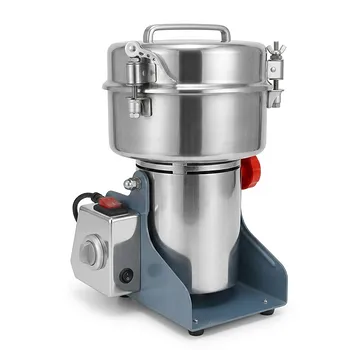
Small High-Speed Grinder for Efficient Laboratory Sample Preparation
Small High-Speed Swing Grinder for Laboratory Sample Preparation
Continuous Feeding Grinding Mill for Dry Fibrous Tough and Hard Materials in Laboratory and Small Production
Vibratory Superfine Grinder for Ultra Fine Laboratory Powder Milling
Stainless Steel Coarse Crusher for Pharmaceutical Food and Plastic Material Processing
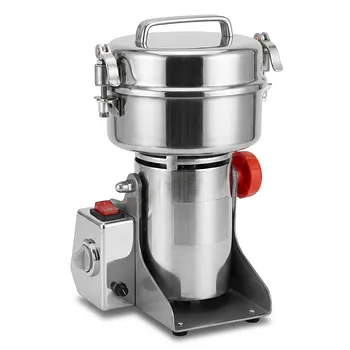
High Speed Laboratory Powder Grinder Small Batch Sample Preparation Mill
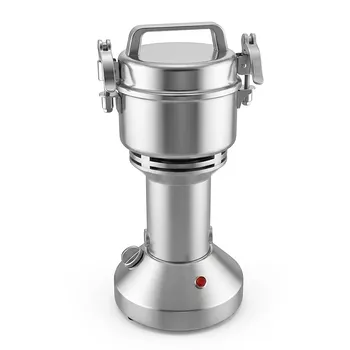
Small High Speed Upright Grinder for Laboratory Sample Preparation
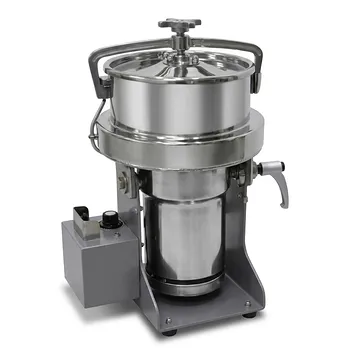
500g Capacity Water Cooled Low Temperature Grinder with Variable Speed and Safety Cover
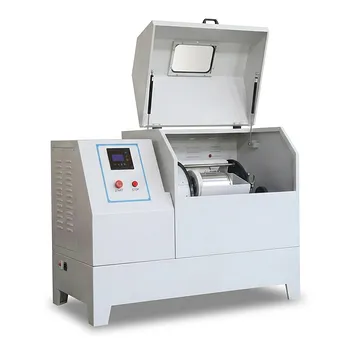
Heavy Duty Horizontal Planetary Ball Mill for Efficient Industrial Grinding and Sample Preparation
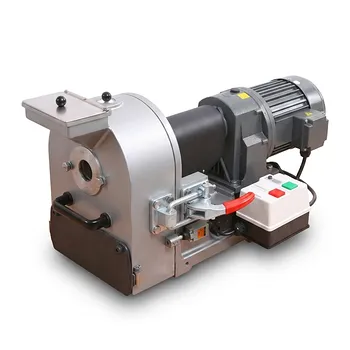
Laboratory Disc Mill for Fine Sample Preparation of Hard and Brittle Materials
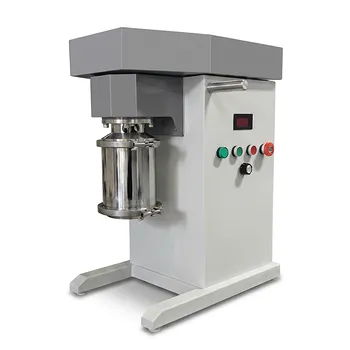
Nano Laboratory Bead Mill Desktop Sub Micron Sand Mill Screenless Seal Less Powder Grinder
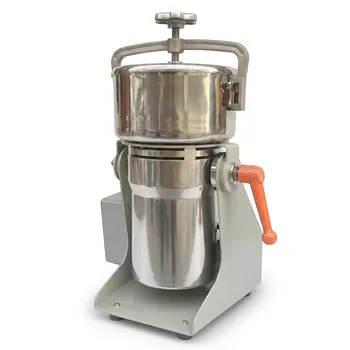
High Speed Laboratory Grinder Efficient Stainless Steel Powder Pulverizer Universal Material Science Mill for Sample Preparation
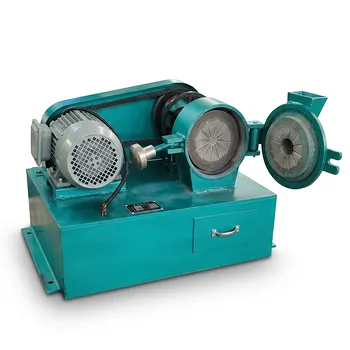
Laboratory Disc Mill Medium Hard Material Grinding Coal Coke Ore Pulverizer