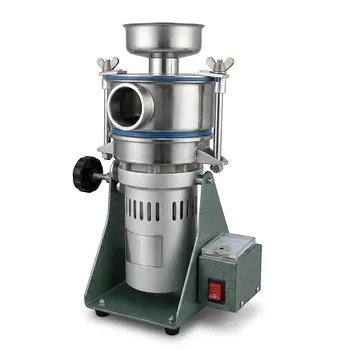
Why is a cutting mill utilized for processing fibrous Agarwood distillation waste? Efficient Shearing Solutions
Updated 4 months ago
The utilization of a cutting mill is driven by the need for precise mechanical shearing. This equipment employs high-speed rotating blades to physically slice and pulverize the tough, fibrous structure of Agarwood distillation waste. By reducing the volume of large raw materials and achieving a specific level of fineness, the cutting mill prepares the waste for its ultimate conversion into high-value oil well cement additives.
Core Takeaway: A cutting mill is the essential mechanical link in waste valorization, providing the shearing force necessary to transform resilient fibrous waste into a refined industrial powder suitable for specialized cement formulations.
The Mechanics of Shearing and Pulverization
High-Speed Blade Dynamics
Unlike traditional crushing methods, a cutting mill uses high-speed rotating blades to apply direct shearing force. This action is specifically designed to handle materials that are too flexible or resilient for impact-based pulverization.
Overcoming Fibrous Resilience
Agarwood distillation waste retains a woody, fibrous matrix that resists simple compression. The mechanical shearing action ensures that these fibers are cut into smaller segments rather than just flattened, allowing for total pulverization.
Volume Reduction and Surface Area
Refining the material significantly reduces its bulk volume, making it easier to transport and store. Increased surface area at the microscopic level also ensures better reactivity when the waste is chemically processed into additives.
Achieving Industrial Specifications
Precision for Oil Well Cement Additives
Oil well cement additives require a high degree of fineness to ensure they do not compromise the integrity of the cement slurry. The cutting mill allows operators to control the output size to meet these strict industrial tolerances.
Consistency in Particle Size
Inconsistent particle sizes can lead to "hot spots" or structural weaknesses in cement. The cutting mill provides a uniform refinement process, ensuring that every batch of processed waste behaves predictably in downstream applications.
Integration into Resource Recovery
The mill serves as the primary stage in waste resource utilization. Without this mechanical refinement, the distillation waste would remain a low-value byproduct rather than a functional component of an industrial additive.
Understanding the Trade-offs
Heat Generation and Material Integrity
The high friction involved in shearing fibrous wood can generate significant thermal energy. If the temperature is not managed, it may potentially alter the chemical properties of the Agarwood waste before it reaches the additive formulation stage.
Maintenance and Blade Wear
Processing woody, fibrous materials causes accelerated blade dulling. Consistent maintenance and frequent blade replacements are necessary to prevent the mill from losing its shearing efficiency and increasing energy consumption.
Energy Consumption vs. Throughput
High-speed pulverization is an energy-intensive process. Producers must balance the speed of processing with the cost of electricity to ensure the final oil well cement additive remains economically viable.
How to Apply This to Your Project
Before implementing a cutting mill for Agarwood waste processing, consider your specific industrial output requirements.
- If your primary focus is meeting strict additive standards: Prioritize a cutting mill with adjustable screen sizes to ensure the output achieves the exact fineness required for cement slurry integration.
- If your primary focus is maximizing waste throughput: Invest in heavy-duty blade materials, such as tungsten carbide, to minimize downtime caused by the abrasive nature of fibrous woody waste.
- If your primary focus is energy efficiency: Implement a staged grinding approach, using a coarse cut first to reduce bulk volume before proceeding to fine pulverization.
Properly calibrated mechanical shearing is the definitive solution for converting resilient distillation waste into a high-performance industrial asset.
Summary Table:
| Feature | Mechanical Action | Industrial Benefit |
|---|---|---|
| High-Speed Blades | Precision shearing & slicing | Breaks down resilient fibrous matrices |
| Particle Control | Adjustable screen sizes | Ensures uniform fineness for cement specs |
| Volume Reduction | Physical pulverization | Increases surface area and reactivity |
| Refinement | Consistent size output | Eliminates structural weaknesses in slurries |
Optimize Your Material Processing with Expert Solutions
Ready to transform resilient fibrous waste into high-performance industrial assets? Contact our specialists today to find the perfect equipment for your application.
We provide complete laboratory sample preparation solutions for material science, specializing in advanced powder processing and compaction equipment. Our extensive range includes:
- Grinding & Milling: Cutting mills, planetary ball mills, jet mills, and liquid nitrogen cryogenic grinders for tough materials.
- Crushing & Sizing: Heavy-duty jaw/roll crushers and vibratory/air-jet sieve shakers for precise particle distribution.
- Compaction & Pressing: A full spectrum of hydraulic presses, including Cold/Warm Isostatic Presses (CIP/WIP), standard lab presses, and vacuum hot presses.
- Mixing: High-efficiency powder mixers and defoaming mixers for uniform formulations.
Whether you are refining Agarwood waste or developing new composites, we deliver the precision and reliability your project demands. Reach out now to get a tailored solution!
References
- Arina Sauki, Nur Hashimah Alias. UTILIZATION OF AGARWOOD DISTILLATION WASTE IN OILWELL CEMENT AND ITS EFFECT ON FREE WATER AND POROSITY. DOI: 10.12777/ijse.5.2.61-65
Mentioned Products
- Industrial Cutting Mill for Tough Fibrous and Soft Materials
- Ultra Centrifugal Mill High Speed Laboratory Grinder for Fibrous and Brittle Sample Preparation
- Continuous Feeding Grinding Mill for Dry Fibrous Tough and Hard Materials in Laboratory and Small Production
- High Speed Laboratory Knife Mill for Oily Fibrous and Wet Sample Homogenization
- Laboratory Disc Mill for Fine Sample Preparation of Hard and Brittle Materials
People Also Ask
- What role does an industrial cutting mill play in sea buckthorn waste processing? Efficient Biomass Pretreatment
- What is the role of a cutting mill equipped with a 1 mm screen in the preliminary preparation of Maguey fibers?
- What is the purpose of using a laboratory cutting mill for two-stage grinding? Optimize WPC Particles for 3D Printing
- How is a universal cutting mill used to achieve precise size control of hop fibers for material reinforcement? Guide
- What are the functions of an industrial cutting mill and a vibratory sieve shaker in the preparation of bamboo microfibers?

Tech Team · PowderPreparation
Last updated on May 14, 2026
Related Products
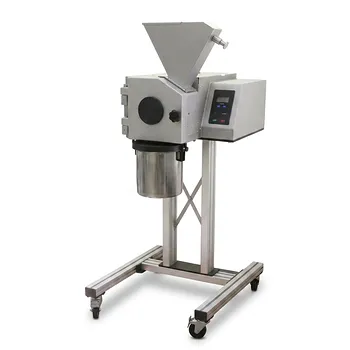
Industrial Cutting Mill for Tough Fibrous and Soft Materials
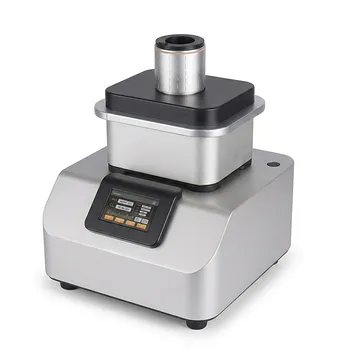
Ultra Centrifugal Mill High Speed Laboratory Grinder for Fibrous and Brittle Sample Preparation
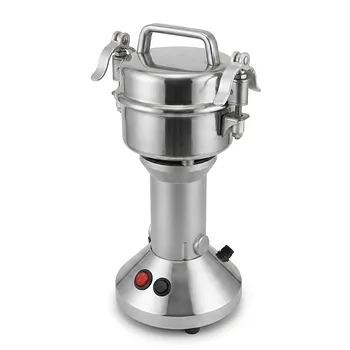
Continuous Feeding Grinding Mill for Dry Fibrous Tough and Hard Materials in Laboratory and Small Production
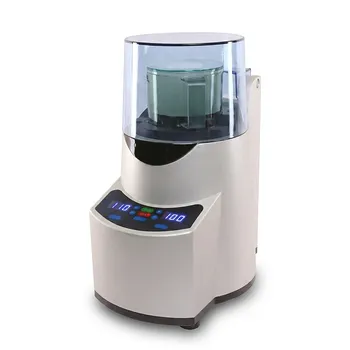
High Speed Laboratory Knife Mill for Oily Fibrous and Wet Sample Homogenization
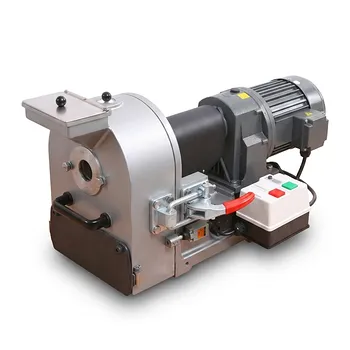
Laboratory Disc Mill for Fine Sample Preparation of Hard and Brittle Materials
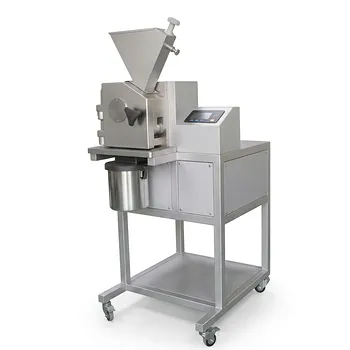
Heavy Metal Free RoHS WEEE Testing Sample Pretreatment Cutting Mill Industrial Solid Waste Grinder for Plastics and Electronics
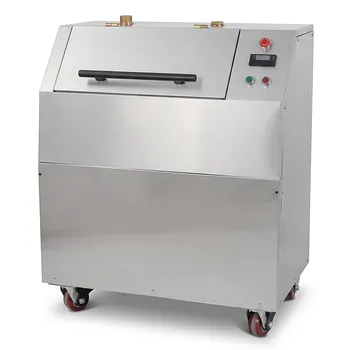
Vibratory Disc Mill for Rapid Fine Grinding and High Throughput Sample Preparation of Hard and Brittle Materials
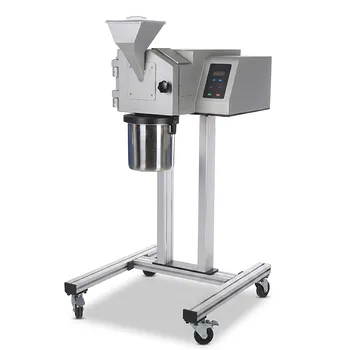
Cross Beater Mill for Brittle Material Grinding and Continuous Fine Crushing Industrial Sample Preparation
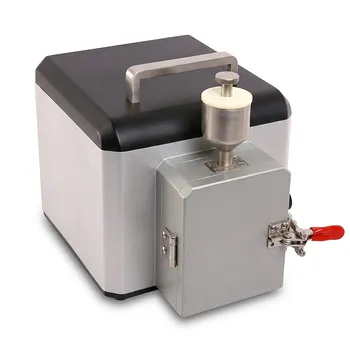
Portable Cutting Mill for Laboratory Sample Preparation and RoHS WEEE Compliance Testing
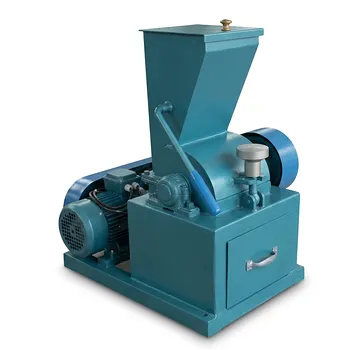
Small Hammer Crusher for Brittle Material Crushing in Mining Metallurgy and Lab Sample Preparation

Industrial Knife Mill for Food and Biological Sample Preparation High Speed Laboratory Homogenizer

High Energy Laboratory Planetary Ball Mill for Nano Grinding and Material Science Sample Preparation
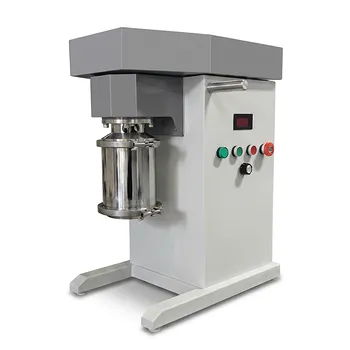
Nano Laboratory Bead Mill Desktop Sub Micron Sand Mill Screenless Seal Less Powder Grinder
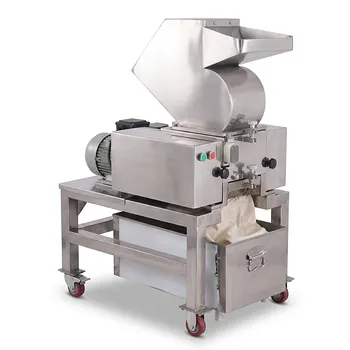
Stainless Steel Coarse Crusher for Pharmaceutical Food and Plastic Material Processing
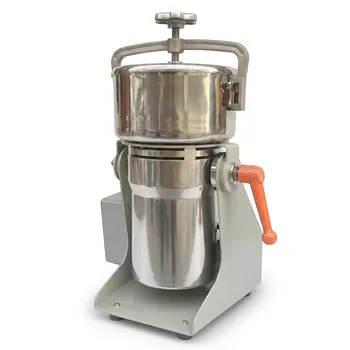
High Speed Laboratory Grinder Efficient Stainless Steel Powder Pulverizer Universal Material Science Mill for Sample Preparation
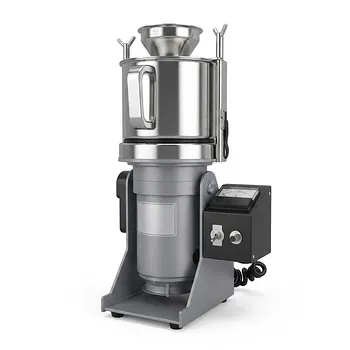
High Speed Air Induced Ultrafine Pulverizer Laboratory Superfine Powder Mill for Pharmaceutical and Material Science Sample Preparation
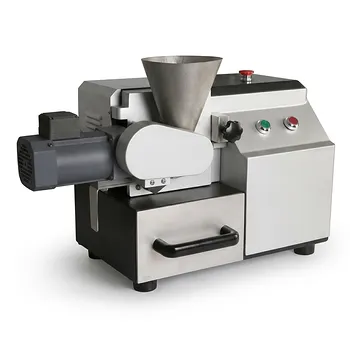
Laboratory Hammer Mill for Coal Quality Analysis and Brittle Mineral Grinding
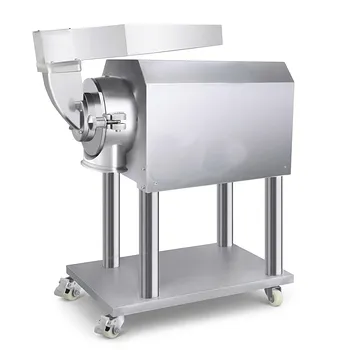
High Speed Small Laboratory Crusher for Dry Material Sample Preparation
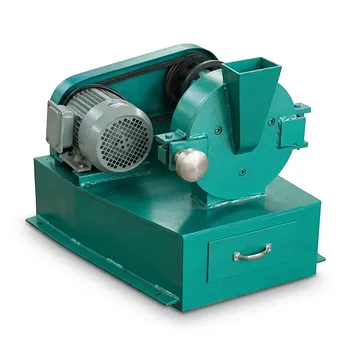
Medium Hardness Material Disc Pulverizer for Coal Ore Sample Preparation