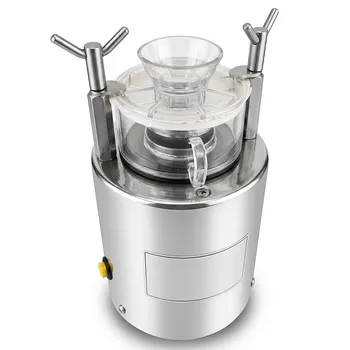
What is the primary function of grinding equipment during the raw material preparation stage for aluminum matrix composites?
Updated 4 months ago
The primary function of grinding equipment in aluminum matrix composite (AMC) preparation is the physical refinement of reinforcement materials into a uniform powder. This process increases the specific surface area of the reinforcement—such as rigid polymers, graphite, or ceramics—to ensure it can be homogeneously embedded within the aluminum matrix during subsequent processing stages like friction stir processing or mechanical mixing.
In the production of aluminum matrix composites, grinding serves as a critical pre-treatment that transforms raw reinforcements into high-surface-area powders. This refinement is the technical foundation for achieving macroscopic homogeneity and strong interfacial bonding in the final material.
The Role of Physical Refinement in Composite Quality
Increasing Specific Surface Area
Grinding equipment uses mechanical force to crush and refine reinforcement phases, such as cross-linked rigid polymethylhydrosiloxane (PMHS) polymers.
This physical refinement significantly increases the specific surface area of the particles.
A higher surface area allows for more contact points between the reinforcement and the aluminum, which is essential for uniform embedding.
Ensuring Macroscopic Homogeneity
Without a uniform powder, the reinforcement phase may cluster, leading to structural weaknesses in the aluminum matrix.
Grinding ensures that the initial state of the raw material is consistent, facilitating a highly uniform mixed powder when combined with aluminum.
This macroscopic consistency is a prerequisite for predictable mechanical properties in the finished composite.
Mechanisms of Size Reduction and Material Conditioning
Precision Particle Size Control
High-energy ball mills and industrial grinders apply impact and shear forces to reduce materials from micron-scale to finer dimensions.
This level of control allows engineers to optimize the particle size distribution for specific mechanical requirements.
Precise sizing is also necessary for sieving processes, which help in acquiring specific reinforcement grades for specialized applications.
Enhancement of Interfacial Bonding
Grinding often increases the surface roughness of the reinforcement particles, such as rice husk or coconut fibers.
This physical transformation enhances the mechanical interlocking force between the reinforcement and the matrix.
Stronger interfacial bonding directly translates to improved load transfer and overall durability of the composite material.
Understanding the Trade-offs
The Risk of Contamination and Impurities
While grinding is necessary for refinement, extended milling in high-energy ball mills can introduce impurities from the grinding media.
The wear and tear of the equipment may contaminate the powder, potentially compromising the purity of the aluminum matrix.
Engineers must balance the need for fineness with the risk of degrading the material's chemical integrity.
Energy Consumption and Material Degradation
Achieving ultra-fine particle sizes requires significant energy input and longer processing times.
Excessive mechanical force can sometimes lead to the thermal degradation of sensitive reinforcements, such as certain polymers or natural fibers.
Optimizing the grinding duration is critical to avoid "over-processing," which can diminish the very mechanical properties the process aims to enhance.
Applying Grinding Strategies to Your Production Goal
How to Apply This to Your Project
To achieve the best results in aluminum matrix composite preparation, the choice of grinding intensity must align with your specific reinforcement type.
- If your primary focus is maximizing interfacial strength: Use grinding to increase surface roughness and specific surface area, ensuring a larger contact zone for mechanical interlocking.
- If your primary focus is achieving high purity: Opt for shorter milling cycles and specialized grinding media to minimize the introduction of metallic impurities.
- If your primary focus is precise mechanical tuning: Utilize high-energy ball milling for fine control over particle size distribution to meet exact performance specifications.
Refining your raw materials through strategic grinding is the most effective way to ensure the structural integrity and performance of advanced aluminum matrix composites.
Summary Table:
| Key Function | Technical Outcome | Impact on Composite Quality |
|---|---|---|
| Physical Refinement | Increased specific surface area | Ensures uniform embedding in the Al matrix |
| Homogenization | Consistent powder state | Prevents clustering and structural weak points |
| Surface Modification | Increased surface roughness | Enhances mechanical interlocking and load transfer |
| Precision Sizing | Optimized particle distribution | Allows for precise tuning of mechanical properties |
Elevate Your Composite Material Research
Achieving the perfect aluminum matrix composite requires precision at every stage of sample preparation. We provide complete laboratory sample preparation solutions tailored for material science, specializing in high-performance powder processing and compaction equipment.
Whether you need to refine reinforcements or compact final specimens, our extensive product line has you covered:
- Advanced Milling: Planetary ball mills, jet mills, and cryogenic grinders for superior particle refinement.
- Size Control: Sieve shakers (vibratory/air-jet) and high-precision test sieves.
- Mixing & Compaction: Powder and defoaming mixers, plus a full spectrum of hydraulic presses, including Cold/Warm Isostatic Presses (CIP/WIP), hot presses, and XRF pellet presses.
Ready to optimize your workflow for unmatched material integrity? Contact our technical experts today to find the ideal equipment for your laboratory's specific needs.
References
- Bindu Gutta, Satish V. Kailas. A Polymer-Based Metallurgical Route to Produce Aluminum Metal-Matrix Composite with High Strength and Ductility. DOI: 10.3390/ma17010084
Mentioned Products
- Small Ceramic Structure Laboratory Sand Mill Nanoscale Grinding Dispersion Equipment Seal-less Screen-less Design
- Small High-Speed Laboratory Grinder for Powder Processing
- Vibratory Superfine Grinder for Ultra Fine Laboratory Powder Milling
- Multifunctional High Efficiency High Speed Laboratory Grinder
- Continuous Feeding Grinding Mill for Dry Fibrous Tough and Hard Materials in Laboratory and Small Production
People Also Ask
- Why is a sand mill used to process solid carbon-forming agents like PPVA and PER? Enhance Dispersion & Flame Retardancy
- What is the role of laboratory grinding equipment in the preparation of waste glass powder for eco-friendly red bricks?
- Why is grinding equipment necessary for SnO2-Sb2O3 xerogels? Maximize surface area and photocatalytic activity.
- How does laboratory grinding or pulverizing equipment influence eggshell-derived adsorbents? Maximize Surface Area.
- What is the primary role of grinding equipment in BLA preparation? Enhance Reactivity & Material Uniformity

Tech Team · PowderPreparation
Last updated on Jun 03, 2026
Related Products
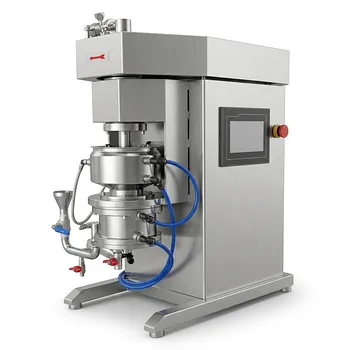
Small Ceramic Structure Laboratory Sand Mill Nanoscale Grinding Dispersion Equipment Seal-less Screen-less Design
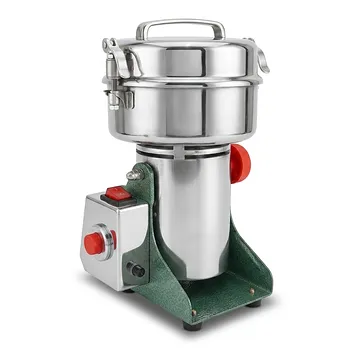
Small High-Speed Laboratory Grinder for Powder Processing
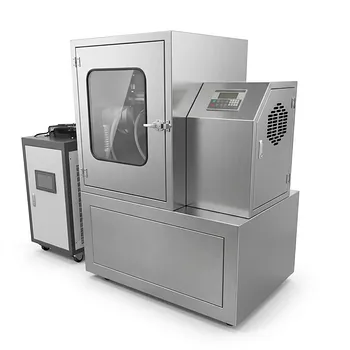
Vibratory Superfine Grinder for Ultra Fine Laboratory Powder Milling
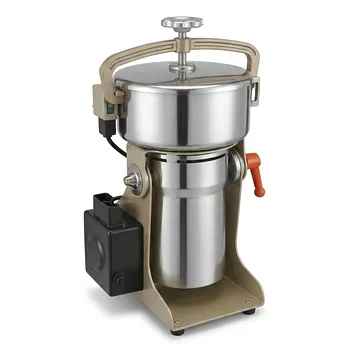
Multifunctional High Efficiency High Speed Laboratory Grinder
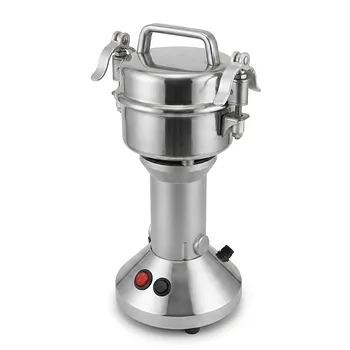
Continuous Feeding Grinding Mill for Dry Fibrous Tough and Hard Materials in Laboratory and Small Production
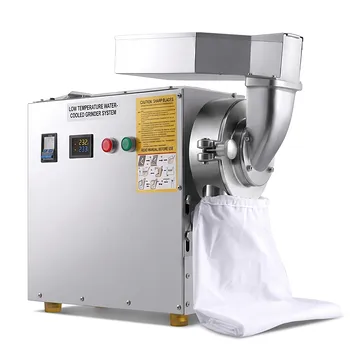
Low Temperature Water Cooled Continuous Feed Grinder Two Stage Coarse and Fine Grinding System
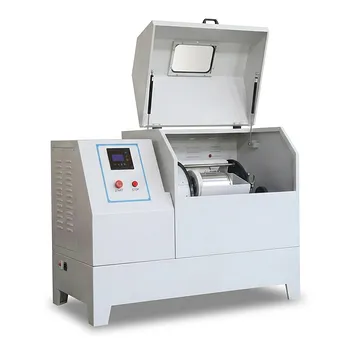
Heavy Duty Horizontal Planetary Ball Mill for Efficient Industrial Grinding and Sample Preparation
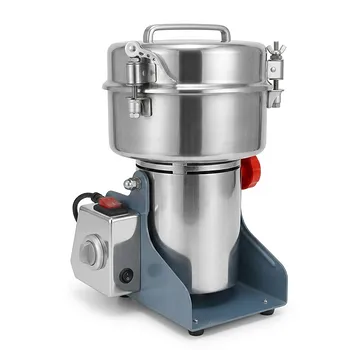
Small High-Speed Grinder for Efficient Laboratory Sample Preparation
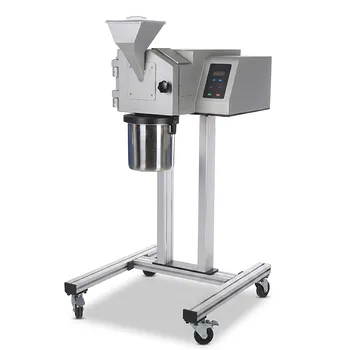
Cross Beater Mill for Brittle Material Grinding and Continuous Fine Crushing Industrial Sample Preparation
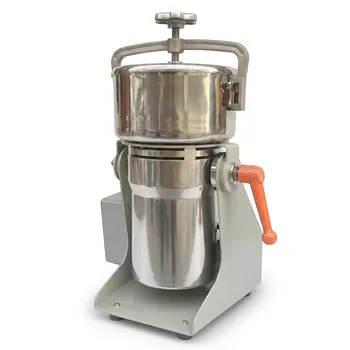
High Speed Laboratory Grinder Efficient Stainless Steel Powder Pulverizer Universal Material Science Mill for Sample Preparation
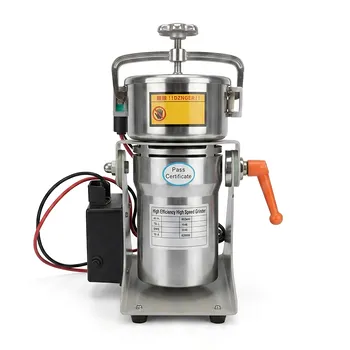
High Efficiency High Speed Grinder Laboratory Mill 1300W 25000rpm
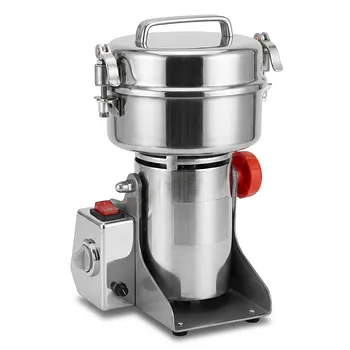
High Speed Laboratory Powder Grinder Small Batch Sample Preparation Mill
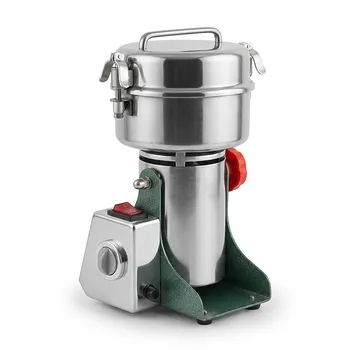
Small High-Speed Swing Grinder for Laboratory Sample Preparation
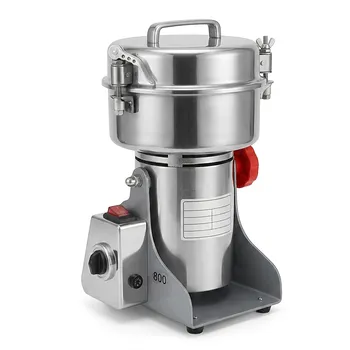
Small High-Speed Laboratory Grinder for Rapid Sample Preparation
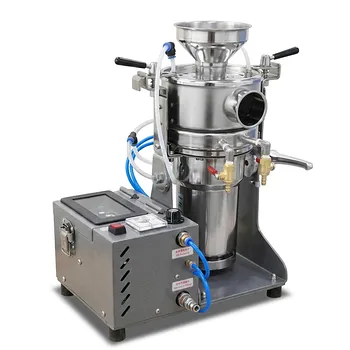
Water Cooled Pulse Jet Ultrafine Grinder
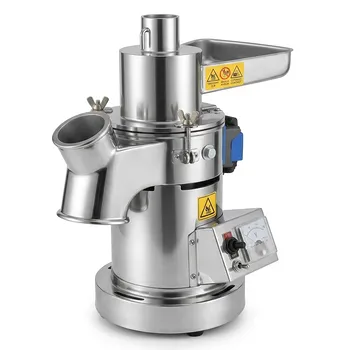
Continuous Feeding Grinder High Efficiency Pulverizer for Lab Sample Preparation
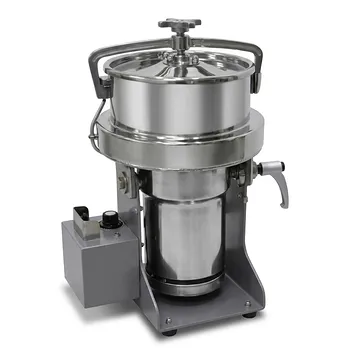
500g Capacity Water Cooled Low Temperature Grinder with Variable Speed and Safety Cover
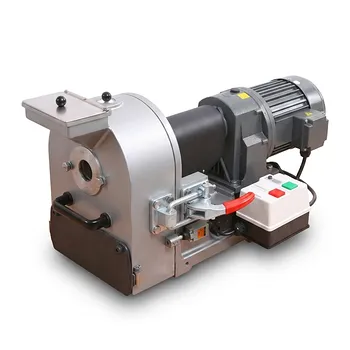
Laboratory Disc Mill for Fine Sample Preparation of Hard and Brittle Materials
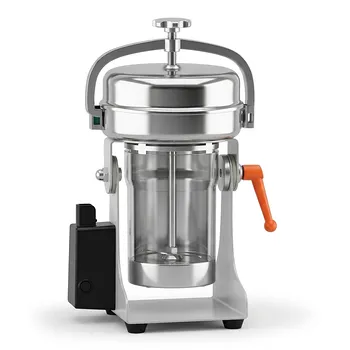
High Efficiency High Speed Grinder 2200W 25000 RPM Laboratory Sample Preparation