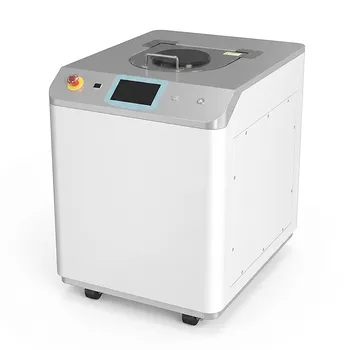
Why is a mechanical powder mixer preferred over manual mixing for sandcrete? Achieve Superior Homogenization & Strength
Updated 5 months ago
Mechanical mixers are the industry standard for sandcrete production because they provide a level of homogenization that manual labor cannot replicate. By applying constant, high-intensity shear force, these machines achieve microscopic blending of cement, sand, and water in a fraction of the time. This process effectively eliminates cement clumping and ensures that every sand grain is uniformly coated with cement paste, resulting in significantly higher compressive strength and structural consistency.
Core Takeaway: Mechanical powder mixers utilize forced homogenization to overcome particle interlocking and ensure a uniform distribution of moisture and cement. This maximizes the chemical efficiency of the cement hydration process, leading to denser, stronger, and more reliable sandcrete blocks.
The Science of Microscopic Homogenization
Overcoming Particle Interlocking
Sand particles, particularly those that are angular or flaky, create natural mechanical interlocking forces that resist movement. Mechanical mixers use powerful rotating blades to provide the energy necessary to overcome these forces, ensuring that particles move freely and mix thoroughly.
Achieving High-Level Shear Force
Unlike the inconsistent motion of a shovel, a mechanical mixer provides a constant shear force. This intense action is required to break down microscopic clusters of material, ensuring that even small amounts of cement are distributed evenly across a large volume of sand.
Eliminating Cement Clumping
In manual mixing, moisture often causes cement to form "clumps" or balls that remain dry at the core. Mechanical mixers use high-intensity agitation to prevent this, ensuring that all cement powder is fully exposed to water and integrated into the mix.
Enhancing Material Integrity and Strength
Optimizing the Cement Paste Coating
The strength of a sandcrete block depends on the coating rate of cement paste on the individual sand grains. Mechanical mixing ensures that the paste is forced onto the surface of every aggregate particle, creating a superior bond compared to the patchy coating often found in manual mixes.
Creating a Continuous Structural Framework
When cement is uniformly distributed, the calcium silicate hydrate (C-S-H) gel produced during hydration can fill pores effectively. This forms a continuous structural network throughout the block, which maximizes the bonding effect and increases the overall density of the finished product.
Ensuring Consistent Rheological Properties
For specialized mixtures like fluidized sand concrete, a stable rotation speed is critical for activating water-reducing agents. Mechanical mixers maintain the precise intensity needed to ensure the mixture achieves uniform flow and workability.
Precision in Moisture and Compaction
Uniform Lubrication of Particles
Water acts as a lubricant during the compaction process of sandcrete blocks. Mechanical mixers ensure uniform moisture distribution, which prevents "dry spots" that can lead to structural weaknesses or crumbling edges.
Preventing Density Gradients
Manual mixing often results in local variations in moisture and cement content, leading to density gradients within a single block. A mechanical mixer provides a stable wet material that ensures the block has the same density and strength from top to bottom.
Improving Laboratory Reproducibility
In a laboratory setting, mechanical mixers are essential for reducing experimental errors. By using preset mixing durations and constant speeds (such as 25 rpm), researchers can ensure that test results are representative and reproducible.
Managing Complex and Recycled Aggregates
Compensating for Poor Grading
Recycled sand often lacks specific particle sizes, which can weaken the block. High-performance mixers allow for forced homogenization of different sand types, optimizing the grading curve and improving the workability of the concrete.
Integrating Waste Materials
When using additives like marble powder or weathered granite soil, mechanical shear is necessary to blend materials with vastly different physical properties. This ensures that even fine powders are fully integrated into the sand matrix.
Understanding the Trade-offs
Equipment and Operational Costs
The primary disadvantage of mechanical mixing is the initial capital investment and the ongoing cost of electricity or fuel. Manual mixing requires almost no upfront cost beyond basic hand tools, making it more accessible for very small-scale, low-budget projects.
Maintenance and Complexity
Mechanical mixers are subject to wear and tear, particularly on the blades and motor, requiring a structured maintenance schedule. Manual mixing is simpler and does not suffer from mechanical downtime, though it is far more physically demanding on the labor force.
How to Apply This to Your Project
Making the Right Choice for Your Goal
- If your primary focus is Maximum Block Strength: Use a high-intensity mechanical mixer to ensure a complete coating of cement paste and a continuous hydration network.
- If your primary focus is Large-Scale Production: Invest in a mechanical mixer with preset durations to ensure consistency across thousands of units and reduce labor fatigue.
- If your primary focus is Using Recycled Materials: Utilize a forced-action mechanical mixer to properly blend aggregates of varying sizes and densities.
- If your primary focus is Laboratory Accuracy: Use a specialized powder mixer to eliminate variables and ensure that your moisture and density readings are precise.
By prioritizing mechanical mixing, you ensure that the chemical potential of your cement is fully realized, resulting in a superior, more durable sandcrete product.
Summary Table:
| Feature | Manual Mixing | Mechanical Mixing |
|---|---|---|
| Homogenization | Low & Inconsistent | High-Level Uniformity |
| Shear Force | Minimal/Variable | Constant High-Intensity |
| Cement Coating | Patchy; prone to clumping | Complete coating of sand grains |
| Structural Integrity | Higher porosity & weak spots | Continuous C-S-H gel network |
| Reproducibility | Low (subject to labor fatigue) | High (preset durations/speeds) |
| Efficiency | Slow & physically demanding | Rapid, large-scale processing |
Upgrade Your Material Consistency with Precision Engineering
Maximize the chemical potential of your materials with professional-grade processing equipment. At [Your Brand Name], we provide complete laboratory sample preparation solutions for material science, specializing in high-performance powder processing and compaction equipment.
Whether you are optimizing sandcrete blocks or developing advanced composites, our extensive line includes:
- Advanced Mixing: High-intensity powder mixers and defoaming mixers for perfect homogenization.
- Size Reduction: Crushers (jaw/roll), liquid nitrogen cryogenic grinders, and various mills (planetary ball, jet, sand, disc, rotor).
- Material Compaction: A full spectrum of hydraulic presses, including Cold/Warm Isostatic Presses (CIP/WIP), standard lab presses, and vacuum hot presses.
- Classification: Sieve shakers (vibratory/air-jet) for precise particle size analysis.
Ensure your research and production meet the highest standards of structural integrity. Contact our experts today to find the perfect solution for your lab!
References
- Michael Nwabueze Anosike, A. A. Oyebade. Sandcrete Blocks and Quality Management in Nigeria Building Industry. DOI: 10.32738/jeppm.201201.0005
Mentioned Products
- Multi Dimensional Universal Mixer for High Uniformity Powder Blending
- V-Type Powder Mixer for Uniform Blending of Dry Powders and Granules
- Three-Dimensional Motion Mixer for Laboratory Powder and Granule Blending
- Industrial Double Cone Mixer for Powder Blending and Homogeneous Mixing
- Inclined Mixer for Homogeneous Powder Blending and Grinding
People Also Ask
- What is the role of a multi-dimensional powder mixer in the preparation of Ce-TZP ceramics? Optimize Homogenization
- What is the importance of using a high-efficiency powder mixer when preparing sand and soil mixtures? Accurate Results.
- What is the role of a powder mixer in SiC mechanical seal ring production? Ensure Homogeneity and Structural Integrity
- Why is high-uniformity powder mixing essential for antibacterial ceramic glazes? Ensure Consistent Bioactive Protection
- How do powder mixers and additives influence ZTA ceramics? Optimize microstructure for superior toughness and density

Tech Team · PowderPreparation
Last updated on May 14, 2026
Related Products
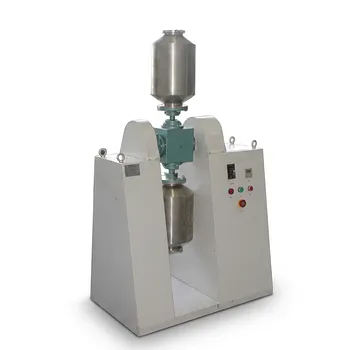
Multi Dimensional Universal Mixer for High Uniformity Powder Blending
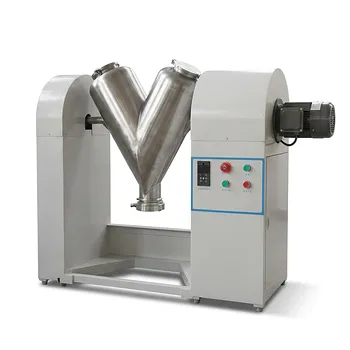
V-Type Powder Mixer for Uniform Blending of Dry Powders and Granules
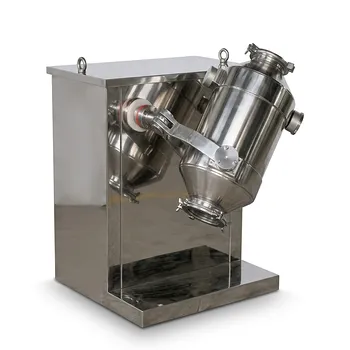
Three-Dimensional Motion Mixer for Laboratory Powder and Granule Blending
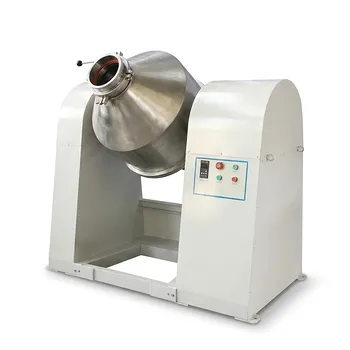
Industrial Double Cone Mixer for Powder Blending and Homogeneous Mixing
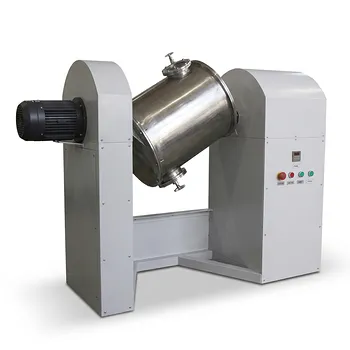
Inclined Mixer for Homogeneous Powder Blending and Grinding
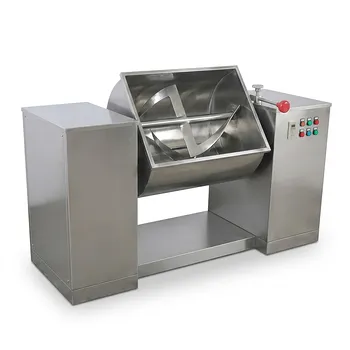
Horizontal Trough Mixer for Uniform Powder and Paste Blending
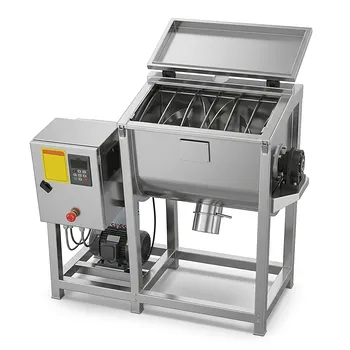
Horizontal Ribbon Mixer for Uniform Powder and Slurry Mixing
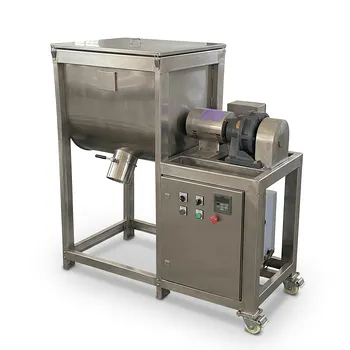
Horizontal Ribbon Mixer for Dry Powder and Slurry Blending
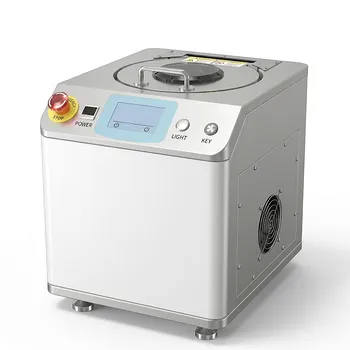
High Efficiency Vacuum Planetary Centrifugal Mixer and Defoaming Machine for Industrial Material Research and Precise Laboratory Powder Dispersion
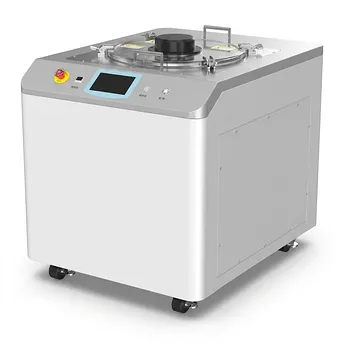
Industrial Planetary Centrifugal Vacuum Defoaming Mixer for High Viscosity Paste and Powder Homogenization
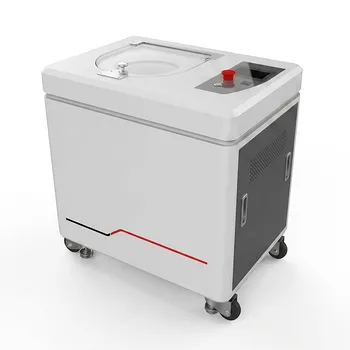
非介入式材料均质机真空脱泡行星搅拌高粘度混合设备
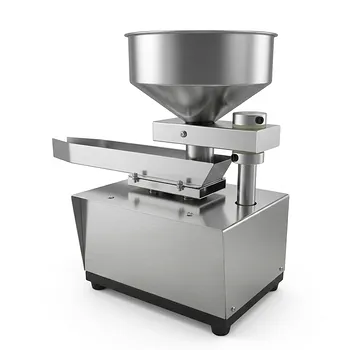
Automatic Vibrating Powder Feeder for Laboratory Material Processing Precision Vibratory Hopper Feeder for Granular and Powder Material Handling Industrial Grade Vibrating Tray Feeder for Consistent Material Sample Preparation
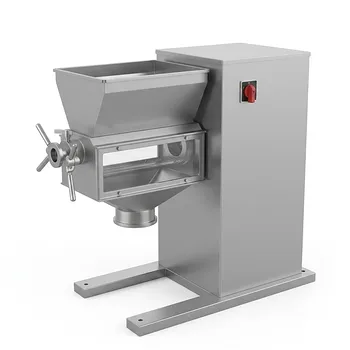
Industrial Swing Granulator for Powder Processing in Pharma Food and Chemical Industries
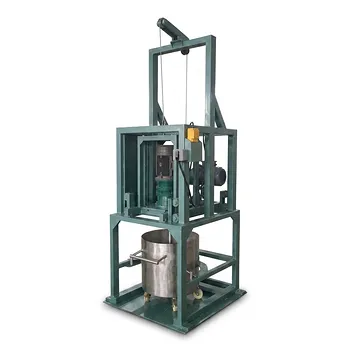
High-Speed Simple Disperser for Efficient Mixing, Dispersion, and Emulsification
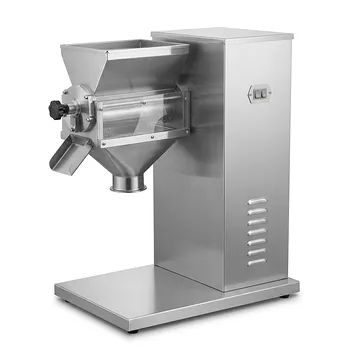
Small Swing Granulator Efficient Powder Granulation for Pharmaceutical Chemical Food Industries
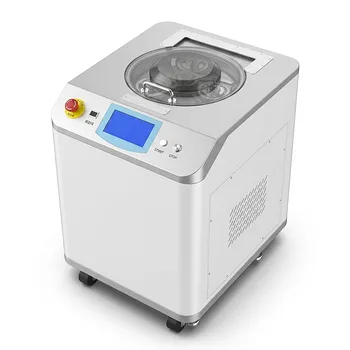
Dual Cup Vacuum Centrifugal Mixer Planetary Paste Defoaming Machine Industrial Material Processor

Vertical Production Planetary Ball Mill for High Throughput Powder Processing
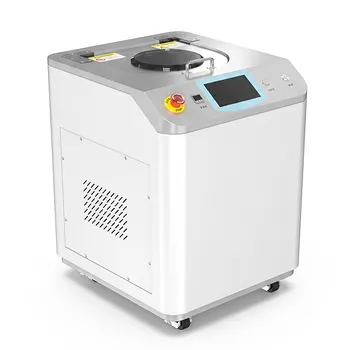
High Speed Vacuum Planetary Centrifugal Mixer and Defoamer for Industrial Paste Processing
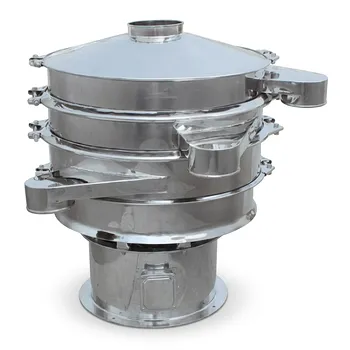
Stainless Steel Rotary Vibrating Sieve High Precision Circular Vibratory Separator Industrial Powder Grading Machine Multi Layer Sifting Equipment