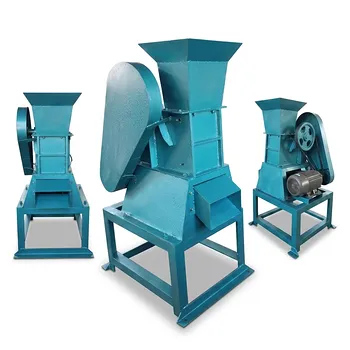
What is the role of laboratory vibratory sieve shakers in waste PUR foam recycling? Optimize Particle Size and Density
Updated 4 months ago
Laboratory vibratory sieve shakers are the primary tools for precise particle size grading and analysis during the pretreatment of waste polyurethane (PUR) foam. They categorize crushed foam into specific size fractions to ensure optimal packing density and bonding strength during subsequent hot compression molding processes.
By precisely defining the grain size distribution of crushed PUR foam, vibratory sieve shakers allow researchers to control the mechanical properties and consistency of the final recycled material.
Optimizing the Mechanical Integrity of Recycled Foam
Determining Grain Size Distribution
In the pretreatment stage, waste PUR foam is crushed into irregular particles that must be categorized. Vibratory sieve shakers utilize mechanical vibration through a stack of standardized meshes to separate these particles into discrete size fractions.
This analysis allows researchers to determine the optimal grain size distribution, which is a prerequisite for any scalable recycling process. Without this data, the physical characteristics of the recycled output remain unpredictable.
Ensuring Bonding Strength and Packing Density
The particle size of the foam directly influences how the material behaves under hot compression molding. Consistent particle sizes ensure uniform packing density, which prevents voids and weak spots in the recycled product.
Furthermore, proper grading ensures maximum bonding strength between particles. When the surface-area-to-volume ratio is controlled, the adhesives or thermal processes used to fuse the foam together work with much higher efficiency.
The Scientific Necessity of Particle Control
Achieving Dispersion Uniformity
Just as in the processing of rubber powders or fillers, the dispersion uniformity of PUR particles is critical. If the particle sizes are too varied, the recycled matrix will exhibit inconsistent mechanical properties across the finished part.
Using a sieve shaker ensures that the material is concentrated within a specific range. This concentration is vital for evaluating how the recycled foam will perform under stress, tension, or compression in its new application.
Refining Mixing Kinetics and Precision
Precision particle classification allows researchers to isolate specific foam fractions within a micro-range. This facilitates a deeper analysis of how particle size influences the kinetics of the recycling process.
By removing outliers—particles that are either too large or too fine—scientists can ensure that experimental results are accurate and repeatable. This level of control is necessary for transitioning from laboratory-scale experiments to industrial production.
Understanding the Trade-offs and Limitations
Material Degradation and Heat Build-up
While vibratory shakers are highly effective, prolonged mechanical vibration can occasionally lead to material attrition. In some cases, the friction of the particles against the mesh or each other can slightly alter the shape or size of soft foam particles during the test itself.
Potential for Mesh Blinding
Polyurethane foam is often lightweight and can be prone to static electricity or "blinding" (clogging) of the sieve openings. This is particularly common with very fine particles, which may require specific amplitude adjustments or anti-static aids to ensure an accurate reading.
Sieve Selection Constraints
The accuracy of the grading is entirely dependent on the selection of the mesh sequence. If the intervals between sieve sizes are too large, the researcher may miss critical data points regarding the distribution curve, leading to sub-optimal packing density in the final mold.
How to Apply Sieve Analysis to Your Recycling Project
Making the Right Choice for Your Goal
To achieve the best results in PUR foam recycling, the sieving process must be tailored to the intended application of the recycled material.
- If your primary focus is maximizing structural bonding strength: Use the shaker to isolate mid-range particle fractions that provide the highest surface area contact for adhesives.
- If your primary focus is achieving maximum packing density: Utilize a wide stack of sieves to create a bespoke "gradation curve" that blends different sizes to fill interstitial voids.
- If your primary focus is purity and contaminant removal: Use a high-aperture top sieve (e.g., 2 mm or larger) to quickly scalp out large impurities like stones, wood, or uncrushed foam chunks.
By mastering the particle size distribution through precise vibratory sieving, you transform inconsistent waste into a high-performance raw material.
Summary Table:
| Parameter | Role in PUR Recycling | Impact on Final Product |
|---|---|---|
| Grain Size Distribution | Categorizes crushed foam into discrete size fractions | Ensures predictable and repeatable mechanical properties |
| Packing Density | Blends various particle sizes to fill interstitial voids | Minimizes voids and weak spots in the final molded parts |
| Bonding Strength | Controls surface-area-to-volume ratio for adhesives | Maximizes efficiency of thermal or chemical fusing processes |
| Dispersion Uniformity | Isolates particles within a specific micro-range | Prevents inconsistent performance across the recycled matrix |
| Impurity Removal | Scalps out wood, stones, or uncrushed chunks | Enhances material purity and protects downstream equipment |
Elevate Your Material Research with Precision Sample Preparation
Transform inconsistent waste PUR foam into high-performance raw materials with our professional-grade laboratory solutions. We provide complete laboratory sample preparation solutions for material science, specializing in high-precision powder processing and compaction equipment designed to meet the rigorous demands of modern recycling research.
Our extensive product lines support every stage of your workflow:
- Size Reduction: Jaw and roll crushers, liquid nitrogen cryogenic grinders, and various mills (planetary ball, jet, sand/bead, disc, rotor).
- Classification & Mixing: Vibratory and air-jet sieve shakers with standardized test meshes, alongside powder and defoaming mixers.
- Compaction & Molding: A full spectrum of hydraulic presses, including Cold/Warm Isostatic Presses (CIP/WIP), standard lab presses, XRF pellet presses, hot presses, and vacuum hot presses.
Whether you are a researcher aiming for optimal packing density or a distributor looking for reliable OEM/ODM support and certified laboratory equipment, we bring the expertise and tools necessary to streamline your processes.
Contact our technical experts today to find the perfect equipment configuration for your material science project!
References
- Ľubomír Šooš, Jozef Bábics. Research into Efficient Technology for Material Recovery of Waste Polyurethane Foams. DOI: 10.3390/recycling10030107
Mentioned Products
- Laboratory Dry and Wet Three Dimensional Vibratory Sieve Shaker for Particle Analysis
- Stainless Steel Laboratory Vibratory Test Sieve Shaker
- Small Laboratory Vibratory Sieve Shaker for Powder Gradation and Particle Size Analysis
- Vibratory Sieve Shaker Electromagnetic 3D Motion Powder Particle Size Analyzer for Dry and Wet Sieving
- Laboratory Vibratory Test Sieve Shaker for Precision Particle Size Analysis and Powder Grading
People Also Ask
- What is the primary function of a laboratory vibratory sieve shaker in the evaluation of sand liquefaction potential?
- What role do laboratory vibratory sieve shakers and test sieves play before the molding of Nb-Cu composite powders?
- What function does a laboratory vibratory sieve shaker serve in the production process of metakaolin? Optimize Reactivity
- Why is a precision laboratory vibratory sieve shaker necessary for particle size control? Optimize Biomass Carbonization
- What is the function of a laboratory vibratory sieve shaker? Enhance Coal Particle Size Distribution (PSD) Analysis

Tech Team · PowderPreparation
Last updated on Jun 03, 2026
Related Products
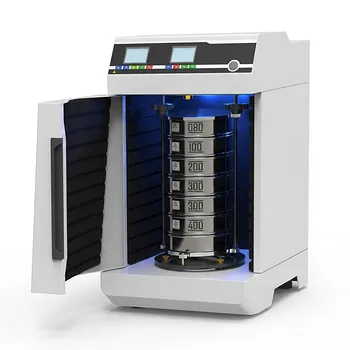
Laboratory Dry and Wet Three Dimensional Vibratory Sieve Shaker for Particle Analysis
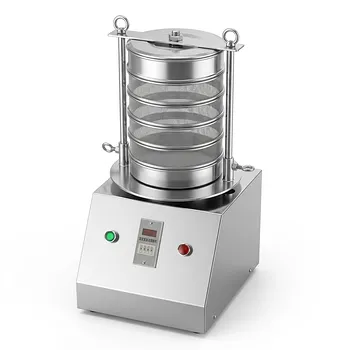
Stainless Steel Laboratory Vibratory Test Sieve Shaker
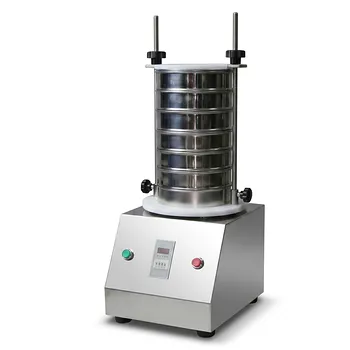
Small Laboratory Vibratory Sieve Shaker for Powder Gradation and Particle Size Analysis
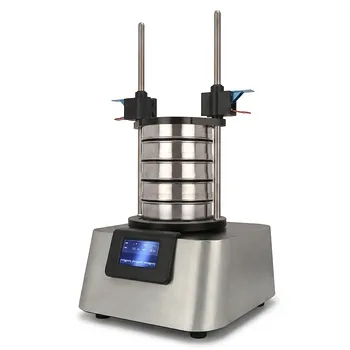
Vibratory Sieve Shaker Electromagnetic 3D Motion Powder Particle Size Analyzer for Dry and Wet Sieving
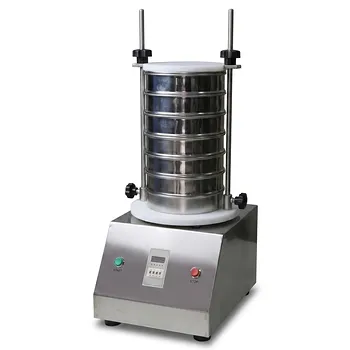
Laboratory Vibratory Test Sieve Shaker for Precision Particle Size Analysis and Powder Grading
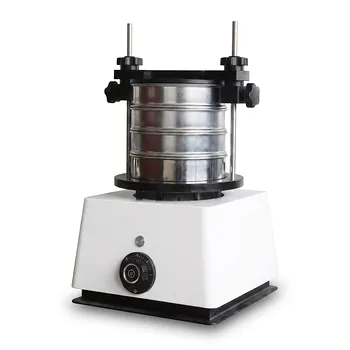
Small Laboratory Vibrating Sieve Shaker for Precise Particle Size Analysis
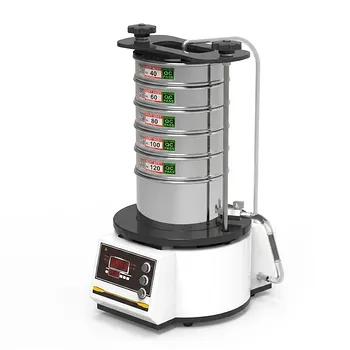
High Frequency Wet Three-Dimensional Vibrating Sieve Shaker for Dry and Wet Particle Size Analysis
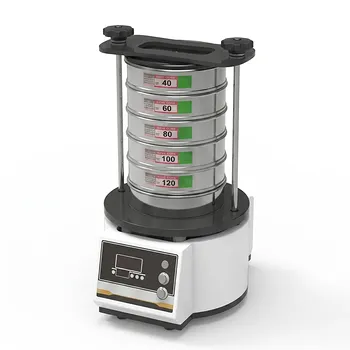
Dry Three Dimensional Vibratory Sieve Shaker
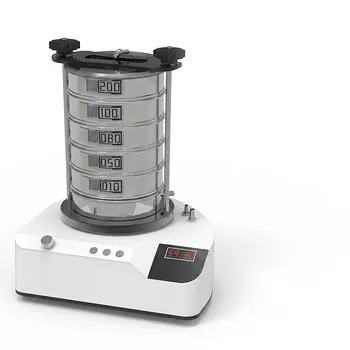
Heavy Duty Dry Three Dimensional Vibratory Sieve Shaker for Particle Separation
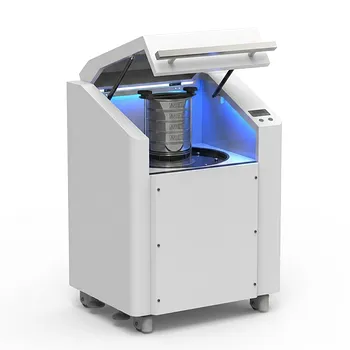
High Frequency Cabinet Type Three-Dimensional Rotary Vibrating Sieve Shaker for Dry Sieving and Particle Classification
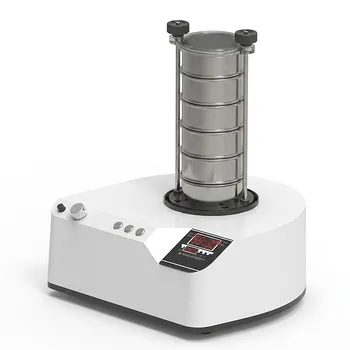
三维电磁微量振动筛分仪
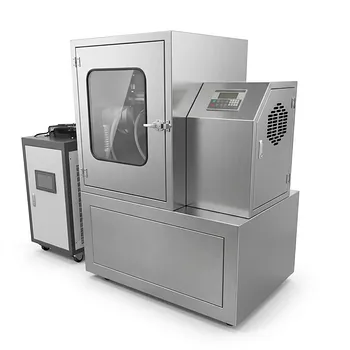
Vibratory Superfine Grinder for Ultra Fine Laboratory Powder Milling
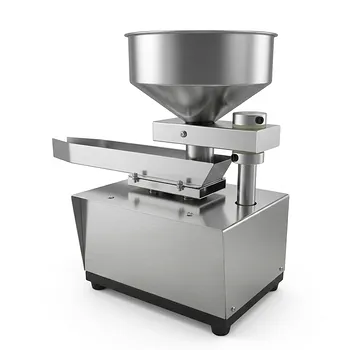
Automatic Vibrating Powder Feeder for Laboratory Material Processing Precision Vibratory Hopper Feeder for Granular and Powder Material Handling Industrial Grade Vibrating Tray Feeder for Consistent Material Sample Preparation
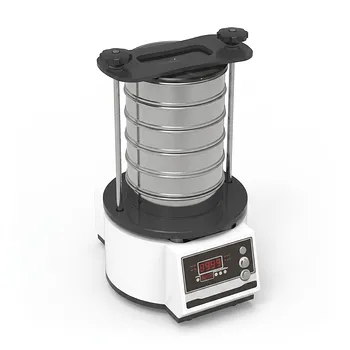
Tapping Oscillating Sieve Shaker for Dry and Wet Particle Size Analysis
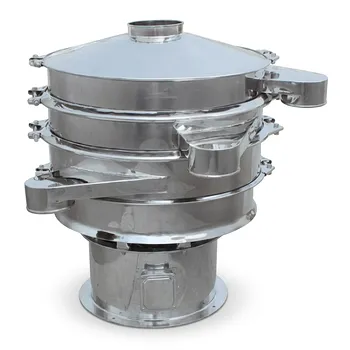
Stainless Steel Rotary Vibrating Sieve High Precision Circular Vibratory Separator Industrial Powder Grading Machine Multi Layer Sifting Equipment
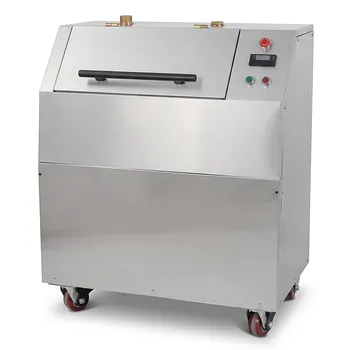
Vibratory Disc Mill for Rapid Fine Grinding and High Throughput Sample Preparation of Hard and Brittle Materials
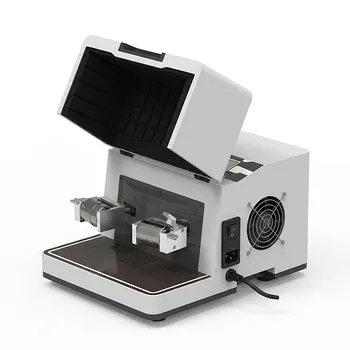
High Energy Hybrid Vibratory Ball Mill for Grinding Mixing and Cell Disruption
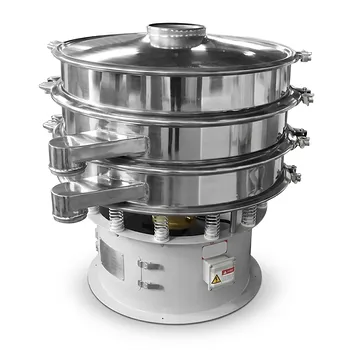
Three Dimensional Rotary Vibrating Sieve
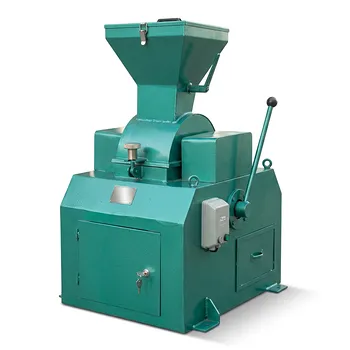
Laboratory Sealed Hammer Blade Crusher Divider for High Hardness Sample Preparation