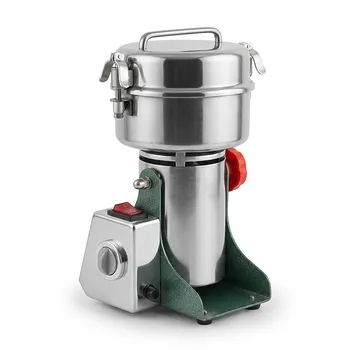
Why is a laboratory vibratory sieve shaker required for KSLT and TCLP? Ensure Accurate Leaching & Compliance
Updated 5 months ago
The laboratory vibratory sieve shaker is an essential preparatory tool because it standardizes sample particle size, which is the primary driver of leaching kinetics. It ensures that mine filling materials meet strict regulatory thresholds—such as under 5.5mm for KSLT or 9.5mm for TCLP—to eliminate experimental bias caused by physical morphology.
A vibratory sieve shaker is required to normalize the specific surface area of mine filling samples, ensuring that leaching results reflect the material's chemical stability rather than its physical dimensions. By achieving uniform particle distribution, researchers eliminate kinetic deviations and fulfill mandatory regulatory protocols for environmental safety assessments.
Standardizing the Solid-Liquid Interface
Controlling Specific Surface Area
Heavy metal leaching efficiency is significantly influenced by the specific surface area of the sample. Smaller particles provide more contact points for the leaching solvent, which can artificially accelerate the release of contaminants if not strictly controlled.
Eliminating Kinetic Interference
Uneven particle sizes create "kinetic noise" that can obscure the true chemical behavior of the material. By using a vibratory shaker, you ensure a uniform solid-liquid reaction interface, which prevents larger chunks from skewing the results through slower dissolution rates.
Ensuring Representative Sampling
In mining residues, metals are often distributed unevenly across different grain sizes. A vibratory sieve shaker allows researchers to identify distribution patterns and select representative fractions, ensuring the final test reflects the actual environmental risk of the bulk material.
Adhering to Regulatory Protocols
Meeting KSLT and TCLP Thresholds
Standardized tests have non-negotiable size requirements to ensure data comparability across different labs. The Korean Standard Leaching Test (KSLT) requires particles to be under 5.5mm, while the U.S. TCLP requires sizes under 9.5mm.
Automating Repeatability
Manual screening is prone to human error and inconsistency, especially with large volumes of soil or mine tailings. Vibratory shakers use high-frequency three-dimensional vibration to ensure particles jump and pass through apertures efficiently, providing a repeatable gradation analysis that manual methods cannot match.
Reducing Material Deposition
In specialized leaching systems, such as bioleaching or ammonia leaching, precise size control prevents the deposition of large particles. This consistency keeps the material in suspension or proper contact with the reagents, improving the stability of metal recovery rates.
Understanding the Trade-offs
The Risk of Over-Processing
Aggressive crushing and sieving to meet small size requirements can increase the surface area beyond what would naturally occur in a mine site. This may lead to conservative overestimations of leaching potential, where the test suggests a higher environmental risk than exists in situ.
Loss of Fine Fractions
During high-frequency sieving, extremely fine "dust" (often < 44 microns) can become airborne or trapped in the mesh. If these fines contain the highest concentration of heavy metals, their loss can lead to under-reporting the total leachable toxic content.
Mesh Blinding and Maintenance
Materials with high moisture content or clay-like properties can "blind" or clog the sieve meshes. This requires frequent cleaning and careful monitoring to ensure the particle size distribution remains accurate and the equipment is not damaged by abrasive mine tailings.
Implementing Effective Sieving for Leaching Tests
How to Apply This to Your Project
To ensure your leaching tests are both compliant and scientifically sound, follow these recommendations based on your specific objectives:
- If your primary focus is Regulatory Compliance: Use a vibratory shaker to strictly isolate the <5.5mm or <9.5mm fractions as dictated by the KSLT or TCLP protocols to ensure your data is legally defensible.
- If your primary focus is Kinetic Accuracy: Utilize a high-precision shaker with a 150-mesh sieve to achieve a highly consistent particle size distribution, which eliminates deviations in your solid-liquid reaction rates.
- If your primary focus is Resource Recovery: Analyze the metal distribution across multiple grain size fractions to identify which specific sizes contain the highest concentration of target minerals like silver or copper.
Standardizing your sample preparation through vibratory sieving transforms a variable physical material into a consistent chemical subject, ensuring your environmental stability evaluations are both accurate and reproducible.
Summary Table:
| Factor | KSLT Requirement | TCLP Requirement | Benefit of Sieve Shaker |
|---|---|---|---|
| Particle Size | < 5.5 mm | < 9.5 mm | Guarantees regulatory compliance |
| Surface Area | Standardized | Standardized | Eliminates kinetic experimental bias |
| Mechanism | 3D Vibration | 3D Vibration | Ensures repeatable, automated gradation |
| Sample Integrity | Uniform Interface | Uniform Interface | Provides representative metal distribution |
| Focus | Chemical Stability | Toxicity Characterization | Reduces manual error & kinetic noise |
Optimize Your Material Analysis with Professional Preparation Solutions
Precise sample preparation is the foundation of reliable leaching tests. At [Your Brand Name], we provide complete laboratory sample preparation solutions for material science, specializing in high-performance powder processing and compaction equipment.
Whether you need to meet strict KSLT/TCLP size requirements or analyze complex mining tailings, our extensive product line supports your entire workflow:
- Sizing & Separation: High-precision vibratory and air-jet sieve shakers with various test sieves.
- Size Reduction: Heavy-duty crushers (jaw/roll), liquid nitrogen cryogenic grinders, and advanced mills (planetary ball, jet, sand/bead, disc, rotor).
- Mixing & Compaction: Powder and defoaming mixers, plus a full spectrum of hydraulic presses, including Cold/Warm Isostatic Presses (CIP/WIP), hot presses, and XRF pellet presses.
Ensure your results are legally defensible and scientifically sound.
Contact our technical team today to find the right equipment for your lab!
References
- Junbeum Lee, Eunhyea Chung. Assessment of Long-Term Leaching Characteristics of Mine Backfill Materials. DOI: 10.7844/kirr.2025.34.5.60
Mentioned Products
- Stainless Steel Laboratory Vibratory Test Sieve Shaker
- Laboratory Dry and Wet Three Dimensional Vibratory Sieve Shaker for Particle Analysis
- Small Laboratory Vibratory Sieve Shaker for Powder Gradation and Particle Size Analysis
- Vibratory Sieve Shaker Electromagnetic 3D Motion Powder Particle Size Analyzer for Dry and Wet Sieving
- Laboratory Vibratory Test Sieve Shaker for Precision Particle Size Analysis and Powder Grading
People Also Ask
- What function does a laboratory vibratory sieve shaker serve in the production process of metakaolin? Optimize Reactivity
- Why is a precision laboratory vibratory sieve shaker necessary for particle size control? Optimize Biomass Carbonization
- What is the function of a laboratory vibratory sieve shaker? Enhance Coal Particle Size Distribution (PSD) Analysis
- What role do laboratory vibratory sieve shakers and test sieves play before the molding of Nb-Cu composite powders?
- What is the primary function of a laboratory vibratory sieve shaker in the evaluation of sand liquefaction potential?

Tech Team · PowderPreparation
Last updated on May 14, 2026
Related Products

Stainless Steel Laboratory Vibratory Test Sieve Shaker

Laboratory Dry and Wet Three Dimensional Vibratory Sieve Shaker for Particle Analysis

Small Laboratory Vibratory Sieve Shaker for Powder Gradation and Particle Size Analysis

Vibratory Sieve Shaker Electromagnetic 3D Motion Powder Particle Size Analyzer for Dry and Wet Sieving

Laboratory Vibratory Test Sieve Shaker for Precision Particle Size Analysis and Powder Grading

Small Laboratory Vibrating Sieve Shaker for Precise Particle Size Analysis

High Frequency Wet Three-Dimensional Vibrating Sieve Shaker for Dry and Wet Particle Size Analysis

Heavy Duty Dry Three Dimensional Vibratory Sieve Shaker for Particle Separation

Dry Three Dimensional Vibratory Sieve Shaker

High Frequency Cabinet Type Three-Dimensional Rotary Vibrating Sieve Shaker for Dry Sieving and Particle Classification

三维电磁微量振动筛分仪

Tapping Oscillating Sieve Shaker for Dry and Wet Particle Size Analysis
Vibratory Superfine Grinder for Ultra Fine Laboratory Powder Milling

Automatic Vibrating Powder Feeder for Laboratory Material Processing Precision Vibratory Hopper Feeder for Granular and Powder Material Handling Industrial Grade Vibrating Tray Feeder for Consistent Material Sample Preparation

Stainless Steel Rotary Vibrating Sieve High Precision Circular Vibratory Separator Industrial Powder Grading Machine Multi Layer Sifting Equipment

Three Dimensional Rotary Vibrating Sieve
High Energy Hybrid Vibratory Ball Mill for Grinding Mixing and Cell Disruption
Vibratory Disc Mill for Rapid Fine Grinding and High Throughput Sample Preparation of Hard and Brittle Materials
Industrial High Speed Small Sample Pulverizer Swing Type Laboratory Grinder for Powder Processing