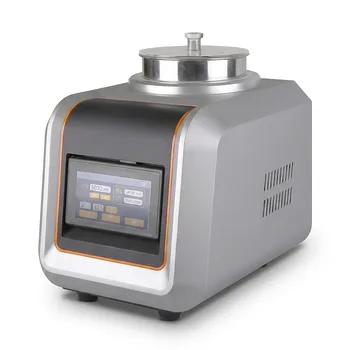
What is the primary function of a vibratory sieve shaker? Master Precise Soil Grading & Classification
Updated 3 months ago
The primary function of a vibratory sieve shaker in soil grading analysis is the mechanical separation of dry soil particles into specific size fractions. By utilizing standardized vibration to pass material through a nested stack of sieves with decreasing apertures—typically ranging from 25.40mm down to 75 micrometers—the equipment determines the mass proportion of each particle size. This data is the essential foundation for creating particle size distribution curves used to classify soil into technical categories, such as clayey sand (SC), and to evaluate its engineering properties.
A vibratory sieve shaker provides the standardized mechanical energy required to accurately and repeatably fractionate soil samples by size. This process is critical for determining soil stability, engineering suitability, and aggregate health in both construction and agricultural contexts.
The Mechanics of Particle Fractionation
Standardized Mechanical Separation
The equipment uses mechanical vibration to drive soil particles through a series of nested test sieves. This ensures that each particle eventually encounters an aperture smaller than its own diameter, allowing it to migrate to the appropriate level in the stack.
Controlled Shear and Friction
High-frequency oscillations create mechanical shear and friction, which help separate unstable soil clods along their natural fissures. This ensures that the results reflect the true primary particle size distribution rather than temporary clusters of material.
Repeatability vs. Manual Methods
Unlike manual sieving, a vibratory shaker provides consistent frequency and amplitude, ensuring high experimental repeatability. This standardization is vital for professional laboratories where data must be comparable across different samples and timeframes.
Strategic Applications in Engineering and Science
Soil Classification and Roadbed Stability
In civil engineering, sieve analysis is fundamental for AASHTO soil classification and determining the suitability of soil for roadbed applications. Accurate grading ensures that the soil can support the intended structural loads and manage moisture effectively.
Optimizing Concrete Aggregates
For concrete production, shakers are used to evaluate aggregate continuity and optimize particle arrangement. By minimizing porosity through precise grading, engineers can significantly reduce the volume of cement paste required, lowering costs and improving structural integrity.
Quantifying Soil Health and Structure
In agricultural science, the shaker is used to calculate the Mean Weight Diameter (MWD) of soil aggregates. This index allows researchers to evaluate how different tillage intensities physically damage or improve the mechanical stability of the soil structure.
Understanding the Trade-offs
Risk of Particle Degradation
While the shaker is efficient, excessive vibration duration or intensity can cause mechanical degradation of fragile soil aggregates. If the force is too high, it may break particles that would naturally remain intact, leading to an inaccurate representation of the soil's stability.
Sieve Blinding and Overloading
If a sieve is overloaded with too much material, it can lead to blinding, where particles get stuck in the mesh and block smaller particles from passing through. This requires careful calibration of the sample size relative to the sieve surface area to maintain accuracy.
Limitations with Fine Fractions
Vibratory sieving is highly effective for coarse-grained soils, but its accuracy decreases as particles approach the 75-micrometer limit. For extremely fine clays and silts, mechanical shaking may need to be supplemented with hydrometer analysis to capture the full distribution.
How to Apply This to Your Project
Recommendations for Implementation
- If your primary focus is roadbed construction: Use the shaker to ensure the soil meets AASHTO grading standards to prevent future subsidence or drainage failure.
- If your primary focus is concrete mix design: Focus on optimizing the grading curve to minimize voids between aggregates, thereby reducing cement consumption and ITZ (Interfacial Transition Zone) weaknesses.
- If your primary focus is soil science research: Utilize standardized vibration frequencies to calculate the Mean Weight Diameter (MWD) for a consistent assessment of soil structural stability.
The vibratory sieve shaker remains the industry standard for transforming raw soil samples into actionable data for engineering and environmental analysis.
Summary Table:
| Key Aspect | Function & Benefit | Practical Application |
|---|---|---|
| Core Function | Mechanical separation into size fractions | Soil classification (e.g., SC, AASHTO) |
| Mechanism | Standardized high-frequency vibration | Ensuring data repeatability and consistency |
| Engineering Goal | Optimizing particle size distribution | Enhancing roadbed stability & concrete density |
| Research Metric | Calculating Mean Weight Diameter (MWD) | Assessing soil health and tillage impact |
| Sieve Range | Typically 25.40mm down to 75μm | Accurate grading for coarse to fine aggregates |
Elevate Your Material Analysis with Precision Equipment
At [Brand Name], we provide comprehensive laboratory sample preparation solutions tailored for material science and engineering. Whether you are performing critical soil grading or advanced powder processing, our equipment is designed for accuracy and durability. Our extensive product line includes:
- Sieving Excellence: Professional vibratory and air-jet sieve shakers with a full range of high-precision test sieves.
- Milling & Grinding: Planetary ball mills, jet mills, and cryogenic grinders for ultra-fine particle reduction.
- Compaction Solutions: A full spectrum of hydraulic presses, including Cold/Warm Isostatic Presses (CIP/WIP), vacuum hot presses, and XRF pellet presses.
- Processing Tools: Industrial-grade crushers, powder mixers, and high-efficiency defoaming mixers.
Ready to optimize your laboratory workflow and achieve superior testing results? Contact our technical experts today to find the perfect solution for your specific application!
References
- Chidobere Nwa-David, F. C. Onyeka. Variability Analysis of the Behaviors of a Lateritic Soil Profile as a Structural Material. DOI: 10.30684/etj.2023.137779.1359
Mentioned Products
- Vibratory Sieve Shaker Electromagnetic 3D Motion Powder Particle Size Analyzer for Dry and Wet Sieving
- Laboratory Dry and Wet Three Dimensional Vibratory Sieve Shaker for Particle Analysis
- Stainless Steel Laboratory Vibratory Test Sieve Shaker
- Heavy Duty Dry Three Dimensional Vibratory Sieve Shaker for Particle Separation
- Dry Three Dimensional Vibratory Sieve Shaker
People Also Ask
- How does a vibratory sieve shaker contribute to optimizing the performance of activated carbon? Enhance Adsorption Precision
- Why is a laboratory vibratory sieve shaker necessary for processing magnesium-based borate precursor powders? Boost Activity
- Why use a vibratory sieve shaker to verify coarse aggregate grading in rubberized concrete? Ensure Structural Integrity
- What function do vibratory sieve shakers and standard test sieves serve in the preparation of adsorbents? Key Guide
- What role does a vibratory sieve shaker play in the particle size analysis of ground corn products? Enhance QC Precision

Tech Team · PowderPreparation
Last updated on Jun 03, 2026
Related Products
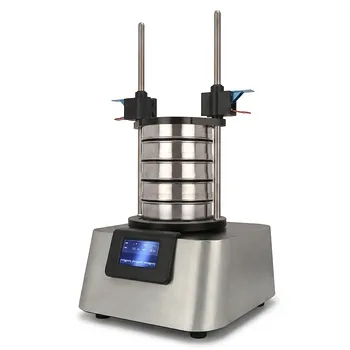
Vibratory Sieve Shaker Electromagnetic 3D Motion Powder Particle Size Analyzer for Dry and Wet Sieving
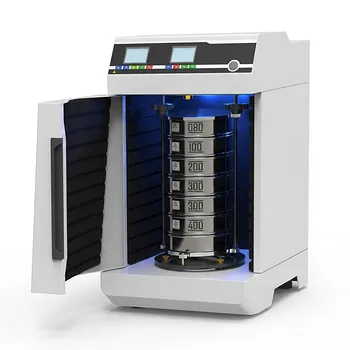
Laboratory Dry and Wet Three Dimensional Vibratory Sieve Shaker for Particle Analysis
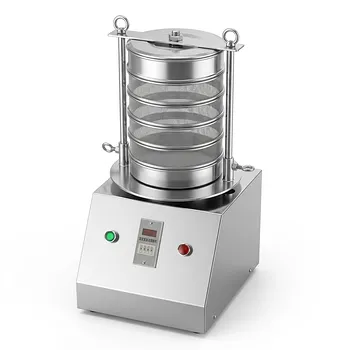
Stainless Steel Laboratory Vibratory Test Sieve Shaker
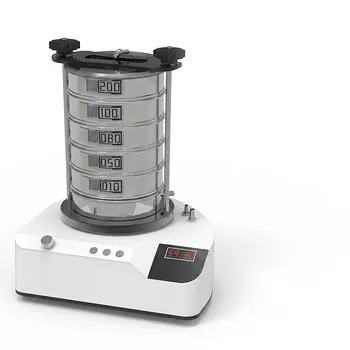
Heavy Duty Dry Three Dimensional Vibratory Sieve Shaker for Particle Separation
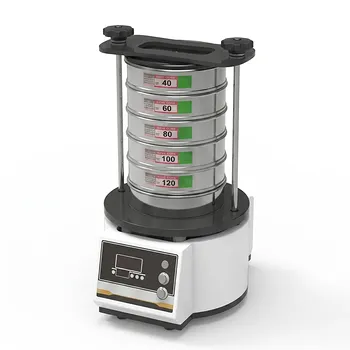
Dry Three Dimensional Vibratory Sieve Shaker
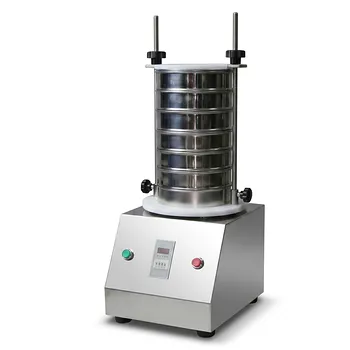
Small Laboratory Vibratory Sieve Shaker for Powder Gradation and Particle Size Analysis
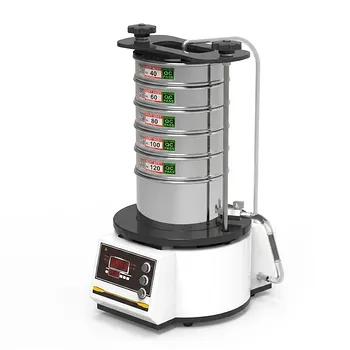
High Frequency Wet Three-Dimensional Vibrating Sieve Shaker for Dry and Wet Particle Size Analysis
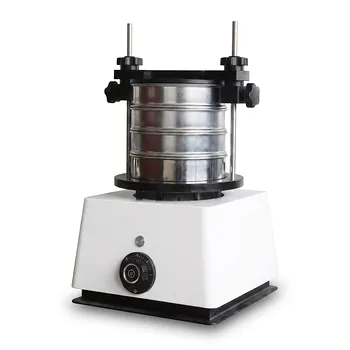
Small Laboratory Vibrating Sieve Shaker for Precise Particle Size Analysis
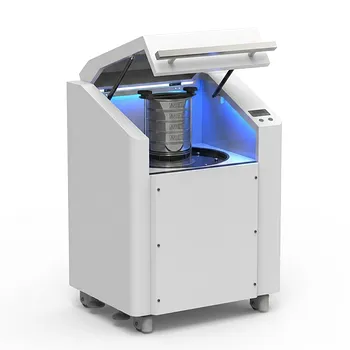
High Frequency Cabinet Type Three-Dimensional Rotary Vibrating Sieve Shaker for Dry Sieving and Particle Classification
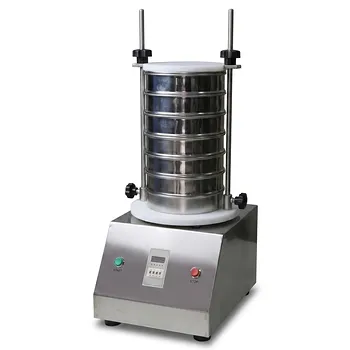
Laboratory Vibratory Test Sieve Shaker for Precision Particle Size Analysis and Powder Grading
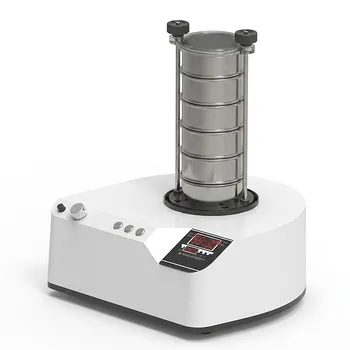
三维电磁微量振动筛分仪
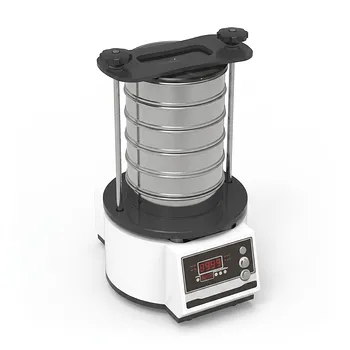
Tapping Oscillating Sieve Shaker for Dry and Wet Particle Size Analysis
Stainless Steel Rotary Vibrating Sieve High Precision Circular Vibratory Separator Industrial Powder Grading Machine Multi Layer Sifting Equipment
Three Dimensional Rotary Vibrating Sieve
Small Vibrating Ultrafine Grinder for Traditional Chinese Medicine
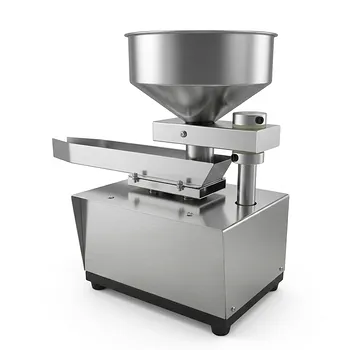
Automatic Vibrating Powder Feeder for Laboratory Material Processing Precision Vibratory Hopper Feeder for Granular and Powder Material Handling Industrial Grade Vibrating Tray Feeder for Consistent Material Sample Preparation
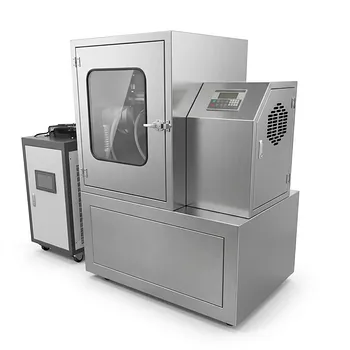
Vibratory Superfine Grinder for Ultra Fine Laboratory Powder Milling
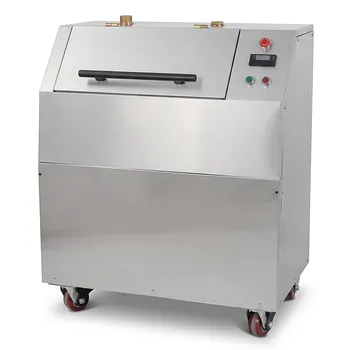
Vibratory Disc Mill for Rapid Fine Grinding and High Throughput Sample Preparation of Hard and Brittle Materials