Why is a laboratory standard ball mill used to determine the Bond Grinding Work Index (BWI) of ironstone? Key Benefits
Updated 5 months ago
A laboratory standard ball mill is the definitive tool for calculating the Bond Grinding Work Index (BWI) because it creates a repeatable, closed-circuit environment that simulates industrial grinding. This standardized equipment allows engineers to measure the specific energy required to reduce ironstone from a known feed size to a target product size. By quantifying the material's resistance to crushing and attrition, the mill provides the essential data needed to size industrial equipment and predict operational costs.
The Bond Work Index (BWI) serves as a physical standard for ore grindability, representing the energy (in kWh/t) required to pulverize a material. Using a standard laboratory mill ensures that results are consistent across the industry, allowing for the accurate scaling of power requirements from the lab to the plant.
Simulating Industrial Conditions at Scale
The Role of Standardized Dimensions and Media
The laboratory ball mill, typically measuring 300 mm x 300 mm, uses a specific distribution of steel ball media to ensure consistency. This fixed configuration provides a controlled grinding environment with a constant rotational speed, mimicking the mechanical forces found in large-scale industrial mills.
Achieving Equilibrium Through Cycle Grinding
To determine the BWI, the mill operates through multiple grinding cycles designed to simulate a closed-circuit industrial process. This continues until a constant circulating load is established, representing the equilibrium state of an industrial circuit.
Refining Feed for Accurate Analysis
Before the primary test, a laboratory mill is used to refine ironstone samples to a specific particle size distribution. This ensures the feed is representative and consistent, which is critical for the accuracy of subsequent sieving and energy calculations.
Quantifying Energy and Grindability
Measuring Resistance to Attrition and Impact
The mill applies controlled mechanical impact and attrition forces to the ironstone samples. By measuring how the material responds to these forces, the test identifies the ironstone's inherent resistance to grinding.
Calculating the Power Consumption Reference
By comparing the particle size change against the energy expended, the laboratory mill yields a precise energy calculation. This data provides the technical parameters needed to calculate the motor power and specifications for industrial-scale mills.
Predicting Industrial Output Ratios
The BWI derived from the laboratory mill allows engineers to determine the grinding rate and output ratio. This is vital for ensuring that the chosen industrial mill can handle the required tonnage without failing to meet fineness targets.
Understanding the Trade-offs
Dry Grinding vs. Wet Grinding Realities
Most standard BWI tests are conducted under dry grinding conditions, which may not perfectly reflect wet grinding industrial circuits. While the BWI is a reliable benchmark, engineers must apply correction factors when the final industrial application involves slurry-based processing.
Sensitivity to Feed Preparation
The accuracy of the BWI is highly dependent on the precision of the feed preparation. If the initial ironstone sample is not crushed to the correct laboratory specifications, the resulting index may overstate or understate the actual energy requirements of the ore.
Laboratory Ideal vs. Operational Variability
While the laboratory mill provides a "standard" value, it cannot account for ore body variability within a mine. Relying on a single BWI test for an entire deposit can lead to equipment under-sizing if the hardness of the ironstone varies across different geological zones.
Applying BWI Data to Your Project
Making the Right Choice for Your Goal
To move from laboratory testing to successful industrial implementation, consider the following objectives:
- If your primary focus is Equipment Sizing: Use the BWI to calculate the exact motor power required to prevent energy waste from over-sizing or production bottlenecks from under-sizing.
- If your primary focus is Operational Cost Forecasting: Use the energy-per-tonne data to predict long-term electricity consumption and media wear-and-tear costs for the ironstone circuit.
- If your primary focus is Quality Control: Correlate the BWI with the chemical composition of the ironstone to predict how changes in the ore body will impact downstream throughput.
By utilizing a standard laboratory ball mill, you transform the physical properties of ironstone into actionable engineering data, ensuring your industrial grinding circuit is both efficient and scalable.
Summary Table:
| Feature | Specification/Process | Engineering Significance |
|---|---|---|
| Standard Dimensions | 300 mm x 300 mm | Ensures repeatable, industry-standard results |
| Grinding Media | Specific steel ball distribution | Mimics industrial mechanical impact and attrition |
| Circuit Type | Closed-circuit cycle grinding | Simulates industrial equilibrium and circulating loads |
| Primary Output | Bond Work Index (kWh/t) | Determines motor power and operational cost forecasting |
| Application | Particle size distribution analysis | Predicts grinding rate, output ratios, and fineness targets |
Master Your Material Preparation with Professional Lab Solutions
Precise BWI testing is the foundation of efficient mineral processing and industrial scaling. At our company, we provide complete laboratory sample preparation solutions for material science, specializing in high-performance powder processing and compaction equipment designed for accuracy and durability.
From initial reduction to fine analysis, our extensive product line supports every stage of your workflow:
- Crushing & Milling: High-efficiency jaw/roll crushers, liquid nitrogen cryogenic grinders, and a variety of mills (planetary ball, jet, sand/bead, disc, and rotor).
- Sizing & Mixing: Vibratory and air-jet sieve shakers with precision test sieves, plus advanced powder and defoaming mixers.
- Compaction Excellence: A full spectrum of hydraulic presses, including Cold/Warm Isostatic Presses (CIP/WIP), standard lab presses, XRF pellet presses, and vacuum hot presses.
Whether you are sizing industrial equipment or conducting specialized geological research, our tools provide the repeatability required for excellence.
Ready to enhance your lab's efficiency? Contact us today to find the perfect solution for your project!
References
- Adedayo Adeuti, E. O. Ajaka. Concentration of Bauxite and Iron Minerals from Onigboro Ironstone, Ogun State, Nigeria. DOI: 10.11648/j.ijmpem.20251003.11
Mentioned Products
- 8L Planetary Ball Mill for Laboratory Grinding and Sample Preparation
- Vertical Semi Circular Planetary Ball Mill for Laboratory Precision Grinding
- Vertical Square Planetary Ball Mill for Laboratory Sample Preparation and Nanoscale Grinding
- 360° Rotating Omnidirectional Laboratory Planetary Ball Mill for Homogeneous Ultra-Fine Grinding and Mixing
- High Energy Laboratory Planetary Ball Mill for Nano Grinding and Material Science Sample Preparation
People Also Ask
- How does mechanized planetary ball milling compare to manual agate grinding? Optimize sulfide standard material precision.
- What role does a planetary ball mill play in the synthesis of Er-doped PMN-PT ceramics? Enhancing Homogeneity & Purity
- What is the role of a planetary ball mill in the synthesis of biomass-based CaO catalysts? Maximize Surface Activity
- What is the core role of a planetary ball mill in the preparation of modified cellulose fillers? Key Insights
- How does a planetary ball mill contribute to processing waste eggshells into biological fillers? Precision Refinement

Tech Team · PowderPreparation
Last updated on May 14, 2026
Related Products
8L Planetary Ball Mill for Laboratory Grinding and Sample Preparation
Vertical Semi Circular Planetary Ball Mill for Laboratory Precision Grinding

Vertical Square Planetary Ball Mill for Laboratory Sample Preparation and Nanoscale Grinding
360° Rotating Omnidirectional Laboratory Planetary Ball Mill for Homogeneous Ultra-Fine Grinding and Mixing

High Energy Laboratory Planetary Ball Mill for Nano Grinding and Material Science Sample Preparation
Laboratory Nano High Energy Ball Mill Ultrafine Grinding Mechanical Alloying
Heavy Duty Horizontal Planetary Ball Mill for Efficient Industrial Grinding and Sample Preparation
Single Tank High Energy Vibratory Ball Mill for Laboratory Grinding and Mixing
High Energy Hybrid Vibratory Ball Mill for Grinding Mixing and Cell Disruption
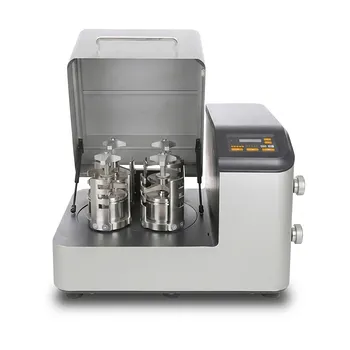
High Energy Planetary Ball Mill for Nano Scale Grinding and Colloidal Mixing in Material Science Research
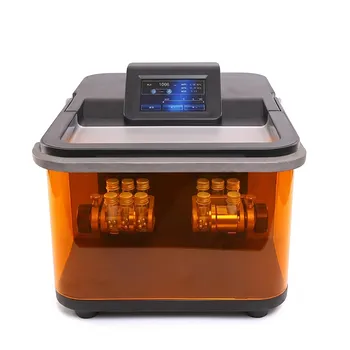
High Throughput Micro Ball Mill for Cryogenic Grinding and Laboratory Cell Disruption

Miniature Planetary Ball Mill with Vacuum Grinding and High Efficiency for Laboratory Sample Preparation
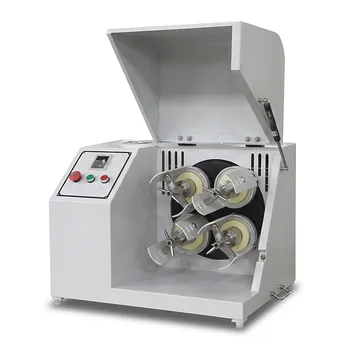
Horizontal Light Duty Planetary Ball Mill for Laboratory Sample Preparation
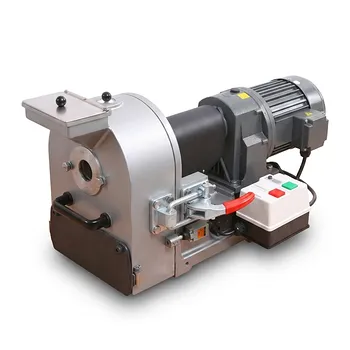
Laboratory Disc Mill for Fine Sample Preparation of Hard and Brittle Materials
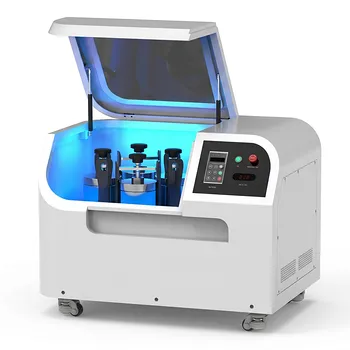
Planetary Ball Mill 12L
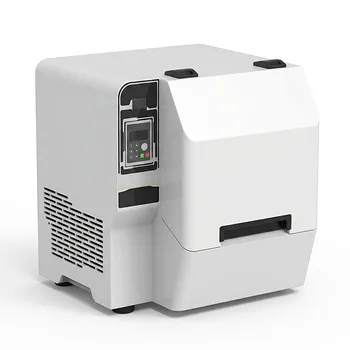
Nano High Energy Vibratory Ball Mill for Laboratory Sample Preparation
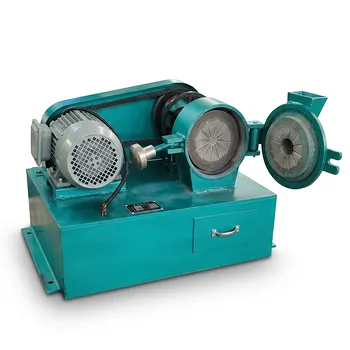
Laboratory Disc Mill Medium Hard Material Grinding Coal Coke Ore Pulverizer
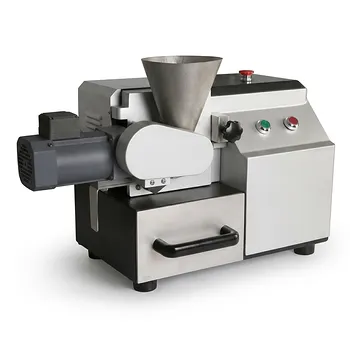
Laboratory Hammer Mill for Coal Quality Analysis and Brittle Mineral Grinding
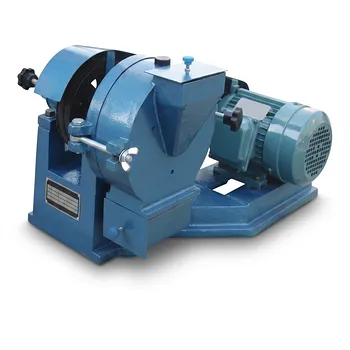
Laboratory Disc Mill for Ore and Mineral Sample Preparation