Why is a laboratory hydraulic press utilized in research concerning the impact of compression force on drug release?
Updated 3 months ago
Precision in compression force is the cornerstone of drug release predictability. A laboratory hydraulic press is utilized because it offers wide-ranging, static pressure control that standard production presses cannot match. This allows researchers to manipulate tablet porosity and density with extreme accuracy, establishing a direct link between the physical structure of the tablet and its dissolution rate.
A laboratory hydraulic press serves as a precision instrument to isolate compression force as a single variable. By precisely controlling internal microstructure and density, researchers can accurately predict how a drug will behave in the human body and ensure stability during industrial-scale manufacturing.
Mastering the Mechanics of Drug Release
Precision Control of Porosity and Density
The primary reason for using a hydraulic press is its ability to provide precise, wide-ranging control over static pressure. By accurately adjusting this pressure, researchers can produce tablets with specific porosities and densities.
This control is vital for studying how the "skeleton" of the tablet—often made of starch or other excipients—regulates the rate at which the drug is released. Even minor variations in pressure can significantly alter the diffusion pathways within the tablet.
Eliminating Interference Through Uniformity
A hydraulic press, used with high-precision molds, ensures that tablets have uniform geometry and smooth surfaces. This process eliminates the interference caused by air voids naturally found in loose powder stacks.
By providing a standardized flat surface, the press enables accurate contact angle measurements. These measurements help researchers evaluate how well specific additives improve the drug's hydrophilicity and surface energy.
Simulating Industrial Realities on a Lab Scale
Replicating High-Pressure Environments
Laboratory presses are essential for simulating the high-pressure environments found in industrial manufacturing. They apply controlled force to drug-excipient mixtures to facilitate particle rearrangement and bonding.
This simulation allows researchers to observe how high pressure might induce lattice distortions or solid-phase transformations. Understanding these changes is critical for optimizing cocrystal structures and improving overall tableting performance.
Conserving Expensive Active Ingredients
Industrial-scale presses require large amounts of material to operate correctly. In contrast, laboratory hydraulic presses enable small-batch compaction studies and excipient compatibility testing.
This capability is vital for conserving expensive Active Pharmaceutical Ingredients (APIs) during the early stages of development. Researchers can achieve high force with minimal stroke length, maximizing the data gathered from limited samples.
Understanding Molecular and Structural Impacts
Assessing Stability and Predicting Defects
Data from precision presses serves as the foundation for numerical simulations. These simulations predict potential defects such as delamination, sticking, or capping that might occur during storage or use.
By testing tablets at varying pressures, researchers can estimate moisture transport coefficients and permeability. This helps determine how environmental moisture will impact the physical stability of the drug over time.
Analyzing Molecular Dynamics
High-pressure hydraulic presses can generate hydrostatic pressures up to several hundred megapascals. This environment allows researchers to study the effects of compression on molecular dynamics.
By analyzing how pressure changes the packing density, scientists can predict variations in relaxation behavior. This insight is critical for ensuring the long-term storage stability of amorphous drug formulations.
Navigating the Trade-offs of Laboratory Compaction
While laboratory hydraulic presses provide superior control, they utilize static pressure, which differs from the dynamic, high-speed "dwell time" of a rotary industrial press. This means that while the laboratory press is excellent for isolating variables, the results must be carefully correlated to real-world production speeds.
Furthermore, laboratory presses focus on individual tablet integrity, which may not immediately reveal issues related to high-volume heat buildup or powder flowability seen in continuous manufacturing. Researchers must balance the high precision of the lab press with pilot-scale testing to ensure a seamless transition to the factory floor.
Applying Compaction Research to Your Project
Making the Right Choice for Your Goal
- If your primary focus is Formulation Optimization: Use the hydraulic press to create a pressure-response curve that correlates tablet hardness and porosity directly to bioavailability.
- If your primary focus is API Conservation: Utilize small-batch molds and precision pressure regulation to test multiple excipient ratios without wasting expensive raw materials.
- If your primary focus is Preventing Manufacturing Defects: Analyze the data from various compression levels to establish the "safe" operating range for pressure and dwell time before moving to industrial equipment.
Understanding the relationship between compression force and drug release transforms tablet manufacturing from a trial-and-error process into a precise science.
Summary Table:
| Key Factor | Research Benefit | Impact on Drug Performance |
|---|---|---|
| Porosity & Density | Precise static pressure control | Determines diffusion pathways and release rates |
| Surface Uniformity | Eliminates air voids & interference | Enables accurate hydrophilicity/contact angle tests |
| Industrial Simulation | Replicates high-pressure environments | Predicts defects like capping or lattice distortion |
| API Conservation | Small-batch compaction studies | Maximizes data from limited, expensive active ingredients |
Elevate Your Pharmaceutical Research with Precision Compaction
At [Brand Name], we provide complete laboratory sample preparation solutions tailored for material science and drug development. Our expertise in powder processing ensures your formulations transition seamlessly from the lab to industrial production.
Our Comprehensive Product Line Includes:
- Hydraulic Presses: A full spectrum featuring Cold/Warm Isostatic Presses (CIP/WIP), standard lab presses, XRF pellet presses, and vacuum hot presses.
- Milling & Grinding: Planetary ball mills, jet mills, rotor mills, and liquid nitrogen cryogenic grinders.
- Sample Prep: Jaw/roll crushers, vibratory/air-jet sieve shakers, and powder/defoaming mixers.
Whether you are optimizing tablet density or conserving expensive APIs, our precision equipment delivers the reliability your research demands. Contact us today to find the perfect solution for your lab!
References
- Jomjai Peerapattana, Voranuch Srijesdaruk. Modified Glutinous Starch as a Hydrophilic Matrix Substance(แปงขาวเหนยวดดแปรเพอใชเปนสารเมทรกซชนดชอบนำ). DOI: 10.56808/3027-7922.2246
Mentioned Products
- 6-Ton Small Single-Punch Tablet Press — Laboratory Powder & Granule Tableting Equipment / Tablet Forming Machine
- 5 Ton Single Punch Tablet Press Laboratory Small Batch Production
- Manual Tablet Press with Dual Scale Pressure Gauge for Pharmaceutical Food Chemical Laboratory Sample Preparation
- 6 Ton Variable Frequency Single Punch Tablet Press
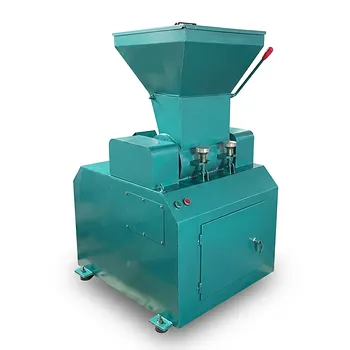
- High Speed Small Laboratory Crusher for Dry Material Sample Preparation
People Also Ask
- What is the function of a laboratory press in Cr-Ti alloy evaluation? Quantify Fracture Stress & Strength
- What is the function of a laboratory press in assessing the hydrophobic performance of modified vermiculite fillers?
- What is the core function of a laboratory press in the forming of ceramic filter element green bodies? Maximize Density.
- What is the function of a laboratory press in the preparation of ceramic feed rods? Master Density and Precision
- Why is vacuum sealing and flexible packaging necessary for Aluminum Titanate powders during CIP? Ensure Peak Density

Tech Team · PowderPreparation
Last updated on Jun 03, 2026
Related Products
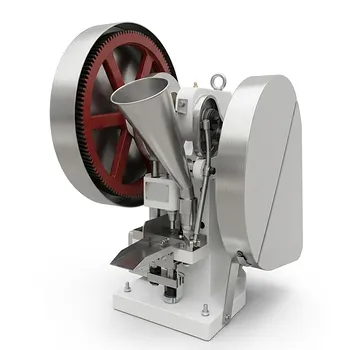
6-Ton Small Single-Punch Tablet Press — Laboratory Powder & Granule Tableting Equipment / Tablet Forming Machine
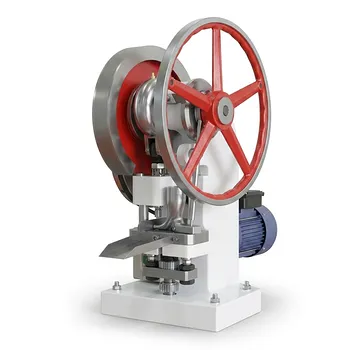
5 Ton Single Punch Tablet Press Laboratory Small Batch Production
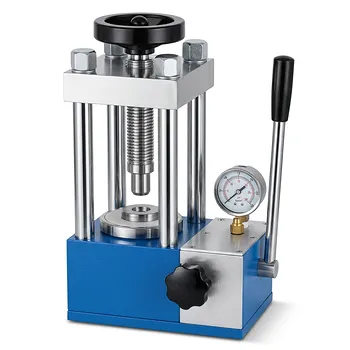
Manual Tablet Press with Dual Scale Pressure Gauge for Pharmaceutical Food Chemical Laboratory Sample Preparation
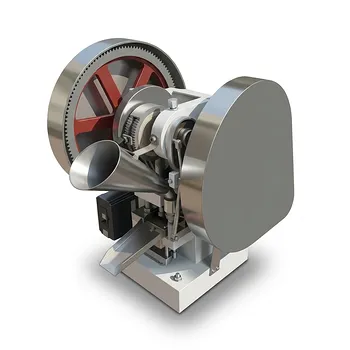
6 Ton Variable Frequency Single Punch Tablet Press
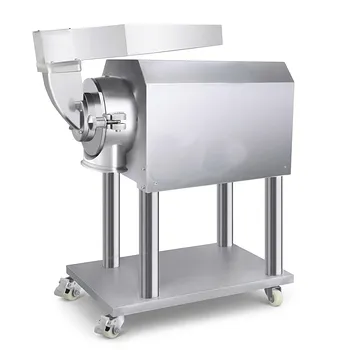
High Speed Small Laboratory Crusher for Dry Material Sample Preparation
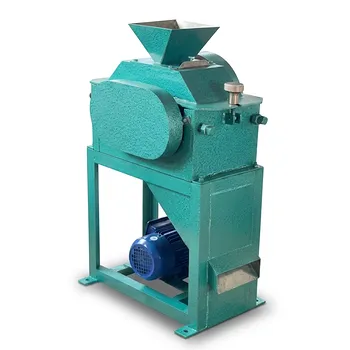
Laboratory Double Roll Crusher for Medium Hardness Materials Coal Ore Sample Preparation
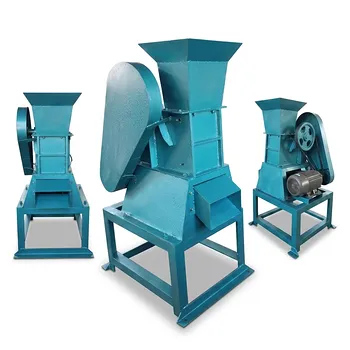
Custom Raised Height Laboratory Jaw Crusher for Precision Sample Preparation in Material Science
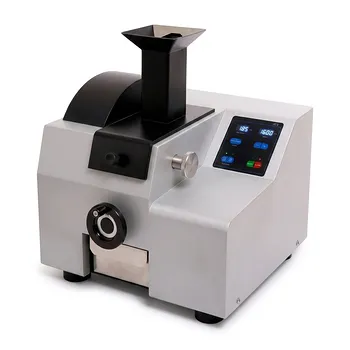
Laboratory Benchtop Jaw Crusher for Hard Brittle Materials Primary Size Reduction and Sample Preparation
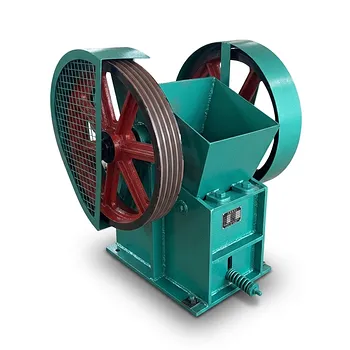
150x250mm Laboratory Jaw Crusher for Medium Hard Material Crushing and Sample Preparation
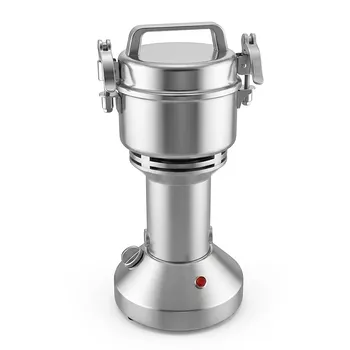
Small High Speed Upright Grinder for Laboratory Sample Preparation
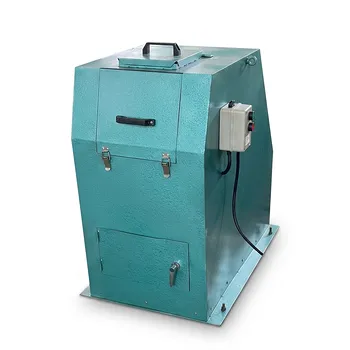
Environmentally Friendly Sealed Laboratory Jaw Crusher for Sample Preparation
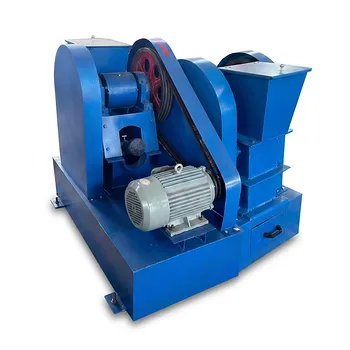
Horizontal Jaw Crusher Medium Hard Material Crushing Laboratory Sample Preparation Equipment
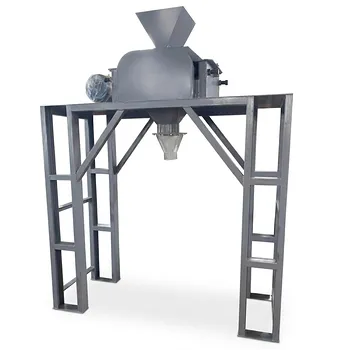
Heightened Customized Laboratory Double Roll Crusher for Coal Ore Rock Crushing
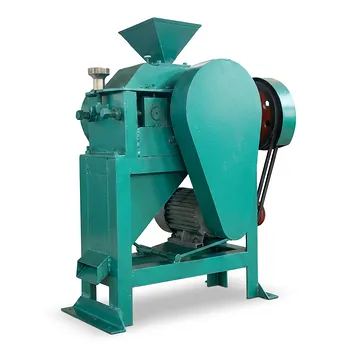
Laboratory Sealed Double Roll Crusher for Coal Ore Rock and Medium Hardness Materials Sample Preparation
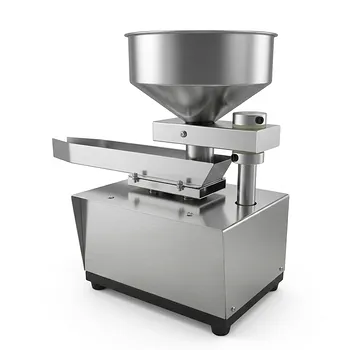
Automatic Vibrating Powder Feeder for Laboratory Material Processing Precision Vibratory Hopper Feeder for Granular and Powder Material Handling Industrial Grade Vibrating Tray Feeder for Consistent Material Sample Preparation
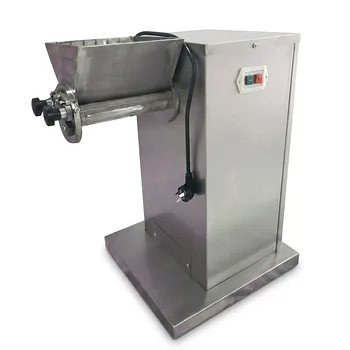
Small Laboratory Oscillating Granulator for Wet and Dry Granulation Processing
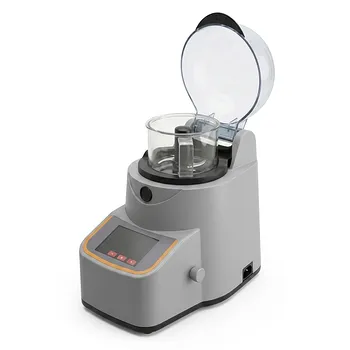
Industrial Knife Mill for Food and Biological Sample Preparation High Speed Laboratory Homogenizer
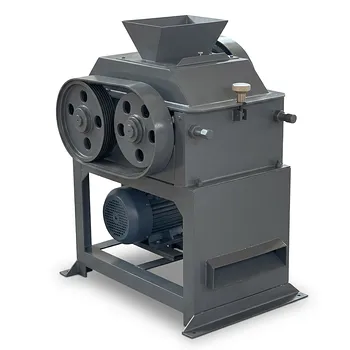
Sealed Laboratory Double Roll Crusher for Coal, Mineral, Ore Sample Preparation
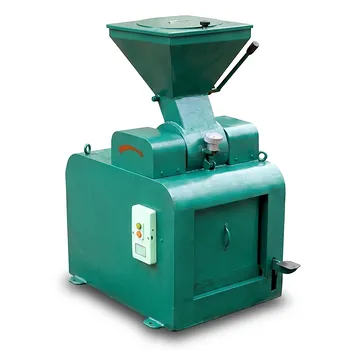
Laboratory Sealed Hammer Crushers for Coal Sample Preparation and Medium Strength Material Crushing