Why is a laboratory hydraulic press used to prepare hard carbon samples for Raman spectroscopy testing? Enhance Accuracy
Updated 4 months ago
Preparing hard carbon samples with a laboratory hydraulic press is essential for creating a flat, high-density surface that ensures signal accuracy. By applying precise pressure (typically around 0.5 MPa), the press transforms loose powder into a dense, circular pellet with consistent thickness. This physical preparation is critical for maximizing signal-to-noise ratios and obtaining reliable data regarding the material’s structural integrity.
The hydraulic press serves as a foundational tool in spectroscopy by eliminating the physical variables of loose powder, ensuring that the resulting Raman spectra reflect the material's chemical properties rather than its surface irregularities.
Optimizing Signal Quality through Density
Achieving Surface Flatness
Raman spectroscopy relies on a laser interacting with a sample surface to measure molecular vibrations. If the surface is irregular or porous, the laser light scatters unpredictably, leading to weak signals and high background noise. A hydraulic press forces particles into a uniform plane, providing a consistent focal point for the spectrometer’s laser.
Maximizing Signal-to-Noise Ratio
Loose powders contain significant air gaps that dissipate light and reduce the volume of material interacting with the laser. Compressing the carbon into a dense pellet increases the number of carbon atoms within the laser's probe volume. This density significantly improves the signal intensity, allowing for clearer peaks against the background noise.
Reducing Light Scattering
Internal pores and voids in uncompressed samples act as scattering centers for the Raman signal. The high static pressure of a hydraulic press minimizes these internal defects, creating a more homogeneous optical surface. This reduction in scattering is vital for capturing the faint signals required for detailed structural analysis.
Accurate Quantification of Carbon Defects
Measuring the D-band and G-band
The primary goal of testing hard carbon is often to determine the ratio between the D-band (disorder) and the G-band (graphitic). This ratio quantifies the level of defects and the degree of graphitization in the sample. Precise sample preparation ensures that the intensities of these bands are not distorted by physical inconsistencies in the powder.
Eliminating Density Gradients
Variations in density across a sample can lead to inconsistent spectral readings from one spot to another. A laboratory press provides uniform pressure distribution, ensuring that the particle arrangement is consistent throughout the pellet. This uniformity allows researchers to obtain repeatable data that truly represents the bulk material.
Improving Transmittance and Repeatability
For samples mixed with binders like Potassium Bromide (KBr), the press creates a transparent or semi-transparent matrix. This allows the light to penetrate and exit the sample predictably. Without this high-pressure molding, quantitative composition analysis would lack the necessary detection repeatability.
Understanding the Trade-offs and Pitfalls
Pressure Sensitivity of Carbon Structures
While high pressure is necessary for pellet formation, excessive force can inadvertently alter the sample. Applying too much pressure may induce mechanical stress or structural changes in delicate carbon nanotubes or nanocomposites. It is critical to find the "sweet spot" (such as the 0.5 MPa mentioned in primary research) that ensures density without compromising the material's original state.
Risk of Sample Contamination
The surfaces of the pressing dies must be meticulously cleaned to avoid cross-contamination. Any residual material from previous tests can show up as phantom peaks in the Raman spectrum. Furthermore, if the sample is mixed with KBr, the ratio must be precise to avoid oversaturating or diluting the carbon signal.
Avoiding Internal Cracks
Releasing pressure too quickly after compression can cause the pellet to "delaminate" or develop internal cracks. These microscopic fractures can interfere with the laser path and degrade the quality of the Raman data. A controlled, gradual release of pressure is essential for maintaining the structural integrity of the green compact.
How to Apply This to Your Project
Making the Right Choice for Your Goal
To achieve the best results in your Raman spectroscopy testing, your preparation strategy should align with your specific research objectives.
- If your primary focus is quantifying graphitization: Use precise, repeatable pressure settings to ensure the D-band/G-band ratio is derived from a perfectly flat, high-density surface.
- If your primary focus is reducing spectral noise: Ensure the sample is ground to a fine, refined powder before pressing to minimize internal pores and scattering.
- If your primary focus is material comparison: Maintain a strictly consistent pellet thickness and pressure across all samples to ensure that differences in spectra are due to material properties, not preparation.
By mastering the use of the hydraulic press, you transition from gathering raw data to producing definitive, scientifically sound insights into carbon structure.
Summary Table:
| Key Benefit | Physical Impact on Sample | Effect on Raman Results |
|---|---|---|
| Surface Flatness | Creates a uniform focal plane | Reduces laser scattering and noise |
| Density Optimization | Eliminates air gaps/voids | Increases signal-to-noise ratio (SNR) |
| Structural Uniformity | Ensures consistent particle arrangement | Provides repeatable D-band/G-band ratios |
| Optical Clarity | Forms a semi-transparent matrix | Improves light transmittance and penetration |
| Controlled Pressure | Minimizes internal defects | Prevents mechanical stress-induced artifacts |
Elevate Your Material Analysis with Precision Sample Preparation
Achieving definitive Raman spectra for hard carbon requires more than just a spectrometer; it demands perfectly prepared samples. At [Company Name], we provide complete laboratory sample preparation solutions for material science, specializing in high-performance powder processing and compaction equipment.
Our extensive range includes:
- Hydraulic Presses: Standard lab presses, XRF pellet presses, Hot presses, and advanced Cold/Warm Isostatic Presses (CIP/WIP) for uniform density.
- Powder Processing: Crushers (jaw/roll), liquid nitrogen cryogenic grinders, and various mills (planetary ball, jet, rotor) to achieve optimal particle fineness.
- Mixing & Grading: Powder mixers, defoaming mixers, and precision sieve shakers (vibratory/air-jet).
Ensure your data reflects the true chemical properties of your materials, not surface irregularities. Contact our technical experts today to find the ideal pressing solution for your research goals!
References
- Giovanni Gammaitoni, Matteo Bianchini. Spray-dried hard carbon–Sn composites for energy-dense Na-ion batteries. DOI: 10.1039/d5eb00188a
Mentioned Products
- 6-Ton Small Single-Punch Tablet Press — Laboratory Powder & Granule Tableting Equipment / Tablet Forming Machine
- 5 Ton Single Punch Tablet Press Laboratory Small Batch Production
- Manual Tablet Press with Dual Scale Pressure Gauge for Pharmaceutical Food Chemical Laboratory Sample Preparation
- 6 Ton Variable Frequency Single Punch Tablet Press
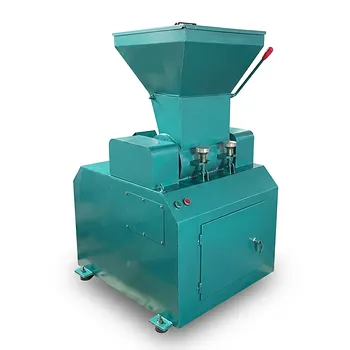
- High Speed Small Laboratory Crusher for Dry Material Sample Preparation
People Also Ask
- What is the function of a laboratory press in Cr-Ti alloy evaluation? Quantify Fracture Stress & Strength
- What is the function of a laboratory press in assessing the hydrophobic performance of modified vermiculite fillers?
- What is the core function of a laboratory press in the forming of ceramic filter element green bodies? Maximize Density.
- What is the function of a laboratory press in the preparation of ceramic feed rods? Master Density and Precision
- Why is vacuum sealing and flexible packaging necessary for Aluminum Titanate powders during CIP? Ensure Peak Density

Tech Team · PowderPreparation
Last updated on Jun 03, 2026
Related Products
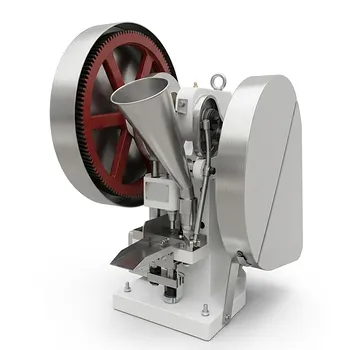
6-Ton Small Single-Punch Tablet Press — Laboratory Powder & Granule Tableting Equipment / Tablet Forming Machine
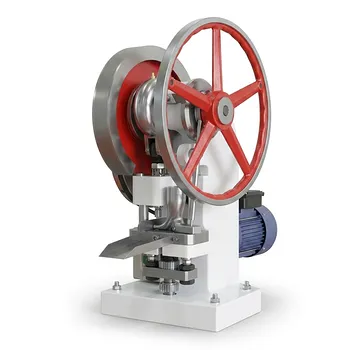
5 Ton Single Punch Tablet Press Laboratory Small Batch Production
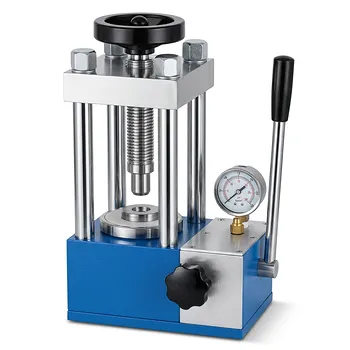
Manual Tablet Press with Dual Scale Pressure Gauge for Pharmaceutical Food Chemical Laboratory Sample Preparation
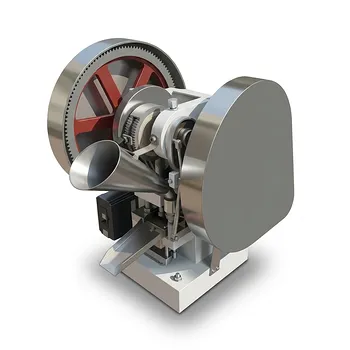
6 Ton Variable Frequency Single Punch Tablet Press
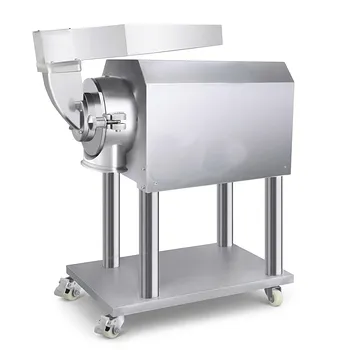
High Speed Small Laboratory Crusher for Dry Material Sample Preparation
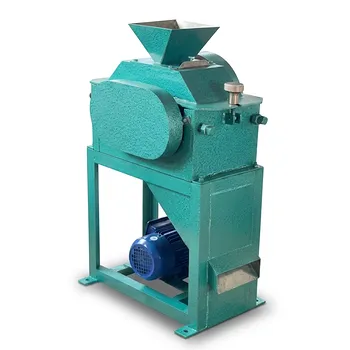
Laboratory Double Roll Crusher for Medium Hardness Materials Coal Ore Sample Preparation
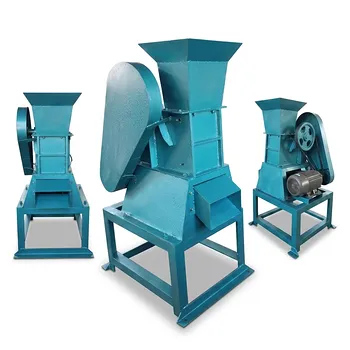
Custom Raised Height Laboratory Jaw Crusher for Precision Sample Preparation in Material Science
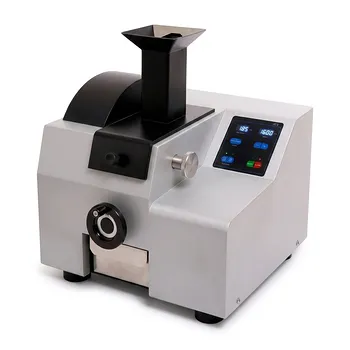
Laboratory Benchtop Jaw Crusher for Hard Brittle Materials Primary Size Reduction and Sample Preparation
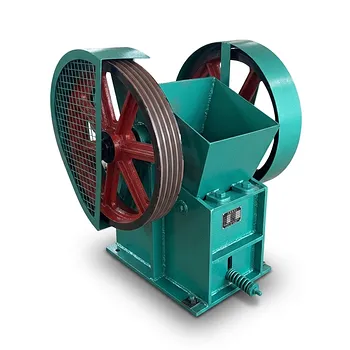
150x250mm Laboratory Jaw Crusher for Medium Hard Material Crushing and Sample Preparation
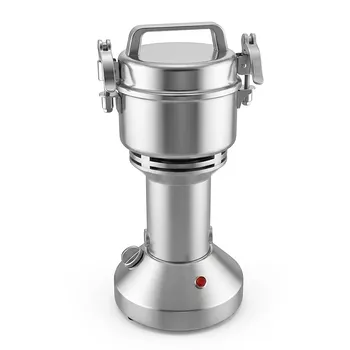
Small High Speed Upright Grinder for Laboratory Sample Preparation
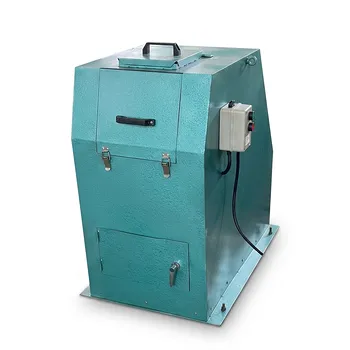
Environmentally Friendly Sealed Laboratory Jaw Crusher for Sample Preparation
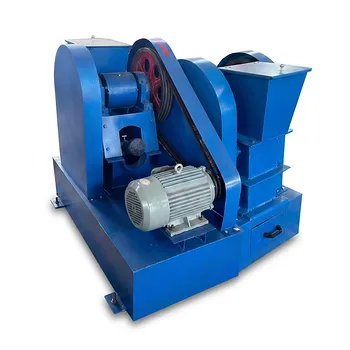
Horizontal Jaw Crusher Medium Hard Material Crushing Laboratory Sample Preparation Equipment
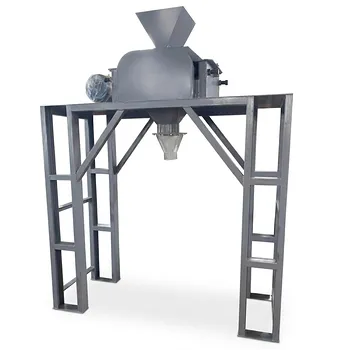
Heightened Customized Laboratory Double Roll Crusher for Coal Ore Rock Crushing
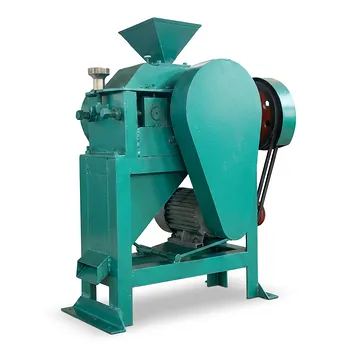
Laboratory Sealed Double Roll Crusher for Coal Ore Rock and Medium Hardness Materials Sample Preparation

Automatic Vibrating Powder Feeder for Laboratory Material Processing Precision Vibratory Hopper Feeder for Granular and Powder Material Handling Industrial Grade Vibrating Tray Feeder for Consistent Material Sample Preparation
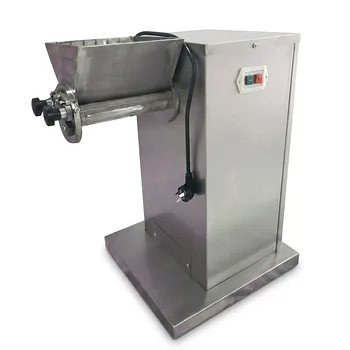
Small Laboratory Oscillating Granulator for Wet and Dry Granulation Processing
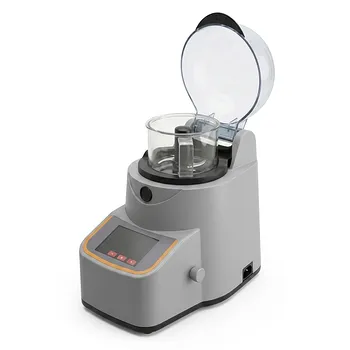
Industrial Knife Mill for Food and Biological Sample Preparation High Speed Laboratory Homogenizer
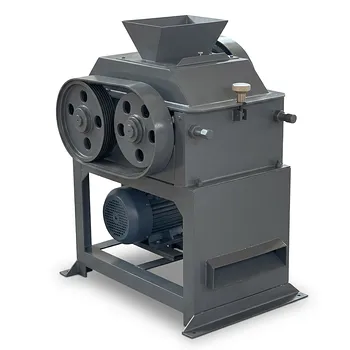
Sealed Laboratory Double Roll Crusher for Coal, Mineral, Ore Sample Preparation
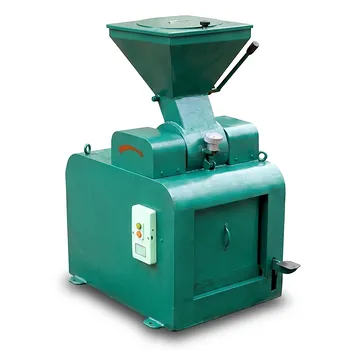
Laboratory Sealed Hammer Crushers for Coal Sample Preparation and Medium Strength Material Crushing