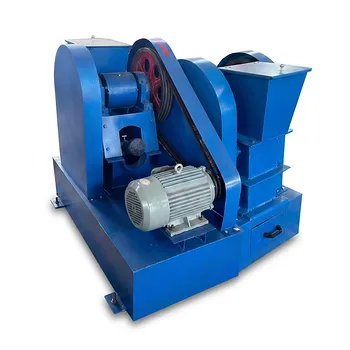
Why is a laboratory hydraulic press required for Meloxicam analysis? Achieve Precise Contact Angle & Polarity Data
Updated 4 months ago
A laboratory hydraulic press is essential because it transforms loose Meloxicam powder into a standardized, dense pellet with a smooth surface. This preparation eliminates physical variables like surface roughness and porosity, which would otherwise distort contact angle measurements. By providing a uniform interface, the press ensures that the resulting data accurately reflects the chemical polarity and wettability changes induced by the grinding process rather than physical inconsistencies.
The hydraulic press acts as a critical standardization tool, removing "physical noise" like surface irregularities and capillary absorption to allow for the precise measurement of a drug's intrinsic surface chemistry.
Standardizing the Physical Interface
Eliminating Surface Roughness
The sessile drop method used to measure contact angles requires a perfectly flat surface to yield accurate results. A hydraulic press applies high pressure to ensure the Meloxicam dry powder is compressed into a pellet with a smooth surface, providing a standardized interface for the liquid droplet.
Minimizing Porosity and Capillary Action
Loose powders possess high initial porosity, which can lead to the instantaneous capillary absorption of the wetting liquid. By compressing the powder into a dense pellet, the press minimizes this absorption, allowing optical instruments to capture the true equilibrium contact angle at the solid-liquid interface.
Ensuring Data Integrity and Reliability
Uniform Density Distribution
Precise pressure control is vital for creating a uniform density distribution across the sample. Eliminating density gradients within the compressed "green body" reduces measurement fluctuations and ensures that the data is a reliable representation of the entire sample.
Accurate Evaluation of Grinding Effects
The primary goal of grinding Meloxicam is often to improve its surface wettability and polarity. By using a hydraulic press to create a consistent physical state, researchers can isolate the chemical changes caused by grinding without interference from variable powder packing or particle sizes.
Understanding the Trade-offs and Pitfalls
Pressure-Induced Transformations
While high pressure is necessary for a smooth surface, it can occasionally induce lattice distortions or solid-phase transformations in the drug. Researchers must calibrate the pressure—typically ranging from 10 to 20 MPa—to ensure the pellet is structurally sound without inadvertently altering the drug's fundamental crystalline stability.
The Risk of Surface Contamination
The surface of the pressing die must be impeccably clean and polished. Any imperfections or contaminants on the die will be transferred to the Meloxicam pellet, creating manufacturing defects that can significantly increase the margin of error in polarity calculations.
How to Apply This to Your Research
Effective sample preparation is the foundation of accurate surface analysis. To ensure your Meloxicam studies are both valid and reproducible, consider the following recommendations:
- If your primary focus is analytical accuracy: Use a consistent pressure (e.g., 10 MPa) to eliminate the influence of powder porosity on liquid penetration.
- If your primary focus is manufacturing simulation: Apply higher pressures (16–20 MPa) to mimic the high-pressure environment of industrial tablet formation and evaluate drug stability.
- If your primary focus is surface modification: Ensure the pressing die is polished to a mirror finish to prevent physical defects from masking the effects of hydrophobic or hydrophilic additives.
Properly controlled hydraulic compression is the only way to ensure that your contact angle data reflects the true chemical nature of your Meloxicam products.
Summary Table:
| Key Feature | Impact on Measurement | Role of Hydraulic Press |
|---|---|---|
| Surface Texture | Roughness distorts droplet shape | Creates a perfectly smooth, flat interface |
| Porosity | Causes instant capillary absorption | Minimizes voids for true equilibrium angles |
| Sample Density | Leads to inconsistent data gradients | Ensures uniform density distribution |
| Chemical Isolation | Physical noise masks grinding effects | Isolates chemical polarity changes |
| Pressure Range | Structural integrity vs. stability | Precise control (10-20 MPa) for optimal pellets |
Optimize Your Material Analysis with Precision Compaction
Accurate data starts with flawless sample preparation. At our core, we provide complete laboratory sample preparation solutions tailored for material science, specializing in advanced powder processing and compaction equipment.
Whether you are determining the polarity of pharmaceuticals like Meloxicam or developing new materials, our extensive range of hydraulic presses—including standard lab presses, XRF pellet presses, Cold/Warm Isostatic Presses (CIP/WIP), and vacuum hot presses—ensures your samples achieve the perfect density and surface finish every time.
Our expertise extends across the entire preparation workflow:
- Powder Processing: High-performance crushers, liquid nitrogen cryogenic grinders, and specialized mills (planetary ball, jet, disc, rotor).
- Sieving & Mixing: Precision sieve shakers and advanced powder/defoaming mixers.
Don't let surface inconsistencies compromise your research results. Contact our technical experts today to discover how our equipment can enhance your lab's precision and efficiency!
References
- Csilla Bartos, Rita Ambrus. Study on the Scale-Up Possibility of a Combined Wet Grinding Technique Intended for Oral Administration of Meloxicam Nanosuspension. DOI: 10.3390/pharmaceutics16121512
Mentioned Products
- 6-Ton Small Single-Punch Tablet Press — Laboratory Powder & Granule Tableting Equipment / Tablet Forming Machine
- 5 Ton Single Punch Tablet Press Laboratory Small Batch Production
- Manual Tablet Press with Dual Scale Pressure Gauge for Pharmaceutical Food Chemical Laboratory Sample Preparation
- 6 Ton Variable Frequency Single Punch Tablet Press
- High Shear Laboratory Emulsifier for Mixing and Homogenization
People Also Ask
- What is the function of a laboratory press in Cr-Ti alloy evaluation? Quantify Fracture Stress & Strength
- What is the function of a laboratory press in assessing the hydrophobic performance of modified vermiculite fillers?
- What is the core function of a laboratory press in the forming of ceramic filter element green bodies? Maximize Density.
- What is the function of a laboratory press in the preparation of ceramic feed rods? Master Density and Precision
- Why is vacuum sealing and flexible packaging necessary for Aluminum Titanate powders during CIP? Ensure Peak Density

Tech Team · PowderPreparation
Last updated on May 14, 2026
Related Products
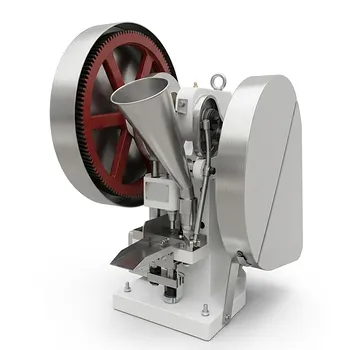
6-Ton Small Single-Punch Tablet Press — Laboratory Powder & Granule Tableting Equipment / Tablet Forming Machine
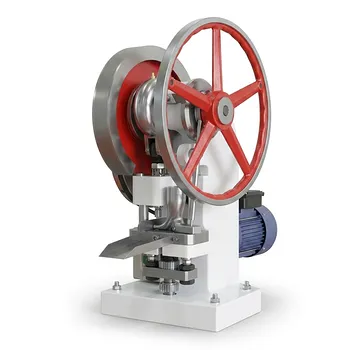
5 Ton Single Punch Tablet Press Laboratory Small Batch Production
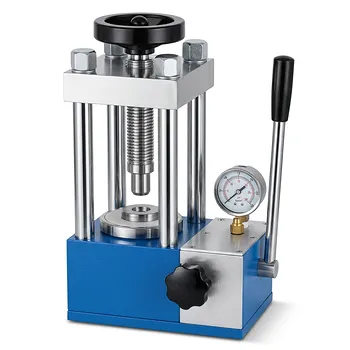
Manual Tablet Press with Dual Scale Pressure Gauge for Pharmaceutical Food Chemical Laboratory Sample Preparation
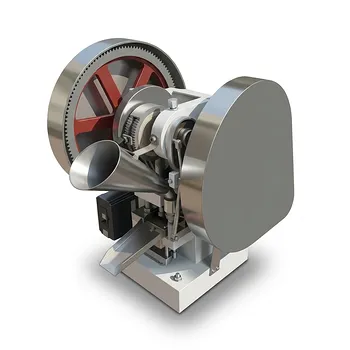
6 Ton Variable Frequency Single Punch Tablet Press
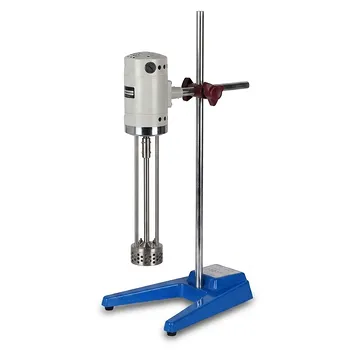
High Shear Laboratory Emulsifier for Mixing and Homogenization
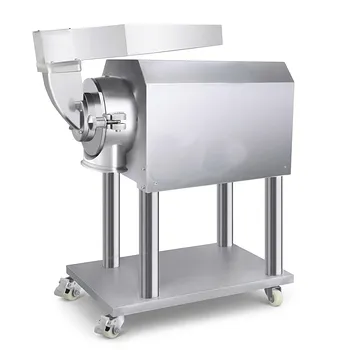
High Speed Small Laboratory Crusher for Dry Material Sample Preparation
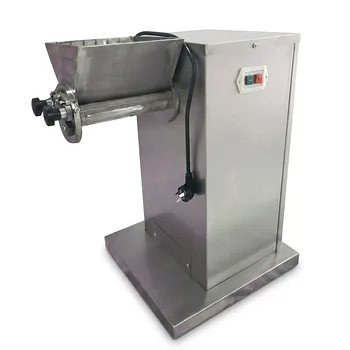
Small Laboratory Oscillating Granulator for Wet and Dry Granulation Processing
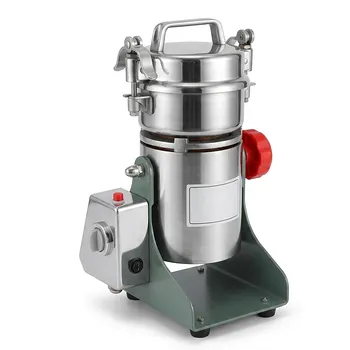
High Speed Swing Type Laboratory Pulverizer for Fine Powder Grinding and Sample Preparation