Why is a laboratory hydraulic press required for PANI/MnO2 samples? Achieve Precise Results for AC Impedance Testing.
Updated 3 months ago
Preparing PANI/MnO2 samples with a laboratory hydraulic press is a critical pre-measurement step because it transforms loose, non-conductive powder into a dense, solid pellet that allows for accurate electrical characterization. By applying high static pressure, the press eliminates insulating air voids and ensures intimate contact between the composite particles and the testing electrodes. This process is essential to ensure that the AC impedance data reflects the material’s intrinsic charge transport properties rather than the resistance of the air trapped within the powder.
To achieve reliable AC impedance results, the sample must be a cohesive bulk unit; the hydraulic press provides the necessary force to minimize porosity and contact resistance, which are the primary sources of data interference in powder-based electronics.
The Physical Foundation of Impedance Testing
Eliminating Inter-particle Air Voids
Powder samples, in their natural state, contain a high volume of trapped air which acts as an electrical insulator. A hydraulic press applies stable pressure to collapse these gaps, creating a dense green compact that facilitates continuous electron flow.
Without this compaction, the impedance analyzer would measure the high resistance of air "islands" rather than the conductivity of the Polyaniline/Manganese Dioxide network. This allows researchers to isolate the dielectric properties of the nanocomposite itself.
Establishing Electrode Interface Stability
For AC impedance testing to work, the electrical signal must pass seamlessly from the instrument's probes into the sample. The hydraulic press creates a flat, uniform surface that maximizes the surface area in contact with the electrodes.
This tight physical bond minimizes contact resistance, a common artifact that can mask the true electronic transport capabilities of PANI/MnO2. A standardized pressing process ensures that the interface remains consistent across different test batches.
Optimizing Charge Transport Mechanisms
Reducing Carrier Scattering Porosity
In nanocomposites like PANI/MnO2, the density of the sample directly impacts how charge carriers move through the material. High-precision compaction minimizes internal pores and crack defects that would otherwise cause carrier scattering.
By reaching a state of high densification, the measured conductivity accurately represents the intrinsic electronic transport of the material. This is vital for evaluating how the PANI polymer and MnO2 particles interact at a molecular level.
Standardizing Packing Density
The electromagnetic loss and dielectric response of a material are highly sensitive to its packing density. Using a laboratory benchtop press allows for precise control over the pressure applied, providing a consistent physical baseline.
This standardization is necessary when comparing different chemical compositions or doping levels. It ensures that any observed changes in impedance are due to chemical variations rather than differences in how tightly the powder was packed by hand.
Understanding the Trade-offs
Structural Integrity vs. Applied Pressure
While high pressure is necessary for density, excessive force can lead to internal micro-cracks or the mechanical degradation of the PANI polymer chains. If the pressure exceeds the material's limits, the resulting pellet may become brittle or exhibit artificial resistance due to structural failure.
Theoretical vs. Practical Density
It is important to recognize that even with a high-pressure hydraulic press, reaching 100% theoretical density is rarely possible. There will always be a degree of residual porosity, which must be accounted for when interpreting highly sensitive AC impedance spectra.
How to Apply This to Your Sample Preparation
To ensure the highest quality data from your PANI/MnO2 AC impedance tests, consider the following recommendations based on your research goals:
- If your primary focus is intrinsic conductivity: Utilize high-precision molds and maximum safe pressure to minimize porosity and eliminate carrier scattering interference.
- If your primary focus is Batch-to-Batch consistency: Use a benchtop press with a digital pressure gauge to ensure every pellet is formed under identical static load conditions.
- If your primary focus is morphological study: Opt for moderate pressure settings to maintain the structural integrity of the PANI/MnO2 nanostructures while still achieving sufficient contact for electrical testing.
Proper pelletization via a hydraulic press is the only way to bridge the gap between loose chemical powders and the definitive electrical data required for advanced materials science.
Summary Table:
| Feature | Loose Powder (Unpressed) | Pressed Pellet (Hydraulic Press) |
|---|---|---|
| Electrical Path | Discontinuous due to air voids | Continuous dense material network |
| Contact Resistance | High and inconsistent | Low and standardized interface |
| Measurement Focus | Measures air/void resistance | Measures intrinsic dielectric properties |
| Sample Density | Low/Variable | High/Standardized packing density |
| Surface Quality | Uneven/Poor electrode contact | Flat/Uniform for stable testing |
Elevate Your Material Research with Precision Sample Preparation
To bridge the gap between raw powder and definitive electrical data, high-quality compaction is non-negotiable. At [Company Name], we provide complete laboratory sample preparation solutions tailored for material science.
We specialize in the full lifecycle of powder processing and compaction. Our extensive equipment lines include:
- Powder Processing: High-performance crushers (jaw/roll), liquid nitrogen cryogenic grinders, and advanced mills (planetary ball, jet, sand/bead, disc, rotor).
- Sieving & Mixing: Precision sieve shakers (vibratory/air-jet), powder mixers, and defoaming mixers.
- Compaction Solutions: A full spectrum of hydraulic presses, including Cold/Warm Isostatic Presses (CIP/WIP), standard lab presses, XRF pellet presses, hot presses, and vacuum hot presses.
Ensure your PANI/MnO2 samples deliver reliable, repeatable AC impedance results. Contact our technical experts today to find the perfect press for your laboratory's specific needs.
References
- S. C. Vella Durai, E. KUMAR. FREQUENCY-DEPENDENT IMPEDANCE, MODULUS AND DIELECTRIC STUDIES OF POLYANILINE/MANGANESE DIOXIDE NANOCOMPOSITES. DOI: 10.15251/jor.2020.163.173
Mentioned Products
- 6-Ton Small Single-Punch Tablet Press — Laboratory Powder & Granule Tableting Equipment / Tablet Forming Machine
- 5 Ton Single Punch Tablet Press Laboratory Small Batch Production
- Manual Tablet Press with Dual Scale Pressure Gauge for Pharmaceutical Food Chemical Laboratory Sample Preparation
- 6 Ton Variable Frequency Single Punch Tablet Press
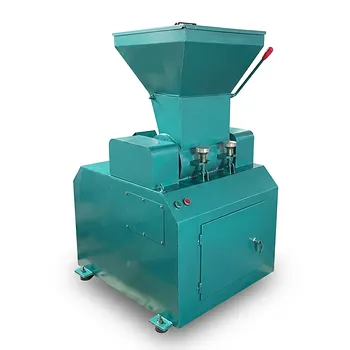
- Laboratory Double Roll Crusher for Medium Hardness Materials Coal Ore Sample Preparation
People Also Ask
- What is the function of a laboratory press in Cr-Ti alloy evaluation? Quantify Fracture Stress & Strength
- What is the function of a laboratory press in assessing the hydrophobic performance of modified vermiculite fillers?
- What is the core function of a laboratory press in the forming of ceramic filter element green bodies? Maximize Density.
- What is the function of a laboratory press in the preparation of ceramic feed rods? Master Density and Precision
- Why is vacuum sealing and flexible packaging necessary for Aluminum Titanate powders during CIP? Ensure Peak Density

Tech Team · PowderPreparation
Last updated on Jun 03, 2026
Related Products
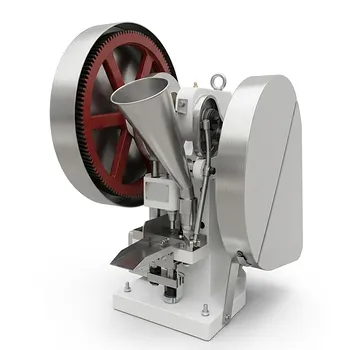
6-Ton Small Single-Punch Tablet Press — Laboratory Powder & Granule Tableting Equipment / Tablet Forming Machine
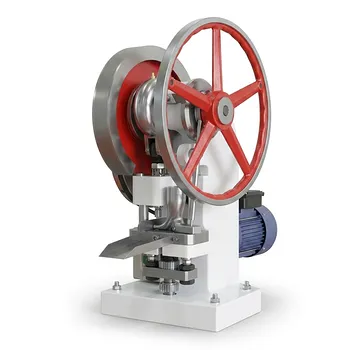
5 Ton Single Punch Tablet Press Laboratory Small Batch Production
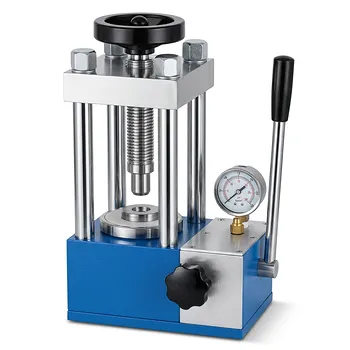
Manual Tablet Press with Dual Scale Pressure Gauge for Pharmaceutical Food Chemical Laboratory Sample Preparation
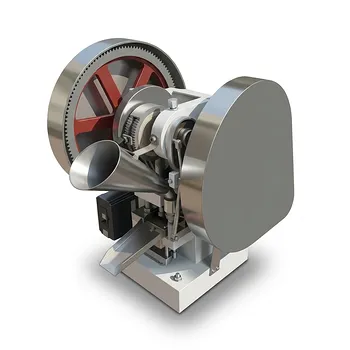
6 Ton Variable Frequency Single Punch Tablet Press
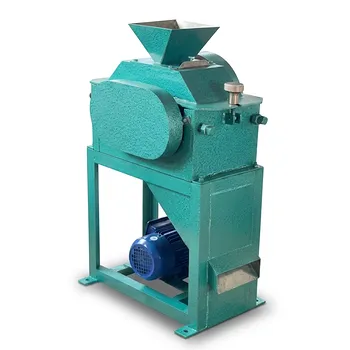
Laboratory Double Roll Crusher for Medium Hardness Materials Coal Ore Sample Preparation
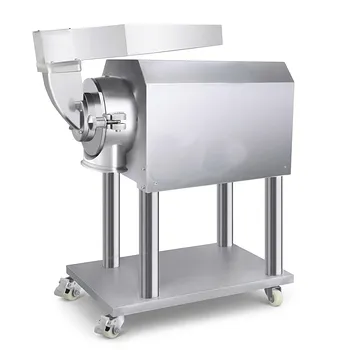
High Speed Small Laboratory Crusher for Dry Material Sample Preparation
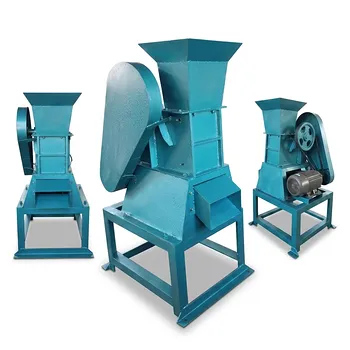
Custom Raised Height Laboratory Jaw Crusher for Precision Sample Preparation in Material Science
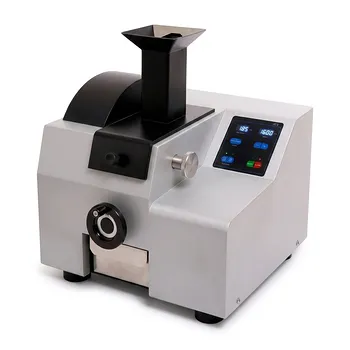
Laboratory Benchtop Jaw Crusher for Hard Brittle Materials Primary Size Reduction and Sample Preparation
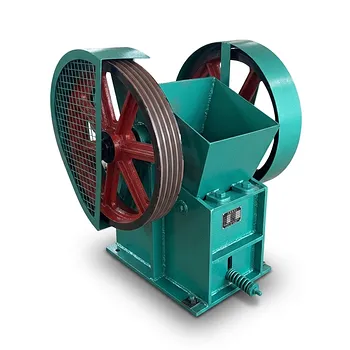
150x250mm Laboratory Jaw Crusher for Medium Hard Material Crushing and Sample Preparation
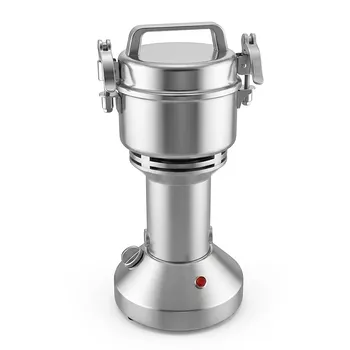
Small High Speed Upright Grinder for Laboratory Sample Preparation
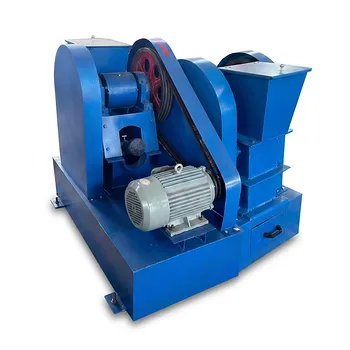
Horizontal Jaw Crusher Medium Hard Material Crushing Laboratory Sample Preparation Equipment
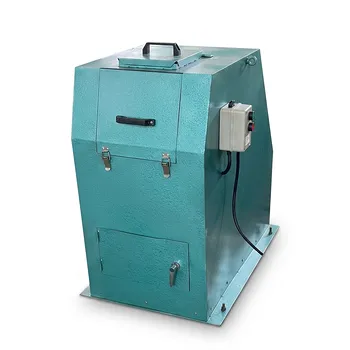
Environmentally Friendly Sealed Laboratory Jaw Crusher for Sample Preparation
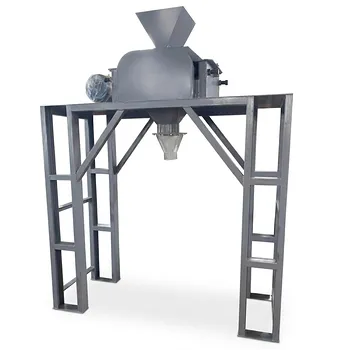
Heightened Customized Laboratory Double Roll Crusher for Coal Ore Rock Crushing
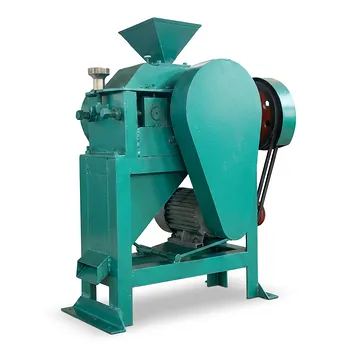
Laboratory Sealed Double Roll Crusher for Coal Ore Rock and Medium Hardness Materials Sample Preparation
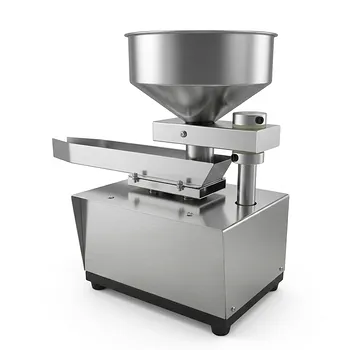
Automatic Vibrating Powder Feeder for Laboratory Material Processing Precision Vibratory Hopper Feeder for Granular and Powder Material Handling Industrial Grade Vibrating Tray Feeder for Consistent Material Sample Preparation
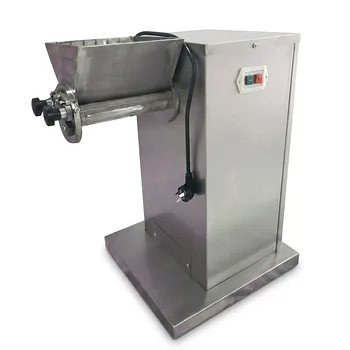
Small Laboratory Oscillating Granulator for Wet and Dry Granulation Processing
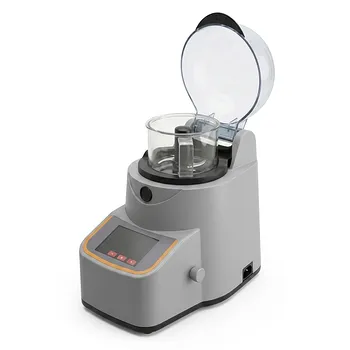
Industrial Knife Mill for Food and Biological Sample Preparation High Speed Laboratory Homogenizer
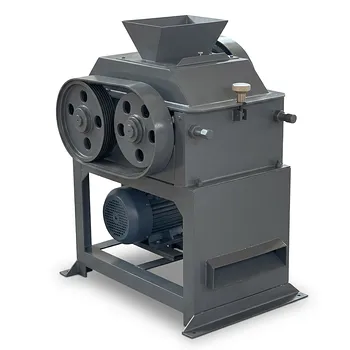
Sealed Laboratory Double Roll Crusher for Coal, Mineral, Ore Sample Preparation
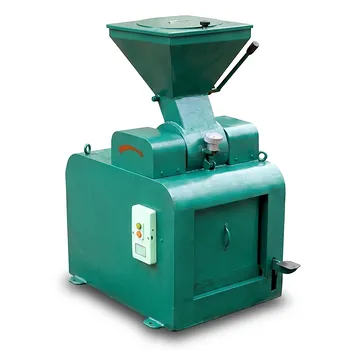
Laboratory Sealed Hammer Crushers for Coal Sample Preparation and Medium Strength Material Crushing