What purpose does a manual hydraulic press serve in the molding of ceramic water filters? Optimize Density & Porosity
Updated 3 months ago
The manual hydraulic press is the critical component that transforms loose ceramic mixtures into a stable, molded "green body" through the application of uniform, controllable pressure. By utilizing specialized molds, the press forces clay and organic particles to rearrange, eliminating internal voids and establishing the mechanical strength necessary for the filter to maintain its shape during demolding and subsequent handling.
The primary purpose of a manual hydraulic press in ceramic water filter production is to achieve precise particle compaction and uniform density. This structural foundation is essential for preventing deformation during the firing process and ensuring the filter maintains the specific porosity required for water purification.
Structural Integrity and Particle Arrangement
Eliminating Internal Voids
The manual hydraulic press applies pressure to a mixture of clay and organic materials, forcing the particles to overcome friction and fill empty spaces. This process eliminates internal voids that would otherwise cause structural weak points in the final filter.
Establishing Mechanical Strength
By compacting the raw material, the press creates a "green body" with sufficient mechanical strength to be handled. Without this pressure-driven compaction, the damp ceramic mixture would likely collapse or lose its shape immediately after being removed from the mold.
Uniform Pressure Application
Using a hydraulic system allows for uniform and controllable pressure across the entire surface of the mold. This ensures that every part of the water filter has a consistent density, which is vital for both structural longevity and even water flow.
Controlling Material Density and Porosity
Managing Green Density
The press is used to achieve a specific green density, which refers to the compactness of the material before it is fired in a kiln. Proper density control is the primary factor in determining the final shrinkage rate of the product, preventing the filter from warping or cracking as it dries.
Preserving Pore Structure
For water filters, the goal is not total solidification but the creation of an interconnected pore structure. The manual press allows operators to apply enough pressure to secure the shape without over-compacting the material, which would seal the pores and render the filter useless.
Enhancing Sintering Efficiency
High-density compaction shortens the atomic diffusion distance between particles. This allows the ceramic to undergo proper densification and "bonding" at lower sintering temperatures, saving energy and improving the consistency of the manufacturing run.
Understanding the Trade-offs and Pitfalls
The Risk of Over-Compaction
Applying excessive pressure can lead to over-compaction, where the internal porosity is significantly reduced. In the context of water filtration, this results in a low flow rate, making the final product ineffective for its intended use.
Manual Consistency Challenges
Unlike automated industrial presses, a manual hydraulic press relies on the operator to maintain pressure consistency. Variations in the pressure applied from one batch to the next can lead to discrepancies in filter thickness and filtration speed.
Mold Precision and Wear
The effectiveness of the press is heavily dependent on the quality of the aluminum or stainless steel molds. Any misalignment or wear in the mold will be magnified by the hydraulic pressure, resulting in geometric irregularities or "flashing" on the filter body.
Applying This to Your Production Process
How to Achieve Optimal Results
Success in ceramic filter molding depends on balancing pressure with material composition to achieve a stable yet porous structure.
- If your primary focus is filtration flow rate: Use lower, highly controlled pressures to ensure the interconnected pore structure remains open and permeable.
- If your primary focus is structural durability: Increase the compaction pressure to maximize green density, which reduces the risk of breakage during the high-temperature sintering stage.
- If your primary focus is dimensional accuracy: Utilize high-precision steel molds and a pressure gauge to ensure that every filter is pressed to the exact same thickness and density.
The manual hydraulic press serves as the bridge between raw material and a functional tool, providing the physical foundation upon which all subsequent filtration performance is built.
Summary Table:
| Key Function | Impact on Molding Process | Benefit for Water Filters |
|---|---|---|
| Particle Compaction | Eliminates internal voids and air pockets | Enhanced structural integrity (Green Body) |
| Density Control | Manages uniform green density across the mold | Predictable shrinkage and warp prevention |
| Porosity Preservation | Balances pressure to maintain open channels | Optimized flow rate for water purification |
| Mechanical Bonding | Shortens atomic diffusion distance | Higher sintering efficiency at lower energy |
Elevate Your Ceramic Material Research with KinTek Solutions
Precision is paramount when molding high-performance ceramic water filters. At KinTek, we provide complete laboratory sample preparation solutions for material science, specializing in high-precision powder processing and compaction equipment.
Whether you need to achieve the perfect pore structure or maximum structural durability, our extensive range of hydraulic presses—including standard lab presses, Cold/Warm Isostatic Presses (CIP/WIP), and vacuum hot presses—delivers the uniform pressure control your research demands. Beyond compaction, we offer a full suite of crushers, planetary ball mills, and defoaming mixers to ensure your material preparation is flawless from start to finish.
Ready to optimize your production and achieve superior material density?
Contact our experts today for a customized solution!
References
- Alemayehu Solomon, Belay Brehane Tesfamariam. Optimization of preparation parameters of ceramic pot water filters for potential application of microbial and fluoride removal from groundwater. DOI: 10.1016/j.heliyon.2023.e13261
Mentioned Products
- 5 Ton Single Punch Tablet Press Laboratory Small Batch Production
- Manual Tablet Press with Dual Scale Pressure Gauge for Pharmaceutical Food Chemical Laboratory Sample Preparation
- 6 Ton Variable Frequency Single Punch Tablet Press
- 6-Ton Small Single-Punch Tablet Press — Laboratory Powder & Granule Tableting Equipment / Tablet Forming Machine
- 500g Capacity Water Cooled Low Temperature Grinder with Variable Speed and Safety Cover
People Also Ask
- What is the function of a laboratory press in assessing the hydrophobic performance of modified vermiculite fillers?
- What is the core function of a laboratory press in the forming of ceramic filter element green bodies? Maximize Density.
- What is the function of a laboratory press in Cr-Ti alloy evaluation? Quantify Fracture Stress & Strength
- Why is vacuum sealing and flexible packaging necessary for Aluminum Titanate powders during CIP? Ensure Peak Density
- Why is a laboratory hydraulic press required for FT-IR KBr pellets? Achieve Precise Sample Clarity for ZrC–SiC Analysis

Tech Team · PowderPreparation
Last updated on Jun 03, 2026
Related Products
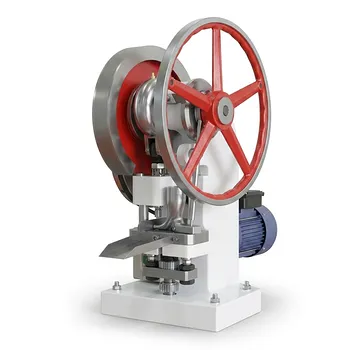
5 Ton Single Punch Tablet Press Laboratory Small Batch Production
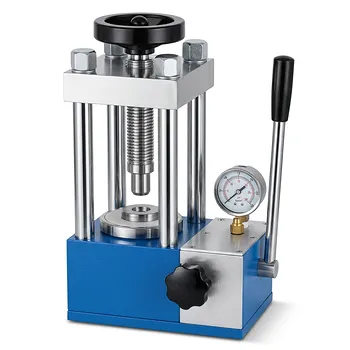
Manual Tablet Press with Dual Scale Pressure Gauge for Pharmaceutical Food Chemical Laboratory Sample Preparation
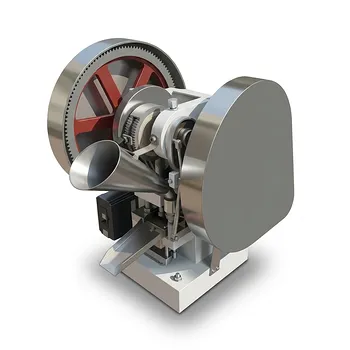
6 Ton Variable Frequency Single Punch Tablet Press
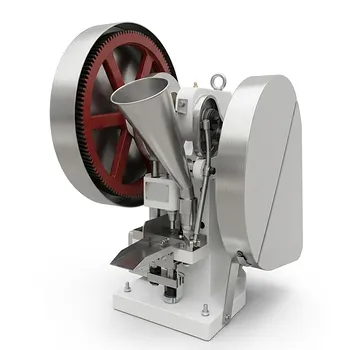
6-Ton Small Single-Punch Tablet Press — Laboratory Powder & Granule Tableting Equipment / Tablet Forming Machine
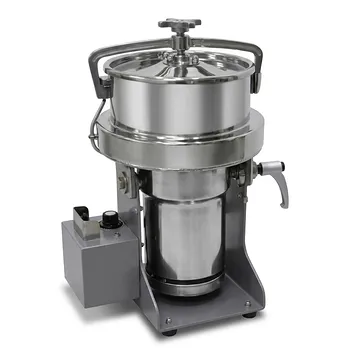
500g Capacity Water Cooled Low Temperature Grinder with Variable Speed and Safety Cover
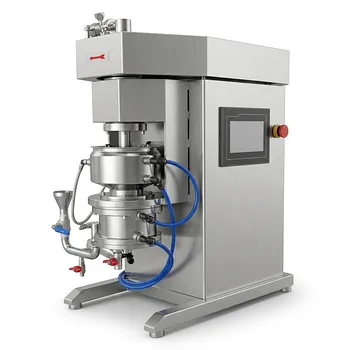
Small Ceramic Structure Laboratory Sand Mill Nanoscale Grinding Dispersion Equipment Seal-less Screen-less Design
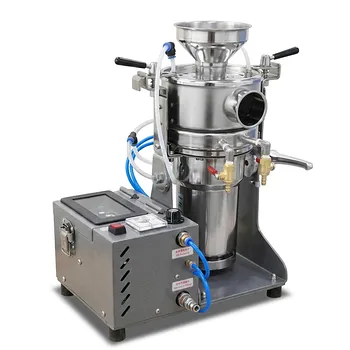
Water Cooled Pulse Jet Ultrafine Grinder
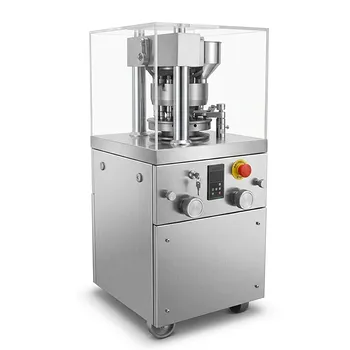
Ordinary Type Rotary Tablet Press for Pharmaceutical Chemical Food Electronic Industries
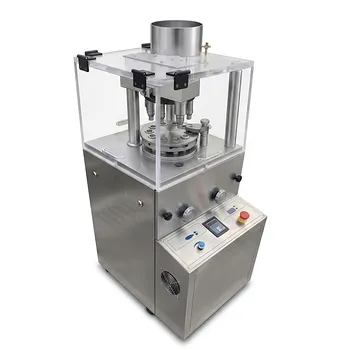
Enhanced 9 Punch Rotary Tablet Press for Powder Compaction
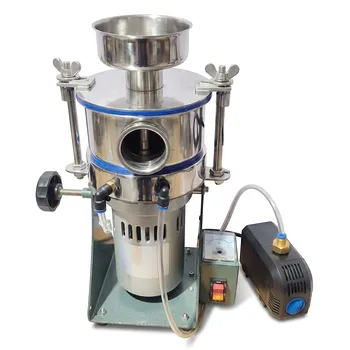
Water Cooled Airflow Ultra Fine Grinder for Low Temperature Material Processing
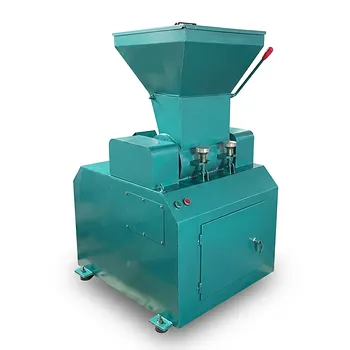
Sealed Hammer Crusher for Laboratory Coal Sample Preparation Adjustable Output Size
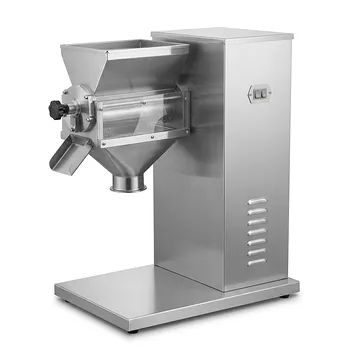
Small Swing Granulator Efficient Powder Granulation for Pharmaceutical Chemical Food Industries
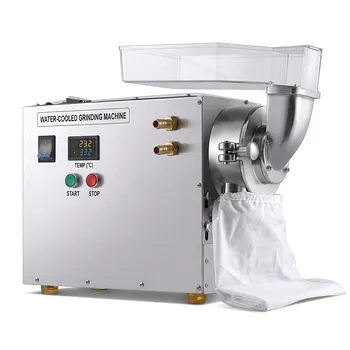
Water Cooled Graduated Continuous Feed Pulverizer for Industrial Powder Processing and Laboratory Material Preparation
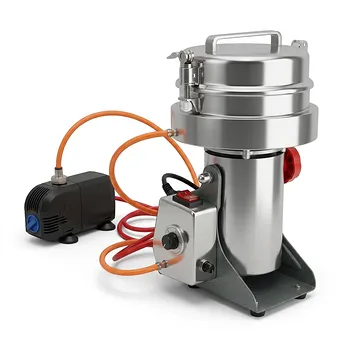
Water Cooled High Speed Grinder with Cryogenic Option for Laboratory Sample Preparation
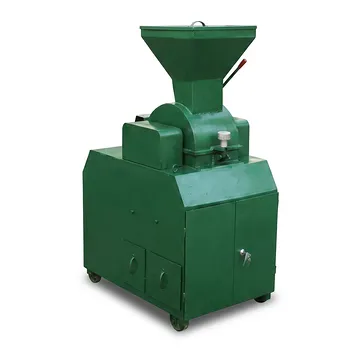
Industrial Sealed Hammer Knife Crusher for Mining Ore and Coal Sample Preparation
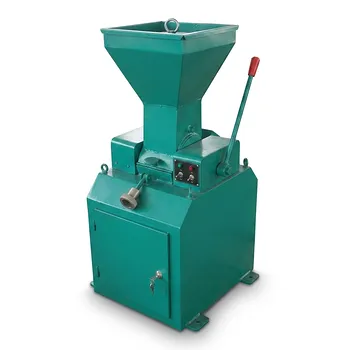
Laboratory Sealed Hammer Crusher for Coal and Mineral Sample Preparation
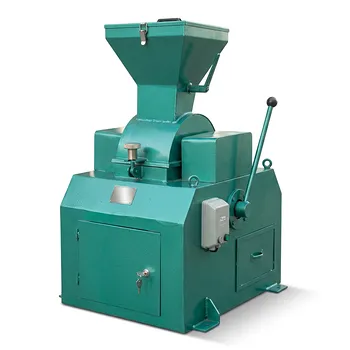
Laboratory Sealed Hammer Blade Crusher Divider for High Hardness Sample Preparation
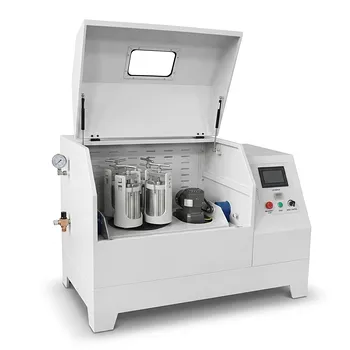
Vertical Production Planetary Ball Mill for High Throughput Powder Processing
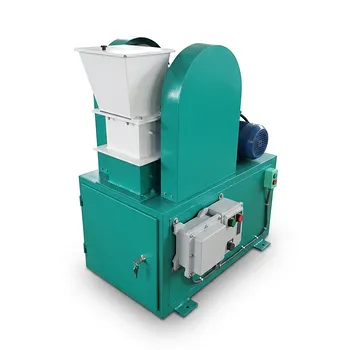
Custom Explosion-Proof Sealed Jaw Crusher for Laboratory and Industrial Sample Preparation