Why is a laboratory hydraulic press required to pre-form magnesium-alumina mixtures? Ensure Sample Integrity for HPT
Updated 4 months ago
A laboratory hydraulic press is essential for pre-forming magnesium-alumina mixtures because it compacts loose chips and particles into a dense, cohesive disc that can withstand the extreme forces of High-Pressure Torsion (HPT). This pre-pressing step, typically conducted at pressures around 250 MPa, provides the mechanical strength necessary for handling and creates a stable initial stress state. Without this foundation, the HPT process cannot effectively apply the continuous hydrostatic pressure and shear strain required to bond the materials at an atomic level.
Core Takeaway: Pre-forming transforms unstable powder mixtures into a high-density "green body," establishing the uniform density and structural integrity required for successful consolidation and shear loading during subsequent high-pressure torsion processing.
Facilitating Material Handling and Sample Integrity
Creating a Cohesive Green Body
Loose magnesium chips and alumina particles lack the inherent structure to be accurately positioned within HPT anvils. The hydraulic press applies axial pressure to force these components into a solid disc-shaped preform, allowing for easy transport and precise alignment.
Ensuring Dimensional Precision
Standardizing the mass and diameter of the sample is critical for consistent HPT results. Mechanical compression ensures the geometric dimensions are controlled from the start, preventing material overflow or insufficient filling during the torsion stage.
Improving Mechanical Strength
The pre-pressing process increases the mechanical strength of the "green body," which refers to the compacted but unsintered material. This strength prevents the sample from crumbling or cracking during the initial setup phase of the HPT equipment.
Optimizing the Stress Environment for HPT
Establishing Hydrostatic Continuity
HPT relies on extremely high hydrostatic pressure to achieve material consolidation. By eliminating large voids and air pockets beforehand, the hydraulic press ensures that the initial stress state is stable, allowing the HPT equipment to maintain pressure continuity across the entire sample.
Eliminating Density Gradients
Precise pressure control during pre-forming promotes a uniform rearrangement of alumina particles within the magnesium matrix. This minimizes internal density gradients and micro-voids, which is essential for ensuring the material behaves isotropically during shear loading.
Breaking Down Surface Oxide Layers
Magnesium often possesses a surface oxide layer that can inhibit bonding. The high-intensity vertical pressure from the hydraulic press helps break down these oxide barriers, facilitating the intimate metal-to-metal contact necessary for atomic-level bonding during the torsion phase.
Enhancing Material Bonding and Microstructure
Shortening Atomic Diffusion Distances
By forcing particles into tight mechanical contact, the press significantly reduces the distance atoms must travel to bond. This is particularly important for magnesium-alumina mixtures, where the goal is often to create a uniform composite or promote specific phase reactions.
Minimizing Micro-cracks and Pores
The application of stable axial pressure overcomes the friction between powder particles, forcing them to pack closely together. This action minimizes pre-existing micro-cracks, which directly improves the final mechanical properties and ensures the reproducibility of the material’s performance.
Reducing Sintering Activation Energy
While HPT is a severe plastic deformation process, the high initial packing density achieved by the press provides the physical contact needed for inter-particle diffusion. This can effectively lower the energy required to reach full consolidation during the processing cycle.
Understanding the Trade-offs and Pitfalls
The Risk of Excessive Pre-compression Pressure
While high pressure is necessary for density, exceeding the optimal limit can lead to premature work hardening of the magnesium. This may reduce the material's ductility before it even reaches the HPT stage, potentially leading to brittle failure during torsion.
Consistency of Pressure and Holding Time
Inconsistent holding times or pressure fluctuations during pre-forming can result in non-uniform "green" density. These variations often translate into localized defects in the final HPT-processed material, compromising the accuracy of mechanical property assessments.
Impact of Friction and Lubrication
Friction between the powder and the mold walls can lead to an uneven pressure distribution within the preform. If not managed through precise mold design or appropriate wall lubrication, the edges of the disc may have a different density than the center, affecting the subsequent shear strain distribution.
How to Apply This to Your Project
Recommendations for Effective Pre-forming
To achieve the best results with magnesium-alumina mixtures, consider your primary objective:
- If your primary focus is Maximum Sample Density: Use a high-precision press to apply a specific pressure (e.g., 250 MPa) with a calculated holding time to ensure maximum particle rearrangement.
- If your primary focus is Structural Homogeneity: Focus on eliminating internal density gradients by ensuring the mixed powders are perfectly distributed in the mold before applying the hydraulic load.
- If your primary focus is Inter-particle Bonding: Prioritize higher axial pressures to effectively break down surface oxides on the magnesium chips before HPT begins.
Properly pre-forming your mixture ensures that the high-pressure torsion process acts upon a stable, uniform, and high-density precursor, leading to superior material properties and reproducible data.
Summary Table:
| Feature | Impact on HPT Processing | Primary Benefit |
|---|---|---|
| Compaction | Forms a solid 'green body' disc | Prevents sample crumbling during handling |
| Geometric Control | Standardizes mass and diameter | Ensures uniform material flow and filling |
| Void Elimination | Removes internal air pockets | Establishes stable hydrostatic continuity |
| Surface Activation | Breaks down metallic oxide layers | Facilitates atomic-level material bonding |
Elevate Your Sample Preparation Standards
Precision in the pre-forming stage is the foundation of high-quality material science research. We provide complete laboratory sample preparation solutions tailored for advanced powder processing and material consolidation.
Our specialized equipment lineup includes:
- Powder Processing: Jaw/roll crushers, liquid nitrogen cryogenic grinders, and high-energy planetary ball, jet, and rotor mills.
- Sieving & Mixing: Vibratory/air-jet sieve shakers and high-efficiency powder or defoaming mixers.
- Advanced Compaction: A full spectrum of hydraulic presses, including Cold/Warm Isostatic Presses (CIP/WIP), XRF pellet presses, vacuum hot presses, and standard lab presses designed for maximum pressure stability.
Whether you are preparing magnesium-alumina mixtures or complex composites, our equipment ensures the density, homogeneity, and structural integrity your research demands. Contact our experts today to find the ideal solution for your laboratory’s unique requirements!
References
- Moara M. Castro, Terence G. Langdon. Development of a magnesium-alumina composite through cold consolidation of machining chips by high-pressure torsion. DOI: 10.1016/j.jallcom.2018.11.357
Mentioned Products
- 6-Ton Small Single-Punch Tablet Press — Laboratory Powder & Granule Tableting Equipment / Tablet Forming Machine
- 5 Ton Single Punch Tablet Press Laboratory Small Batch Production
- Manual Tablet Press with Dual Scale Pressure Gauge for Pharmaceutical Food Chemical Laboratory Sample Preparation
- 6 Ton Variable Frequency Single Punch Tablet Press
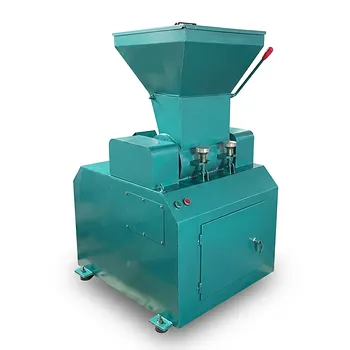
- High Speed Small Laboratory Crusher for Dry Material Sample Preparation
People Also Ask
- What is the function of a laboratory press in Cr-Ti alloy evaluation? Quantify Fracture Stress & Strength
- What is the function of a laboratory press in assessing the hydrophobic performance of modified vermiculite fillers?
- What is the core function of a laboratory press in the forming of ceramic filter element green bodies? Maximize Density.
- What is the function of a laboratory press in the preparation of ceramic feed rods? Master Density and Precision
- Why is vacuum sealing and flexible packaging necessary for Aluminum Titanate powders during CIP? Ensure Peak Density

Tech Team · PowderPreparation
Last updated on Jun 03, 2026
Related Products
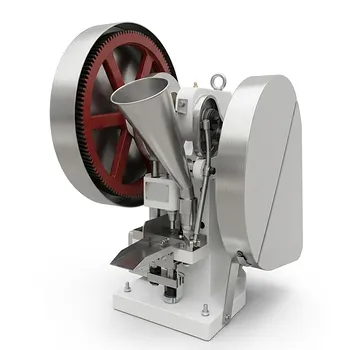
6-Ton Small Single-Punch Tablet Press — Laboratory Powder & Granule Tableting Equipment / Tablet Forming Machine
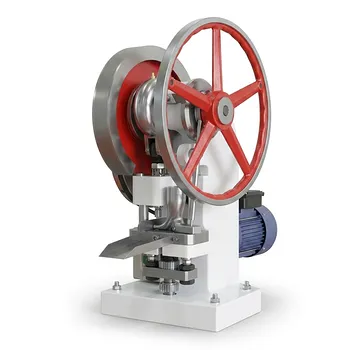
5 Ton Single Punch Tablet Press Laboratory Small Batch Production
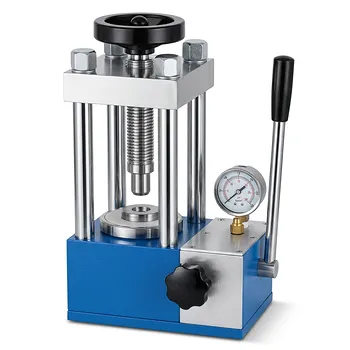
Manual Tablet Press with Dual Scale Pressure Gauge for Pharmaceutical Food Chemical Laboratory Sample Preparation
6 Ton Variable Frequency Single Punch Tablet Press
High Speed Small Laboratory Crusher for Dry Material Sample Preparation
Laboratory Double Roll Crusher for Medium Hardness Materials Coal Ore Sample Preparation
Laboratory Benchtop Jaw Crusher for Hard Brittle Materials Primary Size Reduction and Sample Preparation
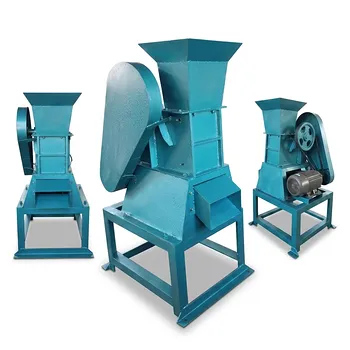
Custom Raised Height Laboratory Jaw Crusher for Precision Sample Preparation in Material Science
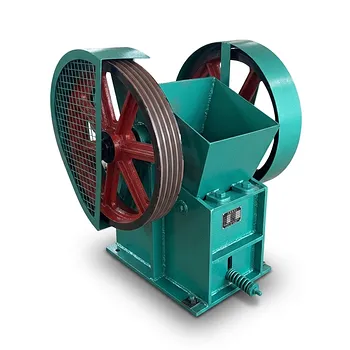
150x250mm Laboratory Jaw Crusher for Medium Hard Material Crushing and Sample Preparation
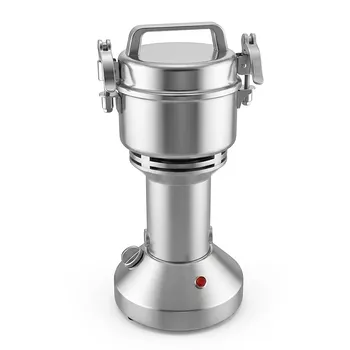
Small High Speed Upright Grinder for Laboratory Sample Preparation
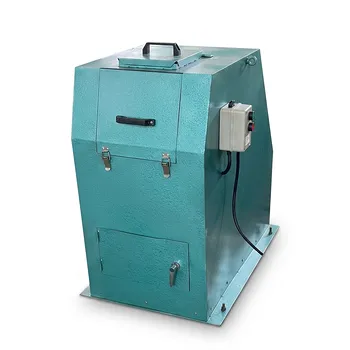
Environmentally Friendly Sealed Laboratory Jaw Crusher for Sample Preparation
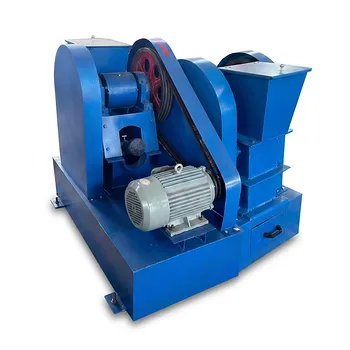
Horizontal Jaw Crusher Medium Hard Material Crushing Laboratory Sample Preparation Equipment
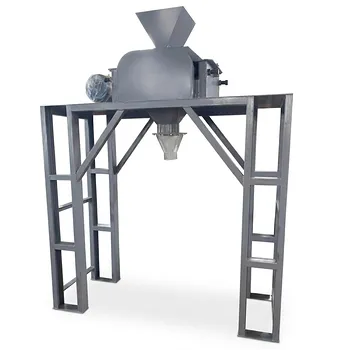
Heightened Customized Laboratory Double Roll Crusher for Coal Ore Rock Crushing
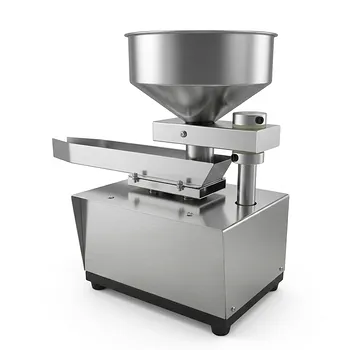
Automatic Vibrating Powder Feeder for Laboratory Material Processing Precision Vibratory Hopper Feeder for Granular and Powder Material Handling Industrial Grade Vibrating Tray Feeder for Consistent Material Sample Preparation
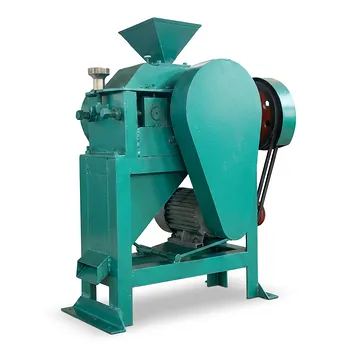
Laboratory Sealed Double Roll Crusher for Coal Ore Rock and Medium Hardness Materials Sample Preparation
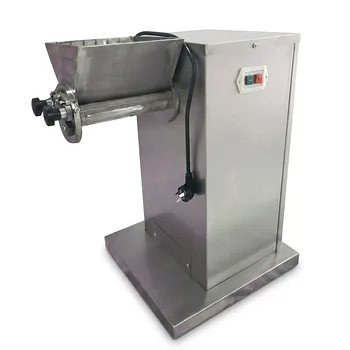
Small Laboratory Oscillating Granulator for Wet and Dry Granulation Processing
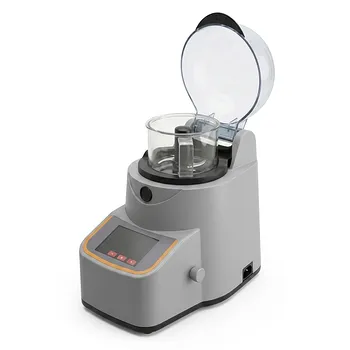
Industrial Knife Mill for Food and Biological Sample Preparation High Speed Laboratory Homogenizer
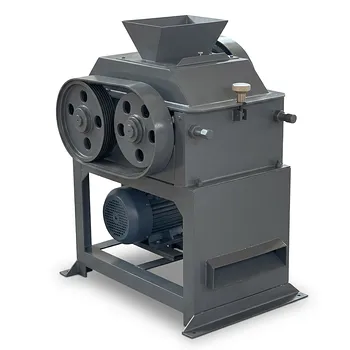
Sealed Laboratory Double Roll Crusher for Coal, Mineral, Ore Sample Preparation
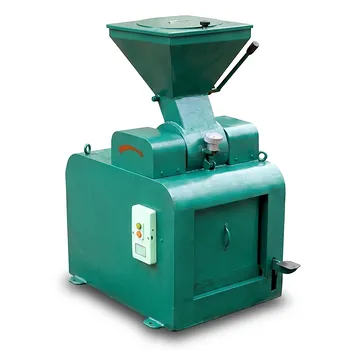
Laboratory Sealed Hammer Crushers for Coal Sample Preparation and Medium Strength Material Crushing