Why use a lab hydraulic press for Ti2SnC powder? Master atomic migration for superior Sn nanowhisker growth.
Updated 5 months ago
A laboratory hydraulic press is essential because it transforms loose $Ti_2SnC$ powder into a high-density macroscopic substrate required for atomic transport. By applying extreme pressure (typically around 400 MPa), the press eliminates voids and creates continuous interfaces between ball-milled particles. This structural density is required to facilitate the long-range migration of tin (Sn) atoms from the interior to the surface, where they spontaneously grow into orderly nanowhiskers.
Core Takeaway: The hydraulic press provides the mechanical force necessary to create a dense, continuous material path. This path acts as a "highway" for A-site atoms to migrate and enables the sample to survive immersion in experimental liquid media.
Establishing a Pathway for Atomic Migration
The growth of tin nanowhiskers is not a surface-level event but a result of internal mass transport.
Reducing Interfacial Gaps
Raw $Ti_2SnC$ powder consists of individual particles separated by air gaps that act as barriers to movement. High-pressure compaction forces these particles together, reducing gaps and establishing a continuous solid-state network.
Facilitating A-Site Atom Movement
In MAX phase materials like $Ti_2SnC$, the "A-site" atoms (in this case, Tin) are relatively mobile. A dense macroscopic form allows these atoms to migrate over long ranges through the grain boundaries of the compacted disc to reach the growth sites.
Maximizing Particle Contact Area
The press ensures intimate contact between reactant particles. This contact is a prerequisite for the efficient diffusion of elements, which is the driving force behind the orderly growth of crystals on the disc surface.
Providing Structural Integrity for Experiments
Beyond the internal chemistry, the powder must be physically transformed to survive the testing environment.
Stability in Liquid Media
Experiments often require the $Ti_2SnC$ to be immersed in various liquid media for comparative analysis. A compacted thin disc maintains its shape and structural integrity when submerged, whereas loose powder would disperse or react inconsistently.
Creating a Stable Growth Substrate
The surface of a pressed disc provides a stable structural foundation for nanowhiskers to anchor. This stability ensures that the growth remains orderly and measurable, rather than being disrupted by the movement of loose particles.
Enhancing Mechanical Strength
The use of a hydraulic press induces plastic deformation and mechanical interlocking between the powder grains. This gives the resulting disc the "green strength" required for handling, polishing, or subsequent microstructural analysis without the sample crumbling.
Understanding the Trade-offs and Limitations
While high pressure is necessary, the process must be carefully controlled to avoid compromising the experiment.
The Risk of Microcracking
Applying excessive pressure (well into the GPa range) can sometimes introduce internal microcracks or residual stresses. These defects may redirect atom migration or cause the disc to fracture during the nanowhisker growth phase.
Pressure Uniformity Issues
If the pressure is not distributed evenly, the disc will have variable density zones. This leads to non-uniform nanowhisker growth, where some areas of the disc show high activity while others remain dormant.
Porosity vs. Diffusion
While the goal is to minimize internal porosity, complete elimination of voids is difficult in cold-pressing. Residual porosity can sometimes trap contaminants or liquid media, which may interfere with the purity of the tin nanowhisker growth.
Applying Compaction to Your Research Goal
The specific pressure and duration used in the hydraulic press should be dictated by your experimental objectives.
- If your primary focus is maximizing whisker density: Prioritize higher compaction pressures (400 MPa or above) to ensure the most continuous internal pathways for Sn atom migration.
- If your primary focus is liquid media interaction: Focus on achieving a high-quality surface finish on the pressed disc to ensure uniform contact between the liquid and the $Ti_2SnC$ substrate.
- If your primary focus is structural analysis: Ensure the press is used with a high-precision die to produce discs with uniform thickness, which facilitates more accurate microscopy and microhardness testing.
Proper compaction via a hydraulic press effectively turns a collection of isolated particles into a single, functional reactor for nanowhisker synthesis.
Summary Table:
| Key Function | Experimental Benefit | Impact on Nanowhisker Growth |
|---|---|---|
| High-Pressure Compaction | Eliminates air gaps & interfacial barriers | Creates a continuous "highway" for Sn atom migration |
| Structural Density | Facilitates long-range internal transport | Enables atoms to reach surface growth sites efficiently |
| Mechanical Integrity | Ensures stability in liquid media | Prevents sample dispersion during comparative analysis |
| Surface Stabilization | Provides a solid anchoring foundation | Ensures orderly, measurable, and stable crystal growth |
| Plastic Deformation | Increases "green strength" | Facilitates safe handling, polishing, and microstructure analysis |
Elevate Your Material Research with Precision Compaction
Achieving the perfect density in $Ti_2SnC$ discs is critical for successful Sn nanowhisker synthesis. At [Insert Brand Name], we provide complete laboratory sample preparation solutions tailored for advanced material science. We specialize in powder processing and high-precision compaction equipment designed to meet the rigorous demands of modern research.
Our extensive product line includes:
- Hydraulic Presses: A full spectrum featuring standard lab presses, XRF pellet presses, Hot/Vacuum Hot presses, and Cold/Warm Isostatic Presses (CIP/WIP) for maximum density uniformity.
- Powder Processing: High-efficiency crushers (jaw/roll), liquid nitrogen cryogenic grinders, and advanced mills (planetary ball, jet, sand, disc, and rotor).
- Sieving & Mixing: Vibratory/air-jet sieve shakers, precision test sieves, and high-performance powder or defoaming mixers.
Whether you are optimizing atomic migration pathways or preparing samples for structural analysis, our equipment ensures repeatable, high-quality results. Contact us today to find the perfect solution for your lab!
References
- Zhenglin Zou, ZhengMing Sun. Engineering the Diameter of Sn Nanowhiskers Derived From MAX Phases via Liquid Media. DOI: 10.1002/metm.70016
Mentioned Products
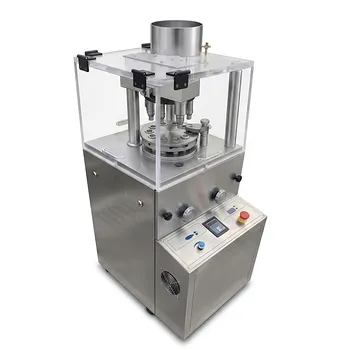
- Enhanced 9 Punch Rotary Tablet Press for Powder Compaction
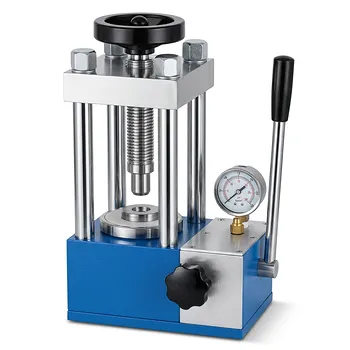
- Manual Tablet Press with Dual Scale Pressure Gauge for Pharmaceutical Food Chemical Laboratory Sample Preparation
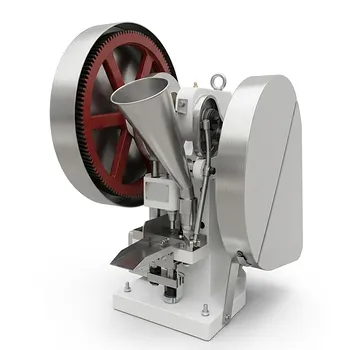
- 6-Ton Small Single-Punch Tablet Press — Laboratory Powder & Granule Tableting Equipment / Tablet Forming Machine
- Small High-Speed Laboratory Grinder for Powder Processing
- 6 Ton Variable Frequency Single Punch Tablet Press
People Also Ask
- What is the purpose of adding lubricants like zinc stearate during Al-Al2O3 powder pressing? Achieve Superior Density
- Why is a laboratory hydraulic press required for FT-IR KBr pellets? Achieve Precise Sample Clarity for ZrC–SiC Analysis
- What role does a high-strength stainless steel mold kit play in the uniaxial die compaction process? Ensuring Precision
- Why is a laboratory hydraulic press required to compress oyster shell powder before XRF analysis? Improve Data Accuracy.
- Why is vacuum sealing and flexible packaging necessary for Aluminum Titanate powders during CIP? Ensure Peak Density

Tech Team · PowderPreparation
Last updated on May 14, 2026
Related Products
Enhanced 9 Punch Rotary Tablet Press for Powder Compaction
Manual Tablet Press with Dual Scale Pressure Gauge for Pharmaceutical Food Chemical Laboratory Sample Preparation
6-Ton Small Single-Punch Tablet Press — Laboratory Powder & Granule Tableting Equipment / Tablet Forming Machine
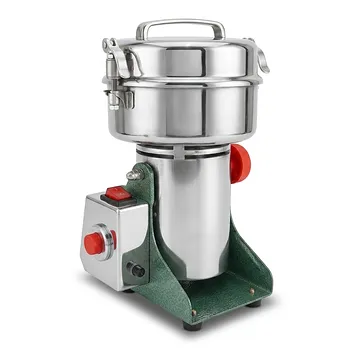
Small High-Speed Laboratory Grinder for Powder Processing
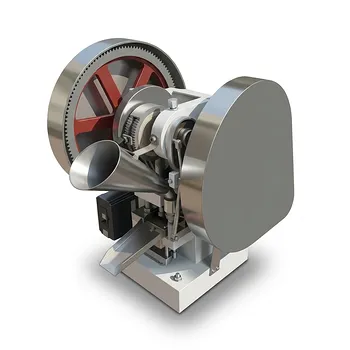
6 Ton Variable Frequency Single Punch Tablet Press
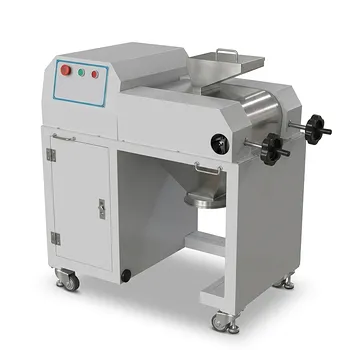
Laboratory Double Roller Crusher for Mining Construction Chemical Sample Preparation
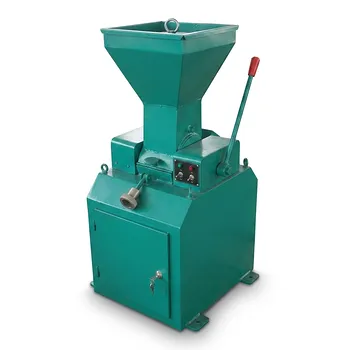
Laboratory Sealed Hammer Crusher for Coal and Mineral Sample Preparation
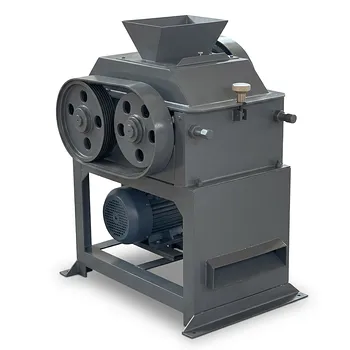
Sealed Laboratory Double Roll Crusher for Coal, Mineral, Ore Sample Preparation
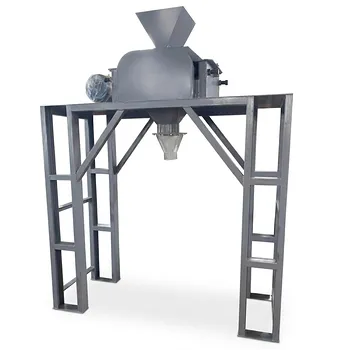
Heightened Customized Laboratory Double Roll Crusher for Coal Ore Rock Crushing
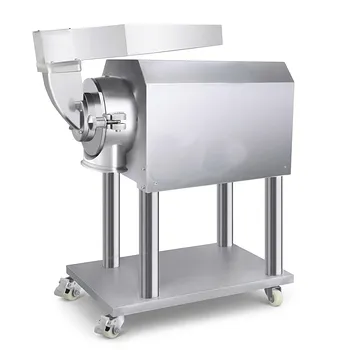
High Speed Small Laboratory Crusher for Dry Material Sample Preparation
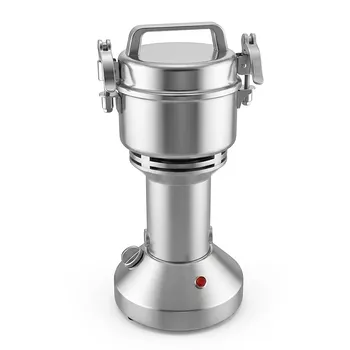
Small High Speed Upright Grinder for Laboratory Sample Preparation
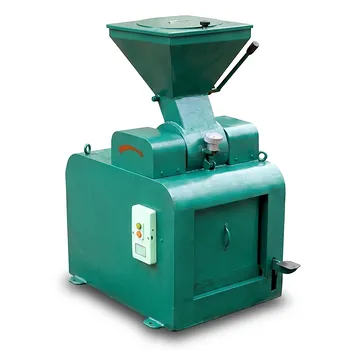
Laboratory Sealed Hammer Crushers for Coal Sample Preparation and Medium Strength Material Crushing
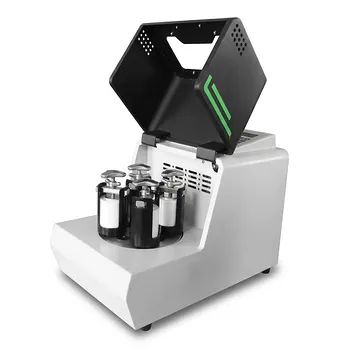
Miniature Planetary Ball Mill with Vacuum Grinding and High Efficiency for Laboratory Sample Preparation
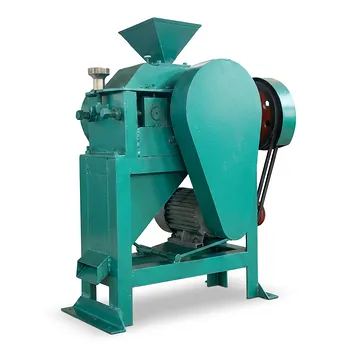
Laboratory Sealed Double Roll Crusher for Coal Ore Rock and Medium Hardness Materials Sample Preparation
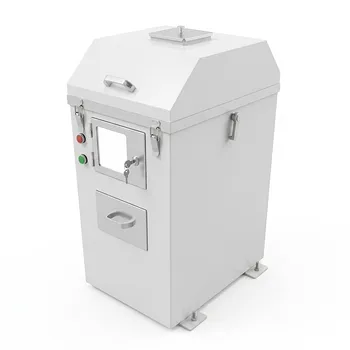
Sealed Double Roll Crusher for Laboratory Sample Preparation of Medium Hardness Materials
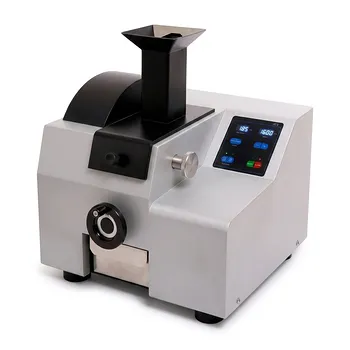
Laboratory Benchtop Jaw Crusher for Hard Brittle Materials Primary Size Reduction and Sample Preparation
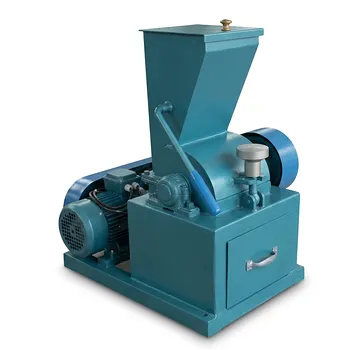
Small Hammer Crusher for Brittle Material Crushing in Mining Metallurgy and Lab Sample Preparation
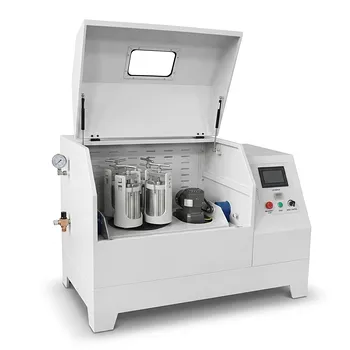
Vertical Production Planetary Ball Mill for High Throughput Powder Processing
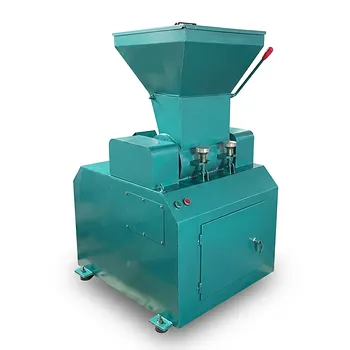
Sealed Hammer Crusher for Laboratory Coal Sample Preparation Adjustable Output Size