Why is a laboratory hydraulic press required for forming MgO-C refractory green bodies? Optimize Density & Strength
Updated 4 months ago
The laboratory hydraulic press is the fundamental tool for achieving structural density in MgO-C refractories. By applying high static pressure—typically up to 100 MPa—the press forces fused magnesia particles, flake graphite, and phenolic resin binders into a tight, cohesive arrangement. This mechanical compaction is the only way to effectively reduce porosity and ensure the mechanical interlocking required for a high-performance final product.
A laboratory hydraulic press is required because it provides the extreme, uniform force necessary to overcome inter-particle friction and eliminate voids. This process transforms loose raw materials into a dense "green body" with the structural integrity needed to survive subsequent thermal processing.
The Mechanics of Particle Compaction
Overcoming Inter-Particle Friction
Raw MgO-C mixtures consist of angular fused magnesia and lubricating but bulky flake graphite. A hydraulic press applies the necessary axial force to overcome friction between these particles, allowing them to slide and rearrange into the most efficient packing configuration.
Maximizing Packing Density
High static pressure ensures that fine particles fill the interstices between larger magnesia grains. This reduction in the distance between particles is critical for achieving a high green density, which directly correlates to the final density of the sintered refractory.
Enhancing Mechanical Interlocking
Under pressures of 100 MPa, the particles do not just sit next to each other; they undergo slight deformation and interlocking. This mechanical bond, assisted by the resin binder, gives the green body enough strength to be handled and machined before it is fired.
Eliminating Structural Defects
Removal of Trapped Air
Loose powder mixtures contain significant amounts of air that can create large pores or "pockets" in the refractory. The hydraulic press systematically expels air from the mold, preventing macroscopic defects that would otherwise lead to premature failure under thermal stress.
Minimizing Internal Micro-cracks
Uniform pressure distribution from the press ensures that the internal stresses within the green body are balanced. This uniformity is essential to prevent the formation of micro-cracks during the drying and sintering stages, which can significantly lower the Cold Crushing Strength (CCS).
Improving Dimensional Stability
By compacting the mixture to its maximum practical density, the press reduces the amount of shrinkage that occurs during sintering. This results in bricks and components that maintain precise dimensions, reducing the need for expensive post-process grinding.
Understanding the Trade-offs
The Risk of Lamination and Capping
While high pressure is beneficial, applying force too rapidly or exceeding the material's limits can trap air in layers, leading to lamination or "capping." This occurs when the elastic recovery of the material upon pressure release causes the green body to split into horizontal layers.
Mold Wear and Maintenance
The high pressures required for MgO-C formation put immense stress on precision steel molds. Abrasive magnesia particles can score the mold walls under 100 MPa of pressure, necessitating the use of hardened materials and regular maintenance to ensure consistent part dimensions.
Making the Right Choice for Your Goal
How to Apply This to Your Project
To achieve the best results with MgO-C green bodies, your pressing strategy should align with your specific performance requirements:
- If your primary focus is maximum corrosion resistance: Use the highest recommended pressure (near 100 MPa) to minimize porosity, as lower porosity prevents molten slag from penetrating the refractory.
- If your primary focus is preventing structural cracks: Implement a "dwell time" at peak pressure and a slow decompression cycle to allow trapped air to escape and reduce elastic rebound.
- If your primary focus is high mechanical strength (CCS): Ensure the phenolic resin binder is uniformly distributed before pressing to facilitate better particle bonding during compaction.
The laboratory hydraulic press is not merely a shaping tool, but a critical instrument for defining the ultimate physical and thermal capabilities of the refractory.
Summary Table:
| Feature | Impact on MgO-C Refractories | Key Metric/Requirement |
|---|---|---|
| Compaction Force | Maximizes particle packing & reduces porosity | ~100 MPa Static Pressure |
| Air Removal | Prevents internal pockets and macroscopic defects | Systematic Axial Expulsion |
| Mechanical Interlocking | Increases green strength for handling & machining | Overcoming Inter-particle Friction |
| Stress Distribution | Minimizes micro-cracks & ensures uniform density | Controlled Decompression |
| Dimensional Control | Reduces shrinkage during the sintering stage | Precision Hardened Steel Molds |
Elevate Your Materials Research with Precision Engineering
At KINTEK SOLUTION, we understand that the integrity of your MgO-C refractories depends on the precision of your compaction process. We provide complete laboratory sample preparation solutions tailored for material science, specializing in high-performance powder processing and compaction equipment.
Our extensive range includes:
- Advanced Hydraulic Presses: From standard lab presses and XRF pellet presses to sophisticated Cold/Warm Isostatic Presses (CIP/WIP), Hot Presses, and Vacuum Hot Presses.
- Powder Processing: High-efficiency crushers (jaw/roll), liquid nitrogen cryogenic grinders, and various mills (planetary ball, jet, disc, rotor).
- Sieving & Mixing: Vibratory/air-jet sieve shakers and high-precision powder/defoaming mixers.
Whether you are aiming for maximum corrosion resistance or superior mechanical strength, our equipment ensures consistent, high-density results for your most demanding applications. Contact us today to find the perfect pressing solution for your laboratory!
References
- Tuba Bahtlı, Serife Yalcin Yasti. The Effect of Carbon Sources on the Thermal Shock Properties of MgO-C Refractories. DOI: 10.13189/ujms.2018.060501
Mentioned Products
- Heating Temperature Controlled High Energy Vibratory Ball Mill
- Small Swing Granulator Efficient Powder Granulation for Pharmaceutical Chemical Food Industries
- Vertical Production Planetary Ball Mill for High Throughput Powder Processing
- 6 Ton Variable Frequency Single Punch Tablet Press
- 5 Ton Single Punch Tablet Press Laboratory Small Batch Production
People Also Ask
- How does a high-energy vibratory ball mill improve the performance of MgH2? Optimize Hydrogen Storage Kinetics
- What is the primary purpose of using a vibratory ball mill in the preparation of respirable carbon fiber fragments?
- What is the purpose of using a vibratory ball mill for Al-Ni-Fe alloy ribbons? Achieve High Catalytic Activity
- Why is a vibratory ball mill preferred over a planetary ball mill for rapid powder particle refinement? High-Speed Impact
- What is the purpose of adding alcohol as a PCA during titanium ball milling? Prevent Cold Welding & Enhance Refinement

Tech Team · PowderPreparation
Last updated on May 14, 2026
Related Products
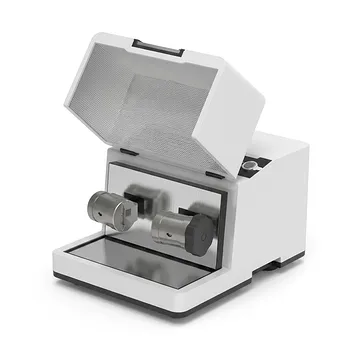
Heating Temperature Controlled High Energy Vibratory Ball Mill
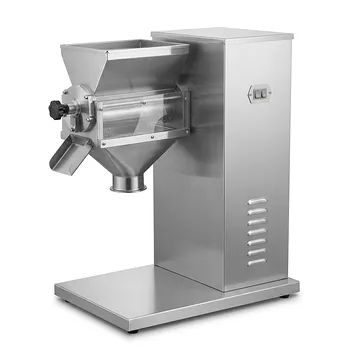
Small Swing Granulator Efficient Powder Granulation for Pharmaceutical Chemical Food Industries

Vertical Production Planetary Ball Mill for High Throughput Powder Processing
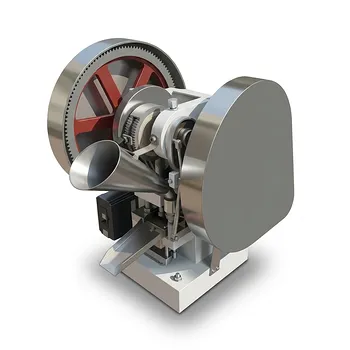
6 Ton Variable Frequency Single Punch Tablet Press
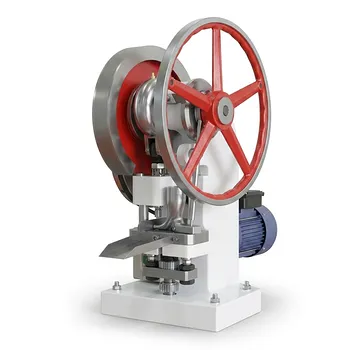
5 Ton Single Punch Tablet Press Laboratory Small Batch Production
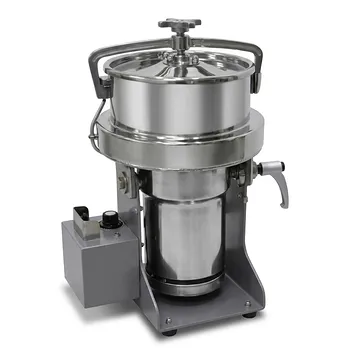
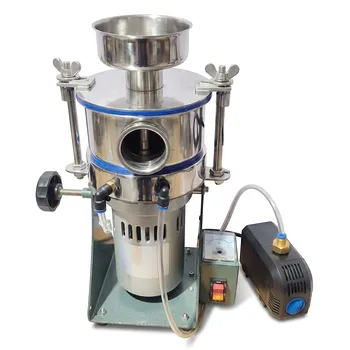
500g Capacity Water Cooled Low Temperature Grinder with Variable Speed and Safety Cover
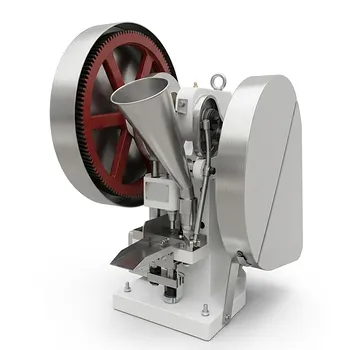
6-Ton Small Single-Punch Tablet Press — Laboratory Powder & Granule Tableting Equipment / Tablet Forming Machine
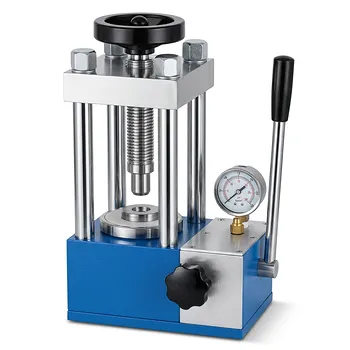
Manual Tablet Press with Dual Scale Pressure Gauge for Pharmaceutical Food Chemical Laboratory Sample Preparation
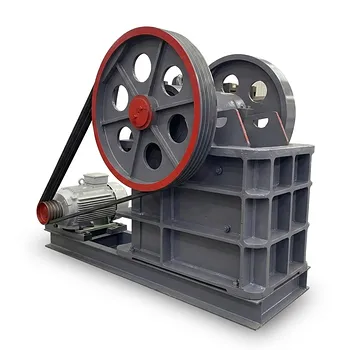
250x400mm Jaw Crusher Medium Crushing Equipment for Mining Mineral Sample Preparation
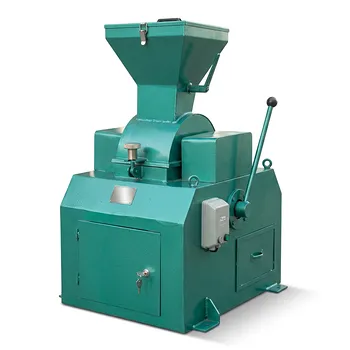
Laboratory Sealed Hammer Blade Crusher Divider for High Hardness Sample Preparation
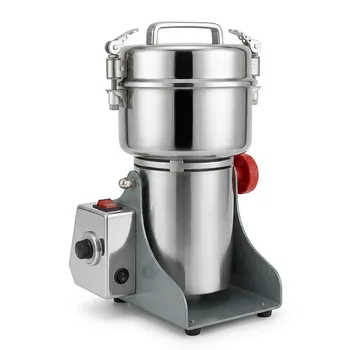
Versatile Industrial Crusher for Laboratory Crushing and Material Processing
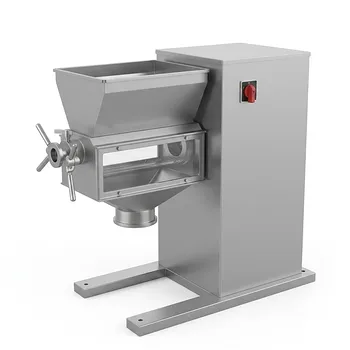
Industrial Swing Granulator for Powder Processing in Pharma Food and Chemical Industries
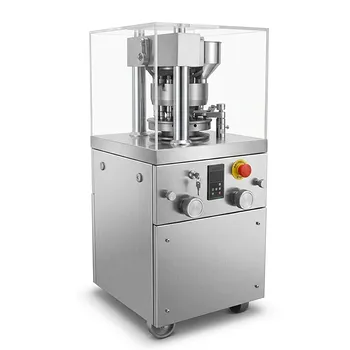
Ordinary Type Rotary Tablet Press for Pharmaceutical Chemical Food Electronic Industries
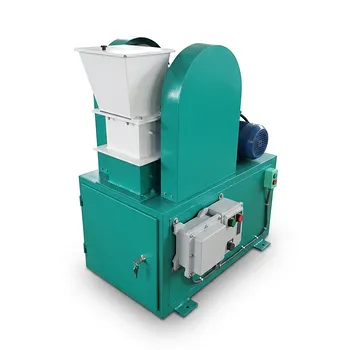
Custom Explosion-Proof Sealed Jaw Crusher for Laboratory and Industrial Sample Preparation
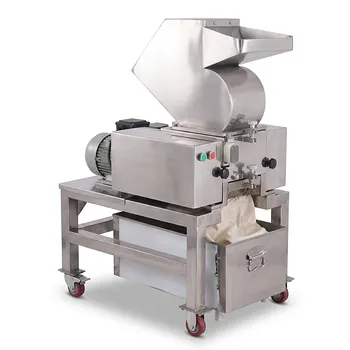
Stainless Steel Coarse Crusher for Pharmaceutical Food and Plastic Material Processing
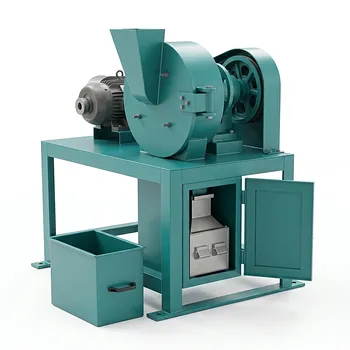
Sealed Disc Pulverizer Customized Model
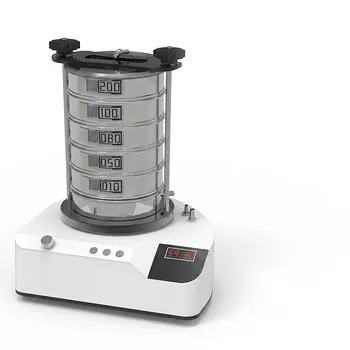
Heavy Duty Dry Three Dimensional Vibratory Sieve Shaker for Particle Separation
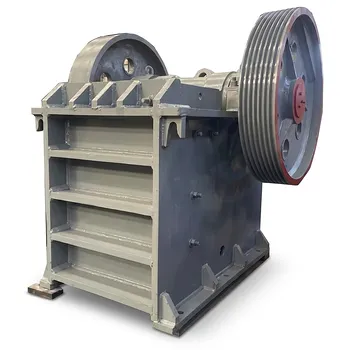
Heavy-Duty Jaw Crusher for Medium-Hard Ore and Industrial Mineral Crushing

Low Temperature Laboratory Knife Mill Cryogenic Sample Grinder Material Science Powder Processing