Why is a laboratory hydraulic press necessary during the green body preparation stage of composite materials? - Key Role
Updated 5 months ago
A laboratory hydraulic press is the fundamental tool for transforming loose powder mixtures into a cohesive, structural unit known as a green body. It provides the controlled axial force necessary to compress matrix and reinforcement materials into specific geometric shapes with high target densities. By establishing intimate contact between particles at the microscopic level, the press creates the physical foundation required for successful high-temperature sintering and final material densification.
Core Takeaway: The laboratory hydraulic press acts as the critical bridge between raw powders and a viable solid, establishing the initial density, particle arrangement, and structural integrity that dictate the final mechanical properties and dimensional accuracy of the composite.
Establishing Structural Integrity and Shape
Precision Geometric Definition
The hydraulic press, when used in conjunction with high-strength steel molds, forces loose powders to conform to precise dimensions and shapes. This step is vital because it defines the initial geometry—such as cylinders or rectangular bars—that the final composite will retain after processing.
Particle Rearrangement and Initial Bonding
As axial pressure is applied, powder particles undergo a process of mechanical rearrangement and plastic deformation. This movement allows particles to pack more tightly and bond via Van der Waals forces, giving the green body enough "handling strength" to be moved without crumbling.
Mechanical Interlocking of Phases
In composite materials, the press ensures that reinforcement phases, such as whiskers or particles, are tightly embedded within the matrix. This creates a stable mechanical interlock that is essential for the structural integrity of the material before it ever reaches the furnace.
Optimizing Microstructure for Sintering
Elimination of Internal Voids
By applying high-pressure environments (often reaching specific levels like 10 kN or 120 bar), the press effectively expels trapped air and minimizes internal pores. Reducing this initial porosity is the primary way to prevent macroscopic defects and structural failure in the finished product.
Mitigating Density Gradients
Precise control over the pressing force ensures a consistent distribution of pressure throughout the powder compact. This uniformity is critical; without it, density gradients can cause the material to warp, shrink unevenly, or develop micro-cracks during high-temperature sintering.
Foundation for Solid-Phase Reactions
Close physical contact between particles is a prerequisite for solid-phase reactions and grain growth. By maximizing the number of particle contact points, the hydraulic press enables the chemical and physical bonds that occur during the final stages of material production.
Understanding the Trade-offs and Pitfalls
Pressure Sensitivity and Over-Compaction
While high density is generally desirable, excessive pressure can lead to "capping" or laminations, where the green body cracks upon being released from the mold. Finding the specific pressure threshold for a given material mixture is a delicate balance that requires high-precision equipment.
The Impact of Friction and Wall Effects
Friction between the powder and the mold walls can lead to uneven density distribution, particularly in tall or complex shapes. This often results in a green body that is denser at the top than at the bottom, which can lead to severe deformation during the sintering process.
Equipment Calibration Requirements
A hydraulic press is only as effective as its calibration and dwell time control. Inconsistent pressure application or failing to hold the pressure long enough for particle relaxation can result in a fragile green body with poor dimensional stability.
How to Apply This to Your Material Preparation
Strategy Based on Project Goals
- If your primary focus is Dimensional Accuracy: Prioritize a press with high-precision dwell time and pressure control to minimize shrinkage variations during sintering.
- If your primary focus is High Mechanical Strength: Focus on maximizing green density by optimizing the particle size distribution of your powders before applying high axial pressure.
- If your primary focus is Complex Reinforcement Phases: Ensure the hydraulic press provides stable, adjustable pressure to prevent the crushing or misalignment of whiskers and fibers within the matrix.
Properly executed hydraulic pressing is the most effective way to ensure the structural reliability and performance of advanced composite materials.
Summary Table:
| Key Feature | Impact on Green Body Preparation | Long-term Material Benefit |
|---|---|---|
| Controlled Axial Force | Transforms loose powder into a cohesive solid unit | Ensures consistent mechanical properties |
| High-Pressure Compaction | Eliminates internal voids and trapped air | Prevents macroscopic defects and failure |
| Precision Geometry | Forces powder to conform to exact mold dimensions | Guarantees final dimensional accuracy |
| Phase Interlocking | Secures reinforcement phases within the matrix | Enhances structural integrity before sintering |
| Uniform Pressure | Mitigates density gradients and internal stress | Prevents warping and cracking during heat treatment |
Elevate Your Material Research with Precision Compaction Solutions
Achieving the perfect green body is the foundation of high-performance composite materials. At [Company Name], we provide complete laboratory sample preparation solutions tailored for material science. We specialize in high-precision powder processing and compaction equipment designed to meet the most rigorous research standards.
Our extensive product line includes:
- Powder Processing: Crushers (jaw/roll), liquid nitrogen cryogenic grinders, and advanced mills (planetary ball, jet, sand/bead, disc, rotor).
- Sieving & Mixing: Sieve shakers (vibratory/air-jet), powder mixers, and defoaming mixers.
- Hydraulic Press Spectrum: A full range of equipment including Cold/Warm Isostatic Presses (CIP/WIP), standard lab presses, XRF pellet presses, hot presses, and vacuum hot presses.
Whether you are focusing on dimensional accuracy or maximizing mechanical strength, our experts are here to help you select the right tools for your specific application. Contact us today to optimize your lab workflow!
References
- Xiaohui Du, F. Liu. Microstructure and mechanical properties of graphene-reinforced aluminum-matrix composites. DOI: 10.17222/mit.2018.021
Mentioned Products
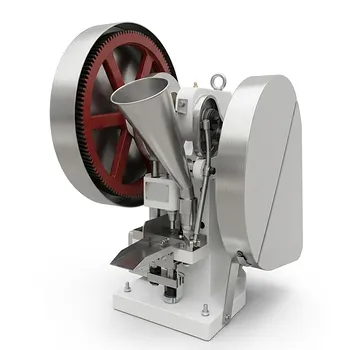
- 6-Ton Small Single-Punch Tablet Press — Laboratory Powder & Granule Tableting Equipment / Tablet Forming Machine
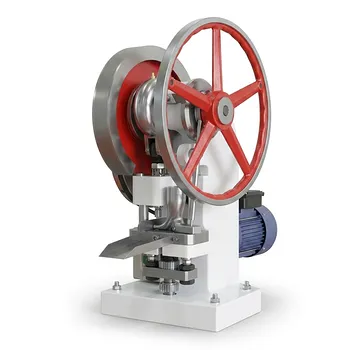
- 5 Ton Single Punch Tablet Press Laboratory Small Batch Production
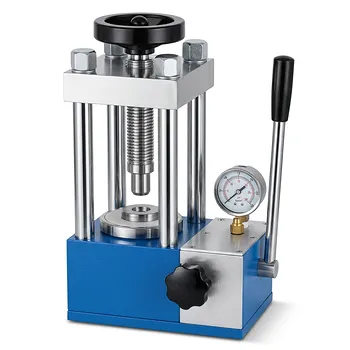
- Manual Tablet Press with Dual Scale Pressure Gauge for Pharmaceutical Food Chemical Laboratory Sample Preparation
- 6 Ton Variable Frequency Single Punch Tablet Press
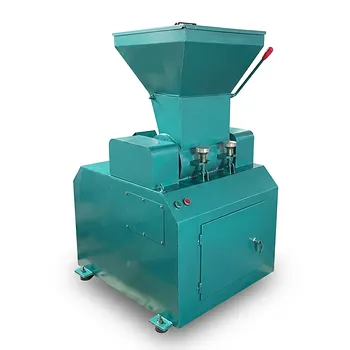
- High Speed Small Laboratory Crusher for Dry Material Sample Preparation
People Also Ask
- What is the function of a laboratory press in Cr-Ti alloy evaluation? Quantify Fracture Stress & Strength
- What is the function of a laboratory press in assessing the hydrophobic performance of modified vermiculite fillers?
- What is the core function of a laboratory press in the forming of ceramic filter element green bodies? Maximize Density.
- What is the function of a laboratory press in the preparation of ceramic feed rods? Master Density and Precision
- Why is vacuum sealing and flexible packaging necessary for Aluminum Titanate powders during CIP? Ensure Peak Density

Tech Team · PowderPreparation
Last updated on May 14, 2026
Related Products
6-Ton Small Single-Punch Tablet Press — Laboratory Powder & Granule Tableting Equipment / Tablet Forming Machine
5 Ton Single Punch Tablet Press Laboratory Small Batch Production
Manual Tablet Press with Dual Scale Pressure Gauge for Pharmaceutical Food Chemical Laboratory Sample Preparation
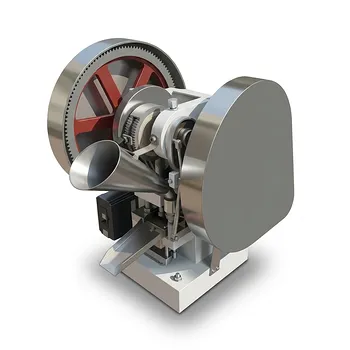
6 Ton Variable Frequency Single Punch Tablet Press
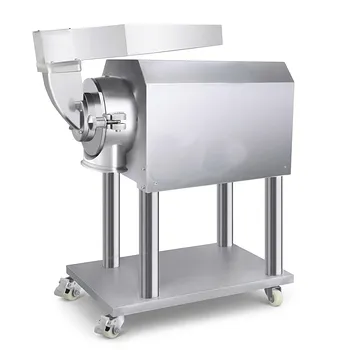
High Speed Small Laboratory Crusher for Dry Material Sample Preparation
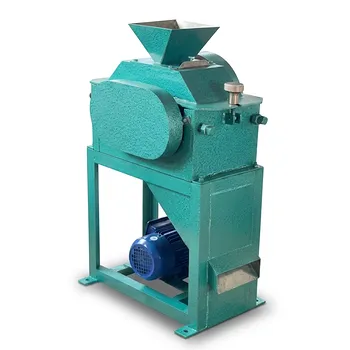
Laboratory Double Roll Crusher for Medium Hardness Materials Coal Ore Sample Preparation
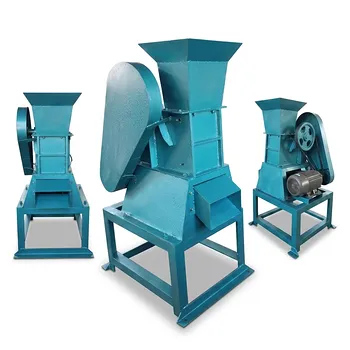
Custom Raised Height Laboratory Jaw Crusher for Precision Sample Preparation in Material Science
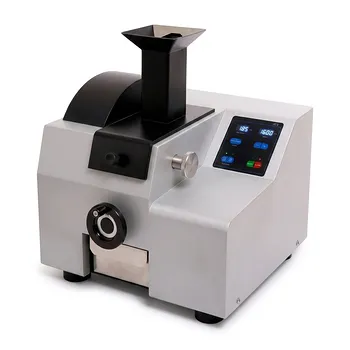
Laboratory Benchtop Jaw Crusher for Hard Brittle Materials Primary Size Reduction and Sample Preparation
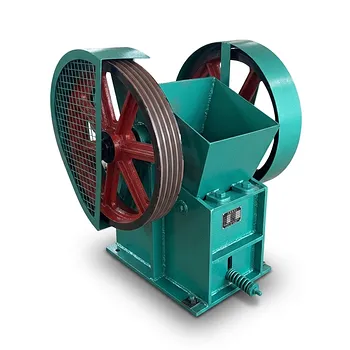
150x250mm Laboratory Jaw Crusher for Medium Hard Material Crushing and Sample Preparation
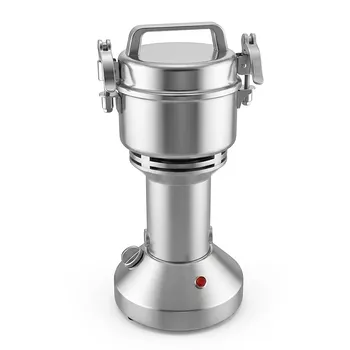
Small High Speed Upright Grinder for Laboratory Sample Preparation
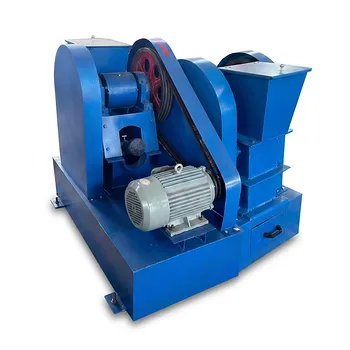
Horizontal Jaw Crusher Medium Hard Material Crushing Laboratory Sample Preparation Equipment
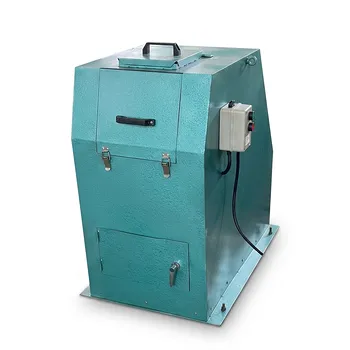
Environmentally Friendly Sealed Laboratory Jaw Crusher for Sample Preparation
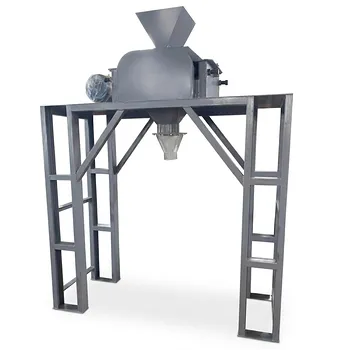
Heightened Customized Laboratory Double Roll Crusher for Coal Ore Rock Crushing
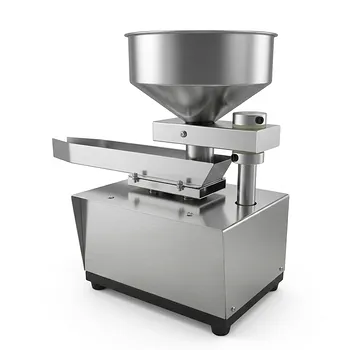
Automatic Vibrating Powder Feeder for Laboratory Material Processing Precision Vibratory Hopper Feeder for Granular and Powder Material Handling Industrial Grade Vibrating Tray Feeder for Consistent Material Sample Preparation
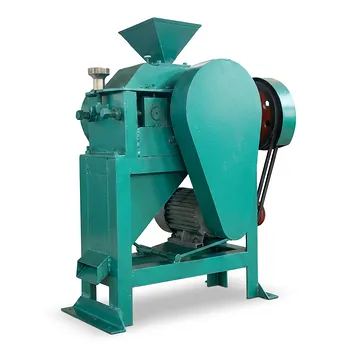
Laboratory Sealed Double Roll Crusher for Coal Ore Rock and Medium Hardness Materials Sample Preparation
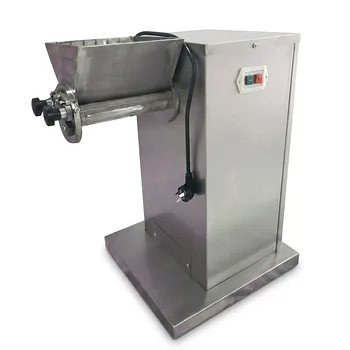
Small Laboratory Oscillating Granulator for Wet and Dry Granulation Processing
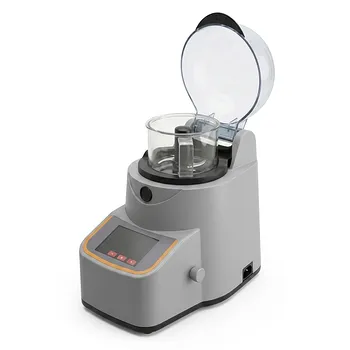
Industrial Knife Mill for Food and Biological Sample Preparation High Speed Laboratory Homogenizer
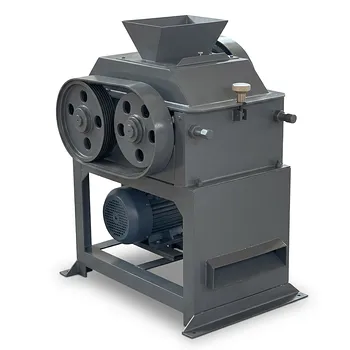
Sealed Laboratory Double Roll Crusher for Coal, Mineral, Ore Sample Preparation
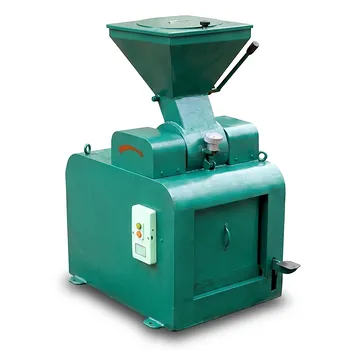
Laboratory Sealed Hammer Crushers for Coal Sample Preparation and Medium Strength Material Crushing