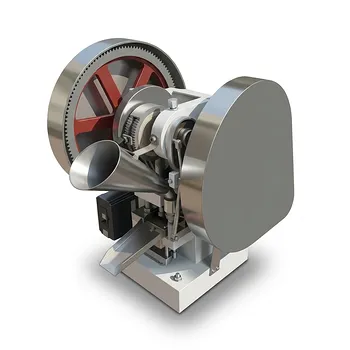
Why is a laboratory hydraulic press indispensable for XRF? Enhance Accuracy & Consistency in Mine Material Prep.
Updated 5 months ago
A laboratory hydraulic press is the critical link between raw mine filling samples and high-precision XRF data. By transforming loose powder into a structurally dense, flat pellet, the press eliminates X-ray scattering caused by internal pores and surface irregularities. This standardized molding process is the technical prerequisite for obtaining accurate quantitative measurements of heavy metals and trace elements.
A laboratory hydraulic press ensures physical and geometric consistency by compressing powders into dense pellets, effectively eliminating "matrix effects" and air voids. Without this preparation, X-ray fluorescence results are compromised by variable porosity and grain-size effects, rendering the data unreliable for quantitative analysis.
The Physics of Optimal X-ray Interaction
Eliminating Surface Scattering
The hydraulic press applies high axial pressure to create a perfectly flat and smooth surface. This flatness is essential because surface roughness causes X-rays to scatter unpredictably, leading to significant errors in intensity readings.
Ensuring Geometric Consistency
Consistent sample geometry ensures a fixed distance between the sample and the X-ray excitation source. By using specialized pellet dies, the press produces pellets with uniform dimensions, which is critical for the reproducibility of elemental data.
Enhancing Signal-to-Noise Ratio
A compact, dense pellet provides a higher concentration of material for the X-ray beam to strike. This results in a stronger characteristic fluorescence signal and a higher signal-to-noise ratio, which is vital for detecting trace elements like Chromium (Cr) and Lead (Pb).
Overcoming Internal Material Barriers
Reducing Porosity and Voids
Loose mine filling powders contain significant air gaps that absorb X-rays and dilute the signal. The high-pressure molding process (often reaching 200 kN) eliminates these pores, ensuring that the X-ray beam interacts only with the material of interest.
Mitigating the "Grain-Size Effect"
Variations in particle size can lead to uneven X-ray absorption and excitation. The hydraulic press compresses these particles into a homogeneous matrix, reducing the influence of grain-size distribution on the final spectral analysis.
Standardizing Internal Density
For accurate Energy Dispersive X-ray Fluorescence (ED-XRF), the internal density of the sample must be uniform. The uniaxial pressure of a hydraulic press ensures a consistent internal structure, which prevents "matrix effects" where one element interferes with the detection of another.
Understanding the Trade-offs
The Necessity of Binders
Some mine filling materials do not adhere well under pressure and require the addition of a chemical binder like wax or cellulose. While binders facilitate pellet formation, they can dilute the sample and must be accounted for in the final quantitative calculations to avoid dilution bias.
Risk of Pressure-Induced Errors
Applying too much pressure can cause some materials to undergo phase changes or result in pellet lamination (cracking into layers). Conversely, insufficient pressure leaves the pellet fragile and prone to shedding dust, which can contaminate the XRF instrument's sensitive optics.
Surface Contamination from Dies
The polished faces of the pellet dies must be kept meticulously clean. Any residual material from previous samples or wear from the die itself can lead to cross-contamination, potentially skewing results for trace metal analysis.
Making the Right Choice for Your Goal
How to Apply This to Your Project
- If your primary focus is heavy metal detection (Pb, Cr): Use high axial pressure to ensure maximum pellet density, as this minimizes the detection limits for trace elements.
- If your primary focus is high-throughput routine testing: Opt for an automated hydraulic press to ensure every pellet is pressed with identical force and dwell time, maximizing reproducibility.
- If your primary focus is analyzing fine-grained sediments or metakaolin: Ensure the powder is ground to less than 75 micrometers before pressing to eliminate grain-size effects and achieve a mirror-like surface.
Standardizing sample preparation via hydraulic pressing is the only way to transform raw mine waste into a scientifically valid analytical specimen.
Summary Table:
| Feature | Impact on XRF Analysis Results |
|---|---|
| High Axial Pressure | Eliminates air voids and internal pores for higher density |
| Polished Pellet Dies | Creates a flat, smooth surface to minimize X-ray scattering |
| Uniform Compression | Ensures geometric consistency and fixed source-to-sample distance |
| Standardized Molding | Mitigates grain-size effects and enhances signal-to-noise ratio |
| Consistent Density | Reduces "matrix effects" for accurate trace element detection |
Optimize Your Material Analysis with Precision Sample Preparation
Achieving scientifically valid XRF data starts with flawless sample preparation. At [Your Brand Name], we provide complete laboratory sample preparation solutions tailored for material science. We specialize in high-performance powder processing and compaction equipment designed to meet the rigorous demands of mining and research facilities.
Our extensive product line includes:
- Size Reduction: Jaw/roll crushers, liquid nitrogen cryogenic grinders, and high-efficiency mills (planetary ball, jet, sand/bead, disc, and rotor).
- Classification & Mixing: Vibratory/air-jet sieve shakers and advanced powder/defoaming mixers.
- Compaction Excellence: A full spectrum of hydraulic presses, including XRF pellet presses, standard lab presses, Cold/Warm Isostatic Presses (CIP/WIP), and vacuum hot presses.
Whether you are detecting trace heavy metals or performing high-throughput routine testing, our equipment ensures your samples are dense, homogeneous, and ready for analysis.
Ready to enhance your lab's efficiency and data precision? Contact our experts today for a customized solution!
References
- Junbeum Lee, Eunhyea Chung. Assessment of Long-Term Leaching Characteristics of Mine Backfill Materials. DOI: 10.7844/kirr.2025.34.5.60
Mentioned Products
- Manual Tablet Press with Dual Scale Pressure Gauge for Pharmaceutical Food Chemical Laboratory Sample Preparation
- Small High-Speed Laboratory Grinder for Rapid Sample Preparation
- Sealed Double Roll Crusher for Laboratory Sample Preparation of Medium Hardness Materials
- High Speed Swing Type Laboratory Pulverizer for Fine Powder Grinding and Sample Preparation
- Small High-Speed Grinder for Efficient Laboratory Sample Preparation
People Also Ask
- What is the function of a laboratory press in Cr-Ti alloy evaluation? Quantify Fracture Stress & Strength
- What is the function of a laboratory press in assessing the hydrophobic performance of modified vermiculite fillers?
- What is the core function of a laboratory press in the forming of ceramic filter element green bodies? Maximize Density.
- What is the function of a laboratory press in the preparation of ceramic feed rods? Master Density and Precision
- Why is vacuum sealing and flexible packaging necessary for Aluminum Titanate powders during CIP? Ensure Peak Density

Tech Team · PowderPreparation
Last updated on May 14, 2026
Related Products
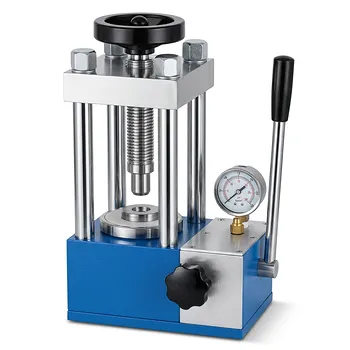
Manual Tablet Press with Dual Scale Pressure Gauge for Pharmaceutical Food Chemical Laboratory Sample Preparation
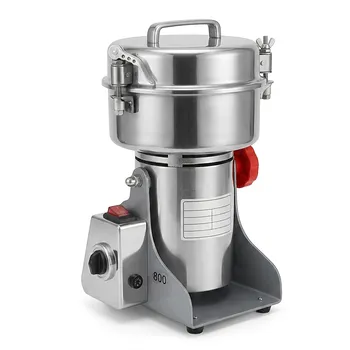
Small High-Speed Laboratory Grinder for Rapid Sample Preparation
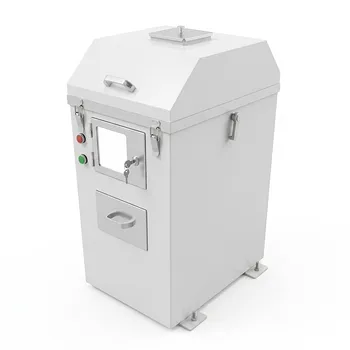
Sealed Double Roll Crusher for Laboratory Sample Preparation of Medium Hardness Materials
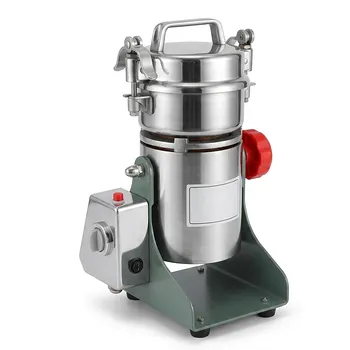
High Speed Swing Type Laboratory Pulverizer for Fine Powder Grinding and Sample Preparation
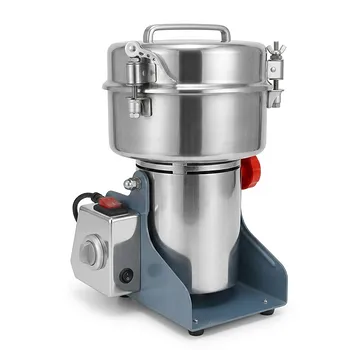
Small High-Speed Grinder for Efficient Laboratory Sample Preparation
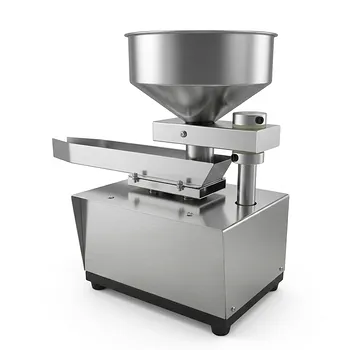
Automatic Vibrating Powder Feeder for Laboratory Material Processing Precision Vibratory Hopper Feeder for Granular and Powder Material Handling Industrial Grade Vibrating Tray Feeder for Consistent Material Sample Preparation
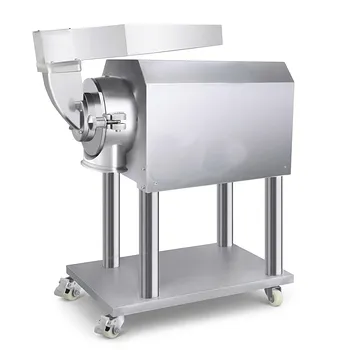
High Speed Small Laboratory Crusher for Dry Material Sample Preparation
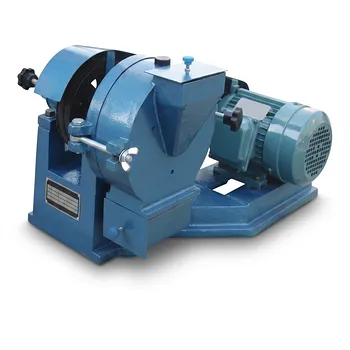
Laboratory Disc Mill for Ore and Mineral Sample Preparation
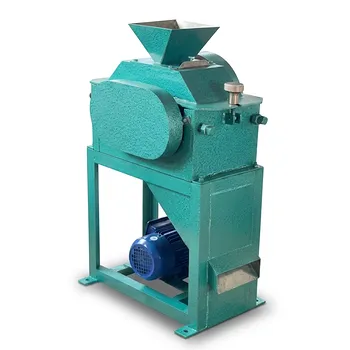
Laboratory Double Roll Crusher for Medium Hardness Materials Coal Ore Sample Preparation
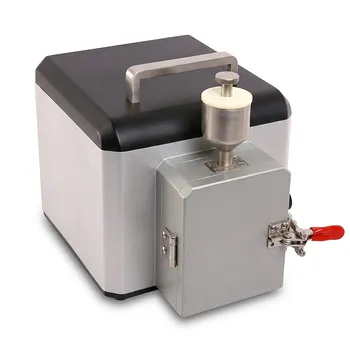
Portable Cutting Mill for Laboratory Sample Preparation and RoHS WEEE Compliance Testing
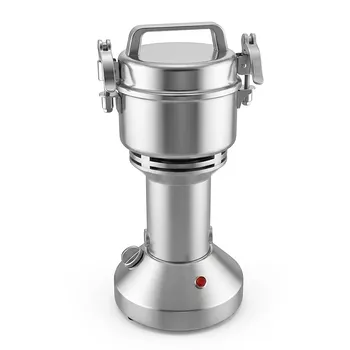
Small High Speed Upright Grinder for Laboratory Sample Preparation
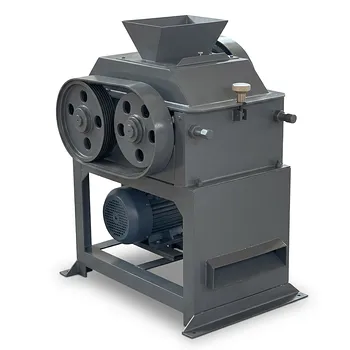
Sealed Laboratory Double Roll Crusher for Coal, Mineral, Ore Sample Preparation
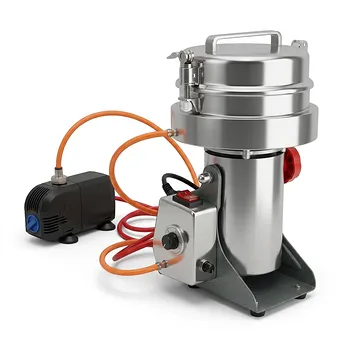
Water Cooled High Speed Grinder with Cryogenic Option for Laboratory Sample Preparation
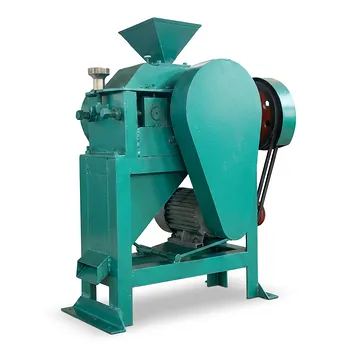
Laboratory Sealed Double Roll Crusher for Coal Ore Rock and Medium Hardness Materials Sample Preparation
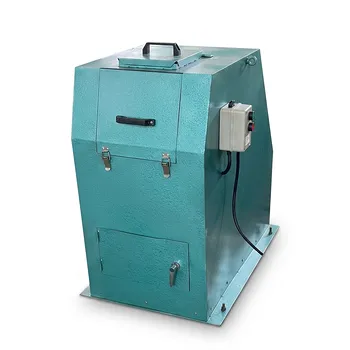
Environmentally Friendly Sealed Laboratory Jaw Crusher for Sample Preparation
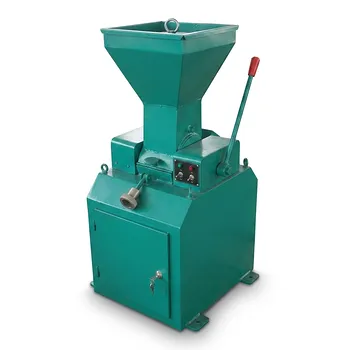
Laboratory Sealed Hammer Crusher for Coal and Mineral Sample Preparation
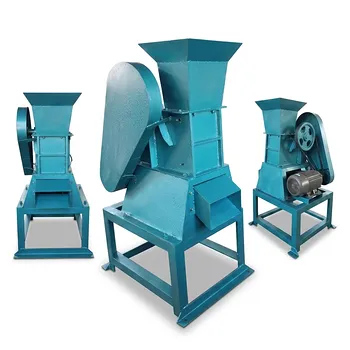
Custom Raised Height Laboratory Jaw Crusher for Precision Sample Preparation in Material Science
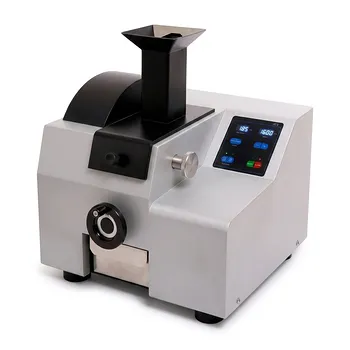
Laboratory Benchtop Jaw Crusher for Hard Brittle Materials Primary Size Reduction and Sample Preparation
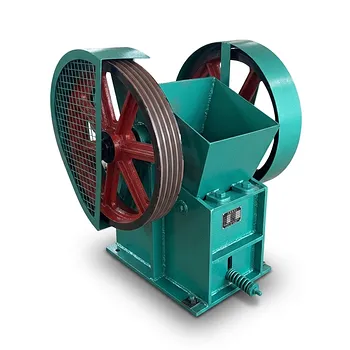
150x250mm Laboratory Jaw Crusher for Medium Hard Material Crushing and Sample Preparation