Why is a laboratory hydraulic press essential for cathode sheets & electrolyte layers? Key to All-Solid-State Batteries
Updated 4 months ago
The laboratory hydraulic press is the primary tool for overcoming the high interfacial resistance inherent in solid-state systems. By applying extreme uniaxial pressure—often ranging from 200 MPa to 500 MPa—this equipment forces loose powder particles to rearrange and undergo plastic deformation. This transformation converts discrete powders into a dense, monolithic structure, establishing the continuous ion and electron transport pathways necessary for battery operation.
A laboratory hydraulic press is essential because it eliminates internal porosity and transforms point-to-point particle contacts into continuous surface interfaces. This high-pressure molding is the only reliable method to achieve the low electrochemical impedance and high volumetric energy density required for all-solid-state batteries.
Achieving Maximum Material Densification
Eliminating Internal Porosity
Solid-state battery components begin as loose powders that contain significant air gaps and internal voids. High-pressure molding forces these particles to pack tightly together, effectively squeezing out the air that would otherwise act as an insulator.
Facilitating Plastic Deformation
Under pressures reaching 400 MPa, powder particles do not just move; they physically deform to fill the spaces around them. This deformation is critical for creating a "monolithic" sheet where the cathode and electrolyte function as a single, integrated unit rather than a collection of loose grains.
Maximizing Volumetric Energy Density
By compressing the electrode coating and electrolyte layer, a hydraulic press increases the amount of active material that can fit into a specific volume. This compaction is vital for reaching the energy density targets that make solid-state technology competitive with liquid-electrolyte batteries.
Engineering Low-Resistance Interfaces
Reducing Interfacial Impedance
The greatest challenge in solid-state batteries is the resistance found at the boundaries between solid particles. Precise pressure control eliminates "point-contact" phenomena, replacing them with broad, stable physical interfaces that allow lithium ions to move freely.
Establishing Continuous Transport Channels
For a battery to function, ions must have an uninterrupted path from the anode to the cathode. The hydraulic press ensures that the solid electrolyte layers and composite electrodes are fused so tightly that ion transport kinetics are significantly improved.
Preventing Layer Delamination
During the lamination of double-layer or triple-layer sheets, the press ensures that the cathode, electrolyte, and current collector are bonded at a molecular level. This structural integrity prevents the layers from peeling apart, or delaminating, during the expansion and contraction of battery cycling.
Understanding the Trade-offs and Pitfalls
Risk of Particle Fracture
Applying excessive pressure can lead to the mechanical fracture of active material particles or solid electrolyte grains. While higher pressure generally improves contact, exceeding a material's compressive strength can create new internal defects and crack paths that hinder performance.
Non-Uniform Pressure Distribution
If the press or the mold is not perfectly aligned, the pressure may be distributed unevenly across the sheet. This results in density gradients, where some areas of the battery are highly conductive while others remain porous, leading to localized "hot spots" and premature failure.
Elastic Recovery (Spring-back)
Some materials exhibit "elastic recovery" after the pressure is released, meaning they slightly expand once removed from the press. This can re-introduce micro-pores or weaken the interfaces established during the pressing phase, necessitating careful optimization of "dwell time" (how long the pressure is held).
How to Apply This to Your Research
Making the Right Choice for Your Goal
- If your primary focus is improving rate performance: Prioritize a press capable of at least 360 MPa to ensure the tightest possible particle contact for fast ion kinetics.
- If your primary focus is long-term cycling stability: Focus on precise pressure maintenance and dwell time to ensure a stable, integrated structure that resists delamination.
- If your primary focus is maximizing energy density: Use a hydraulic press with highly accurate thickness control to achieve the highest possible mass loading per unit volume.
By mastering the high-pressure environment of the laboratory hydraulic press, researchers can effectively bridge the gap between theoretical material potential and high-performance battery hardware.
Summary Table:
| Key Objective | Research Benefit | Recommended Pressure Range |
|---|---|---|
| Material Densification | Eliminates porosity and air gaps; maximizes energy density. | 200 - 500 MPa |
| Interfacial Bonding | Reduces impedance by converting point contacts to surface interfaces. | 360 - 400 MPa |
| Layer Lamination | Prevents delamination and ensures structural integrity during cycling. | Material Dependent |
| Ion Transport | Establishes continuous pathways for lithium-ion kinetics. | High Uniaxial Pressure |
Elevate Your Solid-State Battery Research with Precision Compaction
Achieving the perfect monolithic structure in all-solid-state batteries requires more than just pressure—it requires precision and reliability. We provide complete laboratory sample preparation solutions for material science, specializing in high-performance powder processing and compaction equipment.
Our extensive range is designed to support every stage of your battery material workflow:
- Advanced Pressing: Cold/Warm Isostatic Presses (CIP/WIP), standard lab presses, XRF pellet presses, and vacuum hot presses for perfect cathode and electrolyte layers.
- Powder Processing: Crushers, liquid nitrogen cryogenic grinders, and high-energy mills (planetary ball, jet, and disc mills) for optimal particle size distribution.
- Mixing & Preparation: Powder mixers and defoaming mixers to ensure material homogeneity.
Whether you are optimizing ion kinetics or maximizing volumetric energy density, our technical experts are here to help you select the right equipment to bridge the gap from material potential to high-performance hardware.
Contact our specialists today to find your solution!
References
- Seungwoo Lee, Ungyu Paik. Stabilized Conductive Agent/Sulfide Solid Electrolyte Interface via a Halide Solid Electrolyte Coating for All‐Solid‐State Batteries. DOI: 10.1002/cey2.70051
Mentioned Products
- 6-Ton Small Single-Punch Tablet Press — Laboratory Powder & Granule Tableting Equipment / Tablet Forming Machine
- 5 Ton Single Punch Tablet Press Laboratory Small Batch Production
- Manual Tablet Press with Dual Scale Pressure Gauge for Pharmaceutical Food Chemical Laboratory Sample Preparation
- 6 Ton Variable Frequency Single Punch Tablet Press
- Laboratory Double Roll Crusher for Medium Hardness Materials Coal Ore Sample Preparation
People Also Ask
- What is the function of a laboratory press in Cr-Ti alloy evaluation? Quantify Fracture Stress & Strength
- What is the function of a laboratory press in assessing the hydrophobic performance of modified vermiculite fillers?
- What is the core function of a laboratory press in the forming of ceramic filter element green bodies? Maximize Density.
- What is the function of a laboratory press in the preparation of ceramic feed rods? Master Density and Precision
- Why is vacuum sealing and flexible packaging necessary for Aluminum Titanate powders during CIP? Ensure Peak Density

Tech Team · PowderPreparation
Last updated on Jun 03, 2026
Related Products
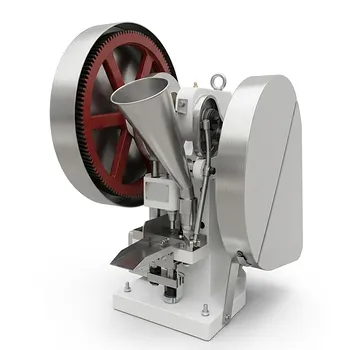
6-Ton Small Single-Punch Tablet Press — Laboratory Powder & Granule Tableting Equipment / Tablet Forming Machine
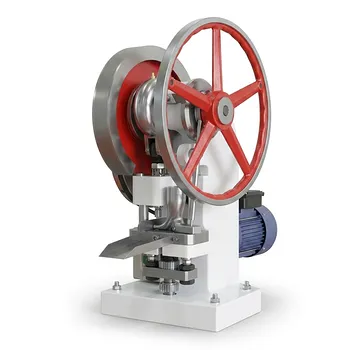
5 Ton Single Punch Tablet Press Laboratory Small Batch Production
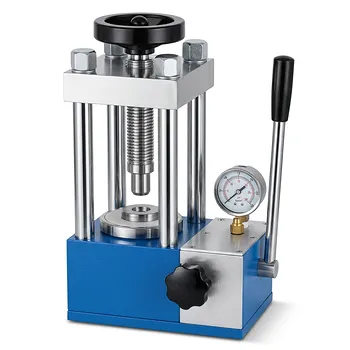
Manual Tablet Press with Dual Scale Pressure Gauge for Pharmaceutical Food Chemical Laboratory Sample Preparation
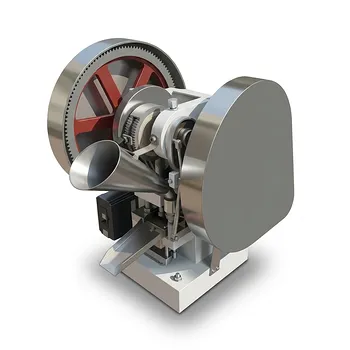
6 Ton Variable Frequency Single Punch Tablet Press
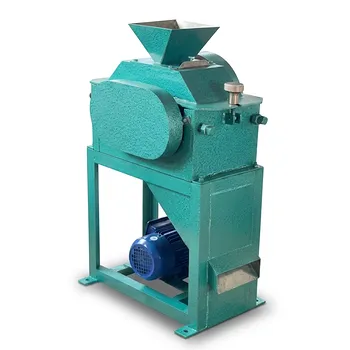
Laboratory Double Roll Crusher for Medium Hardness Materials Coal Ore Sample Preparation
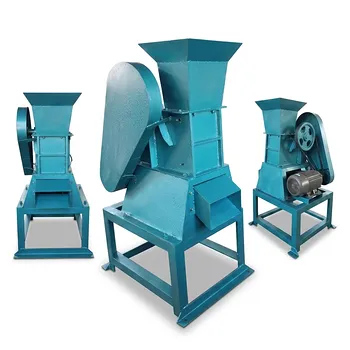
Custom Raised Height Laboratory Jaw Crusher for Precision Sample Preparation in Material Science
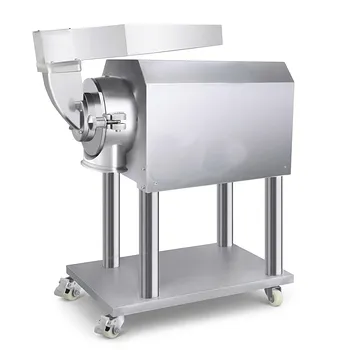
High Speed Small Laboratory Crusher for Dry Material Sample Preparation
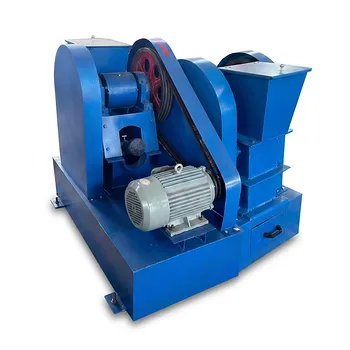
Horizontal Jaw Crusher Medium Hard Material Crushing Laboratory Sample Preparation Equipment
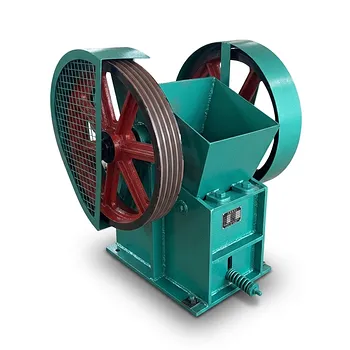
150x250mm Laboratory Jaw Crusher for Medium Hard Material Crushing and Sample Preparation
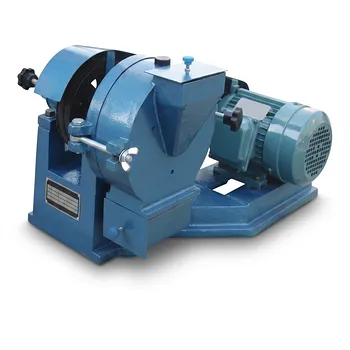
Laboratory Disc Mill for Ore and Mineral Sample Preparation
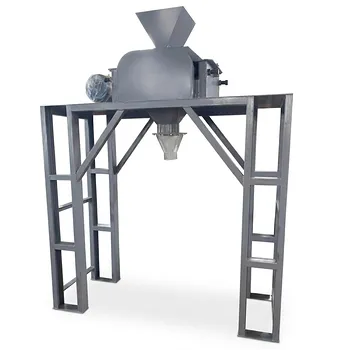
Heightened Customized Laboratory Double Roll Crusher for Coal Ore Rock Crushing

Industrial Knife Mill for Food and Biological Sample Preparation High Speed Laboratory Homogenizer
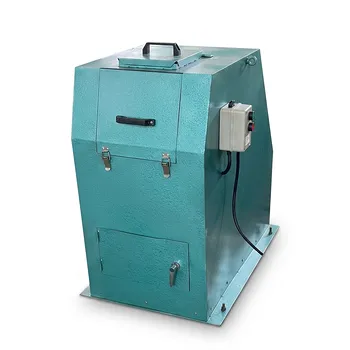
Environmentally Friendly Sealed Laboratory Jaw Crusher for Sample Preparation
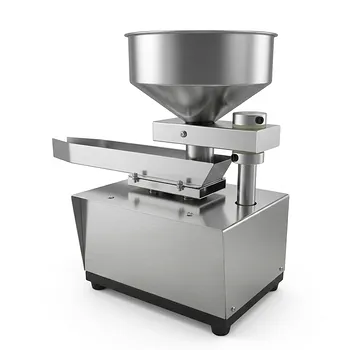
Automatic Vibrating Powder Feeder for Laboratory Material Processing Precision Vibratory Hopper Feeder for Granular and Powder Material Handling Industrial Grade Vibrating Tray Feeder for Consistent Material Sample Preparation
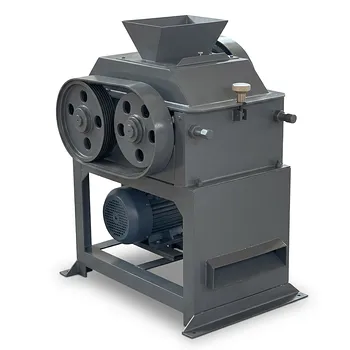
Sealed Laboratory Double Roll Crusher for Coal, Mineral, Ore Sample Preparation
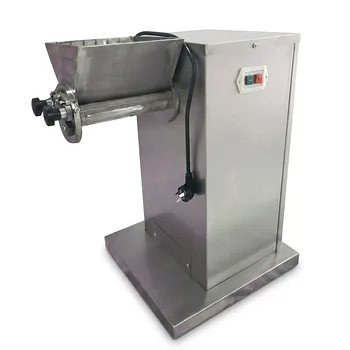
Small Laboratory Oscillating Granulator for Wet and Dry Granulation Processing
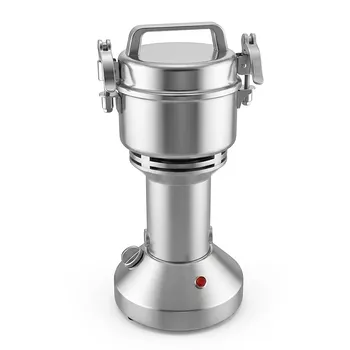
Small High Speed Upright Grinder for Laboratory Sample Preparation
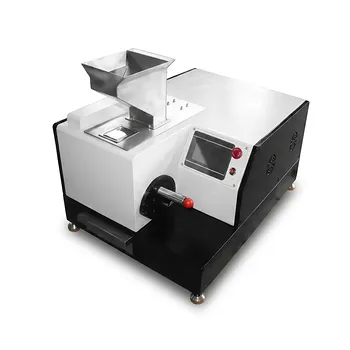
Experimental Jaw Crusher for Laboratory Ore Crushing and Sample Preparation
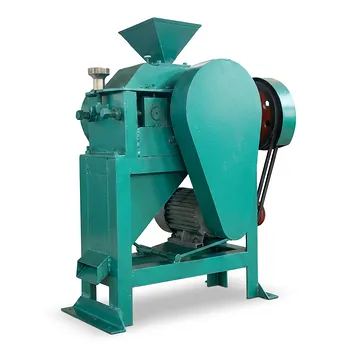
Laboratory Sealed Double Roll Crusher for Coal Ore Rock and Medium Hardness Materials Sample Preparation