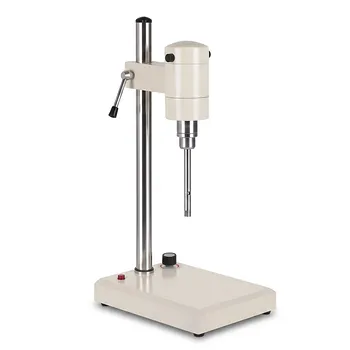
Why is a laboratory centrifugal defoaming mixer required for silicone 3D printing? Achieve flawless, bubble-free ink.
Updated 4 months ago
Silicone 3D printing inks require a laboratory centrifugal defoaming mixer because they possess high viscosity and dense nano-filler loads that trap micro-bubbles, which cannot be removed by gravity alone. These trapped bubbles cause catastrophic extrusion failures, such as filament breakage and "splashing," while creating internal structural voids that compromise the mechanical integrity of the final cured part.
A laboratory centrifugal defoaming mixer is the only technology capable of simultaneously achieving molecular-level homogeneity and absolute degassing in high-viscosity silicone inks. By combining intense centrifugal forces with vacuum technology, it ensures the ink is dense, uniform, and capable of consistent extrusion during the 3D printing process.
The Challenge of High-Viscosity Silicone Formulations
Overcoming Resistance in Silicone Bases
Silicone 3D printing inks are inherently high-viscosity materials designed to maintain their shape immediately after extrusion. This thickness makes it nearly impossible for air bubbles introduced during the loading or mixing stages to rise to the surface naturally.
The Role of Nano-Reinforcing Fillers
Most high-performance silicone inks contain high volumes of nano-fillers, such as hydrophobic fumed silica. These particles significantly increase the ink's internal friction, further anchoring micro-bubbles within the matrix and requiring massive external force to displace them.
Achieving Molecular-Level Homogeneity
Traditional mixing methods often fail to distribute pigments or catalysts evenly at a microscopic scale. A centrifugal mixer utilizes powerful shear forces to ensure that the chemical composition is uniform throughout the entire batch, which is critical for consistent curing.
The Critical Impact of Degassing on 3D Printing
Ensuring Continuous Extrusion
During the 3D printing process, even a single micro-bubble can cause a flow interruption or "splashing" at the nozzle. This leads to missing layers or inconsistent line widths, often resulting in a total print failure.
Eliminating Internal Structural Voids
Bubbles that survive the extrusion process become permanent internal voids once the silicone is cured. These defects act as stress concentrators, drastically reducing the mechanical reliability and density of the finished component.
Maintaining Precise Compositional Gradients
For advanced applications requiring functional gradients, the ink must be perfectly de-aired to ensure precise volumetric flow. Without degassing, the ratio of components being extruded can fluctuate, ruining the intended material properties.
Mechanics of the Centrifugal Defoaming Mixer
The Synergy of Revolution and Rotation
Planetary centrifugal mixers operate through simultaneous rotation and revolution. This dual-axis motion generates a continuous "rolling" flow and high shear forces that mix the material thoroughly without the use of invasive mixing blades.
Centrifugal Force as a Degassing Driver
The high-speed rotation generates a strong centrifugal field that forces the heavy silicone material toward the bottom of the container. This displacement drives the lighter air bubbles to the surface, where they rupture and disappear.
Vacuum Integration for Micro-Bubble Removal
When combined with a high-vacuum environment, the mixer can eliminate even the smallest micro-bubbles that are invisible to the naked eye. The vacuum lowers the atmospheric pressure, causing bubbles to expand and exit the viscous fluid more rapidly under centrifugal force.
Understanding the Trade-offs
Temperature Sensitivity of Silicone
The intense shear forces generated by high-speed rotation can lead to frictional heating. If the temperature rises too high, it may trigger premature vulcanization (curing) of the silicone ink inside the mixer.
Batch Size and Scalability
Laboratory centrifugal mixers are typically designed for small to medium batches. While they offer unparalleled precision for R&D, scaling to mass production requires larger, more expensive industrial-grade centrifugal equipment.
Equipment Complexity and Cost
These mixers represent a significant capital investment compared to simple overhead stirrers. However, the cost is usually justified by the reduction in print failures and the improvement in final part quality.
How to Apply This to Your Project
When preparing silicone 3D printing inks, your choice of processing parameters should align with your specific material requirements and performance goals.
- If your primary focus is mechanical strength: Prioritize a mixer with high-vacuum capabilities to ensure a 100% dense structure free of stress-inducing micro-voids.
- If your primary focus is complex filler dispersion: Utilize a planetary mixer that emphasizes high shear forces to break down nano-filler agglomerates for a smooth, extrudable ink.
- If your primary focus is preventing premature curing: Select a mixer with temperature monitoring or programmable intervals to allow the silicone to cool between high-speed cycles.
The centrifugal defoaming mixer is the foundational tool that transforms raw silicone components into a reliable, high-performance 3D printing medium.
Summary Table:
| Challenge in Silicone Ink | Centrifugal Mixer Solution | Impact on 3D Printing Quality |
|---|---|---|
| High Viscosity | Dual-axis revolution & rotation | Enables bubbles to rise despite thickness |
| Nano-filler Agglomeration | High-intensity shear forces | Ensures molecular-level homogeneity |
| Micro-bubble Entrapment | Integrated vacuum technology | Removes invisible voids for 100% density |
| Extrusion Instability | Non-invasive "rolling" flow | Prevents filament breakage and splashing |
Elevate Your Material Preparation with Professional Lab Solutions
Achieving the perfect, bubble-free consistency for silicone 3D printing inks requires more than just standard mixing—it demands precision engineering. At our facility, we provide complete laboratory sample preparation solutions tailored for material science.
Whether you are refining high-viscosity inks or processing advanced ceramics, our expertise covers the entire spectrum of powder and fluid processing:
- Advanced Mixing: Planetary centrifugal mixers and defoaming mixers for air-free, homogeneous formulations.
- Size Reduction: High-performance crushers (jaw/roll), liquid nitrogen cryogenic grinders, and specialized mills (planetary ball, jet, sand, disc, and rotor).
- Classification: Vibratory and air-jet sieve shakers with precision test sieves.
- Compaction & Pressing: A full range of hydraulic presses, including Cold/Warm Isostatic Presses (CIP/WIP), XRF pellet presses, and vacuum hot presses.
Don't let micro-bubbles or uneven dispersion compromise your research or production. Contact us today to discuss how our specialized equipment can enhance your laboratory’s efficiency and product integrity!
References
- Stefano Menasce, André R. Studart. 3D Printing of Strong and Room-Temperature Reprocessable Silicone Vitrimers. DOI: 10.1021/acsami.4c16860
Mentioned Products
- High Efficiency Vacuum Planetary Centrifugal Mixer and Defoaming Machine for Industrial Material Research and Precise Laboratory Powder Dispersion
- High Viscosity Planetary Centrifugal Mixing and Vacuum Defoaming Machine for Laboratory Material Preparation
- Dual Cup Vacuum Centrifugal Mixer Planetary Paste Defoaming Machine Industrial Material Processor
- Industrial Planetary Centrifugal Vacuum Defoaming Mixer for High Viscosity Paste and Powder Homogenization
- Industrial Planetary Centrifugal Vacuum Defoaming Mixer for High Viscosity Paste and Advanced Material Science
People Also Ask
- Why is a planetary centrifugal mixer recommended for geopolymer slurries? Achieve high-shear, air-free homogenization.
- What core functions does a planetary centrifugal mixer perform? Optimize Hard Carbon Anode Slurry & Degassing
- Why is a planetary centrifugal mixer utilized for wood powder and HPMC? Achieve uniform dispersion & rapid defoaming.
- What role does a planetary centrifugal mixer play in flexible sensor inks? Achieve Nano-Scale Homogenization
- What is the role of a planetary centrifugal mixer in preparing DCPD resin-based matrices? Ensure Flawless Homogeneity

Tech Team · PowderPreparation
Last updated on Jun 03, 2026
Related Products
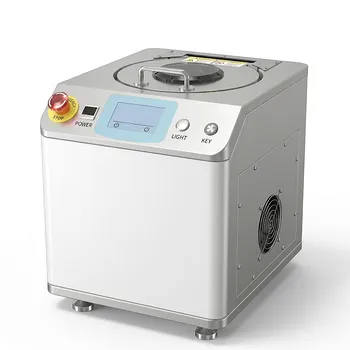
High Efficiency Vacuum Planetary Centrifugal Mixer and Defoaming Machine for Industrial Material Research and Precise Laboratory Powder Dispersion
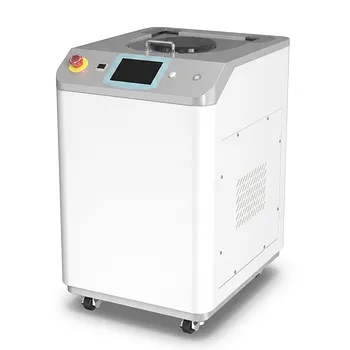
High Viscosity Planetary Centrifugal Mixing and Vacuum Defoaming Machine for Laboratory Material Preparation
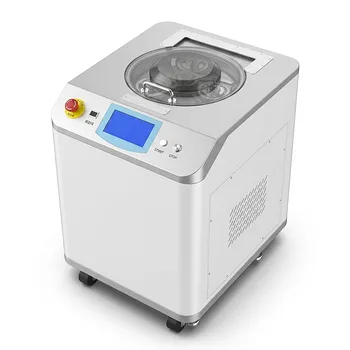
Dual Cup Vacuum Centrifugal Mixer Planetary Paste Defoaming Machine Industrial Material Processor
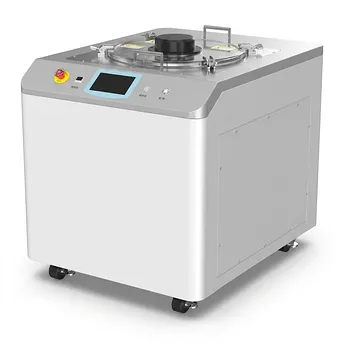
Industrial Planetary Centrifugal Vacuum Defoaming Mixer for High Viscosity Paste and Powder Homogenization
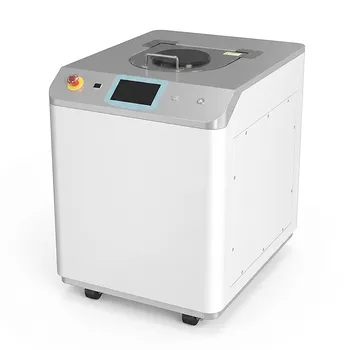
Industrial Planetary Centrifugal Vacuum Defoaming Mixer for High Viscosity Paste and Advanced Material Science
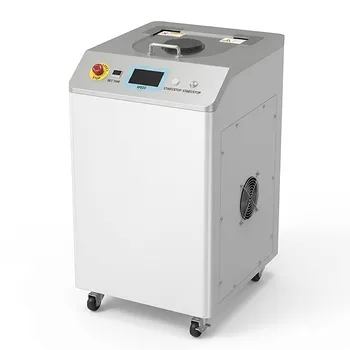
High Viscosity Planetary Centrifugal Vacuum Mixer for Material Defoaming and Uniform Mixing
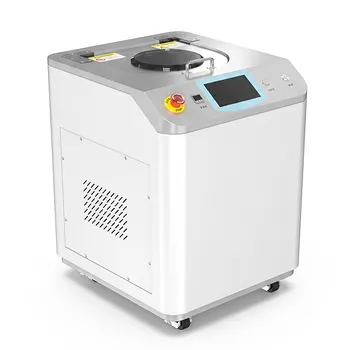
High Speed Vacuum Planetary Centrifugal Mixer and Defoamer for Industrial Paste Processing
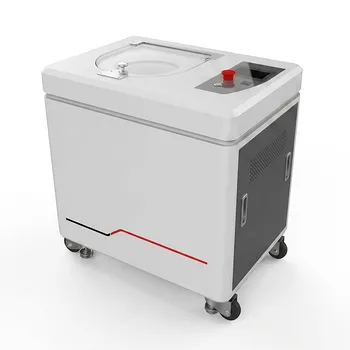
非介入式材料均质机真空脱泡行星搅拌高粘度混合设备
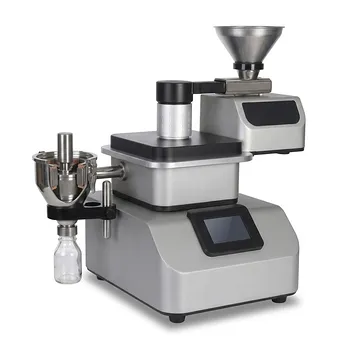
Ultra Centrifugal Mill for Rapid Laboratory Sample Preparation and Fine Powder Grinding
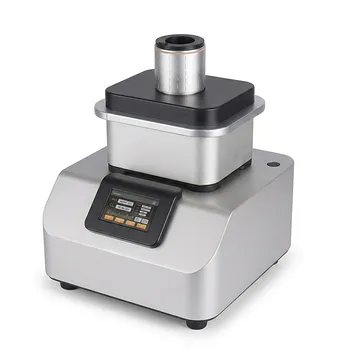
Ultra Centrifugal Mill High Speed Laboratory Grinder for Fibrous and Brittle Sample Preparation
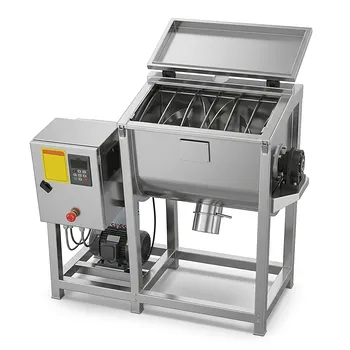
Horizontal Ribbon Mixer for Uniform Powder and Slurry Mixing
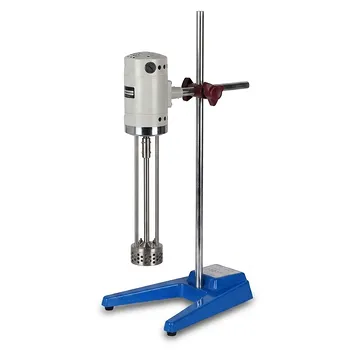
High Shear Laboratory Emulsifier for Mixing and Homogenization
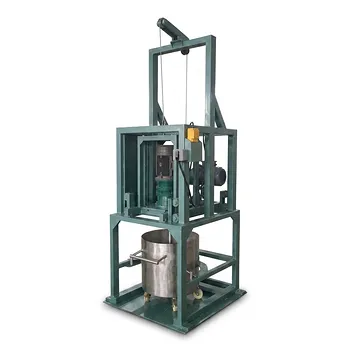
High-Speed Simple Disperser for Efficient Mixing, Dispersion, and Emulsification
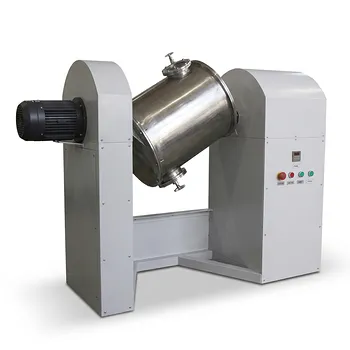
Inclined Mixer for Homogeneous Powder Blending and Grinding
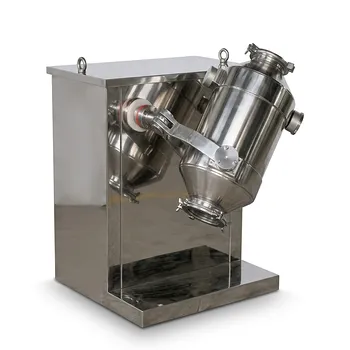
Three-Dimensional Motion Mixer for Laboratory Powder and Granule Blending
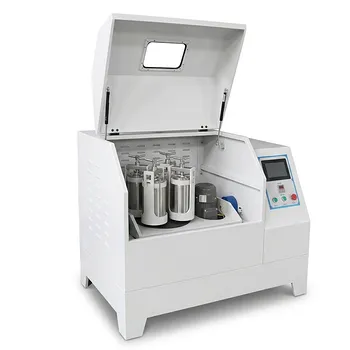
360° Rotating Omnidirectional Laboratory Planetary Ball Mill for Homogeneous Ultra-Fine Grinding and Mixing
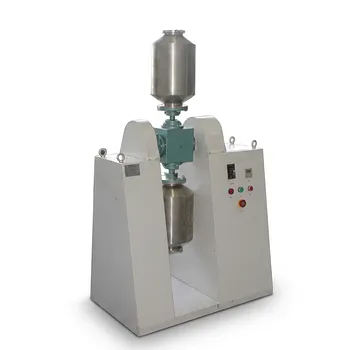
Multi Dimensional Universal Mixer for High Uniformity Powder Blending
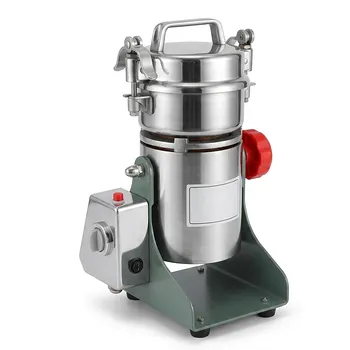
High Speed Swing Type Laboratory Pulverizer for Fine Powder Grinding and Sample Preparation
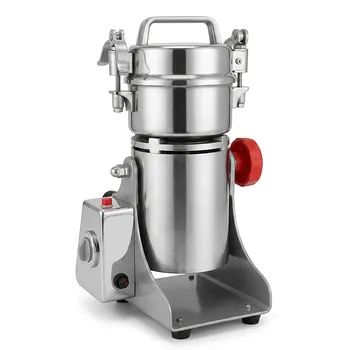
Industrial High Speed Small Sample Pulverizer Swing Type Laboratory Grinder for Powder Processing