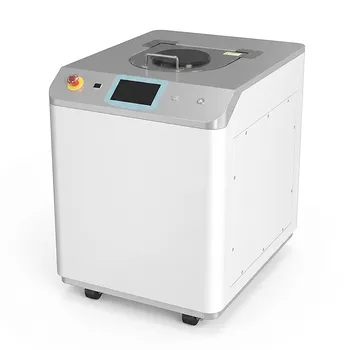
Why is a high-speed mechanical mixer necessary for polyurethane composites? Ensure Uniform Filler Dispersion & Strength
Updated 4 months ago
High-speed mechanical mixers are essential because they generate the intense shear forces required to de-agglomerate solid fillers and achieve a microscopically uniform dispersion within the polyol. This high-energy stirring ensures that high concentrations of powders, such as fly ash or zirconium dioxide, are perfectly integrated into the liquid phase before the polymerization reaction begins.
Core Takeaway: High-speed mixing is the only way to overcome the physical attraction between fine particles, ensuring a homogeneous slurry that prevents structural defects and ensures a synchronized chemical reaction across the entire composite matrix.
Overcoming Physical and Chemical Barriers
Breaking Microscopic Agglomerations
Solid fillers like fly ash and zirconium dioxide naturally tend to clump together due to inter-particle forces. High-speed mechanical mixers provide the high shear forces necessary to physically rip these clusters apart.
By breaking down these initial agglomerations, the mixer ensures that every individual particle is "wetted" by the polyol. This level of dispersion is critical for the mechanical integrity of the final polyurethane composite.
Achieving Microscopic Uniformity
A uniform distribution at the microscopic scale is a prerequisite for a successful composite. Without high-energy stirring, the fillers remain concentrated in certain areas, creating "islands" of solid material.
Microscopic homogenization ensures that when the isocyanate is eventually added, the chemical reaction occurs evenly throughout the entire volume of the slurry. This prevents localized structural failures in the finished product.
Ensuring Reaction Synchronicity and Stability
Preventing Localized Reaction Unevenness
In polyurethane systems involving catalysts, surfactants, and blowing agents, high-speed mixing ensures all components are perfectly blended. This efficient dynamic mixing is essential for ensuring the synchronicity of the subsequent polymerization or foaming reaction.
If the mixture is not uniform, certain areas may react faster than others. This lead to "hotspots," irregular cell structures, or internal stresses that compromise the material's performance.
Preventing Density Gradients and Segregation
High-speed mixers employ forced convection to keep heavy fillers suspended against the pull of gravity. This prevents the formation of density gradients, where heavier particles sink to the bottom before the slurry solidifies.
By maintaining a consistent suspension, the mixer ensures that the final material has consistent mechanical strength from top to bottom. This is especially vital when using high-density powders or low-density additives like wood sawdust.
Understanding the Trade-offs and Pitfalls
The Risk of Air Entrapment
While high speed is necessary for dispersion, it can inadvertently pull air into the mixture. Residual air bubbles can form pore defects in the hardened material, which directly compromises the final compressive strength and mechanical reliability.
Heat Generation and Premature Reaction
The friction generated by high-speed blades can cause the temperature of the slurry to rise significantly. If not monitored, this frictional heat can trigger a premature polymerization reaction, reducing the "pot life" or working time of the mixture.
Equipment Wear and Maintenance
Processing high concentrations of abrasive fillers like zirconium dioxide at thousands of revolutions per minute leads to rapid equipment wear. It is critical to use hardened or coated mixing blades to prevent metal contamination from leaching into the composite slurry.
How to Apply This to Your Process
Making the Right Choice for Your Goal
To achieve the best results with your polyurethane composite, tailor your mixing strategy to your primary performance requirement:
- If your primary focus is Maximum Mechanical Strength: Prioritize high shear rates to ensure zero agglomeration, as even small clumps act as stress concentrators that lead to premature failure.
- If your primary focus is Surface Finish and Aesthetics: Use high-speed mixing in a vacuum environment to ensure a uniform slurry while simultaneously degassing the mixture to prevent surface pinholes.
- If your primary focus is Incorporating Fibers: Use high-speed mixing to achieve forced dispersion of fiber bundles, but limit the mixing duration to prevent the mechanical breakdown or "shortening" of the fibers themselves.
Achieving a high-performance composite requires a precise balance between high-energy dispersion and the careful management of air entrapment and heat.
Summary Table:
| Key Benefit | Mechanism | Impact on Quality |
|---|---|---|
| De-agglomeration | High shear forces break particle clusters | Eliminates stress concentrators & defects |
| Microscopic Uniformity | Complete wetting of fillers by polyol | Ensures synchronized chemical reactions |
| Suspension Stability | Forced convection against gravity | Prevents density gradients and segregation |
| Reaction Control | Homogeneous catalyst distribution | Prevents localized hotspots and irregular cells |
Elevate Your Composite Material Performance with Precision Mixing
Achieving the perfect polyurethane slurry requires more than just stirring; it demands high-energy dispersion and meticulous air management. At [Brand Name], we provide complete laboratory sample preparation solutions tailored for material science research and industrial development.
Our specialized equipment range is designed to handle the most demanding powder processing and compaction needs:
- High-Performance Mixing: From advanced powder mixers to defoaming mixers that eliminate air entrapment and pore defects.
- Size Reduction: Heavy-duty crushers (jaw/roll) and precision mills (planetary ball, jet, rotor) for perfect filler preparation.
- Advanced Compaction: A full spectrum of hydraulic presses, including Cold/Warm Isostatic Presses (CIP/WIP), vacuum hot presses, and XRF pellet presses.
Whether you are integrating abrasive zirconium dioxide or lightweight fibers, our solutions ensure microscopic uniformity and consistent mechanical strength.
Ready to optimize your slurry mixing process?
Contact our technical experts today to find the right equipment for your lab!
References
- Asra Ali Hussein, Dhey Jawad Mohammed. The influence of midfield applying fly ash for the mechanical arts, and flame resistance of polymer composite. DOI: 10.58915/ijneam.v18i2.2065
Mentioned Products
- High Speed Vacuum Planetary Centrifugal Mixer and Defoamer for Industrial Paste Processing
- High-Speed Simple Disperser for Efficient Mixing, Dispersion, and Emulsification
- Multifunctional High Efficiency High Speed Laboratory Grinder
- Small High-Speed Swing Grinder for Laboratory Sample Preparation
- Small High Speed Grinder for Laboratory Sample Preparation
People Also Ask
- Why increase revolution radius for high-viscosity materials? Optimize Mixing Performance with Centrifugal Acceleration
- What is the function of a planetary centrifugal mixer in electrode slurry prep? Achieve high-energy, uniform dispersion.
- Why is a planetary centrifugal mixer utilized for wood powder and HPMC? Achieve uniform dispersion & rapid defoaming.
- How does a planetary centrifugal mixer contribute to the preparation of magnetic polymer composites? Expert Guide
- How does a planetary centrifugal mixer address key challenges in Tyr-CDs@EVA optical films? Ensure Optical Clarity.

Tech Team · PowderPreparation
Last updated on Jun 03, 2026
Related Products
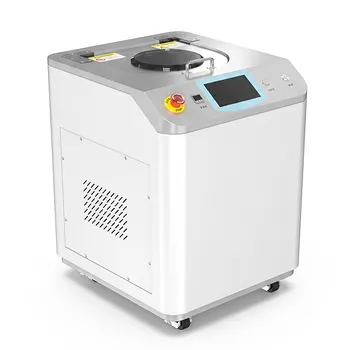
High Speed Vacuum Planetary Centrifugal Mixer and Defoamer for Industrial Paste Processing
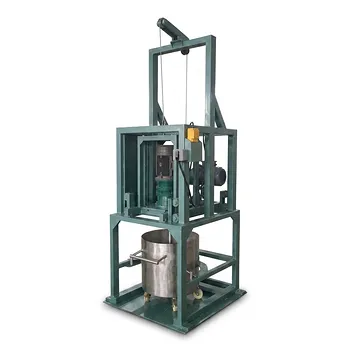
High-Speed Simple Disperser for Efficient Mixing, Dispersion, and Emulsification
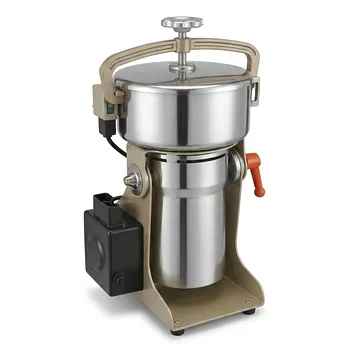
Multifunctional High Efficiency High Speed Laboratory Grinder
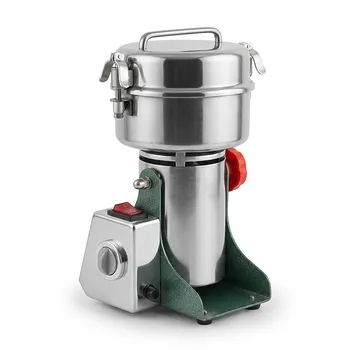
Small High-Speed Swing Grinder for Laboratory Sample Preparation
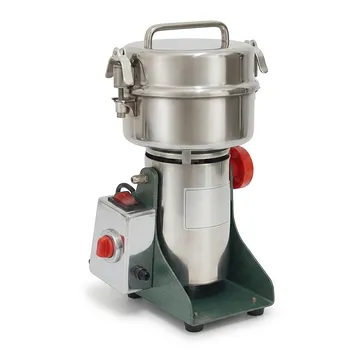
Small High Speed Grinder for Laboratory Sample Preparation
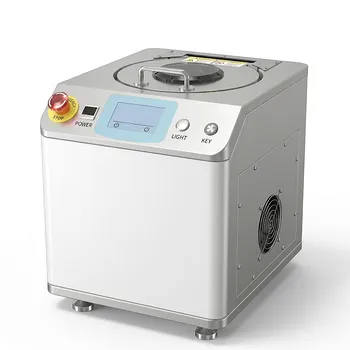
High Efficiency Vacuum Planetary Centrifugal Mixer and Defoaming Machine for Industrial Material Research and Precise Laboratory Powder Dispersion
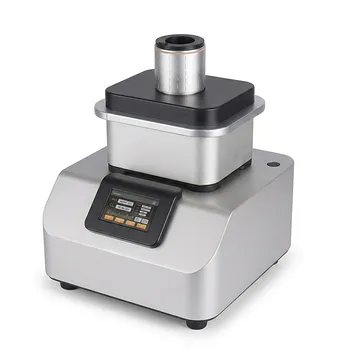
Ultra Centrifugal Mill High Speed Laboratory Grinder for Fibrous and Brittle Sample Preparation
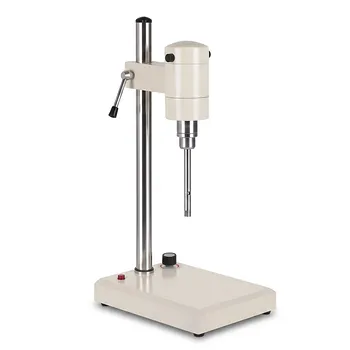
High Speed Dispersing Homogenizer for Laboratory Emulsification Dispersion and Cell Disruption
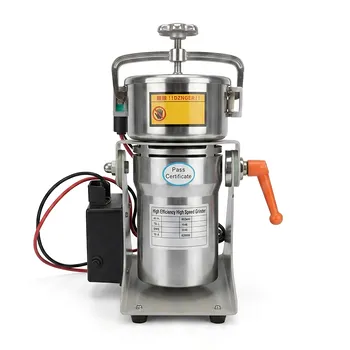
High Efficiency High Speed Grinder Laboratory Mill 1300W 25000rpm
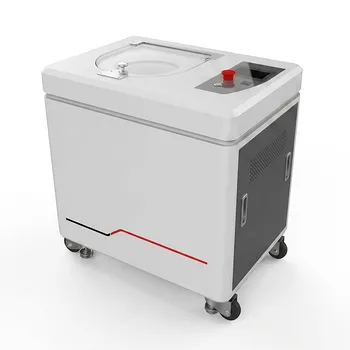
非介入式材料均质机真空脱泡行星搅拌高粘度混合设备
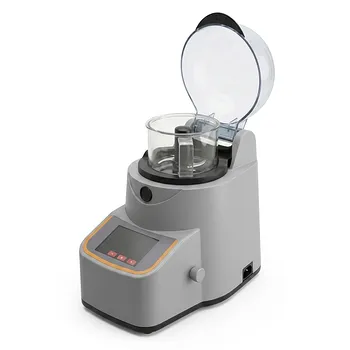
Industrial Knife Mill for Food and Biological Sample Preparation High Speed Laboratory Homogenizer
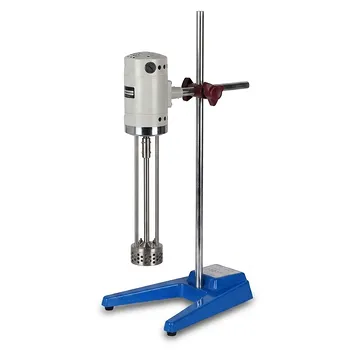
High Shear Laboratory Emulsifier for Mixing and Homogenization
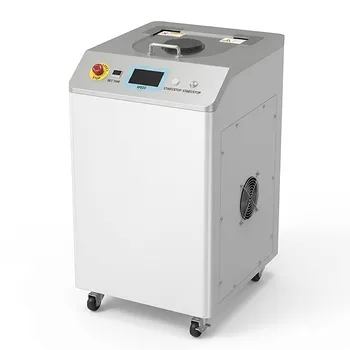
High Viscosity Planetary Centrifugal Vacuum Mixer for Material Defoaming and Uniform Mixing
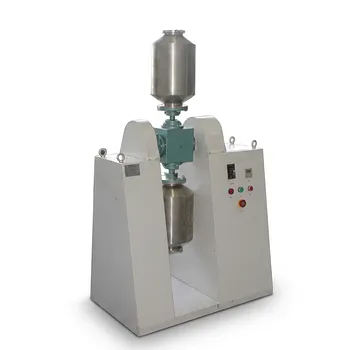
Multi Dimensional Universal Mixer for High Uniformity Powder Blending
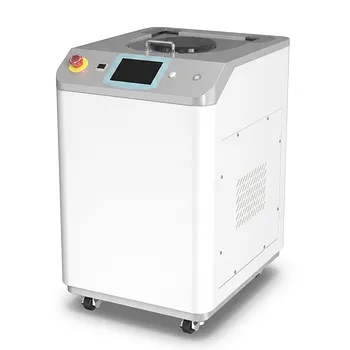
High Viscosity Planetary Centrifugal Mixing and Vacuum Defoaming Machine for Laboratory Material Preparation
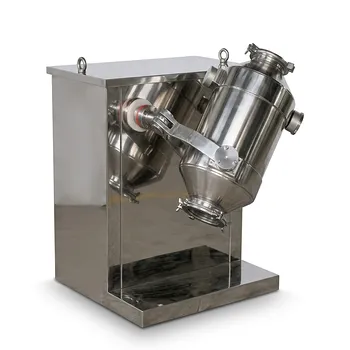
Three-Dimensional Motion Mixer for Laboratory Powder and Granule Blending
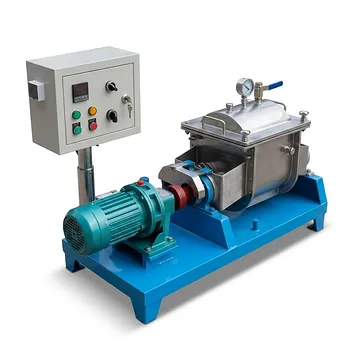
Industrial Vacuum Kneader for High-Viscosity Silicone, Rubber, and Compound Mixing
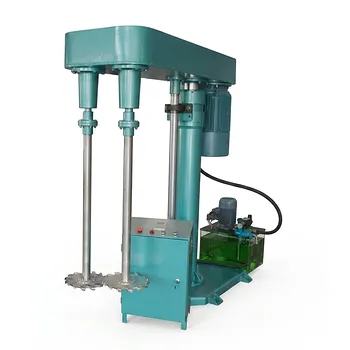
Hydraulic Double Shaft Disperser for High Viscosity Liquid Mixing and Dispersion
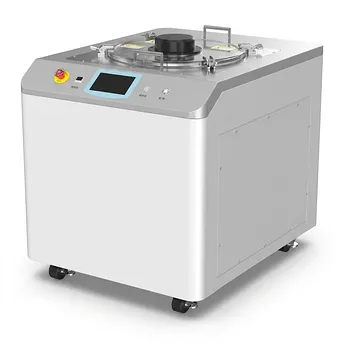
Industrial Planetary Centrifugal Vacuum Defoaming Mixer for High Viscosity Paste and Powder Homogenization