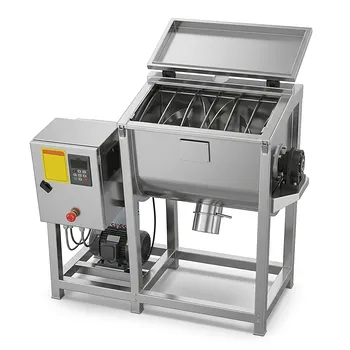
How does a planetary centrifugal mixer contribute to the preparation of magnetic polymer composites? Expert Guide
Updated 4 months ago
A planetary centrifugal mixer is essential for preparing magnetic polymer composites by utilizing dual-axis rotation to achieve simultaneous high-shear mixing and vacuum defoaming. This process ensures that magnetic fillers are uniformly dispersed within a viscous polymer matrix, such as silicone, typically in as little as 60 seconds. By eliminating internal air bubbles and preventing particle agglomeration, the mixer guarantees the consistent magnetic responsiveness and structural integrity required for precise cargo-loading and electrowetting experiments.
The core value of a planetary centrifugal mixer lies in its ability to create a dense, homogeneous composite that reacts predictably to magnetic fields. By removing structural voids and ensuring uniform filler distribution, it transforms raw materials into reliable carriers for advanced cargo-transport applications.
Achieving Micro-Scale Homogeneity
The Power of Dual-Axis Rotation
A planetary centrifugal mixer operates through the simultaneous revolution and rotation of the mixing vessel. This composite motion generates intense centrifugal and shear forces that drive materials outward and inward simultaneously.
These forces are powerful enough to break down particle clusters and distribute magnetic fillers at a micron or molecular level. This is particularly critical when working with high-viscosity resins like PDMS or silicone rubber.
Bladeless Mixing Advantages
Unlike traditional mixers, this technology is bladeless, relying entirely on the movement of the container itself. This prevents the introduction of contaminants and eliminates the "dead zones" often found in mechanical stirring.
For cargo-loading experiments, this ensures the polymer matrix has uniform density. Without blades, the material undergoes "cold" mixing that preserves the chemical integrity of sensitive polymer chains.
Preventing Filler Agglomeration
Magnetic particles, such as carbonyl iron or strontium ferrite, naturally tend to clump due to magnetic attraction. The high-shear environment of the mixer forces these particles apart, ensuring each grain is fully wetted by the resin.
Uniform dispersion is the primary factor determining a carrier's magnetic responsiveness. If particles are clumped, the composite will move unevenly or fail to respond accurately to external magnetic stimuli.
The Role of Simultaneous Defoaming
Vacuum-Assisted Void Elimination
The preparation process often occurs under high vacuum conditions to extract entrapped air. As the centrifugal force pushes the material against the vessel walls, air bubbles are forced to the surface and removed.
This step is non-negotiable for ensuring the mechanical strength of the final carrier. Even a single micro-bubble can act as a stress concentrator, leading to structural failure during cargo transport.
Enhancing Dielectric and Magnetic Properties
The removal of micro-bubbles ensures the electrical integrity and dielectric breakdown strength of the resulting film or carrier. Voids in the material can interfere with the magnetic flux lines, weakening the composite's overall performance.
A dense internal structure allows for a predictable rheological profile. This consistency is vital for the subsequent molding or coating stages used to create stator cores or experimental microspheres.
Understanding the Trade-offs
Heat Generation During High-Speed Processing
The intense friction generated by high-speed rotation can lead to internal temperature spikes within the mixture. While the process is fast, heat-sensitive polymers or curing agents may react prematurely if the mixing parameters are not carefully controlled.
Batch Size Limitations
Planetary centrifugal mixers are typically designed for batch processing rather than continuous production. While highly effective for R&D and specialized cargo-loading experiments, scaling to massive industrial volumes requires multiple units or larger, more expensive vessels.
Material Density Differentials
If there is an extreme disparity between the density of the polymer matrix and the magnetic filler, over-mixing can occasionally occur. In rare cases, excessive centrifugal force may cause heavier particles to migrate toward the outer edges if the viscosity is too low.
How to Apply This to Your Project
Making the Right Choice for Your Goal
- If your primary focus is consistent magnetic driving: Prioritize high-speed revolution settings to ensure the most uniform distribution of fillers like carbonyl iron powder.
- If your primary focus is structural reliability for cargo: Utilize the high-vacuum integration feature to guarantee a void-free internal structure that resists mechanical fatigue.
- If your primary focus is working with ultra-high viscosity resins: Select a mixer with high-torque capabilities to maintain shear forces even as the material thickens during the addition of fillers.
The precision of a planetary centrifugal mixer ensures that the final magnetic composite behaves as a predictable, high-performance tool rather than an inconsistent experimental variable.
Summary Table:
| Key Feature | Benefit for Magnetic Composites | Technical Impact |
|---|---|---|
| Dual-Axis Rotation | Micron-scale homogeneity | Ensures predictable magnetic responsiveness |
| Vacuum Defoaming | Elimination of internal micro-bubbles | Increases structural integrity & mechanical strength |
| Bladeless Mixing | Zero contamination & no dead zones | Preserves chemical integrity of polymer chains |
| High-Shear Forces | Prevents filler agglomeration | Guarantees uniform density in viscous resins |
Elevate Your Material Research with Precision Engineering
Are you looking to achieve perfect homogeneity in your magnetic polymer composites? We provide complete laboratory sample preparation solutions for material science, specializing in advanced powder processing and compaction equipment.
Our extensive product lines are designed to streamline your entire workflow:
- Mixing & Dispersion: High-performance planetary centrifugal mixers and defoaming mixers for void-free results.
- Size Reduction: Precision mills (planetary ball, jet, sand, disc, rotor) and crushers (jaw/roll).
- Sieving & Classification: Vibratory and air-jet sieve shakers with a full range of test sieves.
- Advanced Compaction: A full spectrum of hydraulic presses, including Cold/Warm Isostatic Presses (CIP/WIP), vacuum hot presses, and XRF pellet presses.
Whether you are preparing carriers for cargo-transport experiments or developing high-density magnetic films, our equipment ensures the consistency and reliability your research demands.
Ready to optimize your lab’s efficiency? Contact us today to discuss your application!
References
- Samannoy Ghosh, Yong Lin Kong. The continuous actuation of liquid metal with a 3D-printed electrowetting device. DOI: 10.1007/s44258-025-00052-8
Mentioned Products
- High Viscosity Planetary Centrifugal Vacuum Mixer for Material Defoaming and Uniform Mixing
- High Efficiency Vacuum Planetary Centrifugal Mixer and Defoaming Machine for Industrial Material Research and Precise Laboratory Powder Dispersion
- Industrial Planetary Centrifugal Vacuum Defoaming Mixer for High Viscosity Paste and Powder Homogenization
- High Viscosity Planetary Centrifugal Mixing and Vacuum Defoaming Machine for Laboratory Material Preparation
- High Speed Vacuum Planetary Centrifugal Mixer and Defoamer for Industrial Paste Processing
People Also Ask
- What core functions does a planetary centrifugal mixer perform? Optimize Hard Carbon Anode Slurry & Degassing
- Why is a planetary centrifugal mixer recommended for geopolymer slurries? Achieve high-shear, air-free homogenization.
- Why is a planetary centrifugal mixer utilized for wood powder and HPMC? Achieve uniform dispersion & rapid defoaming.
- How does a planetary centrifugal mixer address key challenges in Tyr-CDs@EVA optical films? Ensure Optical Clarity.
- What is the role of a planetary centrifugal mixer in UHTC slurry preparation? Achieve Void-Free, High-Viscosity Mixing

Tech Team · PowderPreparation
Last updated on Jun 03, 2026
Related Products
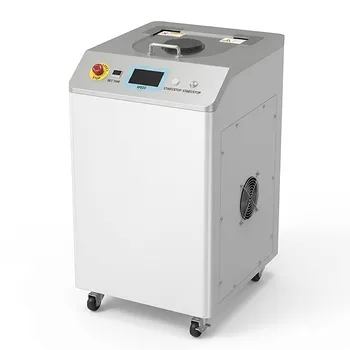
High Viscosity Planetary Centrifugal Vacuum Mixer for Material Defoaming and Uniform Mixing
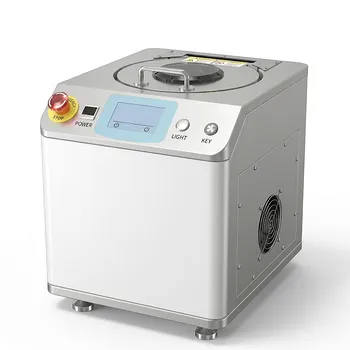
High Efficiency Vacuum Planetary Centrifugal Mixer and Defoaming Machine for Industrial Material Research and Precise Laboratory Powder Dispersion
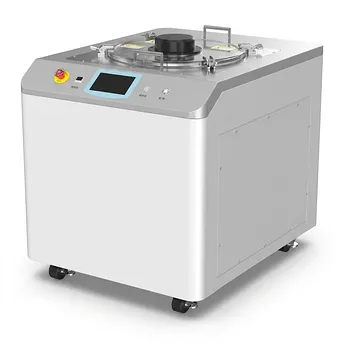
Industrial Planetary Centrifugal Vacuum Defoaming Mixer for High Viscosity Paste and Powder Homogenization
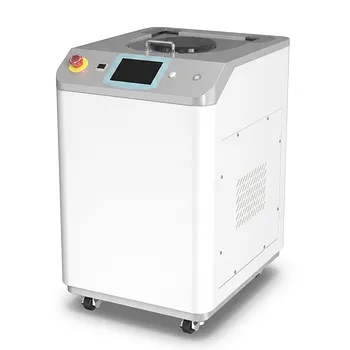
High Viscosity Planetary Centrifugal Mixing and Vacuum Defoaming Machine for Laboratory Material Preparation
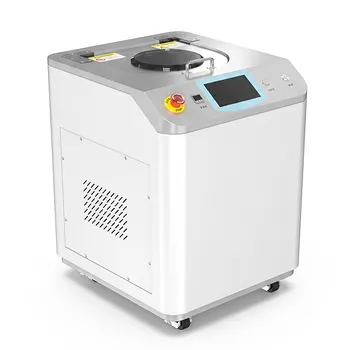
High Speed Vacuum Planetary Centrifugal Mixer and Defoamer for Industrial Paste Processing
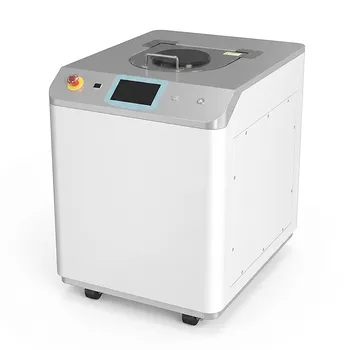
Industrial Planetary Centrifugal Vacuum Defoaming Mixer for High Viscosity Paste and Advanced Material Science
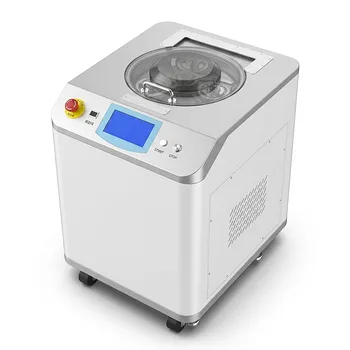
Dual Cup Vacuum Centrifugal Mixer Planetary Paste Defoaming Machine Industrial Material Processor
非介入式材料均质机真空脱泡行星搅拌高粘度混合设备
360° Rotating Omnidirectional Laboratory Planetary Ball Mill for Homogeneous Ultra-Fine Grinding and Mixing
Ultra Centrifugal Mill for Rapid Laboratory Sample Preparation and Fine Powder Grinding
Ultra Centrifugal Mill High Speed Laboratory Grinder for Fibrous and Brittle Sample Preparation
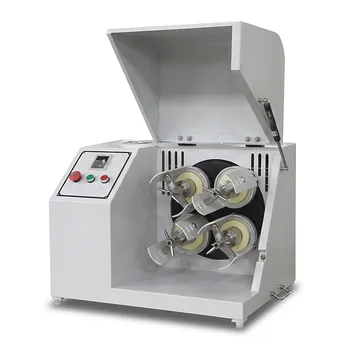
Horizontal Light Duty Planetary Ball Mill for Laboratory Sample Preparation
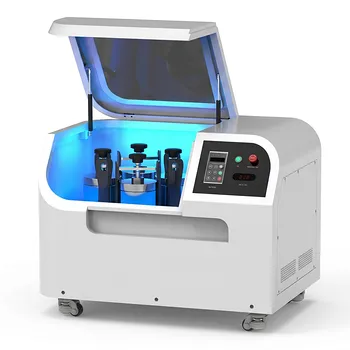
Planetary Ball Mill 12L
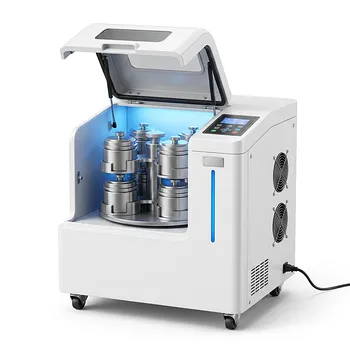
High Energy Omnidirectional Planetary Ball Mill 20L
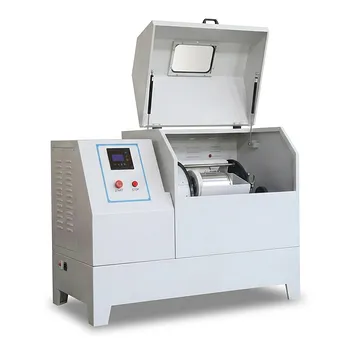
Heavy Duty Horizontal Planetary Ball Mill for Efficient Industrial Grinding and Sample Preparation

Vertical Production Planetary Ball Mill for High Throughput Powder Processing
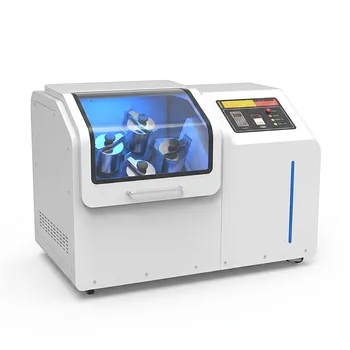
High Energy Omnidirectional Planetary Ball Mill 16L

Miniature Planetary Ball Mill with Vacuum Grinding and High Efficiency for Laboratory Sample Preparation

Vertical Square Planetary Ball Mill for Laboratory Sample Preparation and Nanoscale Grinding