Why is a high-purity argon atmosphere required during the planetary ball milling of metal powders? Prevent Oxidation
Updated 3 months ago
High-purity argon is required to create an inert environment that isolates metal powders from atmospheric oxygen and moisture. This protective barrier prevents reactive materials—such as iron, copper, aluminum, and titanium—from oxidizing during high-energy impacts and friction. By maintaining an oxygen-free atmosphere, the process preserves the chemical purity of the raw materials and ensures the mechanical, magnetic, and electrical properties of the final composite.
The use of high-purity argon in planetary ball milling acts as a critical safeguard against material degradation, ensuring that the high-energy environment facilitates the formation of intended metallic phases rather than unwanted oxides.
Preventing Oxidation and Preserving Material Purity
Maintaining Fresh Metallic Surfaces
During planetary ball milling, the continuous impact of grinding media creates a large number of fresh, chemically active surfaces.
In materials like aluminum and magnesium, these surfaces have high surface energy and will immediately react with air to form thick oxide layers if not protected.
The argon atmosphere ensures these surfaces remain "fresh," which is vital for the in-situ formation of high-quality intermetallic compounds during subsequent processing steps like hot pressing.
Protecting Phase Purity and Stoichiometry
When synthesizing complex materials like ternary sulfides or rare earth alloys, maintaining an exact chemical stoichiometry is essential.
If oxygen enters the system, it competes with the intended reaction, leading to the formation of oxide impurities that alter the final alloy composition.
A sealed argon environment allows precursors like copper, antimony, and bismuth to react predictably, ensuring the final material meets precise chemical specifications.
Enhancing Material Properties and Interface Quality
Optimizing Magnetic and Electrical Performance
Oxidation during the milling of Permalloy (iron-nickel) or copper-based powders can severely degrade the functional properties of the bulk material.
Oxide impurities act as defects that negatively impact the soft magnetic properties of Permalloy and reduce the electrical conductivity of copper matrices.
By utilizing argon, processors prevent these inclusions, maintaining the high performance required for sensitive electronic and magnetic applications.
Strengthening Composite Interfaces
In advanced materials like carbon nanotube (CNT) reinforced aluminum, the quality of the interface between the reinforcement and the matrix determines the strength of the composite.
Argon prevents the aluminum matrix from oxidizing, ensuring a pure interface between the CNTs and the metal.
This leads to better load transfer and prevents the performance degradation that typically occurs when moisture or oxygen contaminates the material during refinement.
Understanding the Trade-offs
Gas Purity and Seal Integrity
The effectiveness of the inert atmosphere is entirely dependent on the purity of the gas and the mechanical seal of the milling jar.
Using low-grade argon or having a faulty seal can introduce trace amounts of oxygen, which, under high-energy conditions, is enough to cause significant contamination.
Processors must balance the cost of ultra-high-purity (UHP) argon against the sensitivity of their specific powder mixture.
Frictional Heat and Pressure
While argon is inert, it does not prevent the frictional heat generated during milling; it only prevents the chemical reaction with oxygen that the heat would normally accelerate.
In some cases, the pressure build-up from gas expansion inside a sealed jar can pose a safety risk if not monitored.
Operators must account for the thermal expansion of the argon gas when calculating the initial filling pressure of the milling jars.
How to Apply This to Your Project
Recommendations Based on Material Goals
- If your primary focus is Chemical Stoichiometry: Ensure you use a vacuum-glovebox for loading and high-purity argon to prevent even trace oxidation from altering your final alloy ratios.
- If your primary focus is Magnetic or Electrical Performance: Use argon specifically to eliminate oxide inclusions, as even microscopic impurities can significantly increase electrical resistance or decrease magnetic permeability.
- If your primary focus is Mechanical Alloying of Light Metals: Prioritize a continuous argon flow or high-pressure sealed jars to protect the highly reactive surfaces of aluminum or magnesium powders.
By effectively managing the milling environment with high-purity argon, you transition from simple grinding to precise molecular engineering of advanced materials.
Summary Table:
| Feature | Benefit of Argon Atmosphere | Impact on Material |
|---|---|---|
| Oxidation Control | Isolates powders from $O_2$ and moisture | Prevents unwanted oxide layer formation |
| Surface Protection | Keeps fresh metallic surfaces active | Enhances in-situ intermetallic formation |
| Phase Integrity | Maintains exact chemical stoichiometry | Ensures predictable alloying reactions |
| Functional Quality | Reduces defects and inclusions | Optimizes magnetic and electrical performance |
| Interface Bonding | Ensures pure reinforcement-matrix contact | Strengthens composites like CNT-aluminum |
Elevate Your Material Synthesis with Precision Milling
Achieve superior chemical purity and phase stability in your research with our advanced laboratory solutions. We provide complete laboratory sample preparation solutions for material science, specializing in powder processing and compaction equipment designed to handle reactive metal powders under controlled environments.
Our extensive product lines include:
- Advanced Milling: Planetary ball mills, jet mills, liquid nitrogen cryogenic grinders, and rotor mills.
- Preparation & Sizing: Jaw/roll crushers, sieve shakers (vibratory/air-jet), and powder/defoaming mixers.
- Compaction Solutions: A full spectrum of hydraulic presses, including Cold/Warm Isostatic Presses (CIP/WIP), standard lab presses, XRF pellet presses, and vacuum hot presses.
Whether you are developing soft magnetic alloys or high-strength composites, our equipment provides the reliability and precision your project demands. Contact us today to discuss your powder processing needs and discover how our specialized solutions can enhance your laboratory's efficiency and material performance.
References
- Azam Beigi Kheradmand, Bejan Hamawandi. Tribological Characterization of Reinforced Fe Matrix Composites with Hybrid Reinforcement of C, Cu, and SiC Particulates. DOI: 10.3390/cryst12050598
Mentioned Products
- Heavy Duty Horizontal Planetary Ball Mill for Efficient Industrial Grinding and Sample Preparation
- Vertical Semi Circular Planetary Ball Mill for Laboratory Precision Grinding
- Vertical Production Planetary Ball Mill for High Throughput Powder Processing
- Vertical Square Planetary Ball Mill for Laboratory Sample Preparation and Nanoscale Grinding
- High Energy Planetary Ball Mill for Nano Scale Grinding and Mechanical Alloying
People Also Ask
- Why grind lime-pozzolan specimens for TG/DTA for 3 mins? Master sample prep for high-precision thermal analysis.
- What is the role of a planetary ball mill in the mechanical activation of ZTA powder? Boost Sintering Performance
- What is the function of a planetary ball mill in wollastonite ceramic prep? Achieve Molecular Homogenization & Reactivity
- How does a planetary ball mill contribute to the homogenization of trace elements? Achieve Sub-Micron Uniformity
- What is the function of a high-performance planetary ball mill in AMZ laminates? Master Ceramic Homogenization.

Tech Team · PowderPreparation
Last updated on Jun 03, 2026
Related Products
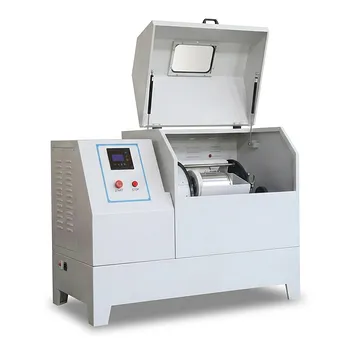
Heavy Duty Horizontal Planetary Ball Mill for Efficient Industrial Grinding and Sample Preparation
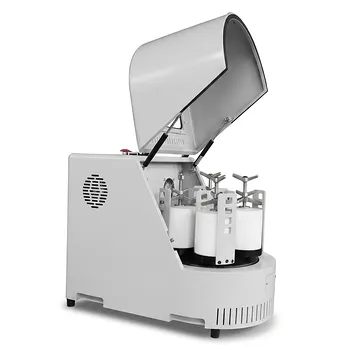
Vertical Semi Circular Planetary Ball Mill for Laboratory Precision Grinding
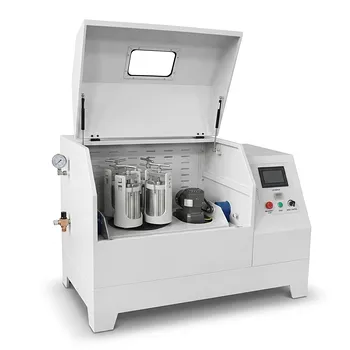
Vertical Production Planetary Ball Mill for High Throughput Powder Processing
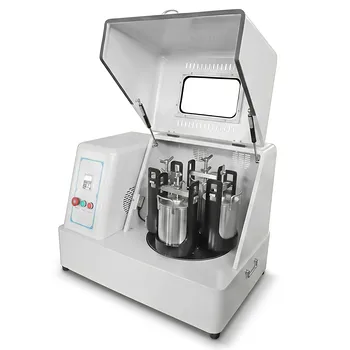
Vertical Square Planetary Ball Mill for Laboratory Sample Preparation and Nanoscale Grinding
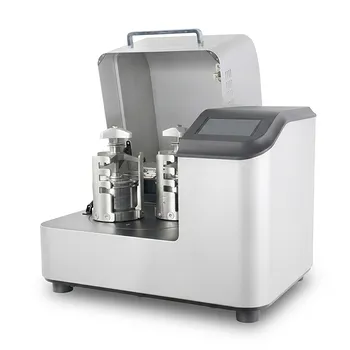
High Energy Planetary Ball Mill for Nano Scale Grinding and Mechanical Alloying
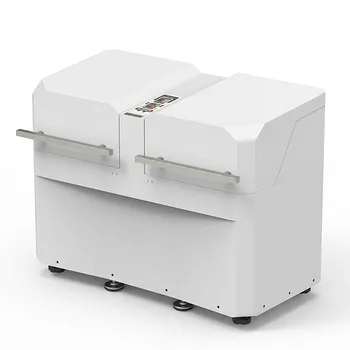
Dual Station Planetary Ball Mill 24L
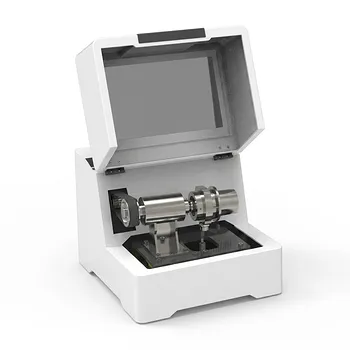
Single Tank High Energy Vibratory Ball Mill for Laboratory Grinding and Mixing
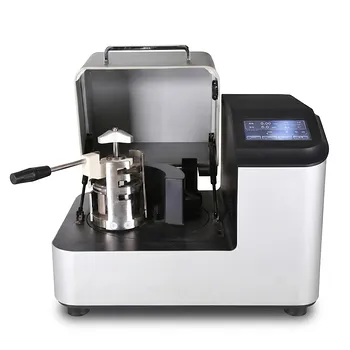
High Energy Laboratory Planetary Ball Mill for Nano Grinding and Material Science Sample Preparation
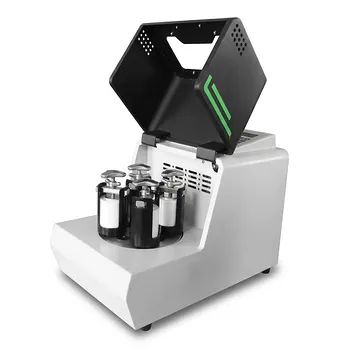
Miniature Planetary Ball Mill with Vacuum Grinding and High Efficiency for Laboratory Sample Preparation
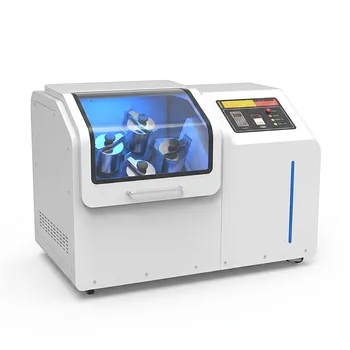
High Energy Omnidirectional Planetary Ball Mill 16L
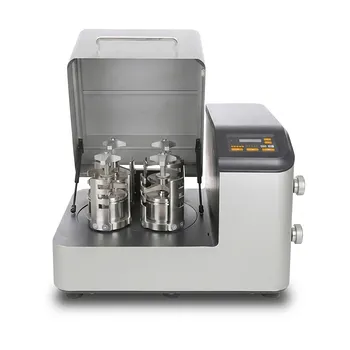
High Energy Planetary Ball Mill for Nano Scale Grinding and Colloidal Mixing in Material Science Research
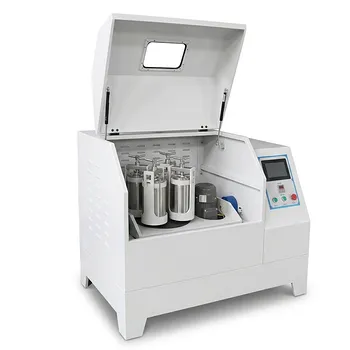
360° Rotating Omnidirectional Laboratory Planetary Ball Mill for Homogeneous Ultra-Fine Grinding and Mixing
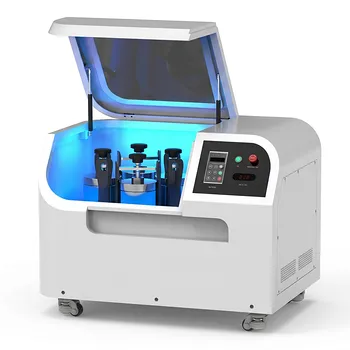
Planetary Ball Mill 12L
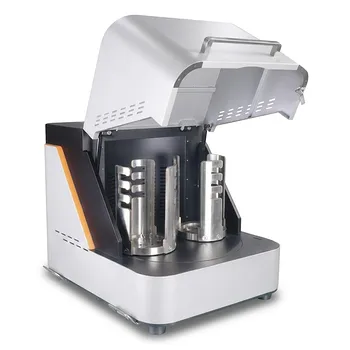
High Energy Laboratory Planetary Ball Mill for Nano Grinding and Colloidal Mixing of Hard and Brittle Materials

Multi-Platform Nanoscale High-Energy Vibratory Ball Mill
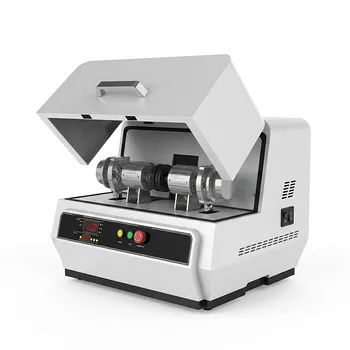
Dual Jar High Energy Vibratory Ball Mill
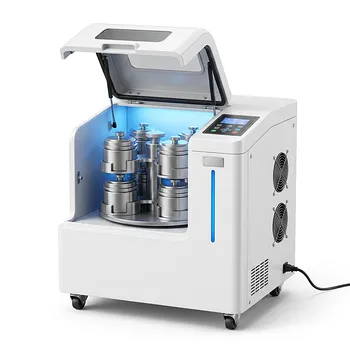
High Energy Omnidirectional Planetary Ball Mill 20L

8L Planetary Ball Mill for Laboratory Grinding and Sample Preparation
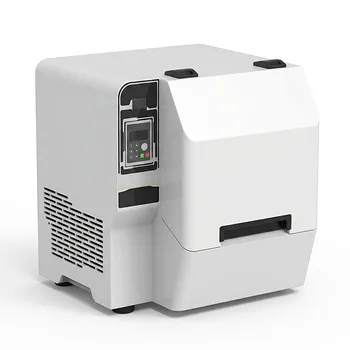
Nano High Energy Vibratory Ball Mill for Laboratory Sample Preparation