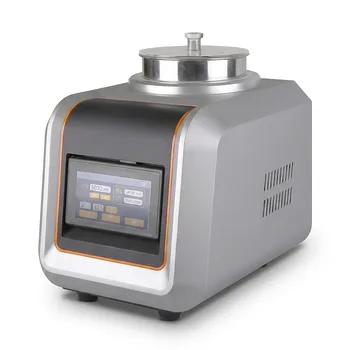
Why is a high-precision vibratory sieve shaker necessary when preparing 100% bio-based particleboard? Optimize Strength.
Updated 4 months ago
The precision of a vibratory sieve shaker is the foundation of structural integrity in bio-based materials. In the production of 100% bio-based particleboard, this equipment is necessary to accurately classify forestry residues and plant fibers into specific, repeatable size fractions. By controlling the particle size distribution, manufacturers can optimize board density, enhance mechanical strength, and ensure a smooth surface finish.
A high-precision vibratory sieve shaker transforms raw biomass into a standardized engineering material by ensuring particle size uniformity. This control is critical for optimizing the internal filling rate and heat transfer efficiency, which ultimately determines the durability and quality of the final particleboard.
Optimizing Structural and Mechanical Performance
Controlling Filling Rate and Internal Porosity
A high-precision shaker utilizes multi-layer meshes to mechanically grade particles, removing oversized or undersized impurities. This standardization is vital for optimizing the filling rate of the particleboard, which directly reduces internal porosity. When particles are sized correctly, they pack more efficiently, leading to a denser and more structurally sound board.
Enhancing Mechanical Strength and Bonding
Research indicates that specific particle ranges—such as less than 2.8 mm or 2.8 to 8 mm—have distinct impacts on the board's final properties. Fine particles are particularly critical for improving inter-particle bonding and increasing the overall mechanical durability of the finished product. By precisely recombining these fractions, manufacturers can create a material that meets specific strength requirements.
Ensuring Process Uniformity and Quality
Improving Heat and Mass Transfer Efficiency
Consistent particle size is essential for maintaining heat and mass transfer efficiency during production processes like hydrothermal carbonization (HTC) or microwave heating. Oversized particles can lead to incomplete chemical reactions, while irregular dimensions cause localized over-reactions. Uniformity ensures that thermal energy is absorbed evenly, stabilizing the chemical reaction kinetics throughout the board.
Achieving Superior Surface Smoothness
The classification process is critical for isolating the fine particles necessary for the board's surface layers. These fine fractions improve surface smoothness and the tactile feel of the final product, which is essential for boards intended for furniture or aesthetic coatings. Precise sieving ensures that the bio-based mixture has the flowability required for a uniform distribution across the mold.
Understanding the Trade-offs and Limitations
Sieve Blinding and Mesh Maintenance
While high precision is desirable, very fine bio-based powders can lead to sieve blinding, where particles clog the mesh openings. This requires frequent cleaning and maintenance to ensure the accuracy of the classification remains consistent over time. Using ultrasonic cleaners or specific ball-cleaning systems within the shaker can mitigate this, but adds to the operational complexity.
Balancing Processing Time and Precision
Achieving a highly specific particle size distribution often requires longer sieving durations or multiple passes. This creates a trade-off between throughput volume and the degree of precision required for the project. Manufacturers must determine the "optimal" level of classification where the mechanical benefits to the board outweigh the time and energy costs of extended sieving.
Implementing Precise Sieving for Your Project
When integrating a high-precision vibratory sieve shaker into your bio-based production line, focus on the specific mechanical requirements of your final application.
- If your primary focus is Maximum Structural Strength: Use the shaker to isolate and recombine particles to achieve a high filling density, focusing on reducing internal porosity through a balanced ratio of fine and medium particles.
- If your primary focus is Aesthetic Surface Quality: Prioritize the isolation of particles under 0.5 mm to ensure a smooth, uniform outer layer that is free from large fiber impurities.
- If your primary focus is Chemical Reaction Stability: Focus on narrow particle size ranges (e.g., 0.5 to 1.0 mm) to ensure consistent heat absorption and mass transfer during the curing or carbonization phase.
By mastering particle size distribution, you ensure that raw forestry residues are successfully transformed into a high-performance, predictable engineering material.
Summary Table:
| Key Benefit | Impact on Particleboard | Mechanism of Action |
|---|---|---|
| Structural Integrity | Reduced internal porosity & higher density | Optimizes particle filling rate and packing efficiency. |
| Mechanical Strength | Enhanced durability and inter-particle bonding | Isolates critical fine fractions (e.g., <2.8 mm) for better adhesion. |
| Thermal Efficiency | Consistent chemical reaction kinetics | Ensures uniform heat and mass transfer during HTC or curing. |
| Surface Quality | Superior smoothness and aesthetic finish | Effectively separates ultra-fine particles (<0.5 mm) for surface layers. |
Elevate Your Bio-Based Material Research with Precision Engineering
Achieving the perfect particle size distribution is the first step toward high-performance bio-based materials. At [Brand Name], we provide complete laboratory sample preparation solutions for material science, specializing in advanced powder processing and compaction equipment.
Whether you are refining forestry residues or developing new composites, our extensive product line supports your entire workflow:
- Sieving & Classification: High-precision vibratory and air-jet sieve shakers for accurate fractioning.
- Milling & Crushing: Jaw crushers, planetary ball mills, and cryogenic grinders for biomass reduction.
- Mixing: High-efficiency powder and defoaming mixers for uniform material distribution.
- Compaction: A full spectrum of hydraulic presses, including Cold/Warm Isostatic Presses (CIP/WIP) and vacuum hot presses for final board formation.
Ready to optimize your production efficiency and material durability? Contact us today to discuss how our specialized laboratory equipment can transform your raw biomass into standardized engineering materials.
References
- Janis Andris Krumins, Dagnija Blumberga. Particle Boards from Forest Residues and Bio-Based Adhesive. DOI: 10.3390/buildings14020462
Mentioned Products
- High Frequency Wet Three-Dimensional Vibrating Sieve Shaker for Dry and Wet Particle Size Analysis
- Laboratory Vibratory Test Sieve Shaker for Precision Particle Size Analysis and Powder Grading
- High Frequency Cabinet Type Three-Dimensional Rotary Vibrating Sieve Shaker for Dry Sieving and Particle Classification
- Vibratory Sieve Shaker Electromagnetic 3D Motion Powder Particle Size Analyzer for Dry and Wet Sieving
- Heavy Duty Dry Three Dimensional Vibratory Sieve Shaker for Particle Separation
People Also Ask
- Why are vibrating sieve shakers used with standard test sieves? Ensure Precise Grading for Recycled Aggregates
- What is the function of high-frequency vibratory sieve shakers in AMC powders? Master Particle Grading & PSD Control
- How does a vibratory sieve shaker contribute to optimizing the performance of activated carbon? Enhance Adsorption Precision
- Why is it essential to use a vibrating sieve shaker for the final grading of dietary fiber products? Master Quality.
- What is the role of a high-frequency vibratory sieve shaker in Cold Mix asphalt design? Optimize RAP Gradation Accuracy

Tech Team · PowderPreparation
Last updated on Jun 03, 2026
Related Products
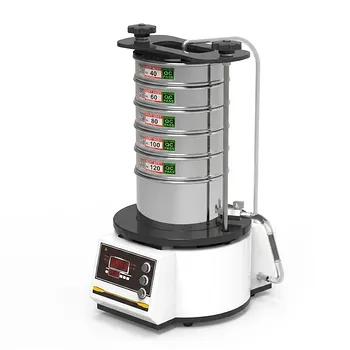
High Frequency Wet Three-Dimensional Vibrating Sieve Shaker for Dry and Wet Particle Size Analysis
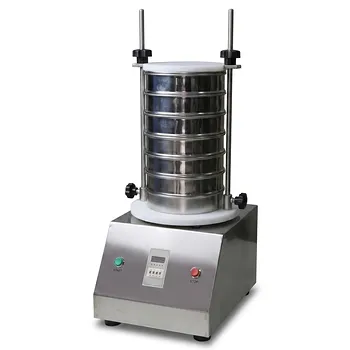
Laboratory Vibratory Test Sieve Shaker for Precision Particle Size Analysis and Powder Grading
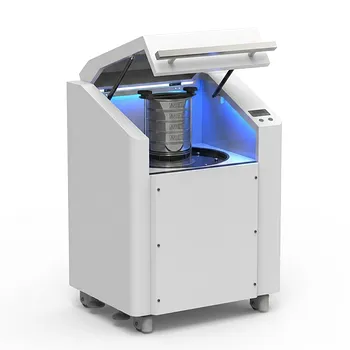
High Frequency Cabinet Type Three-Dimensional Rotary Vibrating Sieve Shaker for Dry Sieving and Particle Classification
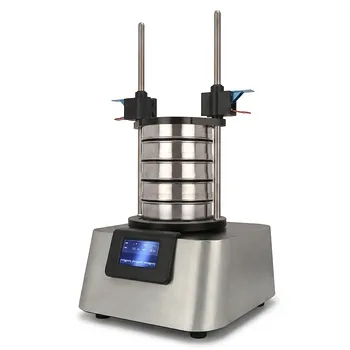
Vibratory Sieve Shaker Electromagnetic 3D Motion Powder Particle Size Analyzer for Dry and Wet Sieving
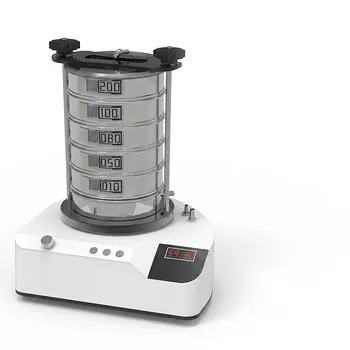
Heavy Duty Dry Three Dimensional Vibratory Sieve Shaker for Particle Separation
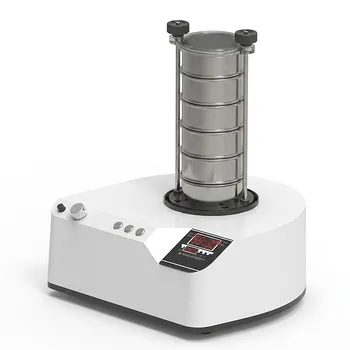
三维电磁微量振动筛分仪
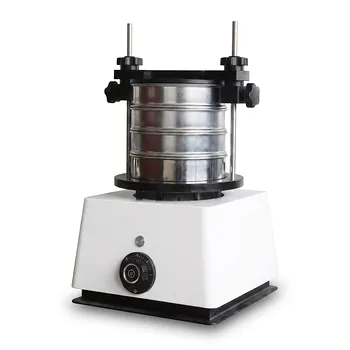
Small Laboratory Vibrating Sieve Shaker for Precise Particle Size Analysis
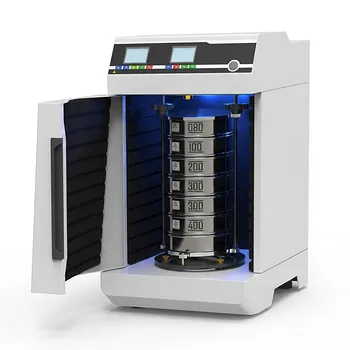
Laboratory Dry and Wet Three Dimensional Vibratory Sieve Shaker for Particle Analysis
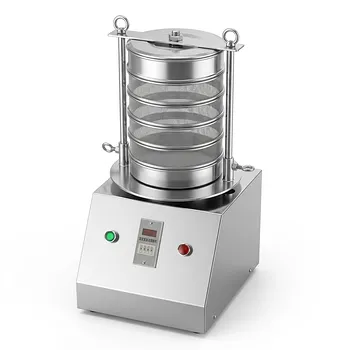
Stainless Steel Laboratory Vibratory Test Sieve Shaker
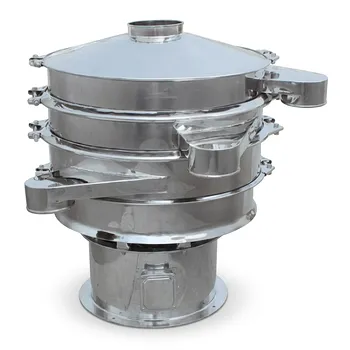
Stainless Steel Rotary Vibrating Sieve High Precision Circular Vibratory Separator Industrial Powder Grading Machine Multi Layer Sifting Equipment
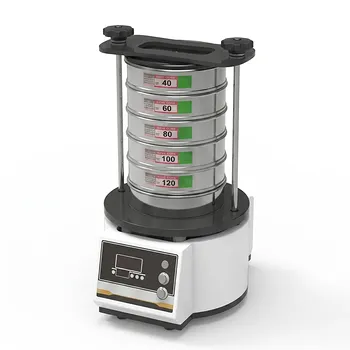
Dry Three Dimensional Vibratory Sieve Shaker
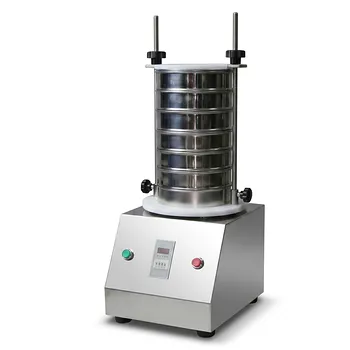
Small Laboratory Vibratory Sieve Shaker for Powder Gradation and Particle Size Analysis
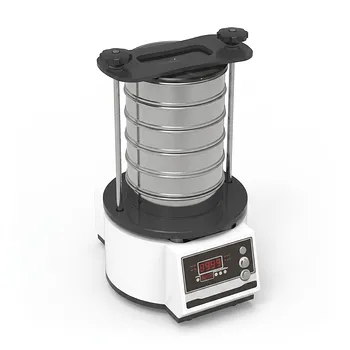
Tapping Oscillating Sieve Shaker for Dry and Wet Particle Size Analysis
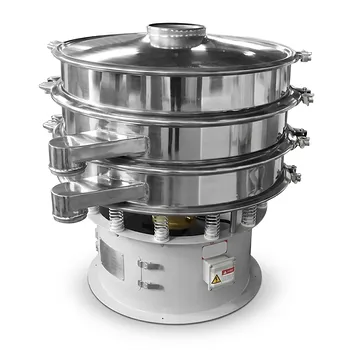
Three Dimensional Rotary Vibrating Sieve
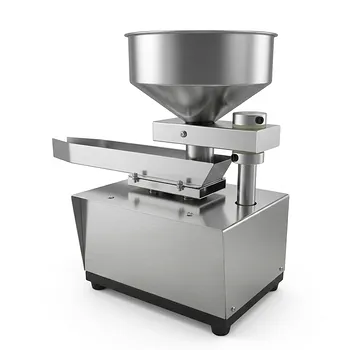
Automatic Vibrating Powder Feeder for Laboratory Material Processing Precision Vibratory Hopper Feeder for Granular and Powder Material Handling Industrial Grade Vibrating Tray Feeder for Consistent Material Sample Preparation
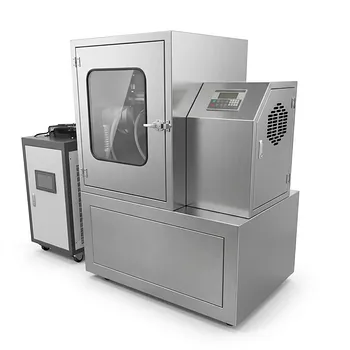
Vibratory Superfine Grinder for Ultra Fine Laboratory Powder Milling
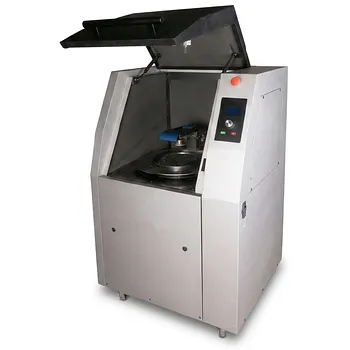
High Speed Vibratory Disc Mill for Spectral Analysis Sample Preparation and Rapid Powder Grinding
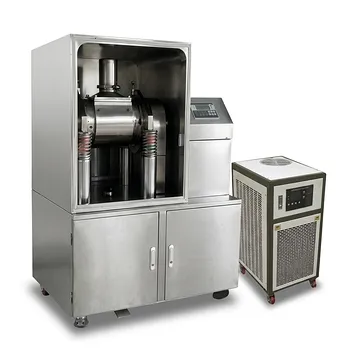
Small Vibrating Ultrafine Grinder for Traditional Chinese Medicine
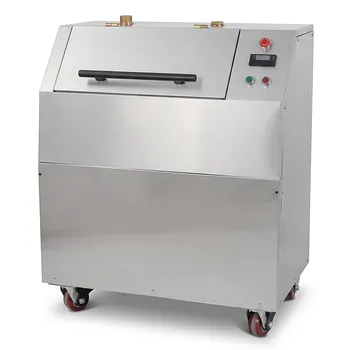
Vibratory Disc Mill for Rapid Fine Grinding and High Throughput Sample Preparation of Hard and Brittle Materials