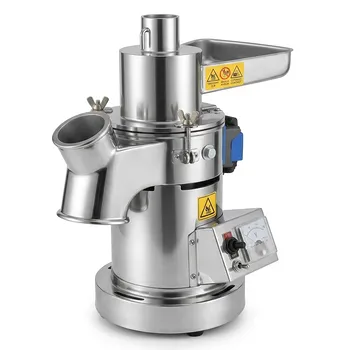
Why is a high-precision vibratory sieve shaker necessary for evaluating new foundry sand formulations?
Updated 5 months ago
Evaluating new foundry sand formulations requires high-precision vibratory sieve shakers to establish the exact Grain Fineness Number (GFN) and Particle Size Distribution (PSD). These metrics are the fundamental indicators of how a sand formulation will behave under thermal and mechanical stress during the casting process.
Core Takeaway: Precision sieving provides the empirical data necessary to ensure that new or recycled sand formulations match the physical characteristics of standard silica sand, directly influencing mold permeability, surface finish, and dimensional accuracy.
The Influence of Particle Size on Mold Performance
Balancing Permeability and Surface Finish
Sand grain size dictates the "breathability" of a mold, known as permeability. A high-precision shaker identifies the distribution of fines that, if too high, can block gas escape and cause casting defects; if the sand is too coarse, the surface finish of the casting will suffer.
Mechanical Strength and Grain Fineness
The Grain Fineness Number (GFN) is a critical calculation derived from precise sieving data. This number helps engineers predict the bonding strength of the sand mixture, as the total grain surface area determines the volume of binder required to maintain a stable mold.
Optimizing Additive Integration
During the processing of molding sand additives, high-precision shakers ensure that materials like silica and alumina achieve an extremely fine and consistent size. This uniformity is critical for optimizing the distribution of these minerals within the green sand mixture, directly affecting bonding strength.
Enhancing Accuracy Through Automated Vibration
Eliminating Manual Variability
High-precision shakers provide constant and uniform mechanical vibration energy. Unlike manual shaking, this ensures that every particle has an equal opportunity to penetrate the sieve apertures, leading to repeatable and scientifically valid results.
Monitoring the Material Evolution
In research involving inorganic sand, these shakers quantify how particle distribution shifts after multiple recycling cycles. They help detect the increase in coarse components due to agglomeration and the loss of critical fines, which can degrade core quality over time.
Achieving High Packing Density
Precise grading allows for the optimization of sand proportions to improve packing density. By understanding the micro-filling effect of different grain sizes, foundries can reduce the volume of binder needed while improving the volume stability of the final mold.
Understanding the Trade-offs and Pitfalls
The Risk of Sieve Blinding
If vibration energy is not precisely controlled, near-sized particles can "blind" or clog the sieve mesh. This leads to inaccurate data, often incorrectly suggesting a coarser distribution than actually exists in the formulation.
Over-Sieving and Particle Degradation
Excessive vibration time or intensity can physically degrade fragile sand grains or specialized additives. This "attrition" creates artificial fines during the test, skewing the results and leading to incorrect adjustments in the foundry's production line.
Equipment Calibration Requirements
High-precision shakers require regular calibration and standardized test sieves to remain effective. Using worn or out-of-tolerance sieves negates the benefits of the vibratory shaker, resulting in inconsistent Grain Fineness Numbers.
Applying Sieving Data to Your Foundry Goals
How to Apply This to Your Project
To maximize the value of your high-precision vibratory sieve shaker, tailor your analysis to your specific performance requirements.
- If your primary focus is Surface Finish: Use the shaker to strictly monitor and limit the percentage of coarse grains while maintaining a consistent GFN to avoid gas defects.
- If your primary focus is Resource Efficiency: Use precise sieving to monitor the evolution of recycled sand, adjusting binder levels based on the increase in coarse agglomerates.
- If your primary focus is Mold Strength: Prioritize the analysis of additive uniformity (such as 80 mesh benchmarks) to ensure silica and alumina are distributed evenly for maximum bonding.
Precision sieving is not merely a measurement step; it is the technical foundation for achieving metallurgical reliability and repeatable casting quality.
Summary Table:
| Key Metric/Process | Impact on Casting Quality | Role of Precision Sieve Shakers |
|---|---|---|
| Grain Fineness (GFN) | Determines binder volume & mold strength | Provides accurate calculations for predictable bonding. |
| Particle Size (PSD) | Controls permeability & surface finish | Balances gas escape (breathability) with smooth surfaces. |
| Additive Integration | Ensures uniform silica/alumina distribution | Verifies consistent size for optimal green sand mixing. |
| Recycling Monitoring | Tracks material evolution & fines loss | Detects agglomeration to maintain core quality over time. |
| Packing Density | Improves volume stability of the mold | Optimizes sand proportions via precise micro-filling data. |
Elevate Your Foundry Research with Professional Material Analysis Solutions
Achieving metallurgical reliability starts with precise sample preparation. At [Your Brand Name], we provide complete laboratory sample preparation solutions for material science, specializing in high-performance powder processing and compaction equipment.
Whether you are evaluating new sand formulations or optimizing recycled materials, our extensive product line ensures repeatable results:
- Sieve Analysis: High-precision vibratory and air-jet sieve shakers with standardized test sieves.
- Size Reduction: Advanced crushers (jaw/roll) and a variety of mills (planetary ball, jet, rotor, and cryogenic grinders).
- Powder Processing: Specialized powder and defoaming mixers for uniform additive distribution.
- Compaction & Pressing: A full spectrum of hydraulic presses, including Cold/Warm Isostatic Presses (CIP/WIP), vacuum hot presses, and XRF pellet presses.
Ready to optimize your GFN and PSD analysis? Contact our expert team today to discover how our equipment can enhance your lab's efficiency and casting quality.
References
- P. Nachimuthu, U. Effective Utilization of Industrial and Constructional Solid Waste Materials in Foundry Mould Making to Prevent Environment Pollution and Conserve Natural Silica Sand. DOI: 10.30955/gnj.005045
Mentioned Products
- Stainless Steel Rotary Vibrating Sieve High Precision Circular Vibratory Separator Industrial Powder Grading Machine Multi Layer Sifting Equipment
- Vibratory Sieve Shaker Electromagnetic 3D Motion Powder Particle Size Analyzer for Dry and Wet Sieving
- Laboratory Vibratory Test Sieve Shaker for Precision Particle Size Analysis and Powder Grading
- High Frequency Wet Three-Dimensional Vibrating Sieve Shaker for Dry and Wet Particle Size Analysis
- Heavy Duty Dry Three Dimensional Vibratory Sieve Shaker for Particle Separation
People Also Ask
- What is the significance of high-precision vibratory sieve machines for SMA? Optimize Aggregate Gradation & Durability
- What is the role of a laboratory-grade high-precision sieve in CPC-PCL? Ensure uniform powder distribution and stability.
- Why is high-precision sieving equipment necessary for aviation-grade composites? Optimize Fiber Strength & Consistency
- What is the function of high-precision vibratory sieve shakers in the analysis of brown rice particle size distribution?
- Why is a high-precision vibratory sieve shaker necessary for wood-polystyrene particles? Maximize composite strength.

Tech Team · PowderPreparation
Last updated on May 14, 2026
Related Products
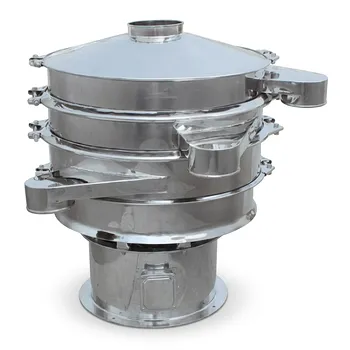
Stainless Steel Rotary Vibrating Sieve High Precision Circular Vibratory Separator Industrial Powder Grading Machine Multi Layer Sifting Equipment
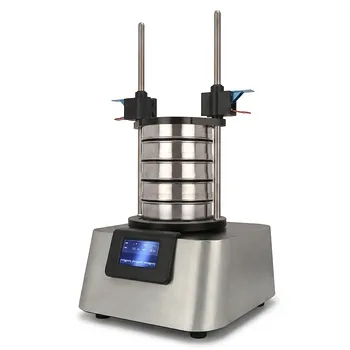
Vibratory Sieve Shaker Electromagnetic 3D Motion Powder Particle Size Analyzer for Dry and Wet Sieving
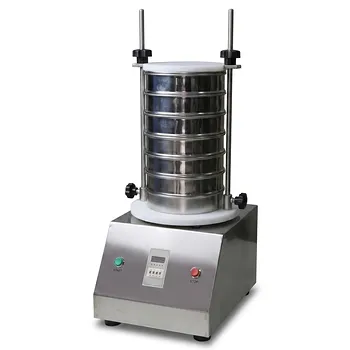
Laboratory Vibratory Test Sieve Shaker for Precision Particle Size Analysis and Powder Grading
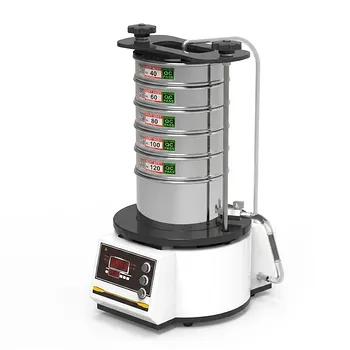
High Frequency Wet Three-Dimensional Vibrating Sieve Shaker for Dry and Wet Particle Size Analysis
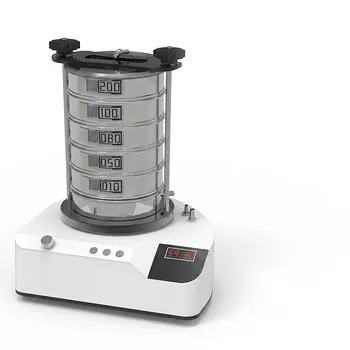
Heavy Duty Dry Three Dimensional Vibratory Sieve Shaker for Particle Separation
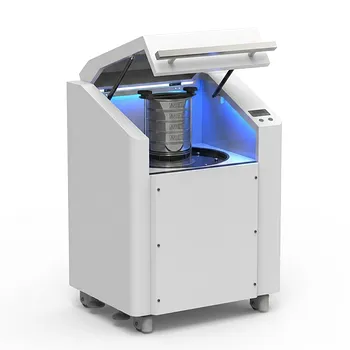
High Frequency Cabinet Type Three-Dimensional Rotary Vibrating Sieve Shaker for Dry Sieving and Particle Classification
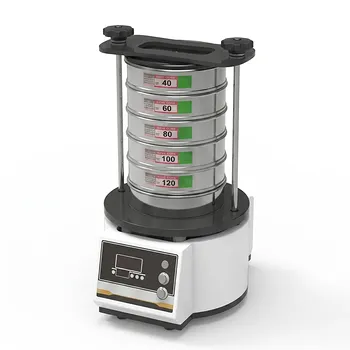
Dry Three Dimensional Vibratory Sieve Shaker
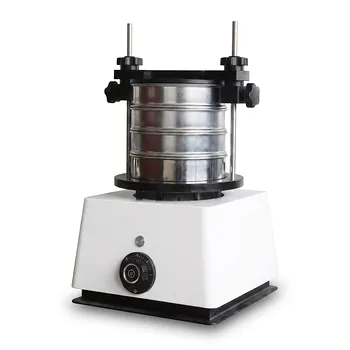
Small Laboratory Vibrating Sieve Shaker for Precise Particle Size Analysis
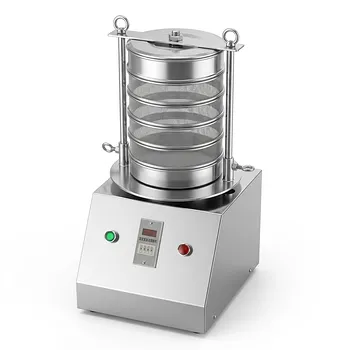
Stainless Steel Laboratory Vibratory Test Sieve Shaker
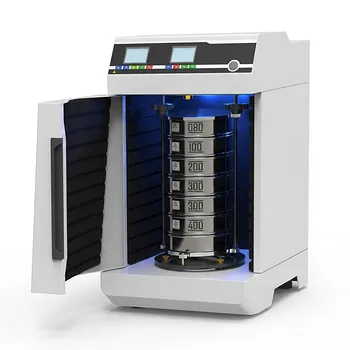
Laboratory Dry and Wet Three Dimensional Vibratory Sieve Shaker for Particle Analysis
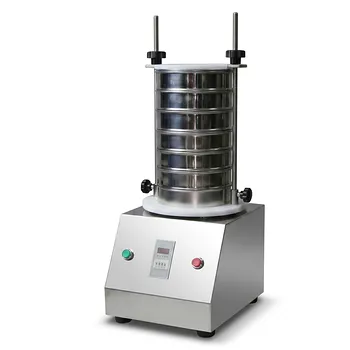
Small Laboratory Vibratory Sieve Shaker for Powder Gradation and Particle Size Analysis
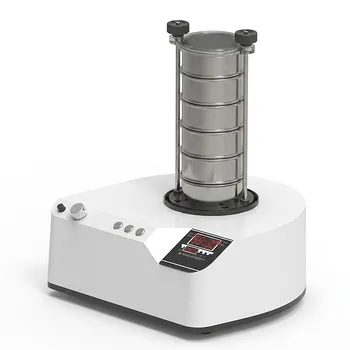
三维电磁微量振动筛分仪
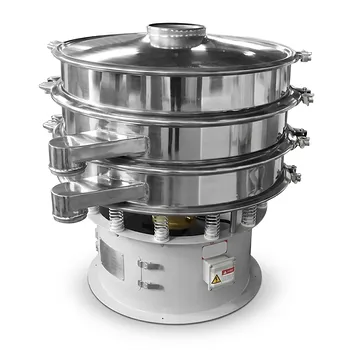
Three Dimensional Rotary Vibrating Sieve
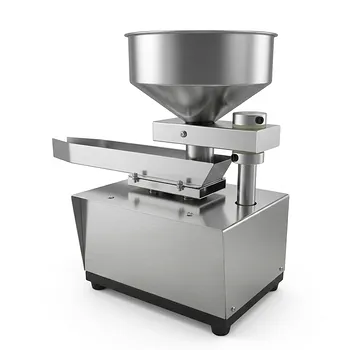
Automatic Vibrating Powder Feeder for Laboratory Material Processing Precision Vibratory Hopper Feeder for Granular and Powder Material Handling Industrial Grade Vibrating Tray Feeder for Consistent Material Sample Preparation
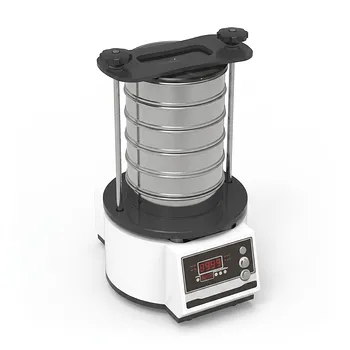
Tapping Oscillating Sieve Shaker for Dry and Wet Particle Size Analysis
Vibratory Superfine Grinder for Ultra Fine Laboratory Powder Milling
Small High-Speed Swing Grinder for Laboratory Sample Preparation