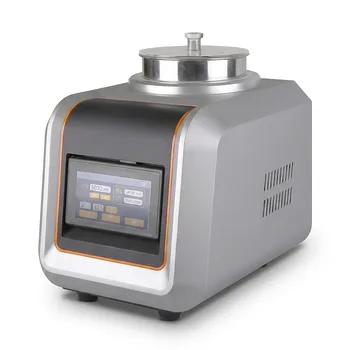
Why is a high-precision vibratory sieve shaker essential for analyzing heavy metal distribution in mature compost?
Updated 5 months ago
A high-precision vibratory sieve shaker is the only reliable method for physically isolating specific particle size fractions to determine exactly where heavy metals are concentrated. By separating mature compost into precise ranges—from less than 0.05 mm to greater than 2 mm—this equipment identifies the enrichment patterns of contaminants like copper and zinc. This data allows producers to mechanically remove the most contaminated fractions, significantly improving the safety and quality of the final compost.
Core Takeaway: High-precision vibratory sieving transforms compost analysis from a general overview into a targeted diagnostic tool. It provides the empirical data necessary to remove heavy-metal-rich fine particles, ensuring the final product meets environmental safety standards for agricultural use.
Mapping Heavy Metal Enrichment Patterns
Pinpointing Contaminant Location
Heavy metals in mature compost do not distribute themselves evenly across all particles. Research shows that metals like copper and zinc often exhibit higher concentrations in specific size fractions, particularly in finer particles. A vibratory shaker allows researchers to isolate these fractions to understand the "loading" of each size grade.
Facilitating Advanced Chemical Testing
Accurate physical separation is a prerequisite for sequential extraction processes. By classifying the compost into distinct grades (e.g., <75μm to >1000μm), scientists can perform more detailed assessments of soil pollution levels and metal bioavailability. This granularity is impossible to achieve through manual or low-precision methods.
Quantifying the "Fines" Impact
In many compost samples, the smallest particles (the "fines") carry the highest toxic load. The sieve shaker provides the direct data needed to calculate the percentage of total metal content residing in these fines. This quantification is the scientific basis for deciding whether mechanical screening is a viable remediation strategy.
Standardizing the Separation Process
Ensuring Repeatability and Accuracy
Manual sieving introduces human error and inconsistent force, which can lead to inaccurate particle distribution data. A vibratory sieve shaker uses controlled frequencies and durations to ensure that every sample is processed identically. This standardization is critical for comparing different batches of compost or meeting regulatory quality standards.
Breaking Down Aggregates
Mature compost often contains moist or sticky organic matter that clumps together, trapping heavy metals in "false" large particles. The mechanical vibration of a high-precision shaker provides the necessary energy to break these agglomerates without destroying the primary particles. This ensures that the metals are categorized based on their true physical residence.
Optimizing Sieve Efficiency
High-precision units allow for the simultaneous use of multiple standard test sieves in a single stack. This automated vertical and lateral movement ensures that every particle has maximum opportunity to pass through the mesh apertures. This efficiency is vital when processing the diverse and complex textures found in organic waste.
Understanding the Trade-offs and Pitfalls
The Risk of Particle Attrition
Excessive vibration intensity or duration can cause particle attrition, where fragile organic components break into smaller pieces during the test. This creates "artificial fines" that can skew the heavy metal distribution data. Operators must calibrate the shaker to provide enough energy for separation without degrading the sample.
Managing Moisture and Sieve Blinding
Compost with high moisture content can cause sieve blinding, where damp particles clog the mesh openings. This prevents accurate classification and can lead to an underestimation of the fine particle fraction. Proper pre-drying of the compost is often required to ensure the vibratory shaker performs effectively.
Applying Sieving Data to Your Project
How to Utilize Results Based on Your Objectives
Once the distribution of heavy metals is mapped, the data serves different strategic goals depending on your focus.
- If your primary focus is product safety: Use the sieving data to identify which fine mesh size captures the highest concentration of copper and zinc, then implement industrial-scale screening to remove those specific fractions.
- If your primary focus is process optimization: Analyze the particle size distribution (PSD) to determine if your composting duration or feedstock mix is contributing to excessive metal-rich fines.
- If your primary focus is regulatory compliance: Utilize the standardized vibratory method to generate repeatable, defensible data for environmental impact reports and quality assurance certifications.
By integrating high-precision vibratory sieving into your analytical workflow, you move from guessing about contamination to scientifically managing it.
Summary Table:
| Feature | Benefit for Compost Analysis | Key Consideration |
|---|---|---|
| Particle Isolation | Pinpoints heavy metal (Cu/Zn) hotspots in specific fractions | Essential for identifying toxic 'fines' |
| Mechanical Vibration | Breaks organic aggregates to reveal true metal residence | Calibrate to avoid particle attrition |
| Standardization | Provides repeatable, defensible data for regulatory compliance | Best results with pre-dried samples |
| Multi-Sieve Stacking | Enables simultaneous classification of multiple size grades | Increases lab throughput and efficiency |
Optimize Your Environmental Analysis with Precision Equipment
Isolating contaminants in organic waste requires accuracy that only professional-grade equipment can provide. At [Brand Name], we provide complete laboratory sample preparation solutions for material science, specializing in high-performance powder processing and compaction technology.
Whether you are mapping heavy metal distribution or optimizing feedstock, our extensive product line supports your entire workflow:
- Sieving & Particle Analysis: Vibratory and air-jet sieve shakers with a full range of precision test sieves.
- Milling & Grinding: Planetary ball mills, jet mills, and liquid nitrogen cryogenic grinders for ultrafine results.
- Crushing: Robust jaw and roll crushers for primary sample reduction.
- Material Compaction: A full spectrum of hydraulic presses, including Cold/Warm Isostatic Presses (CIP/WIP), vacuum hot presses, and XRF pellet presses.
Ready to elevate your research standards? Contact our experts today to find the perfect configuration for your laboratory and ensure your final product meets the highest safety standards.
References
- Rafael Clemente, M.P. Bernal. Extractability, Distribution Among Different Particle Size Fractions, and Phytotoxicity of Cu and Zn in Composts Made With the Separated Solid Fraction of Pig Slurry. DOI: 10.3389/fsufs.2020.00002
Mentioned Products
- High Frequency Wet Three-Dimensional Vibrating Sieve Shaker for Dry and Wet Particle Size Analysis
- Laboratory Vibratory Test Sieve Shaker for Precision Particle Size Analysis and Powder Grading
- High Frequency Cabinet Type Three-Dimensional Rotary Vibrating Sieve Shaker for Dry Sieving and Particle Classification
- Vibratory Sieve Shaker Electromagnetic 3D Motion Powder Particle Size Analyzer for Dry and Wet Sieving
- Heavy Duty Dry Three Dimensional Vibratory Sieve Shaker for Particle Separation
People Also Ask
- Why are vibrating sieve shakers used with standard test sieves? Ensure Precise Grading for Recycled Aggregates
- What is the function of high-frequency vibratory sieve shakers in AMC powders? Master Particle Grading & PSD Control
- How does a vibratory sieve shaker contribute to optimizing the performance of activated carbon? Enhance Adsorption Precision
- Why is it essential to use a vibrating sieve shaker for the final grading of dietary fiber products? Master Quality.
- What is the role of a high-frequency vibratory sieve shaker in Cold Mix asphalt design? Optimize RAP Gradation Accuracy

Tech Team · PowderPreparation
Last updated on May 14, 2026
Related Products
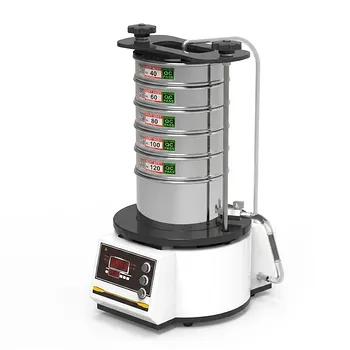
High Frequency Wet Three-Dimensional Vibrating Sieve Shaker for Dry and Wet Particle Size Analysis

Laboratory Vibratory Test Sieve Shaker for Precision Particle Size Analysis and Powder Grading
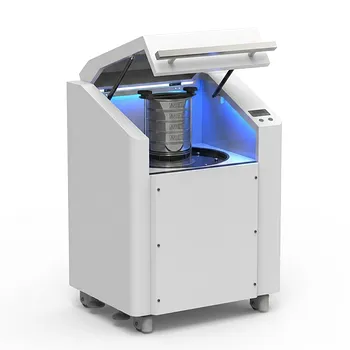
High Frequency Cabinet Type Three-Dimensional Rotary Vibrating Sieve Shaker for Dry Sieving and Particle Classification

Vibratory Sieve Shaker Electromagnetic 3D Motion Powder Particle Size Analyzer for Dry and Wet Sieving

Heavy Duty Dry Three Dimensional Vibratory Sieve Shaker for Particle Separation

三维电磁微量振动筛分仪

Small Laboratory Vibrating Sieve Shaker for Precise Particle Size Analysis
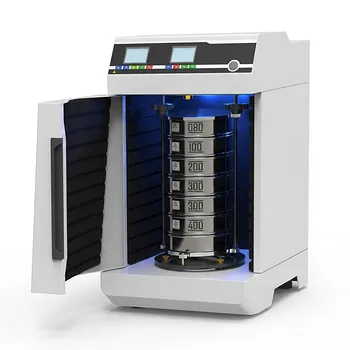
Laboratory Dry and Wet Three Dimensional Vibratory Sieve Shaker for Particle Analysis
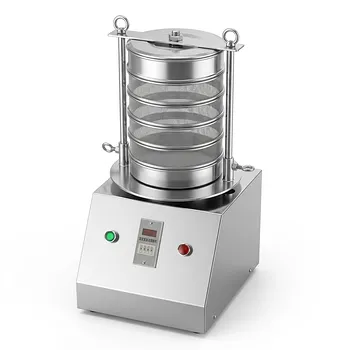
Stainless Steel Laboratory Vibratory Test Sieve Shaker

Stainless Steel Rotary Vibrating Sieve High Precision Circular Vibratory Separator Industrial Powder Grading Machine Multi Layer Sifting Equipment

Dry Three Dimensional Vibratory Sieve Shaker

Small Laboratory Vibratory Sieve Shaker for Powder Gradation and Particle Size Analysis

Tapping Oscillating Sieve Shaker for Dry and Wet Particle Size Analysis

Three Dimensional Rotary Vibrating Sieve
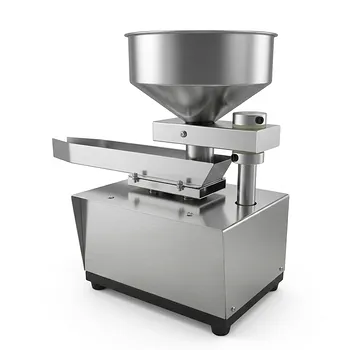
Automatic Vibrating Powder Feeder for Laboratory Material Processing Precision Vibratory Hopper Feeder for Granular and Powder Material Handling Industrial Grade Vibrating Tray Feeder for Consistent Material Sample Preparation
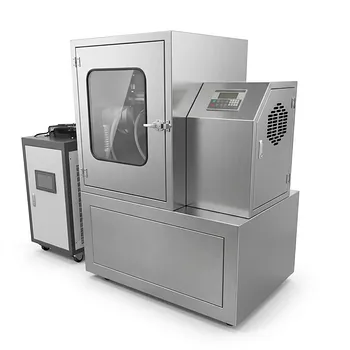
Vibratory Superfine Grinder for Ultra Fine Laboratory Powder Milling
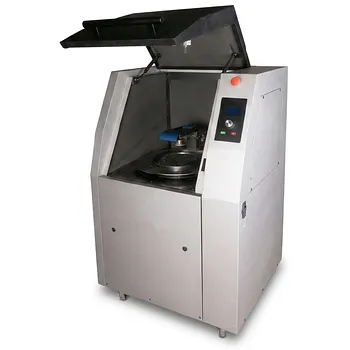
High Speed Vibratory Disc Mill for Spectral Analysis Sample Preparation and Rapid Powder Grinding
Small Vibrating Ultrafine Grinder for Traditional Chinese Medicine
Vibratory Disc Mill for Rapid Fine Grinding and High Throughput Sample Preparation of Hard and Brittle Materials