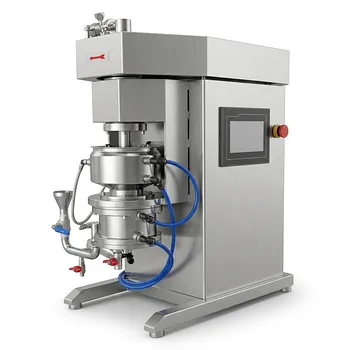
Why is a ceramic lining preferred over stainless steel for a bead mill? Protect Enzymes and Ensure Biomass Purity
Updated 4 months ago
Choosing a ceramic lining is the most effective way to prevent metal ion contamination, which directly protects the delicate biological enzymes used in biomass processing. When processing materials like SESC lignin, stainless steel vessels can release trace metal ions that bond with and inactivate enzymes. Ceramic materials provide a chemically inert environment that preserves catalytic efficiency and ensures the integrity of the extraction process.
Ceramic linings act as a critical safeguard for enzymatic activity by eliminating the risk of metal-induced denaturation. This inertness is essential for maintaining high yield and purity when processing sensitive biomass raw materials.
The Impact of Material Composition on Enzymatic Stability
Metal Ion Interference
Stainless steel, while durable, contains various metal ions that can leach into the biomass slurry during the high-energy grinding of a bead mill. These metal ions often act as inhibitors, binding to the active sites of biological enzymes and rendering them ineffective.
Chemical Inertness of Ceramics
Ceramic linings are valued for their extreme chemical stability and lack of reactive metal components. This inertness ensures that the interior of the milling vessel does not participate in or interfere with the complex biochemical reactions required for lignin extraction.
Optimizing the Extraction Environment
Preserving Catalytic Efficiency
In the preparation of SESC lignin, the efficiency of the process depends entirely on the health of the enzymes. By using a ceramic lining, operators create a stable environment where enzymes can operate at peak performance without the risk of premature inactivation.
Ensuring Process Repeatability
The use of non-reactive surfaces leads to more consistent and predictable results across different batches. Without the variable of fluctuating metal ion concentrations, the extraction parameters remain focused solely on the biomass characteristics.
Understanding the Trade-offs
Mechanical Sensitivity
While ceramics offer superior chemical protection, they are more brittle than stainless steel. They are susceptible to cracking or chipping if subjected to sudden mechanical impacts or extreme thermal shock during operation.
Initial Investment and Maintenance
Ceramic linings generally involve higher upfront costs and require specialized handling during installation and cleaning. A failure to manage temperature gradients during the milling process can lead to costly repairs compared to the relative "toughness" of steel components.
How to Apply This to Your Project
When selecting the interior components for your bead mill, the decision should be driven by the specific biochemical sensitivity of your raw materials.
- If your primary focus is enzyme-driven biomass extraction: Use a ceramic lining to ensure that leached metal ions do not compromise your catalytic efficiency or final product purity.
- If your primary focus is heavy-duty mechanical durability with non-sensitive materials: A high-grade stainless steel or hardened alloy may be more cost-effective if enzymatic activity is not a factor in your process.
- If your primary focus is achieving the highest possible lignin yield: Prioritize ceramic components to maintain the "bio-integrity" of the slurry throughout the intensive milling cycle.
By prioritizing chemical inertness over mechanical convenience, you ensure that your biomass processing remains efficient, predictable, and biologically viable.
Summary Table:
| Feature | Ceramic Lining | Stainless Steel Lining |
|---|---|---|
| Contamination Risk | Zero metal ion leaching | High risk of metal ion release |
| Enzyme Impact | Preserves catalytic activity | Can bind to and inactivate enzymes |
| Chemical Inertness | Extremely high | Moderate (can react with acidic/basic slurries) |
| Durability | Brittle; sensitive to thermal shock | Highly durable; impact resistant |
| Best Use Case | SESC lignin & enzyme-sensitive biomass | Heavy-duty mechanical processing |
Enhance Your Biomass Extraction with Precision Equipment
Are you looking to maximize lignin yield or protect sensitive biological catalysts? At [Your Brand Name], we provide complete laboratory sample preparation solutions tailored for material science and biotechnology.
Whether you need bead mills with specialized ceramic linings to prevent contamination or robust powder processing and compaction equipment, our extensive line has you covered. Our expertise spans from crushers and cryogenic grinders to planetary ball mills, jet mills, and vibratory sieve shakers. For advanced material forming, we also manufacture a full spectrum of Hydraulic Presses, including CIP/WIP, hot presses, and vacuum hot presses.
Don't let metal contamination compromise your research results. Contact our technical experts today to find the perfect milling solution for your specific biomass application!
References
- Kazuhiro Shikinaka, Yuichiro Otsuka. Nonflammable UV protective films consisting of clay and lignin with tunable light/gas transparency. DOI: 10.1039/d1ra04096k
Mentioned Products
- Horizontal Bead Mill for Nanoscale Grinding and Advanced Material Powder Processing
- Vertical Nano Bead Mill for Ceramic Materials with Permanent Magnet Motor and High Efficiency Grinding
- Laboratory Horizontal Bead Mill for Nanomaterial Wet Grinding and Material Science Research
- High Efficiency Laboratory Bead Mill Nano Powder Dispersion Sand Mill for Material Science Research
- Nano Laboratory Bead Mill Desktop Sub Micron Sand Mill Screenless Seal Less Powder Grinder
People Also Ask
- How does the bead filling rate affect the grinding performance and equipment wear in a bead mill? Optimization Guide
- Why is it necessary to precisely control the grinding media loading ratio? Master Nanosuspension Yield & API Stability
- Why is an external cooling circulation system necessary during the high-speed operation of a bead mill? Protect Integrity
- Why is the filling rate of grinding beads strictly controlled during the material milling process? Optimize Efficiency.
- What is the significance of the stirring speed in Budesonide nano-milling? Master Kinetic Energy for Drug Refinement

Tech Team · PowderPreparation
Last updated on Jun 03, 2026
Related Products
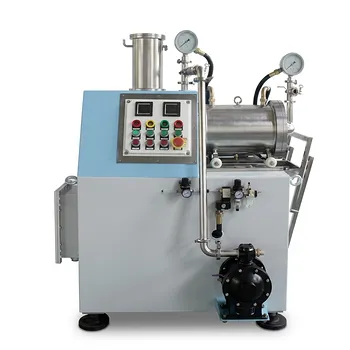
Horizontal Bead Mill for Nanoscale Grinding and Advanced Material Powder Processing
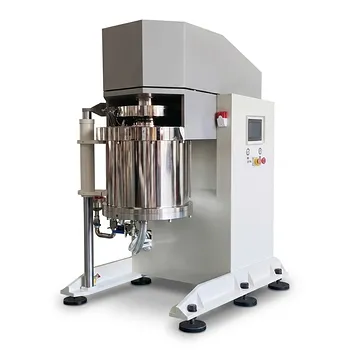
Vertical Nano Bead Mill for Ceramic Materials with Permanent Magnet Motor and High Efficiency Grinding
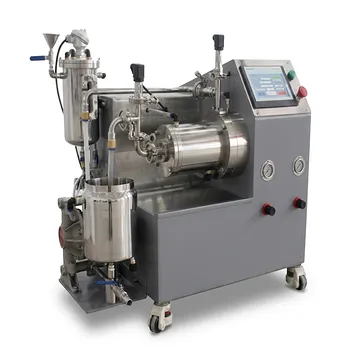
Laboratory Horizontal Bead Mill for Nanomaterial Wet Grinding and Material Science Research
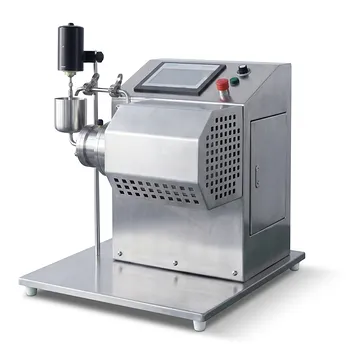
High Efficiency Laboratory Bead Mill Nano Powder Dispersion Sand Mill for Material Science Research
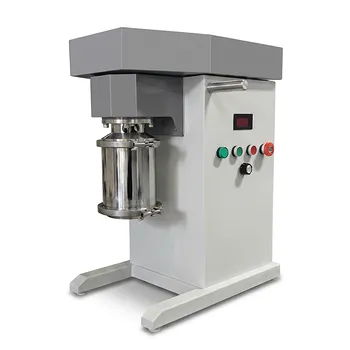
Nano Laboratory Bead Mill Desktop Sub Micron Sand Mill Screenless Seal Less Powder Grinder
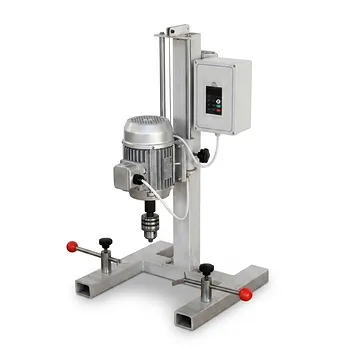
Laboratory Disperser and Sand Mill for Grinding Dispersing Emulsifying
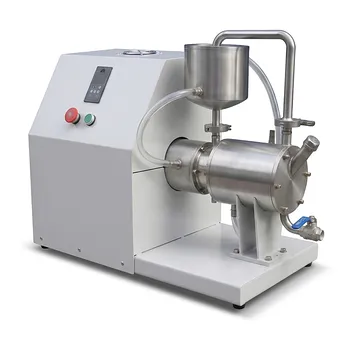
Laboratory Small Horizontal Sand Mill for Nano Materials Wet Grinding
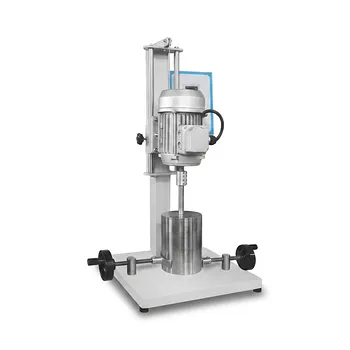
Laboratory Basket Sand Mill for Wet Grinding and Dispersion of Viscous Slurries
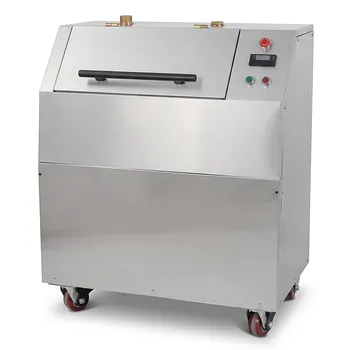
Vibratory Disc Mill for Rapid Fine Grinding and High Throughput Sample Preparation of Hard and Brittle Materials
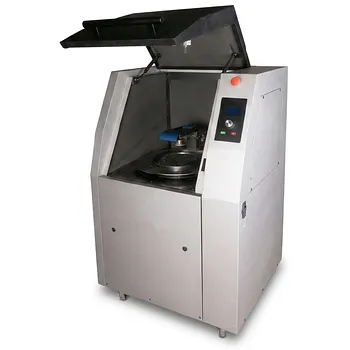
High Speed Vibratory Disc Mill for Spectral Analysis Sample Preparation and Rapid Powder Grinding
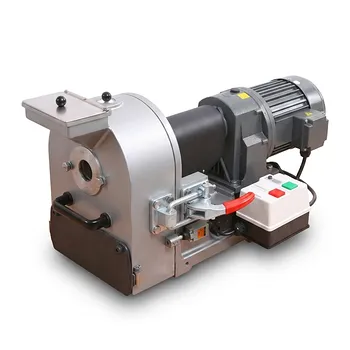
Laboratory Disc Mill for Fine Sample Preparation of Hard and Brittle Materials

Heavy Duty Horizontal Planetary Ball Mill for Efficient Industrial Grinding and Sample Preparation

Vertical Production Planetary Ball Mill for High Throughput Powder Processing
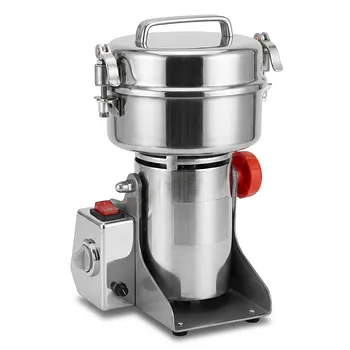
High Speed Laboratory Powder Grinder Small Batch Sample Preparation Mill
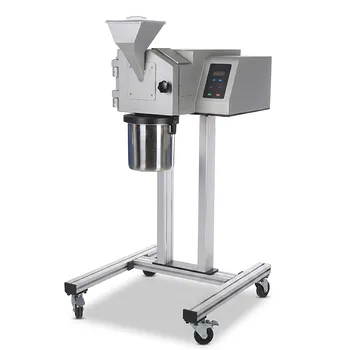
Cross Beater Mill for Brittle Material Grinding and Continuous Fine Crushing Industrial Sample Preparation
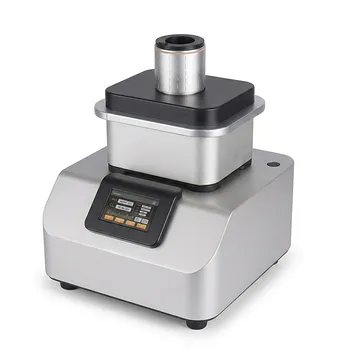
Ultra Centrifugal Mill High Speed Laboratory Grinder for Fibrous and Brittle Sample Preparation

High Energy Omnidirectional Planetary Ball Mill 16L

High Energy Planetary Ball Mill for Nano Scale Grinding and Mechanical Alloying
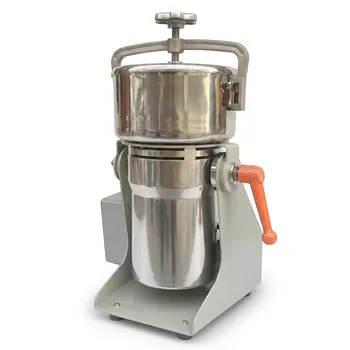
High Speed Laboratory Grinder Efficient Stainless Steel Powder Pulverizer Universal Material Science Mill for Sample Preparation