Why is it necessary to precisely control the grinding media loading ratio? Master Nanosuspension Yield & API Stability
Updated 4 months ago
Precise control of the grinding media loading ratio—often referred to as bead loading—is the primary lever for regulating energy density and particle breakage kinetics during milling. It is necessary because the loading ratio dictates the "effective collision frequency" and "stress energy" required to reach nanometer scales while preventing thermal degradation, excessive equipment wear, and unintended changes to the drug’s physical state.
Core Takeaway: Precise bead loading optimizes the balance between mechanical energy input and system constraints, ensuring efficient particle size reduction without compromising pharmaceutical stability or process yield.
Maximizing Collision Frequency and Breakage Kinetics
The Impact on Effective Collision Events
The loading ratio directly determines the number of effective collision events occurring within the milling chamber. Increasing the ratio enhances the frequency of particle breakage, which significantly accelerates the reduction of drug particles to the nano-scale.
Optimizing the Stress Energy Model
According to the stress energy model, the filling rate determines the stress energy and stress number applied to drug particles. An optimal ratio ensures that each collision carries sufficient energy to fracture the solid drug without being so frequent that energy is wasted as heat.
Regulating Drug Crystallinity
The intensity of mechanical energy input, influenced by the media volume, can alter the drug's physical state. Precise loading helps maintain the nanocrystalline state or promotes amorphization, allowing manufacturers to customize drug release kinetics.
Maintaining Thermal and Mechanical Equilibrium
Controlling Frictional Heat
High-concentration nanosuspensions are sensitive to thermal loads generated by friction between beads. Precise loading prevents the generation of surplus heat that could degrade temperature-sensitive active pharmaceutical ingredients (APIs).
Protecting Equipment and Media
An optimized filling rate protects the milling equipment and the grinding media from unnecessary wear. If the loading is too high, the mechanical load increases exponentially, potentially introducing impurities into the pharmaceutical product from bead erosion.
Balancing Processing Capacity
Finding the "sweet spot" in loading allows for a high production yield while maintaining thermal equilibrium. This balance ensures the process is commercially viable and reproducible across different batches.
Managing Slurry Rheology and Movement Trajectory
Preventing the Cushioning Effect
Excessive bead loading can create a cushioning effect where the beads are so densely packed that they cannot move freely. This restriction reduces the impact forces and significantly lowers the specific productivity of the mill.
Ensuring Space for Acceleration
A specific amount of free space (often resulting in an 80% filling rate) is required for beads to accelerate. This space allows the media to achieve the trajectory necessary to maximize the kinetic energy transferred during each impact.
Influencing Slurry Flow and Viscosity
The media loading ratio alters the rheological behavior of the drug slurry within the chamber. Proper loading ensures the suspension remains fluid enough to circulate, preventing "dead zones" where particles escape the grinding process.
Understanding the Trade-offs and Pitfalls
The Risk of Underfilling
Insufficient loading leads to a dramatic decrease in grinding performance because there are too few collision points. This results in longer processing times and an inability to reach the target particle size distribution.
The Danger of Overfilling
Overfilling restricts media movement and increases viscous resistance, which converts mechanical energy into heat rather than breakage. This not only risks API degradation but can also lead to mechanical failure of the agitator system.
Media Size and Density Interactions
The optimal loading ratio is not a static number; it must be adjusted based on the density and diameter of the beads. High-density media require more precise volume control to prevent excessive stress energy that could damage the crystalline structure of the drug.
How to Apply Loading Ratios to Your Process
Recommendations for Implementation
- If your primary focus is Maximum Throughput: Maintain a higher filling rate (e.g., 80-85%) to maximize collision frequency, provided your cooling system can manage the increased thermal load.
- If your primary focus is API Stability: Use a lower loading ratio or lower-density media to reduce the stress energy and keep the drug in a stable nanocrystalline state.
- If your primary focus is Narrow Particle Size Distribution: Optimize the ball-to-powder ratio (often 5:1 or similar) to ensure every particle experiences a consistent number of high-energy impacts.
Achieving the perfect bead loading ratio transforms a volatile milling environment into a controlled, high-performance pharmaceutical manufacturing process.
Summary Table:
| Key Factor | Impact of Precise Loading | Risk of Incorrect Loading |
|---|---|---|
| Collision Frequency | Maximizes breakage kinetics for nano-scales | Low productivity or wasted energy |
| Thermal Control | Prevents heat-induced API degradation | Thermal damage to sensitive compounds |
| Equipment Wear | Minimizes media erosion and impurities | High maintenance and product contamination |
| Slurry Rheology | Maintains fluid flow and prevents dead zones | "Cushioning effect" that halts grinding |
| Energy Density | Ensures consistent stress energy per impact | Inconsistent particle size distribution |
Achieve Pharmaceutical Excellence with Precision Milling
Optimizing your nanosuspension yield requires both technical expertise and high-performance equipment. At Our Company, we provide complete laboratory sample preparation solutions tailored for material science and pharmaceutical innovation.
We specialize in advanced powder processing and compaction equipment, including:
- Precision Milling: Planetary ball mills, jet mills, and cryogenic grinders for sensitive APIs.
- Powder Handling: High-efficiency mixers, defoaming mixers, and vibratory sieve shakers.
- Advanced Compaction: A full spectrum of hydraulic presses, including Cold/Warm Isostatic Presses (CIP/WIP), vacuum hot presses, and XRF pellet presses.
Ready to enhance your lab's efficiency and ensure the stability of your pharmaceutical products? Contact our technical experts today to find the perfect equipment solution for your specific application requirements!
References
- Meng Li, Ecevit Bilgili. An Intensified Vibratory Milling Process for Enhancing the Breakage Kinetics during the Preparation of Drug Nanosuspensions. DOI: 10.1208/s12249-015-0364-3
Mentioned Products
- Horizontal Bead Mill for Nanoscale Grinding and Advanced Material Powder Processing
- Vertical Nano Bead Mill for Ceramic Materials with Permanent Magnet Motor and High Efficiency Grinding
- Laboratory Horizontal Bead Mill for Nanomaterial Wet Grinding and Material Science Research
- High Efficiency Laboratory Bead Mill Nano Powder Dispersion Sand Mill for Material Science Research
- Nano Laboratory Bead Mill Desktop Sub Micron Sand Mill Screenless Seal Less Powder Grinder
People Also Ask
- How does the bead filling rate affect the grinding performance and equipment wear in a bead mill? Optimization Guide
- Why is a ceramic lining preferred over stainless steel for a bead mill? Protect Enzymes and Ensure Biomass Purity
- Why is an external cooling circulation system necessary during the high-speed operation of a bead mill? Protect Integrity
- Why is the filling rate of grinding beads strictly controlled during the material milling process? Optimize Efficiency.
- What is the significance of the stirring speed in Budesonide nano-milling? Master Kinetic Energy for Drug Refinement

Tech Team · PowderPreparation
Last updated on Jun 03, 2026
Related Products
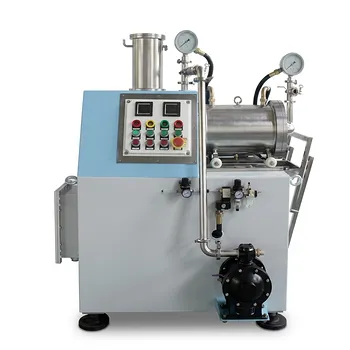
Horizontal Bead Mill for Nanoscale Grinding and Advanced Material Powder Processing
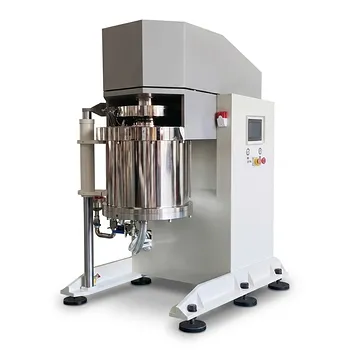
Vertical Nano Bead Mill for Ceramic Materials with Permanent Magnet Motor and High Efficiency Grinding
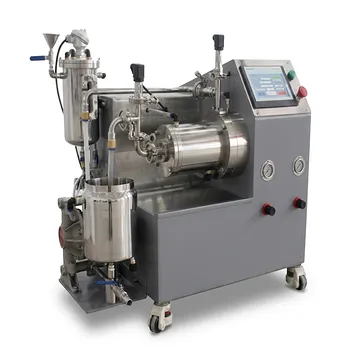
Laboratory Horizontal Bead Mill for Nanomaterial Wet Grinding and Material Science Research
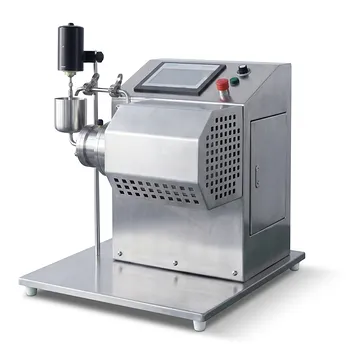
High Efficiency Laboratory Bead Mill Nano Powder Dispersion Sand Mill for Material Science Research
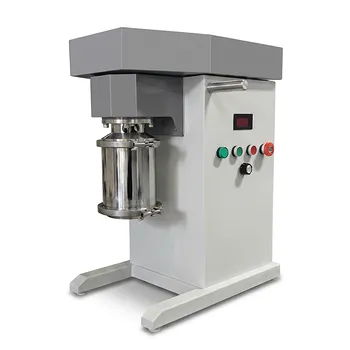
Nano Laboratory Bead Mill Desktop Sub Micron Sand Mill Screenless Seal Less Powder Grinder
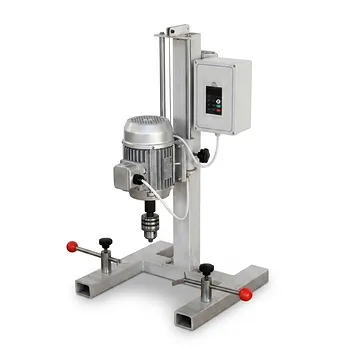
Laboratory Disperser and Sand Mill for Grinding Dispersing Emulsifying
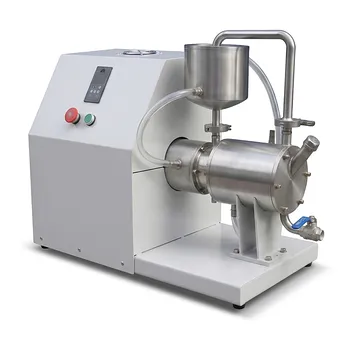
Laboratory Small Horizontal Sand Mill for Nano Materials Wet Grinding
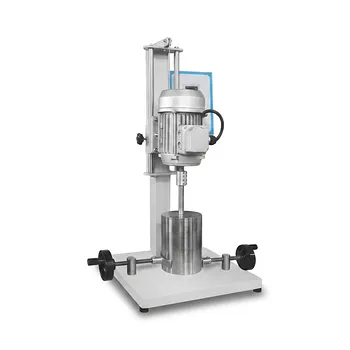
Laboratory Basket Sand Mill for Wet Grinding and Dispersion of Viscous Slurries
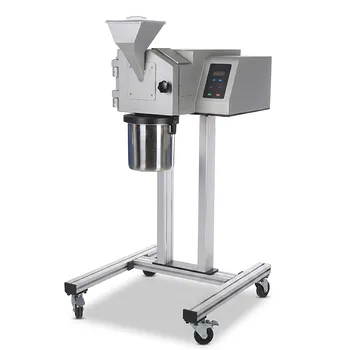
Cross Beater Mill for Brittle Material Grinding and Continuous Fine Crushing Industrial Sample Preparation
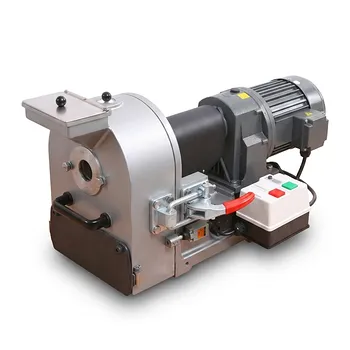
Laboratory Disc Mill for Fine Sample Preparation of Hard and Brittle Materials
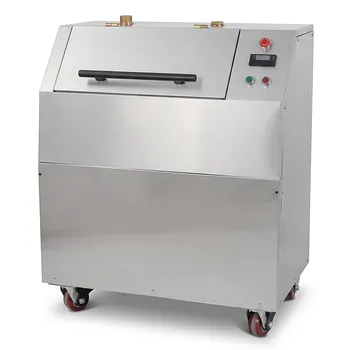
Vibratory Disc Mill for Rapid Fine Grinding and High Throughput Sample Preparation of Hard and Brittle Materials
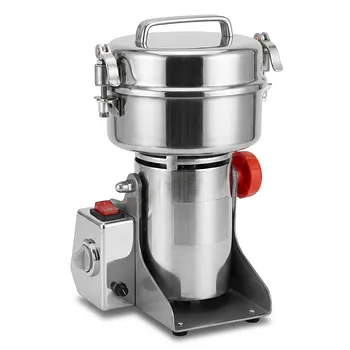
High Speed Laboratory Powder Grinder Small Batch Sample Preparation Mill
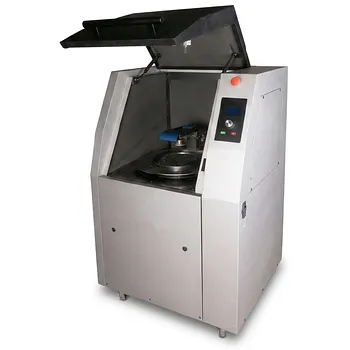
High Speed Vibratory Disc Mill for Spectral Analysis Sample Preparation and Rapid Powder Grinding
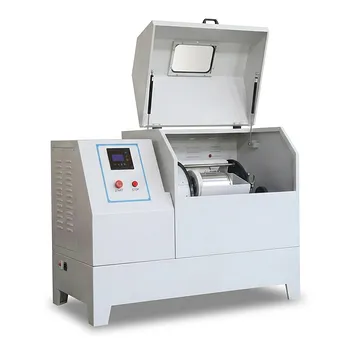
Heavy Duty Horizontal Planetary Ball Mill for Efficient Industrial Grinding and Sample Preparation

Vertical Production Planetary Ball Mill for High Throughput Powder Processing
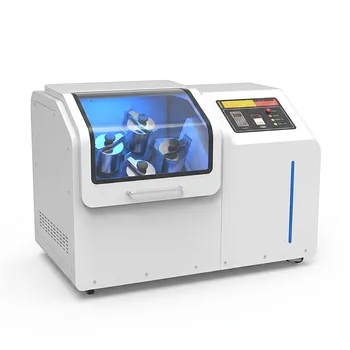
High Energy Omnidirectional Planetary Ball Mill 16L
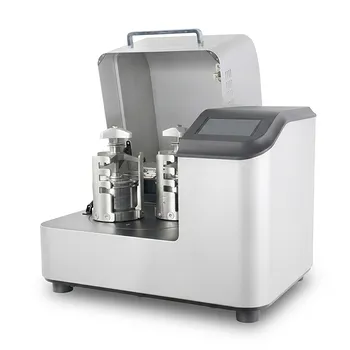
High Energy Planetary Ball Mill for Nano Scale Grinding and Mechanical Alloying

360° Rotating Omnidirectional Laboratory Planetary Ball Mill for Homogeneous Ultra-Fine Grinding and Mixing
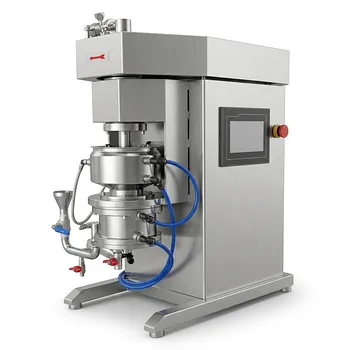
Small Ceramic Structure Laboratory Sand Mill Nanoscale Grinding Dispersion Equipment Seal-less Screen-less Design