How does the bead filling rate affect the grinding performance and equipment wear in a bead mill? Optimization Guide
Updated 4 months ago
The bead filling rate is the primary determinant of collision frequency and energy density within a bead mill. Increasing the filling rate significantly accelerates the particle breakage rate by shortening the distance between individual beads, which reduces total processing time. However, this performance gain must be balanced against accelerated mechanical wear, higher thermal loads, and increased risks of product contamination from the grinding media and chamber components.
Core Takeaway: Optimizing the bead filling rate requires balancing throughput efficiency (collision frequency) with operational sustainability (equipment wear and heat management) to achieve the desired particle size without compromising product purity or machine longevity.
Impact on Grinding Performance
Accelerating the Particle Breakage Rate
A higher bead filling rate directly increases the concentration of grinding media within the chamber. As the distance between individual beads decreases, the frequency of effective collisions rises, significantly enhancing the apparent breakage rate constant.
Maximizing Energy Density
The filling rate dictates the energy density available for the milling process. By carefully increasing the volume of beads—often toward a benchmark like 75% filling ratio—operators can ensure there is sufficient mechanical energy to crush tough particles while maintaining a stable flow through the mill.
Reducing Processing Time
When collision frequency is maximized through a higher filling rate, the residence time required to reach the target particle size is shortened. This increased efficiency allows for higher production throughput and can reduce the total energy consumption per unit of finished product.
Effects on Equipment Longevity and Product Quality
Managing Mechanical Wear and Contamination
An excessively high filling rate increases the mechanical load on the agitator and the chamber walls. This intensified friction leads to faster degradation of internal components and can introduce metal contamination or media fragments into the final product.
Controlling Thermal Output and Frictional Heat
High bead loads generate significant surplus frictional heat due to the constant contact between the media and the mill's internal surfaces. If the cooling system cannot compensate for this energy density, the temperature rise may damage heat-sensitive materials or alter the chemical stability of the slurry.
Preventing Media Compression and Blockage
If the filling rate exceeds the equipment's design limits, the beads may become overly compressed during operation. This can lead to hydraulic pressure spikes, increased torque on the motor, and potential blockages at the product discharge screen.
Understanding the Trade-offs
The central challenge in bead mill operation is the inverse relationship between milling speed and component life. While a low filling rate protects the equipment and minimizes heat, it often results in unacceptably long processing times and poor particle size distribution.
Conversely, pushing the filling rate to its maximum can lead to diminishing returns. Beyond a certain point, the energy is no longer used for particle breakage but is instead wasted as heat and vibration, leading to premature failure of seals, agitator discs, and the grinding media itself.
How to Apply This to Your Project
Effective process optimization depends on identifying the specific goals of your application and adjusting the bead load accordingly.
- If your primary focus is Maximum Throughput: Use a higher filling rate (e.g., 70-80%) to maximize collision frequency, provided your cooling system can handle the resulting thermal load.
- If your primary focus is Product Purity: Maintain a moderate filling rate (e.g., 50-65%) to reduce media-to-wall friction and minimize the risk of metallic or ceramic contamination.
- If your primary focus is Equipment Longevity: Opt for the lowest effective filling rate that achieves your target particle size within a reasonable timeframe to reduce stress on the motor and agitator.
- If your primary focus is Heat-Sensitive Materials: Lower the filling rate to reduce the energy density and frictional heat, ensuring the internal temperature remains within safe operating limits.
By precisely calibrating the bead filling rate, you can transform the efficiency of your milling process while safeguarding your capital investment.
Summary Table:
| Factor | High Filling Rate (70-85%) | Low Filling Rate (50-65%) |
|---|---|---|
| Grinding Speed | Fast (High collision frequency) | Slow (Lower collision frequency) |
| Energy Density | High (Maximum mechanical force) | Low (Gentler processing) |
| Equipment Wear | Accelerated (High friction) | Reduced (Longer component life) |
| Thermal Output | High (Requires robust cooling) | Low (Easier heat management) |
| Product Purity | Higher risk of media contamination | Lower risk of contamination |
| Best Use Case | High-throughput production | Heat-sensitive or high-purity materials |
Optimize Your Material Processing with Expert Solutions
Achieving the perfect balance between grinding efficiency and equipment longevity requires the right tools and expertise. At [Brand Name], we provide complete laboratory sample preparation solutions tailored for material science.
Whether you are refining high-purity powders or managing heat-sensitive materials, our extensive equipment line supports your entire workflow:
- Advanced Milling: Bead mills, planetary ball mills, jet mills, and cryogenic grinders.
- Crushing & Sizing: Jaw/roll crushers and vibratory/air-jet sieve shakers.
- Compaction & Pressing: A full spectrum of hydraulic presses, including Cold/Warm Isostatic Presses (CIP/WIP), vacuum hot presses, and XRF pellet presses.
- Mixing: High-efficiency powder and defoaming mixers.
Ready to enhance your lab's performance? Contact our technical team today for personalized equipment recommendations and achieve superior particle size control with our industry-leading solutions.
References
- Hironori Tanaka, Ken‐ichi Ogawara. Optimization of Milling Parameters for Low Metal Contamination in Bead Milling Technology. DOI: 10.1248/bpbreports.5.3_45
Mentioned Products
- Horizontal Bead Mill for Nanoscale Grinding and Advanced Material Powder Processing
- Vertical Nano Bead Mill for Ceramic Materials with Permanent Magnet Motor and High Efficiency Grinding
- Laboratory Horizontal Bead Mill for Nanomaterial Wet Grinding and Material Science Research
- High Efficiency Laboratory Bead Mill Nano Powder Dispersion Sand Mill for Material Science Research
- Nano Laboratory Bead Mill Desktop Sub Micron Sand Mill Screenless Seal Less Powder Grinder
People Also Ask
- Why is it necessary to precisely control the grinding media loading ratio? Master Nanosuspension Yield & API Stability
- Why is a ceramic lining preferred over stainless steel for a bead mill? Protect Enzymes and Ensure Biomass Purity
- Why is an external cooling circulation system necessary during the high-speed operation of a bead mill? Protect Integrity
- Why is the filling rate of grinding beads strictly controlled during the material milling process? Optimize Efficiency.
- What is the significance of the stirring speed in Budesonide nano-milling? Master Kinetic Energy for Drug Refinement

Tech Team · PowderPreparation
Last updated on Jun 03, 2026
Related Products
Horizontal Bead Mill for Nanoscale Grinding and Advanced Material Powder Processing
Vertical Nano Bead Mill for Ceramic Materials with Permanent Magnet Motor and High Efficiency Grinding
Laboratory Horizontal Bead Mill for Nanomaterial Wet Grinding and Material Science Research
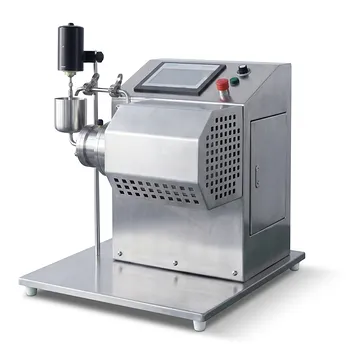
High Efficiency Laboratory Bead Mill Nano Powder Dispersion Sand Mill for Material Science Research
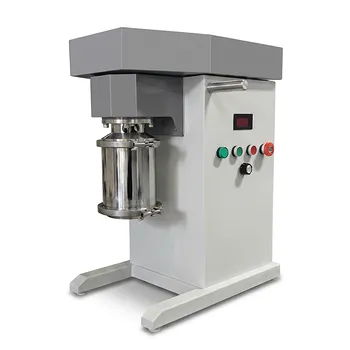
Nano Laboratory Bead Mill Desktop Sub Micron Sand Mill Screenless Seal Less Powder Grinder
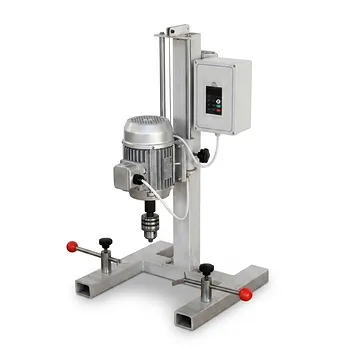
Laboratory Disperser and Sand Mill for Grinding Dispersing Emulsifying
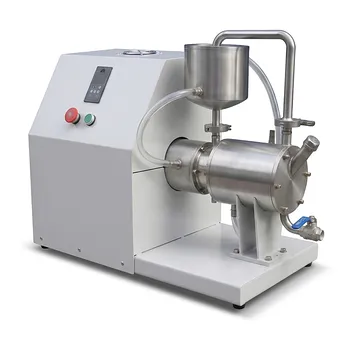
Laboratory Small Horizontal Sand Mill for Nano Materials Wet Grinding
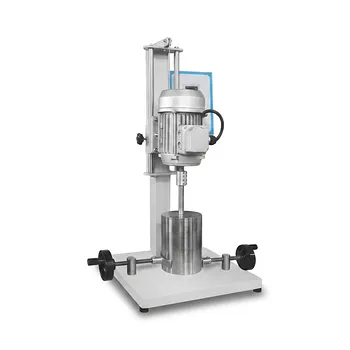
Laboratory Basket Sand Mill for Wet Grinding and Dispersion of Viscous Slurries
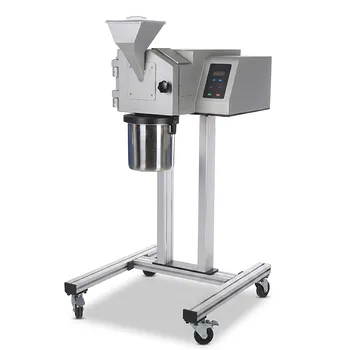
Cross Beater Mill for Brittle Material Grinding and Continuous Fine Crushing Industrial Sample Preparation
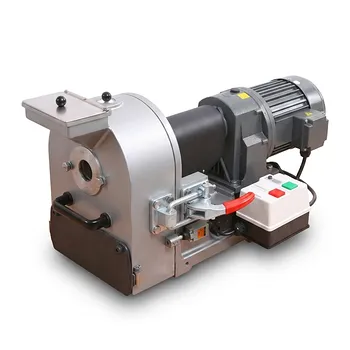
Laboratory Disc Mill for Fine Sample Preparation of Hard and Brittle Materials
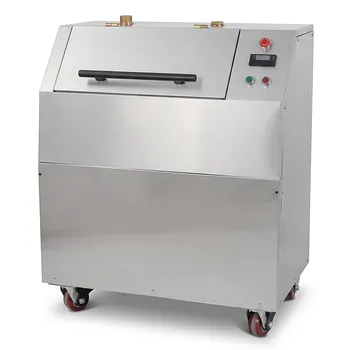
Vibratory Disc Mill for Rapid Fine Grinding and High Throughput Sample Preparation of Hard and Brittle Materials
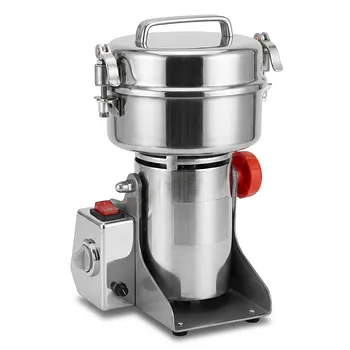
High Speed Laboratory Powder Grinder Small Batch Sample Preparation Mill
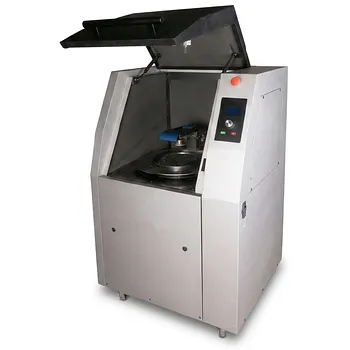
High Speed Vibratory Disc Mill for Spectral Analysis Sample Preparation and Rapid Powder Grinding
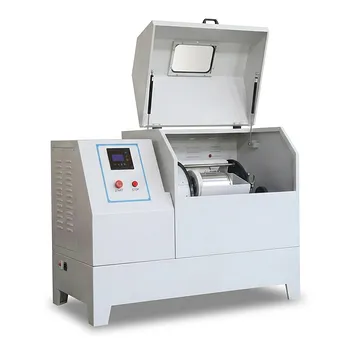
Heavy Duty Horizontal Planetary Ball Mill for Efficient Industrial Grinding and Sample Preparation

Vertical Production Planetary Ball Mill for High Throughput Powder Processing

High Energy Omnidirectional Planetary Ball Mill 16L
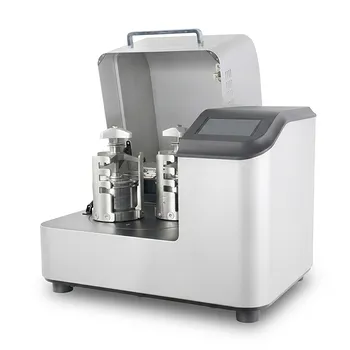
High Energy Planetary Ball Mill for Nano Scale Grinding and Mechanical Alloying
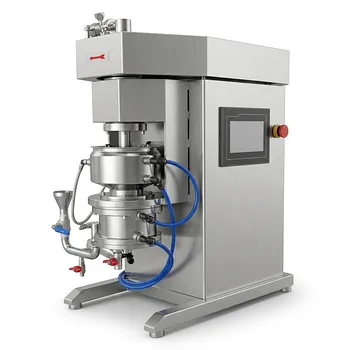
Small Ceramic Structure Laboratory Sand Mill Nanoscale Grinding Dispersion Equipment Seal-less Screen-less Design
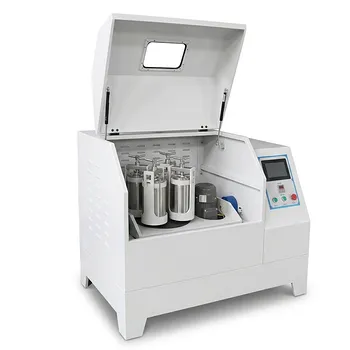
360° Rotating Omnidirectional Laboratory Planetary Ball Mill for Homogeneous Ultra-Fine Grinding and Mixing