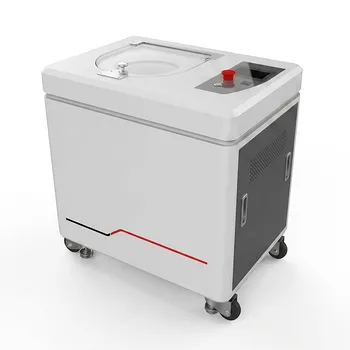
Why is a 3D Motion Mixer employed when preparing binary powder mixtures for tableting? Achieve Superior Homogeneity
Updated 3 months ago
The 3D Motion Mixer is essential for preparing binary powder mixtures because its multi-dimensional movement paths—incorporating rotation, flipping, and swaying—achieve a level of macro and micro homogeneity that standard mixers cannot. By utilizing these complex spatial trajectories, the mixer effectively overcomes differences in material density, particle size, and mechanical properties (such as plastic-deforming vs. brittle-fracturing materials), ensuring that the final tablets possess both consistent chemical dosage and uniform mechanical strength.
Core Takeaway: 3D Motion Mixers eliminate material segregation by utilizing multi-axis motion to create a highly uniform random distribution of components. This homogeneity is the physical foundation required for dosage accuracy, consistent compaction behavior, and representative quality testing in tableting.
Overcoming Material Heterogeneity
Managing Differences in Mechanical Properties
Binary mixtures often combine materials with vastly different physical behaviors, such as plastic-deforming microcrystalline cellulose (MCC) and brittle-fracturing anhydrous lactose.
The 3D motion ensures these disparate materials are integrated at a micro level, preventing the "layering" effect common in single-axis mixers.
Eliminating Component Segregation
Differences in particle size and density naturally lead to segregation during traditional mixing or transport.
The swaying and flipping motions of a 3D mixer constantly redirect the powder bed, ensuring that gravity-induced settling of denser particles is neutralized.
Safeguarding Tablet Quality and Performance
Ensuring Dosage Accuracy
For pharmaceutical applications, achieving a highly uniform random distribution of active pharmaceutical ingredients (APIs) and excipients is critical.
This high-efficiency mixing ensures that every individual tablet contains the exact intended ratio of components, which is vital for narrow-therapeutic-index drugs and probiotic stability.
Optimizing Lubrication and Flowability
During the final blending stage, 3D mixers are often used at low speeds to distribute lubricants like magnesium stearate.
The unique motion allows the lubricant to form a uniform thin film on the surface of granules without the excessive force that would break the granules or generate dust.
Establishing Structural Integrity
A homogeneous mixture provides the necessary foundation for uniform pore distribution during the compaction process.
When components are distributed evenly, the resulting tablets exhibit consistent mechanical strength, making quality control results truly representative of the entire production batch.
Understanding the Trade-offs
The Risk of Over-Mixing
While 3D mixers are highly efficient, excessive mixing time can lead to over-lubrication.
If a lubricant like magnesium stearate is mixed for too long, it can coat the primary particles too thoroughly, potentially hindering the bonding between particles and reducing the final tablet's hardness.
Complexity and Maintenance
The mechanical complexity of multi-axis drive systems generally results in higher initial costs compared to simpler ribbon or V-blenders.
Furthermore, these systems may require more rigorous maintenance schedules to ensure the precision of the complex motion trajectories over time.
How to Apply This to Your Process
Making the Right Choice for Your Goal
To maximize the benefits of 3D motion mixing in your tableting workflow, consider the specific requirements of your binary mixture:
- If your primary focus is Dose Uniformity: Use 3D mixing to eliminate API agglomeration and ensure a random distribution, especially when dealing with low-dose active ingredients.
- If your primary focus is Protecting Sensitive Components: Employ low-speed 3D motion to distribute excipients or lubricants without damaging fragile granules or probiotic cultures.
- If your primary focus is Mechanical Consistency: Utilize the mixer to blend materials with different deformation characteristics (e.g., MCC and Lactose) to ensure stable compaction and repeatable hardness tests.
By leveraging multi-dimensional motion, you ensure that the physical foundation of your tablet is technically sound, reproducible, and compliant with strict quality standards.
Summary Table:
| Feature | Impact on Tableting Quality |
|---|---|
| Multi-axis Motion | Prevents material layering and density-based segregation. |
| Micro-level Mixing | Ensures precise dosage accuracy for APIs and excipients. |
| Controlled Trajectories | Uniformly blends materials with different mechanical properties. |
| Low-speed Capability | Optimized lubricant distribution without damaging granules. |
| Homogeneous Foundation | Leads to consistent tablet hardness and pore distribution. |
Elevate Your Material Research with Precision Powder Solutions
Achieving the perfect binary mixture is only the first step in creating high-quality tablets. At [Your Brand Name], we provide complete laboratory sample preparation solutions tailored for material science. We specialize in the entire powder processing workflow—from 3D motion and defoaming mixers that ensure micro-homogeneity to a full spectrum of hydraulic presses, including Cold/Warm Isostatic Presses (CIP/WIP), vacuum hot presses, and XRF pellet presses for precise compaction.
Whether you are milling raw materials with our planetary ball or jet mills or seeking uniform particle size with our air-jet sieve shakers, our equipment is designed to deliver reproducible results and technical excellence.
Ready to optimize your lab's efficiency? Contact our experts today to find the perfect mixing and pressing equipment for your specific application!
References
- MCIM Amin, Muhammad Wahab Amjad. A Comparative Study of the Compaction Properties of Binary and Bilayer Tablets of Direct Compression Excipients. DOI: 10.4314/tjpr.v11i4.9
Mentioned Products
- Three-Dimensional Motion Mixer for Laboratory Powder and Granule Blending
- Single Tank High Energy Vibratory Ball Mill for Laboratory Grinding and Mixing
- Dry Three Dimensional Vibratory Sieve Shaker
- Heavy Duty Dry Three Dimensional Vibratory Sieve Shaker for Particle Separation
- Laboratory Dry and Wet Three Dimensional Vibratory Sieve Shaker for Particle Analysis
People Also Ask
- What role does an industrial 3D mixer play in the preparation of diamond tool segment raw materials? Achieve Homogeneity
- What is the role of a 3D mixer in Ti2SnC synthesis? Optimize Precursor Homogeneity for High-Purity MAX Phases
- How does a 3D mixer with tungsten balls contribute to magnesium composite mixing? Achieve Superior Macro-Homogeneity
- What are the advantages of using a 3D powder mixer? Boost Tablet Consistency with Advanced Mixing Technology
- What role does a 3D powder mixer play in alumina fiber ceramic cores? Achieve Precise Homogeneity for 3D Printing

Tech Team · PowderPreparation
Last updated on Jun 03, 2026
Related Products
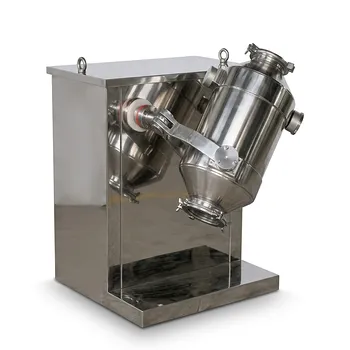
Three-Dimensional Motion Mixer for Laboratory Powder and Granule Blending
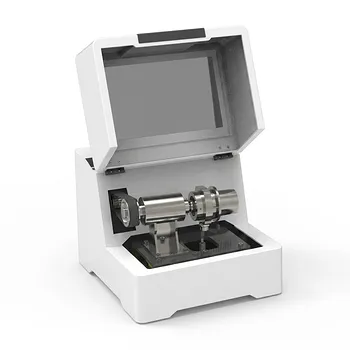
Single Tank High Energy Vibratory Ball Mill for Laboratory Grinding and Mixing
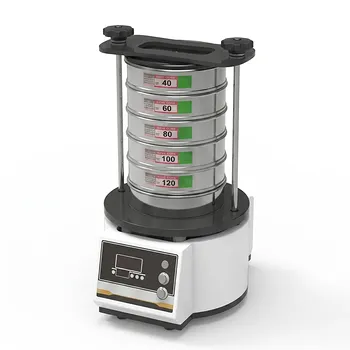
Dry Three Dimensional Vibratory Sieve Shaker
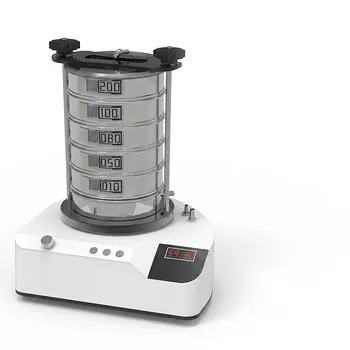
Heavy Duty Dry Three Dimensional Vibratory Sieve Shaker for Particle Separation
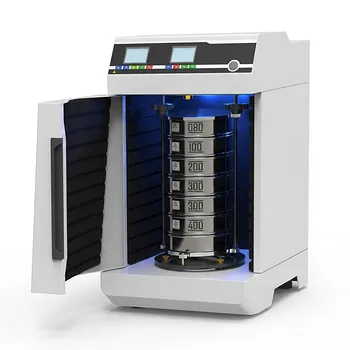
Laboratory Dry and Wet Three Dimensional Vibratory Sieve Shaker for Particle Analysis
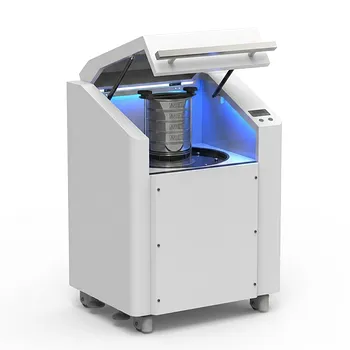
High Frequency Cabinet Type Three-Dimensional Rotary Vibrating Sieve Shaker for Dry Sieving and Particle Classification
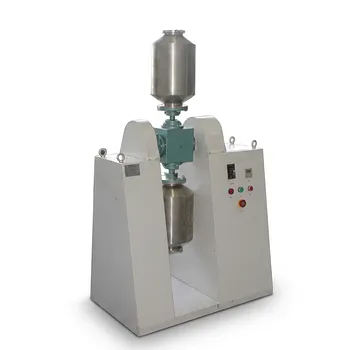
Multi Dimensional Universal Mixer for High Uniformity Powder Blending
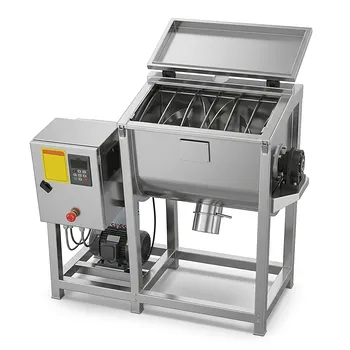
Horizontal Ribbon Mixer for Uniform Powder and Slurry Mixing
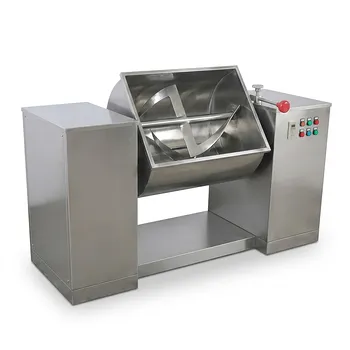
Horizontal Trough Mixer for Uniform Powder and Paste Blending
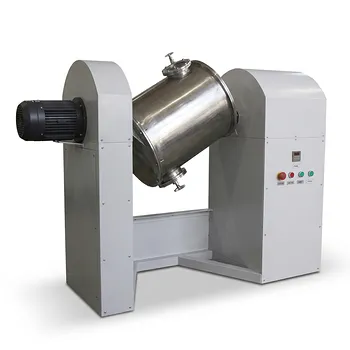
Inclined Mixer for Homogeneous Powder Blending and Grinding
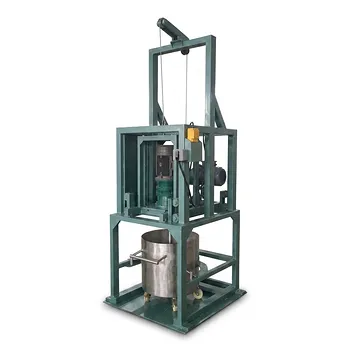
High-Speed Simple Disperser for Efficient Mixing, Dispersion, and Emulsification
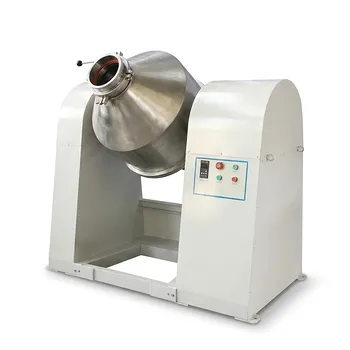
Industrial Double Cone Mixer for Powder Blending and Homogeneous Mixing
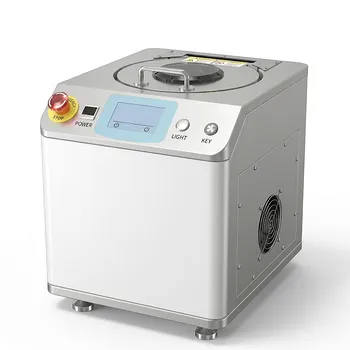
High Efficiency Vacuum Planetary Centrifugal Mixer and Defoaming Machine for Industrial Material Research and Precise Laboratory Powder Dispersion
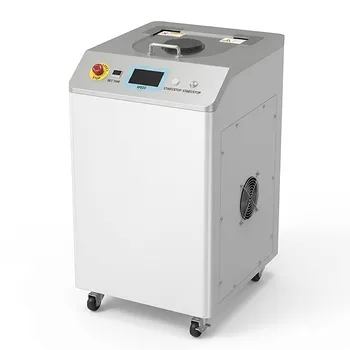
High Viscosity Planetary Centrifugal Vacuum Mixer for Material Defoaming and Uniform Mixing
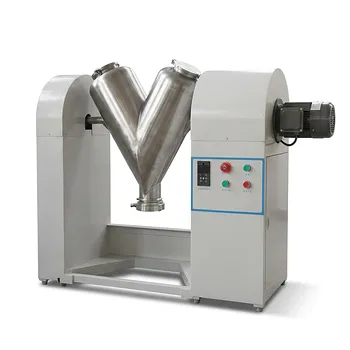
V-Type Powder Mixer for Uniform Blending of Dry Powders and Granules
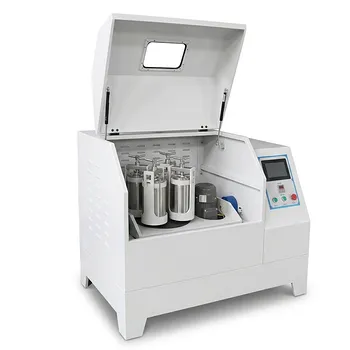
360° Rotating Omnidirectional Laboratory Planetary Ball Mill for Homogeneous Ultra-Fine Grinding and Mixing
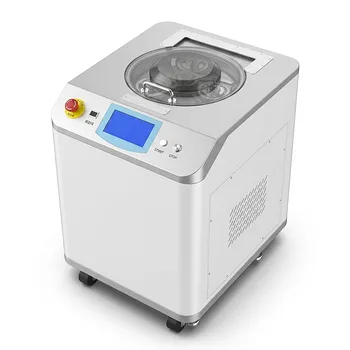
Dual Cup Vacuum Centrifugal Mixer Planetary Paste Defoaming Machine Industrial Material Processor
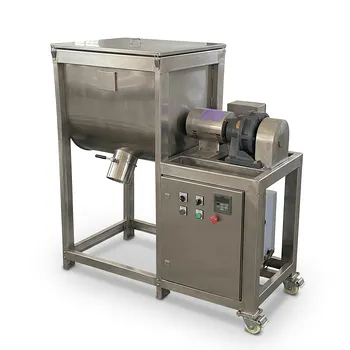
Horizontal Ribbon Mixer for Dry Powder and Slurry Blending
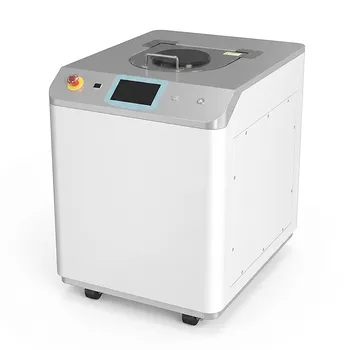
Industrial Planetary Centrifugal Vacuum Defoaming Mixer for High Viscosity Paste and Advanced Material Science