What role does an industrial 3D mixer play in the preparation of diamond tool segment raw materials? Achieve Homogeneity
Updated 4 months ago
The industrial 3D mixer is the critical technological component that ensures the structural integrity and performance consistency of diamond tool segments. By utilizing multi-dimensional motion, it achieves total homogenization of metal powders and diamond particles, preventing the material segregation that leads to tool failure.
Core Takeaway: In diamond tool production, the 3D mixer overcomes the physical challenges of blending materials with vastly different densities—such as cobalt, tungsten carbide, and diamond—to create a perfectly uniform matrix that guarantees predictable cutting performance and longevity.
The Mechanics of Multi-Dimensional Homogenization
Overcoming Density Disparity
Diamond tool segments are composed of a complex "cocktail" of materials, including cobalt-based powders, iron phosphate, bronze powder, and tungsten carbide. These components vary significantly in particle size and specific gravity.
An industrial 3D mixer uses a unique motion profile that combines rotation, inversion, and translation. This ensures that heavier particles do not settle at the bottom, a common failure in traditional 2D or centrifugal mixers.
Achieving Random and Uniform Distribution
The primary goal of the 3D mixer is to suspend diamond particles evenly within the metal matrix. Because the mixer moves across multiple axes simultaneously, it eliminates "dead zones" within the mixing vessel.
This creates a random yet uniform distribution, which is essential for the later stages of the manufacturing process. This uniformity is what allows the metal matrix to support the diamond grit effectively during intense cutting operations.
Impact on Tool Performance and Sintering
Preventing Post-Sintering Segregation
If raw materials are poorly mixed, the inconsistencies become permanent during the sintering process. High-density clusters or "soft spots" in the metal matrix can cause the tool to wear unevenly or fail catastrophically under load.
The 3D mixer ensures that the chemical composition is identical at every point in the segment. This stability prevents segregation, ensuring that the mechanical properties of the finished tool remain consistent throughout its entire lifecycle.
Guaranteeing Consistent Cutting Performance
A diamond tool is only as good as its most poorly distributed section. If diamond particles are clustered, the tool may "glaze" or stop cutting; if they are too sparse, the tool will wear down prematurely.
By delivering a homogeneous powder blend, 3D mixers allow manufacturers to produce tools with predictable "exposure rates." This results in a product that maintains a steady cutting speed and a reliable service life for the end user.
Understanding the Trade-offs and Pitfalls
Mechanical Complexity and Maintenance
The multi-axis movement that makes 3D mixers effective also requires a more complex mechanical drive system. These machines often involve intricate linkages and joints that require regular calibration and lubrication to prevent vibration-induced wear.
Processing Time vs. Material Degradation
While 3D mixing is highly efficient, over-mixing can sometimes lead to particle deformation or unwanted heat generation. Finding the "sweet spot" in cycle time is crucial; too short a cycle results in poor distribution, while too long a cycle can alter the physical characteristics of delicate metal powders.
Applying 3D Mixing to Your Production Workflow
To optimize the preparation of diamond tool raw materials, the mixing strategy must align with the specific requirements of the final product.
- If your primary focus is High-Precision Cutting Tools: Prioritize 3D mixers with variable speed controls to manage the distribution of ultra-fine cobalt and tungsten carbide powders without clumping.
- If your primary focus is Mass-Market Abrasives: Utilize high-capacity 3D mixers that emphasize throughput while maintaining the basic homogeneity required for standard iron-based matrices.
- If your primary focus is Fiber-Reinforced Matrices: Ensure the mixer is rated for high-aspect-ratio materials to achieve the random distribution necessary for structural stability.
Selecting the right 3D mixing parameters is the single most effective way to transition from inconsistent batch production to high-quality, standardized diamond tool manufacturing.
Summary Table:
| Key Feature | Impact on Diamond Tool Production |
|---|---|
| Multi-Axis Motion | Eliminates "dead zones" and prevents settling of heavy metal powders. |
| Density Management | Uniformly suspends diamond particles within cobalt or tungsten matrices. |
| Homogenization | Ensures identical chemical composition across the segment for stable sintering. |
| Performance Boost | Guarantees predictable cutting exposure rates and extends tool service life. |
Elevate Your Material Precision with Professional Preparation Solutions
Achieving the perfect diamond distribution requires more than just a mixer—it requires a synchronized preparation workflow. At [Brand Name], we provide complete laboratory sample preparation solutions for material science, specializing in high-performance powder processing and compaction equipment.
Whether you are refining raw materials with our jaw crushers and planetary ball mills, ensuring particle quality with our vibratory sieve shakers, or finalizing segments with our full spectrum of hydraulic presses (including Cold/Warm Isostatic Presses and Vacuum Hot Presses), we offer the tools to guarantee excellence. Our industrial 3D and powder mixers are engineered to handle the toughest density disparities, ensuring your diamond tools perform consistently every time.
Ready to optimize your production and reduce material waste? Contact our experts today to find the ideal equipment for your laboratory or manufacturing line!
References
- Fernando A. Costa Oliveira, Jorge Cruz Fernandes. Manufacturing of Diamond Tool Segments via Microwave–Hybrid Sintering. DOI: 10.3390/jmmp9110370
Mentioned Products
- Three-Dimensional Motion Mixer for Laboratory Powder and Granule Blending
- Multi Dimensional Universal Mixer for High Uniformity Powder Blending
- Dry Three Dimensional Vibratory Sieve Shaker
- Heavy Duty Dry Three Dimensional Vibratory Sieve Shaker for Particle Separation
- Laboratory Dry and Wet Three Dimensional Vibratory Sieve Shaker for Particle Analysis
People Also Ask
- Why is a 3D Motion Mixer employed when preparing binary powder mixtures for tableting? Achieve Superior Homogeneity
- What is the role of a 3D mixer in Ti2SnC synthesis? Optimize Precursor Homogeneity for High-Purity MAX Phases
- How does a 3D mixer with tungsten balls contribute to magnesium composite mixing? Achieve Superior Macro-Homogeneity
- What are the advantages of using a 3D powder mixer? Boost Tablet Consistency with Advanced Mixing Technology
- What role does a 3D powder mixer play in alumina fiber ceramic cores? Achieve Precise Homogeneity for 3D Printing

Tech Team · PowderPreparation
Last updated on Jun 03, 2026
Related Products
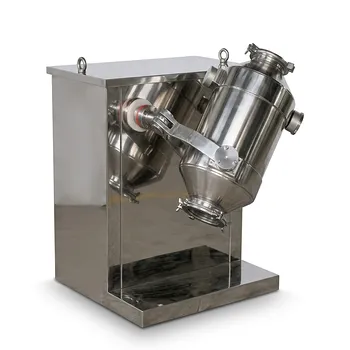
Three-Dimensional Motion Mixer for Laboratory Powder and Granule Blending
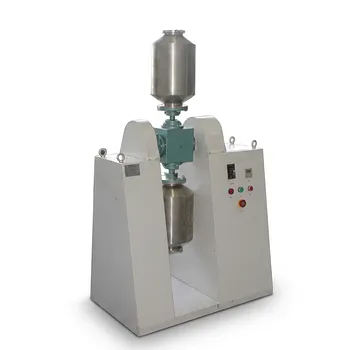
Multi Dimensional Universal Mixer for High Uniformity Powder Blending
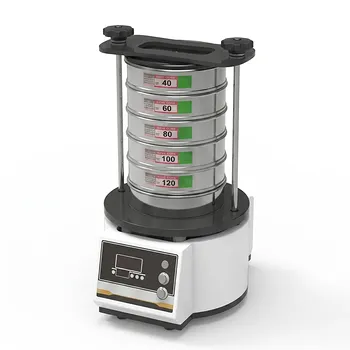
Dry Three Dimensional Vibratory Sieve Shaker
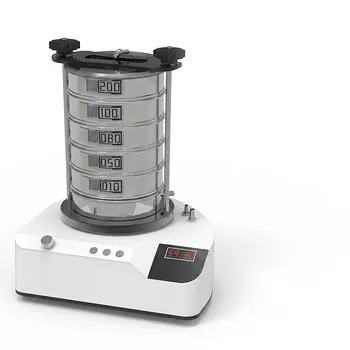
Heavy Duty Dry Three Dimensional Vibratory Sieve Shaker for Particle Separation
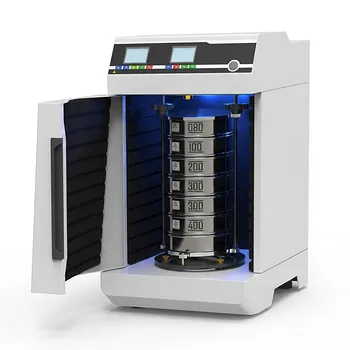
Laboratory Dry and Wet Three Dimensional Vibratory Sieve Shaker for Particle Analysis
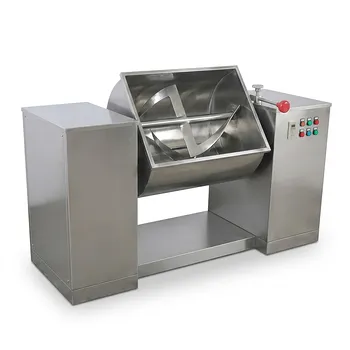
Horizontal Trough Mixer for Uniform Powder and Paste Blending
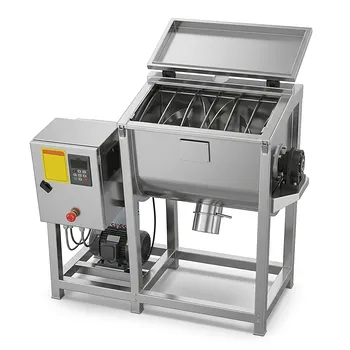
Horizontal Ribbon Mixer for Uniform Powder and Slurry Mixing
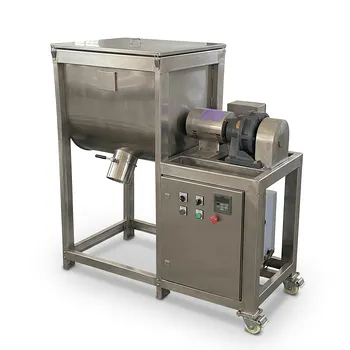
Horizontal Ribbon Mixer for Dry Powder and Slurry Blending
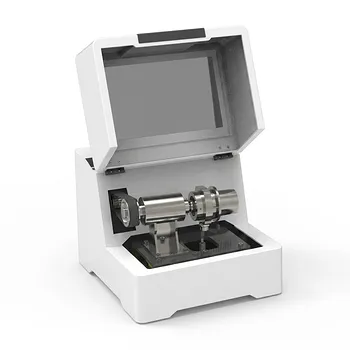
Single Tank High Energy Vibratory Ball Mill for Laboratory Grinding and Mixing
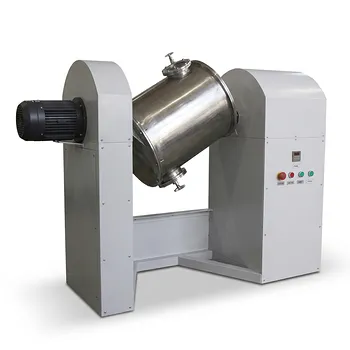
Inclined Mixer for Homogeneous Powder Blending and Grinding
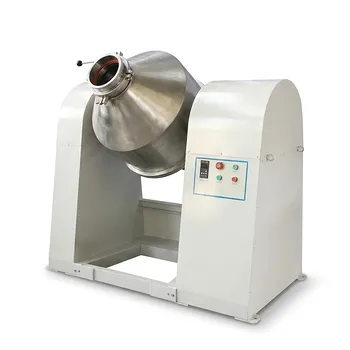
Industrial Double Cone Mixer for Powder Blending and Homogeneous Mixing
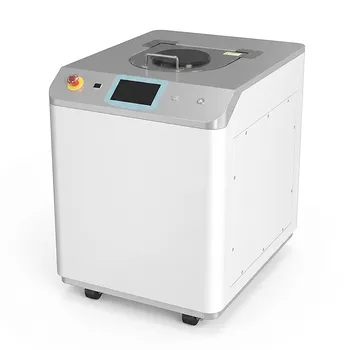
Industrial Planetary Centrifugal Vacuum Defoaming Mixer for High Viscosity Paste and Advanced Material Science
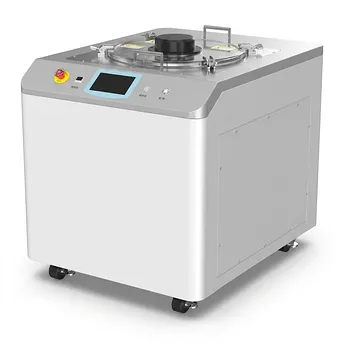
Industrial Planetary Centrifugal Vacuum Defoaming Mixer for High Viscosity Paste and Powder Homogenization
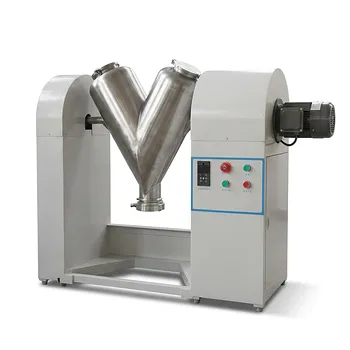
V-Type Powder Mixer for Uniform Blending of Dry Powders and Granules
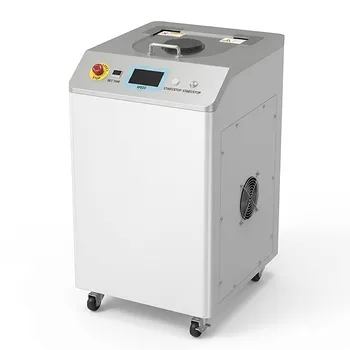
High Viscosity Planetary Centrifugal Vacuum Mixer for Material Defoaming and Uniform Mixing
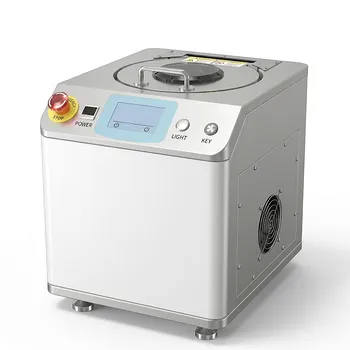
High Efficiency Vacuum Planetary Centrifugal Mixer and Defoaming Machine for Industrial Material Research and Precise Laboratory Powder Dispersion
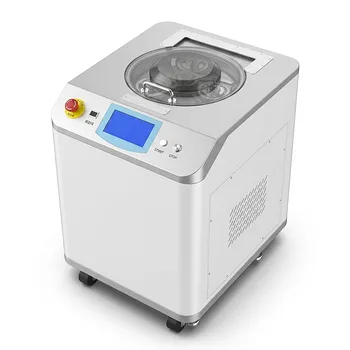
Dual Cup Vacuum Centrifugal Mixer Planetary Paste Defoaming Machine Industrial Material Processor

High Speed Vacuum Planetary Centrifugal Mixer and Defoamer for Industrial Paste Processing
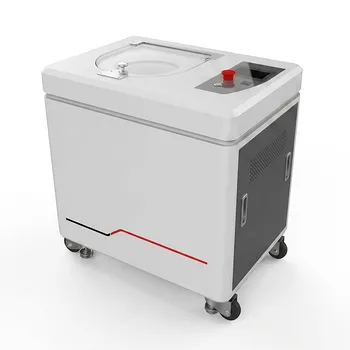
非介入式材料均质机真空脱泡行星搅拌高粘度混合设备